by Joe Davis
Juneteenth commemorates a day when my ancestors could breath a little more freely. On June 19, 1865, in Galveston, Texas, enslaved Africans were read federal orders that they were freed, even though the Emancipation Proclamation was signed over two years prior. They didn’t know they were free because, in spite of the law, they were still brutalized by those who weaponized power. This was this liberatory announcement that initiated the joyful reunion of long-separated loved ones and the work of reconstructing after centuries of being held down by the harsh American slave system.
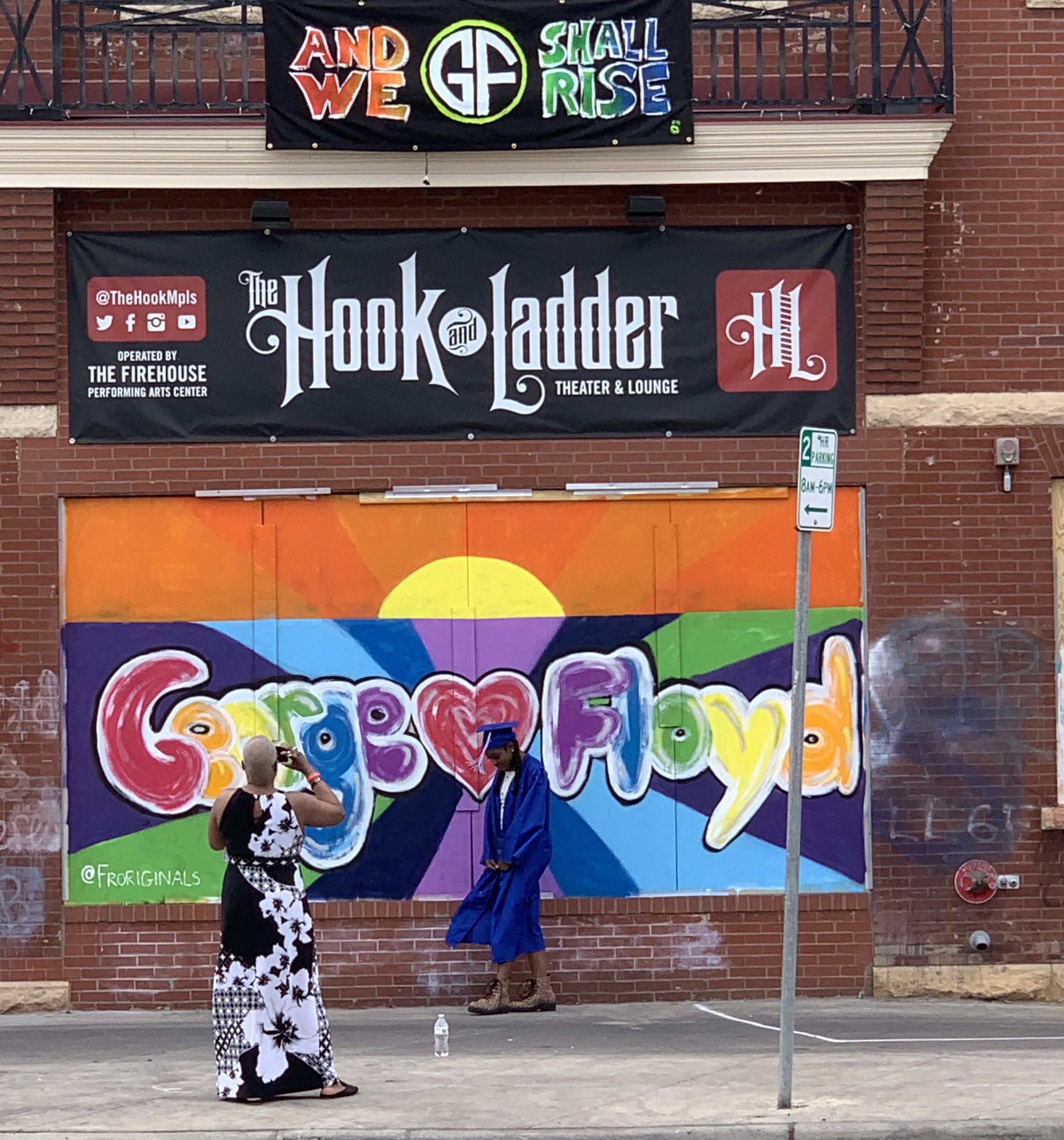
Today, families of African descent throughout the United States celebrate this Freedom Day, which gave us a brief moment to inhale deeper than before. However, as a Black artist and educator living in Minneapolis, MN during an uprising that has sparked freedom demonstrations around the world, I know that oppressive powers have only shifted their weight on the necks of vulnerable Black bodies as we cried out to breathe.
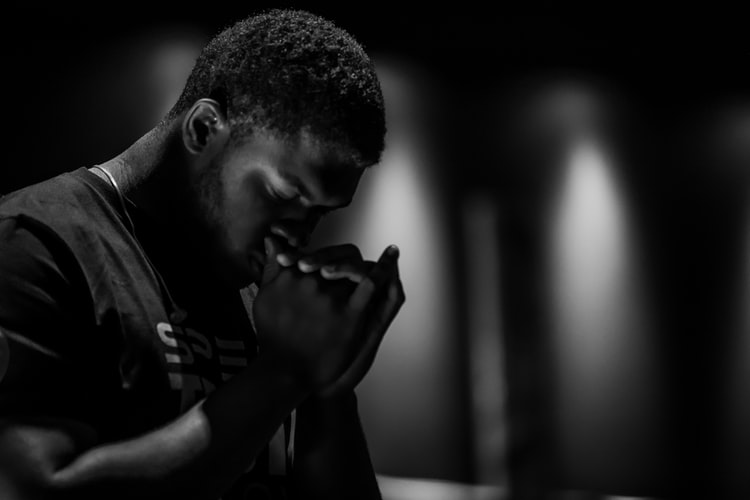 I can only imagine how profoundly the Giver of all life and breath (1) must become enraged and grief-stricken every time the breath in our bodies is snuffed out by violent power. But I needn’t imagine this response, as Jesus incarnated this reality when he protested abusive authority decrying those holding power through violence as hypocrites and snakes (2) and damaged temple property when it was being valued more than the humanity of his people (3). Although divisive and controversial to corrupt religious leaders and exploitative lawmakers, Jesus embodied a form of justice not rooted in revenge or retribution, but instead in restoration and healing. Even though he could have commanded an army of angels to battle on his behalf (4) his love for the most vulnerable was held so deeply in his body that he lived and died among them in a communion of shared vulnerability. Jesus gave his all, his last breath, to empower them, and to empower us, to rise again. His desire was that we would all be freed from the grips of power-hoarding, death-dealing systems and breathe in the abundance of life-affirming community.
Jesus intensely understood the soul wound and how violence, at its core, is a spilling over of trauma and suffering from one body to another. Resmaa Manekem, body-centered therapist and author of My Grandmother’s Hand: Racialized Trauma and the Pathway to Mending Our Hearts and Bodies, describes the soul wound as trauma routinely passed on from person to person and from generation to generation. The only way to stop the cyclical pattern is not punitive force but reparative action and a commitment to the practice and process of healing. This calls for the healing of the oppressor and the oppressed, as stated by Dr. Joi Lewis, Twin Cities healer, author, and founder of the Healing Justice Foundation. Dr Lewis states, “Oppression is not an inevitable state of affairs and no human being would agree to oppress another person or agree to be oppressed if they weren’t already hurt.”
The wounds of violence reach the innermost essence of our beings, it viscerally impacts our flesh and becomes ritualized in every part of society and culture from policing to politics. When we heal the systems that live inside of us, then we can also heal the systems that live outside of us. And that is the path to collective liberation that Jesus calls us all to embody (5).
Juneteenth, also known as Jubilee Day, speaks to this call, an ancestral echo of the struggle for freedom heard in the litany of voices throughout history. If we listen, we can hear it resonating in the song of Moses, Aaron, and Miriam—among countless other scriptural leaders —organizing themselves and their people to escape the slave system of pharaohs and kings who denied their demands for human dignity until death was too close to home (6). Once their lungs were no longer constricted by the tyrannical rule of empire, they had enough space to breathe new life into prophetic visions of Jubilee, where prisoners could be liberated, debts forgiven, and the land renewed (7).
I long to live in a world not of crippling dependence on guns and cages as lethal enforcers of systemic injustice, but a world where our bodies and our institutions rise with the deep, slow rhythms of healing. We don’t live in that world yet, but it’s worth working for with every breath we have.
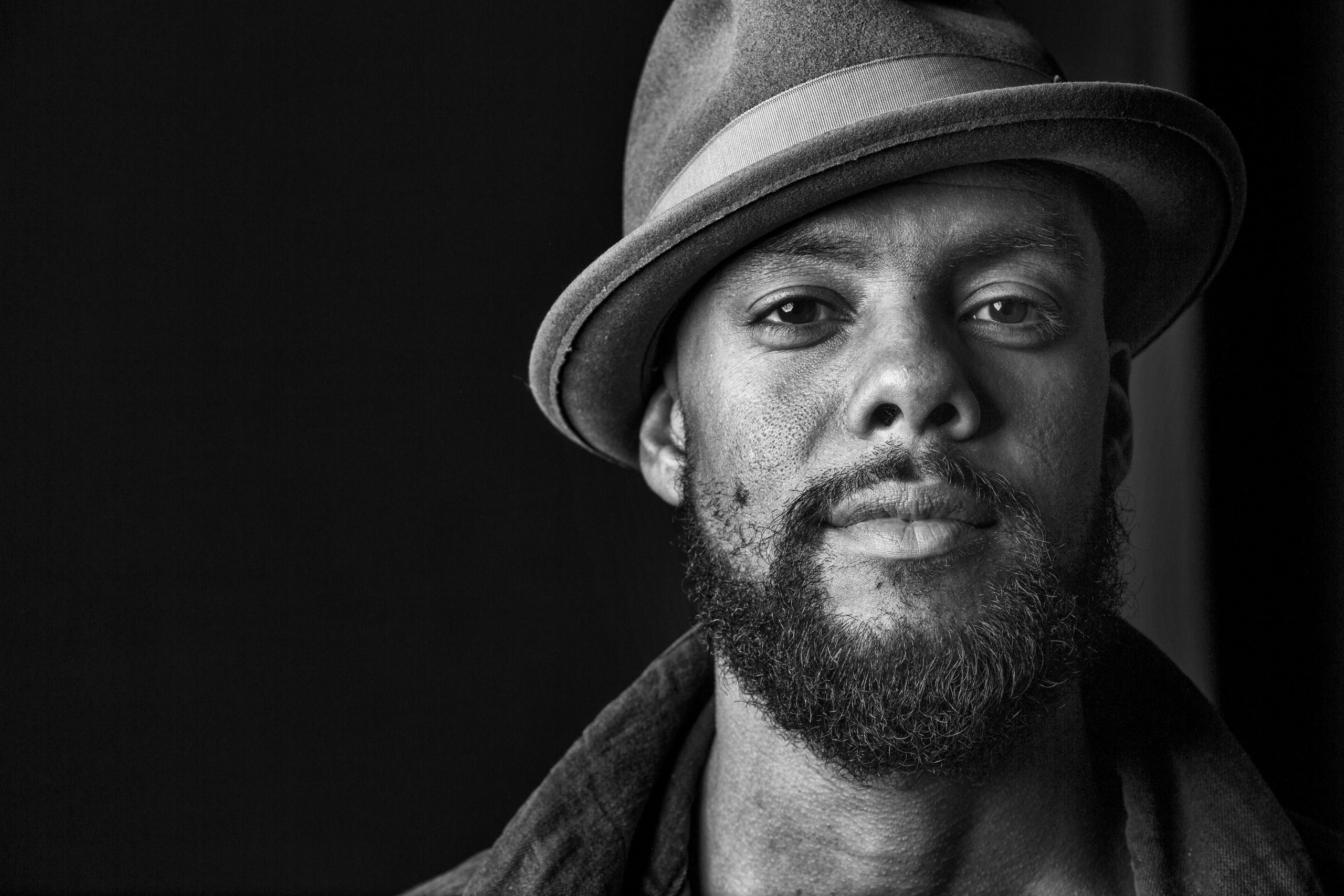
Joe Davis is a nationally-touring artist, educator, and speaker based in Minneapolis, MN, whose work employs poetry, music, theater, and dance to shape culture. He is the Founder and Director of multimedia production company, The New Renaissance, the frontman of emerging soul funk band, The Poetic Diaspora, and qualified administrator of the Intercultural Development Inventory. He has keynoted, facilitated conversation, and served as teaching artist at hundreds of high schools and universities including New York, Boston, and most recently as the Artist-in-Residence at Luther Seminary where he received a Masters in Theology of the Arts.
1: Genesis 2:7 (CEB) the Lord God formed the human from the topsoil of the fertile land and blew life’s breath into his nostrils. The human came to life.
2: Matthew 23 (CEB) Jesus Calls Out the Legal Experts and Religious Leaders; Matthew 12:34 (CEB) Children of snakes! How can you speak good things while you are evil? What fills the heart comes out of the mouth.
3: Matthew 21: 12 (CEB) Then Jesus went into the temple and threw out all of those who were selling and buying there. He pushed over the tables used for currency exchange and the chairs of those who sold doves.
4: Psalms 91:12 and Matthew 4:6
5: Luke 17:20-21Pharisees asked Jesus when God’s kingdom was coming. He replied, God’s kingdom isn’t coming with signs that are easily noticed. Nor will people say, ‘Look, here it is!’ Or ‘There is!’ Don’t you see? God’s kingdom is already among you.
6: Exodus 12:29-50
7: Leviticus 25: 8-18