Skip to content
ELCA Blogs

ELCA World Hunger

Field Report: Literacy in Malawi


Last week, ELCA World Hunger and ELCA Global Mission staff visited with companions in Malawi, learning more about the great work local volunteers and leaders are doing with support from ELCA World Hunger. Below, David Mills, the program director for budget and operations on the Diakonia team in the ELCA’s Global Mission unit, shares one of the stories he has heard during the visit. For a previous field report on Malawi from David, click here.


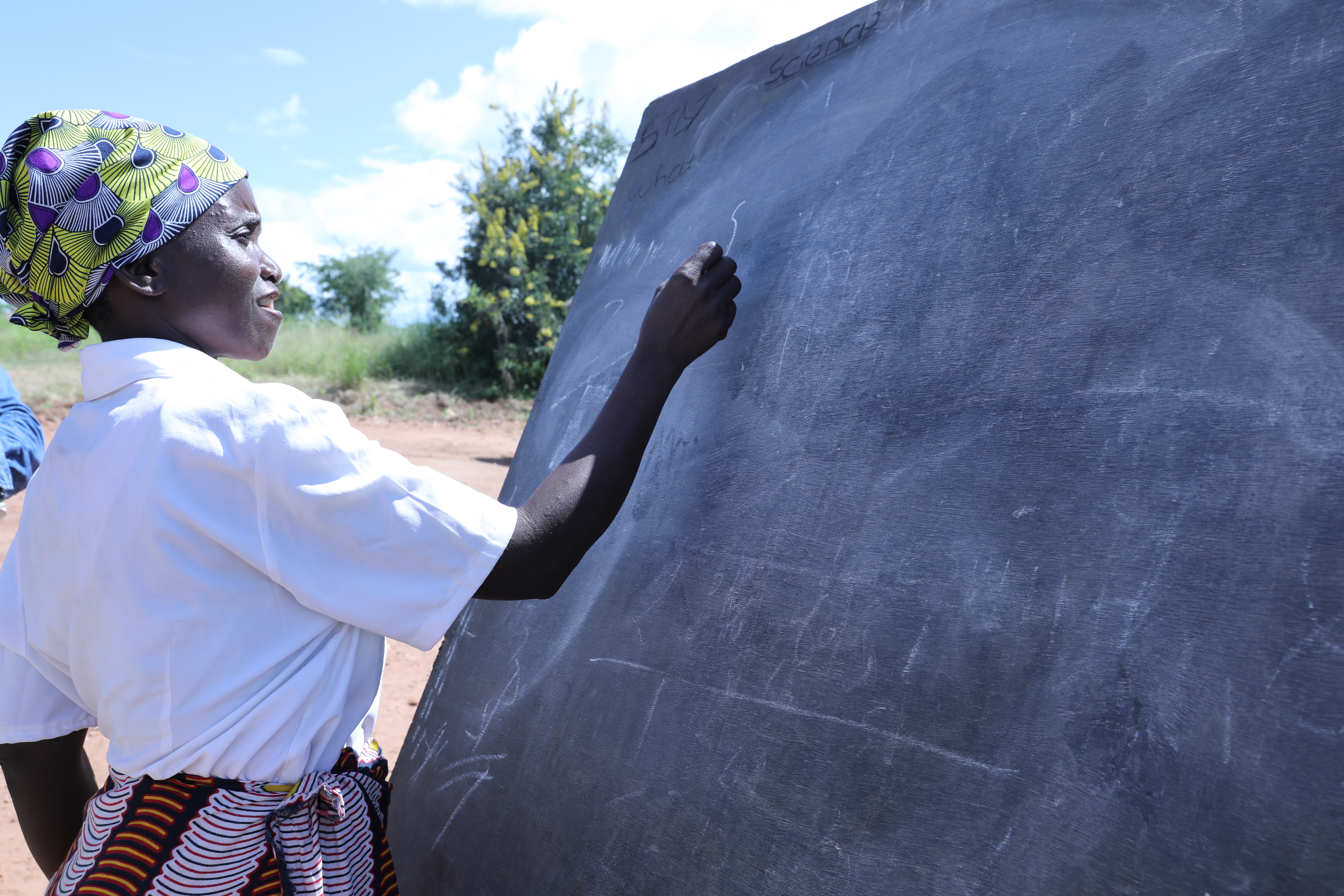
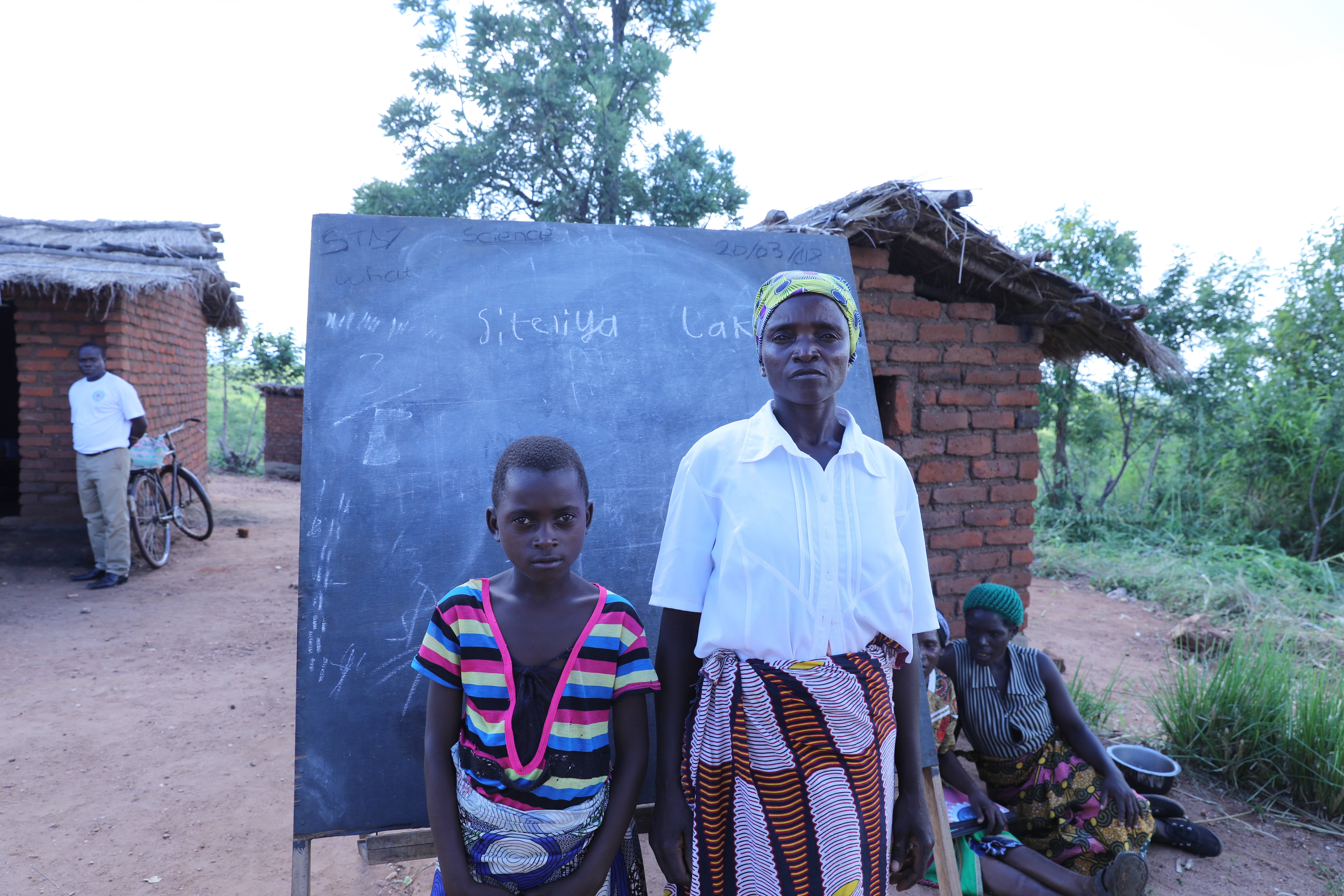
Siteliya Lakisoni knows her name.

Siteliya is a mother of six children, including her daughter, Patilisha, whom she adopted after Patilisha became an orphan. For two years, Siteliya has been attending Evangelical Lutheran Church in Malawi (ELCM) adult literacy classes offered in Salima, Malawi.

She told me, “Before I started attending class, I could not read or write. I knew nothing.”

Today, she wrote her name on the board, her hand moving with confidence and pride. When I asked her how gaining the ability to read and write had changed her life, she said,

“I used to receive letters and notifications about community services being offered, and I could not read them without help. Now I can read them, I can interpret them for my community.”

Patilisha was standing by her side as Siteliya and I conversed. She was composed and steady, sharpness of mind evident before she even spoke. I asked her what it meant to her that her mother could read and write now, and she told me plainly and confidently,

“When I see my mom read and write, I feel good. I want to learn from my mom. When I grow up, I want to be a teacher.”

When a woman gains knowledge, that knowledge washes like holy water over every layer of community, bringing nourishment and new life to the people and to the land. And a generation of young girls are inspired to follow the trail blazed for them, leaving that path wider and more trodden still for the ones who will come after.

When a woman knows her name, the world is never the same. Thanks be to God, Siteliya knows her name.

Learn more about how you can walk alongside the women like Siteliya who will forge Malawi’s future through ELCA World Hunger’s “40 Days of Giving.”

Field Report: Supporting Local Efforts in Malawi

This week, ELCA World Hunger and ELCA Global Mission staff are visiting with companions in Malawi, learning more about the great work local volunteers and leaders are doing with support from ELCA World Hunger. Below, David Mills, the program director for budget and operations on the Diakonia team in the ELCA’s Global Mission unit, shares one of the stories he has heard during the visit.

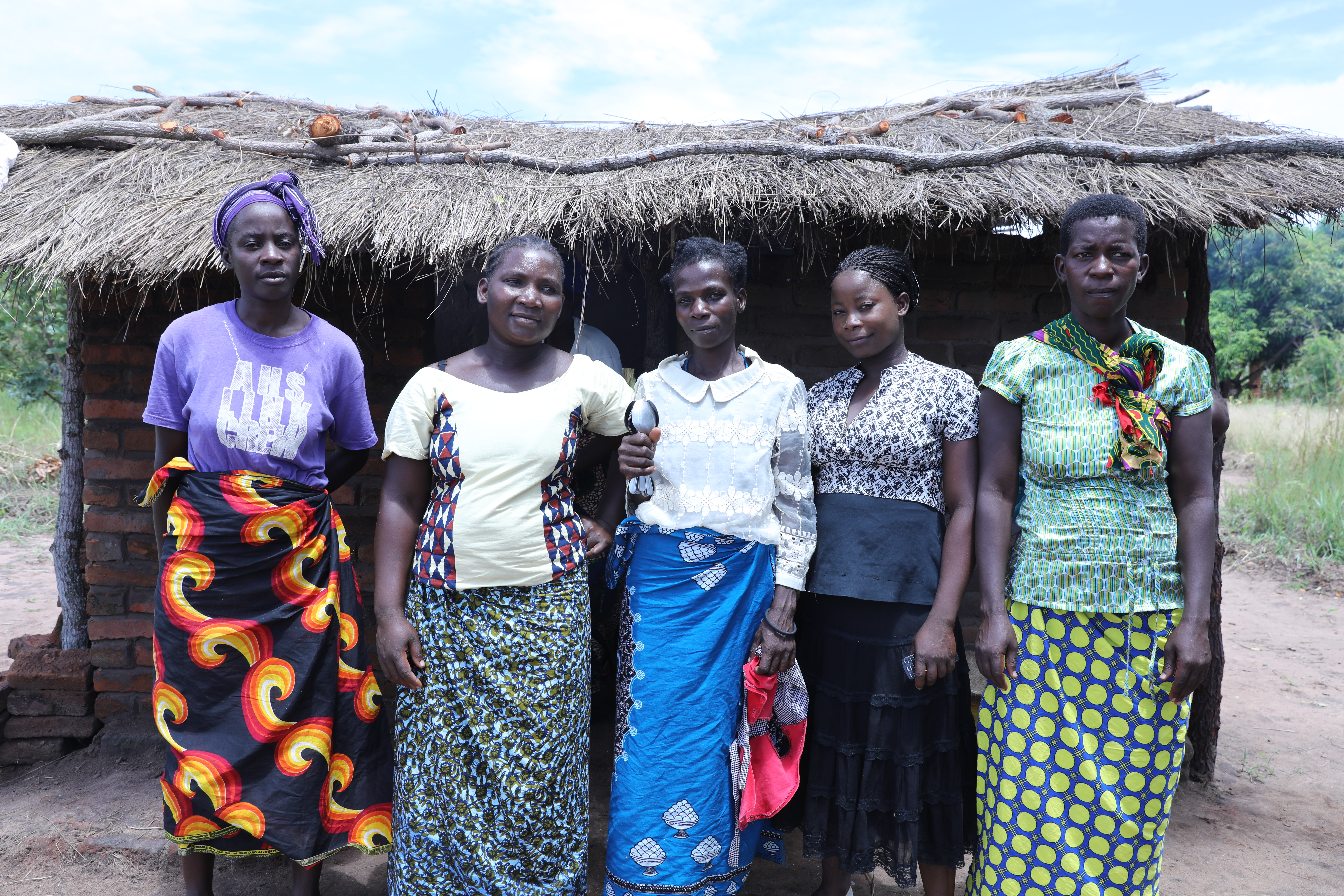
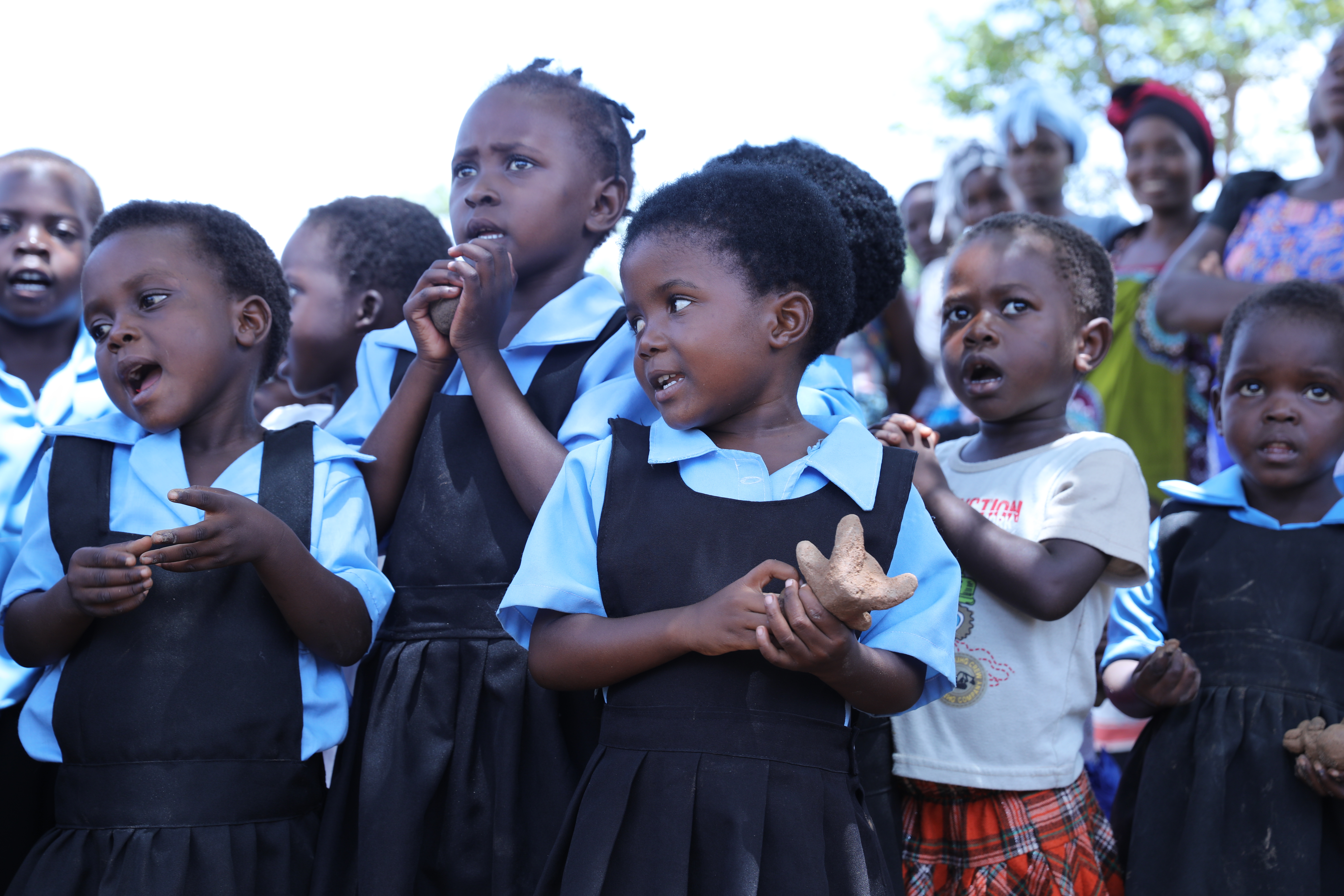
Alppha Banda, Kristina Stephano, Dorothy Ngamira, Irene Banda, and Martha Kamphata all have children attending the Chibothel Lutheran Nursery School, operated by the Evangelical Lutheran Church in Malawi. This school, with an enrollment of 42 students, serves as the base for a feeding center for children supported by ELCA World Hunger.

Every school day, Alppha, Kristina, Dorothy, Irene and Martha show up as volunteers to cook for nearly 70 children aged six months to five years who travel to Chibothel from the surrounding ten villages. Pooling resources, they prepare food that has been donated, cup by cup, from the families of the children.

And because of ELCA World Hunger, food is provided not only when families have enough to contribute, but year-round, even during the months of October to January when food is most scarce in the region.

When we asked Dorothy what inspires the group to devote themselves in service to these children, she said, “Each and every child here is everyone’s child through the bond of love.”

When you support ELCA World Hunger, your support does not stand alone. It buttresses the sacrificial efforts of women like Alppha, Kristina, Dorothy, Irene, and Martha (and their fellow community members) who work relentlessly to ensure that every child in their community has opportunity.

The support we offer together through ELCA World Hunger isn’t about instilling determination, nor compensating for a lack of ingenuity or motivation among our neighbors. Rather, it is a reflection of the ELCA’s commitment to walk alongside communities in Malawi and around the world through our companion church partners, knowing that we will go further together, and that we can only be transformed in relationship with one another.

You can learn more about how to support ELCA World Hunger projects supporting health and wellness in Malawi through ELCA World Hunger’s “40 Days of Giving” by visiting the site here: http://elca.org/40days.

As we journey toward Easter, ELCA World Hunger’s “40 Days of Giving” is an important opportunity to remember that we do not journey alone.

Reflection on the United Nations’ 62nd Commission on the Status of Women


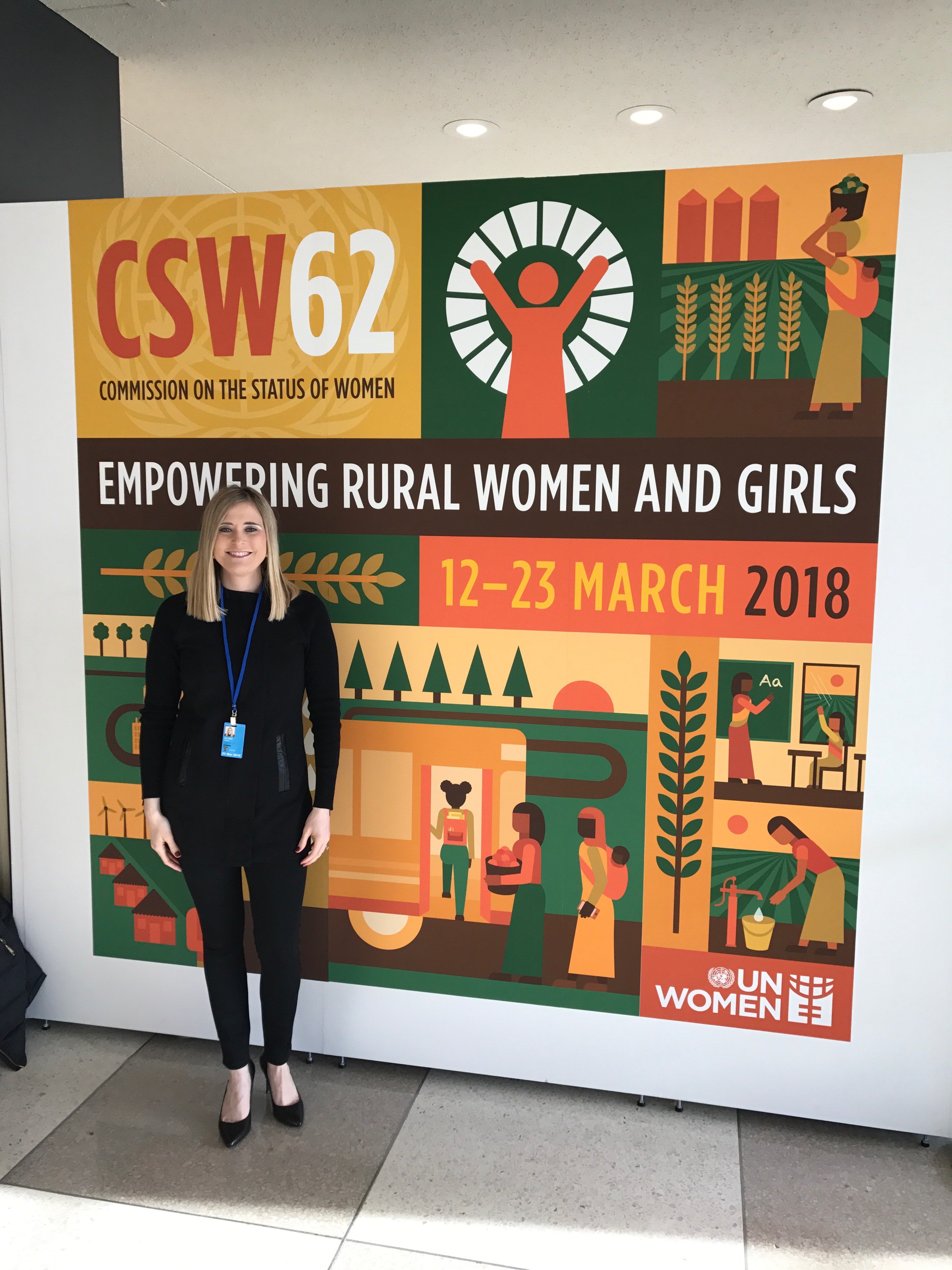
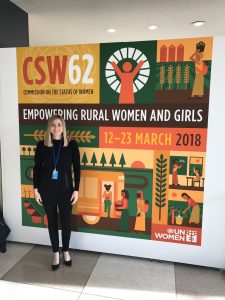
In March 2018, the 62nd session of the United Nations Commission on the Status of Women (CSW62) brought together leaders from around the world. Established in 1946, the CSW is the principal international intergovernmental body dedicated to gender equality and the empowerment of women. The annual session is the largest UN gathering each year. This year, CSW62 focused on rural women and, specifically, two themes:

Priority Theme: Challenges and opportunities in achieving gender equality and the empowerment of rural women and girls; and

Review Theme: Participation in and access of women to the media, and information and communications technologies and their impact on and use as an instrument for the advancement and empowerment of women (agreed conclusions of the forty-seventh session).

Below, guest writer Angela Marie Dejene, president of Dejene Communications, reflects on these themes, her time at CSW62, and the critical importance of narrative – “truth told well.”
Even in the United States in 2018, women still face very different challenges and live very different lives than men.

But the stories the media has told, until very recently, have rarely reflected those female narratives and the daily inequalities with which they struggle.

I am the granddaughter of South Dakota farmers, and I grew up on the prairie in Crookston, Minnesota – a farm town of fewer than 8,000 people in the far-away northwest corner of the state.

You knew you were getting close to reaching the edge of town when you started to smell the odor of rotten eggs from the sugar beet plant.

Health complaints from local mothers were ignored – it was and still is a mostly male world in the sugar beet plant and in the fields … and only the local land-grant university had a greater impact on the local economy.

The local newspaper, the Crookston Times, reflected the male-dominated agricultural industry mostly when I was young – and still does today. The front page story last Wednesday featured a meeting of the Mid-Valley Grain cooperative and showed a group shot of male-farmer members.

My grandmother held up “half the sky” on that remote South Dakota farm where my mother grew up and where I spent wonderful summers as a young girl. But where is that female narrative if I don’t find it … if I don’t tell it?

Without truth-telling narratives, there is rarely progress.

Progress for women in rural northwestern Minnesota remains bleak today:

  • According to the US Census Bureau, fewer than 1 in 4 (23%) of residents there, in Crookston, Minnesota, have a bachelor’s degree or higher.
  • Full-time male employees make 1.34 times more than female employees in Crookston.
  • According to the Minnesota Department of Health, in isolated rural areas of northern Minnesota (the greater region surrounding Crookston) there is only 1 physician for every 3,191 people.
  • Only 4 percent of the state’s physicians are located in the northwest counties of the state, the most rural part of the state.
  • About 1 in 5 people still live below the poverty line and the largest demographic living in poverty are females ages 18-24.

But you have to dig deep for that statistic and deeper still for the story behind it. Without narratives, there is no progress.

I was raised by a single mother who worked full-time as a university professor. Still, she had to struggle to make ends meet. I remember going to the local grocery store, HUGOS, on Saturday mornings with my mom and brother, and with my mother’s purse-sized calculator in hand, we would add up the prices of each item we put into the cart. She needed to make sure she had enough in her bank account to get us fed until she got paid the following week.

I always did well in school, and fortunately, those grades and perhaps a compelling narrative in my applications helped me qualify for academic-based scholarships when I started applying for college. With the generous help of those scholarships, I enrolled in Augustana University, an extraordinary liberal arts university affiliated with my Lutheran faith, located in Sioux Falls, South Dakota. At Augustana, I double-majored in journalism and government/international affairs and served as an editor for the school newspaper.

I’ve always had a passion for uncovering and telling true stories. When women are in charge of the narrative, policies change, communities are empowered and the lives of women and girls are transformed. I started my career as an unpaid lobbying intern in Washington, DC, advocating for health care policies that would improve the lives of women and children. I spent most of my time on Capitol Hill finding and sharing the true stories of how the U.S. healthcare system at the time was failing women, families and children.

These were stories that reported on real families, some forced into bankruptcy because a mother, a wife, or a sister was diagnosed with breast cancer and their health insurance policy had a “lifetime limit” on how much of the treatment would be covered.

These were stories of real families who relied on the Children’s Health Insurance Program for their children’s critical visits to the doctor to manage a chronic condition like asthma or Type 1 diabetes.

These were stories of real high school girls who were experiencing teen dating violence but had nowhere to turn because the local legal system had failed them.

The re-authorization of the Violence Against Women Act was signed into law on March 7, 2013. The new law made targeted expansions to address the needs of especially vulnerable populations and help prevent violence in future generations.

The Affordable Care Act was signed into law on March 23, 2010, giving millions of families new-found hope and access to affordable, high-quality health care.

Narratives – truths told well – were the empowering difference.

Stories of horror and struggle.

Stories of compassion and empowerment.

Stories of survival and success.

If we strive to find and to communicate, if we work to broadcast the truth about women from and to even the most remote of places – we fuel and ignite progress everywhere.

Narrative – truth told well – by women and about women – can advance and empower the lives of all who live on this planet.

Welcome New Staff!


The ELCA World Hunger team welcomed three new colleagues to the team in the last few months!

Jenny Ackerman, Coordinator for Network Engagement

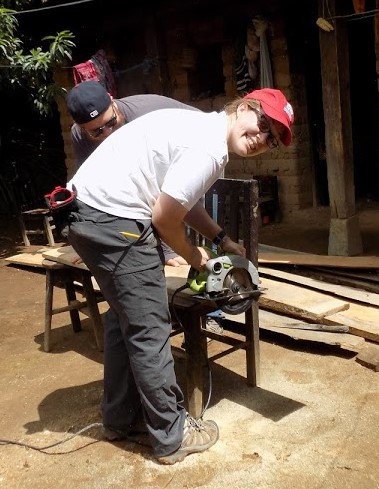
Hello! My name is Jenny Ackerman, and I am excited to be joining the ELCA World Hunger Team as Coordinator for Network Engagement. I was most recently Volunteer and Outreach Manager at Habitat for Humanity of Northern Fox Valley in Elgin, Ill., coordinating a variety of volunteers to participate in construction activities and beyond. My favorite construction activity is anything involving a circular saw!

Though I am a lifelong Lutheran, I also spent a few years at Catholic Charities of the Archdiocese of Chicago working in both the communications and development departments. I have lived in the Chicago area for the majority of my life and studied Organizational Communications at Elmhurst College here in the Chicago Suburbs.

I am looking forward to addressing the issue of hunger with a comprehensive approach. I love working with people who are passionate about making a difference, and I already know I am surrounded by some great thinkers and problem solvers – both on staff and within the network.

When I am not at the office, you might find me reading a book, playing my clarinet in a community band or cheering on the Chicago Cubs. I am always looking for my next travel adventure; there is a lot of the world to see, but Guatemala holds a special place in my heart. I am looking forward to being in partnership with all those working to a world where all are fed.

Juliana Glassco, Manager for Community Engagement and Granting

Hi! I’m Juliana Glassco, and I am thrilled to join the ELCA World Hunger team as Manager for Community Engagement and Granting. I come to the team straight from the ELCA’s Fund for Leaders, which is a scholarship program that supports students attending ELCA seminaries. Fresh off the challenge of transitioning the scholarship application process into a digital format, I’m energized to be involved with some of the exciting initiatives and partnerships that are in the works for ELCA World Hunger’s domestic programming.

My first exposure to the ELCA was as a participant in Lutheran Volunteer Corps, working with the interfaith environmental non-profit Faith in Place here in Chicago. My work there touched on the connections between justice, education and access to healthy food. I then moved back to Washington, DC, (my home turf) to work for the Lutheran Volunteer Corps national office and the Elizabeth Glaser Pediatric AIDS Foundation, where I participated in the work of building healthier communities on an international scale. Bitten by the international bug, I moved to Canada to complete a graduate program in heritage conservation, which culminated in nine months working with UNESCO’s World Heritage Centre in Paris, France.

Living outside of the U.S. highlighted for me how deeply I care about the people and communities in this country, and the issues that we are facing together. I am grateful to be back in my beloved city of Chicago, working with all of you toward a just world where all are fed.

Mae Helen Jackson, Coordinator for Community Engagement and Granting

Hi! I’m Mae Helen Jackson, and I was born and raised and currently reside on the South Side of Chicago, Ill. I have served with ELCA World Hunger as Coordinator for Community Engagement and Granting on the Domestic Hunger Strategy team since November 2017. I have been active in the ELCA throughout my life. My first known experience was an ELCA Youth Gathering in utero. In 2014, I served as a Young Adult in Global Mission in their Southern Africa program with a placement in the KwaZulu Natal region. Today, in my current role with ELCA World Hunger, I am excited for the opportunity to grow professionally in both new and old ways.