Skip to content
ELCA Blogs

ELCA World Hunger

Awareness, Action, Advocacy: The ELCA Strategy on HIV and AIDS


“Isn’t that kind of…over?”

It is a surprisingly common reaction to my telling people what I do.

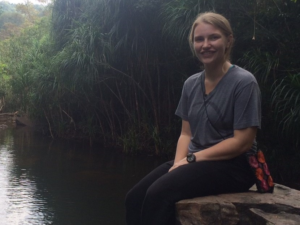
My name is Savanna Sullivan, and I am the Program Associate for the ELCA Strategy on HIV & AIDS. The Strategy on HIV & AIDS is a document the ELCA adopted in 2009 to direct the church’s engagement with communities living with and affected by HIV, and to outline our commitment to addressing HIV in the United States and the world. My work focuses on helping the ELCA live into the key commitments of the Strategy – like our commitment to theological reflection on our response to HIV and our inclusion of people living with HIV, our commitment to education and to effective prevention, treatment, and care of HIV, etc. And so, when I get a variation on that question, “Isn’t HIV over?” or comments like “It’s not as bad as it WAS,” I am frustrated, and then saddened, and then I get angry.

Because HIV isn’t over, but it could be.

What a simple thought, right? The reality is that there are STILL people being infected with HIV every day – 5,763 people every day, actually. That is 240 people an hour who are contracting a life-threatening illness. We know, too, that HIV doesn’t just affect people far away from us, in countries distant from our own. People in our own communities and congregations and fellow Lutherans in our companion churches are living with HIV.

In his letter to the Corinthians, Paul writes, “If one member (of the Body of Christ) suffers, all suffer together” (I Cor. 12:26). Friends, members of Our body are suffering unnecessarily.

Unnecessarily—because HIV is NOT what it was 30 years ago. Now, HIV is preventable.

Did you know there are prophylactic drugs available to reduce the likelihood of HIV infection during high-risk behavior (unprotected sex/drug use) to less than 30%? Or that there are medications that can prevent mother-to-child transmission of HIV to less than 1%? Did you know there are drugs that can reduce an HIV positive individual’s viral load (amount of virus in their blood) to the extent that they are very unlikely to pass it to anyone else? Here are some other basic statistics about the HIV epidemic.

So why do people still get HIV?

The answer is complicated and wrapped up in problems surrounding access to education about HIV, testing availability, and access to prophylactic drugs or to HIV treatment. The answer is chained to systems of oppression that keep this information and access from marginalized populations – from communities of color, low-income communities and the LGBTQ+ community, among others. The answer is entangled with issues like availability of resources and gender inequality in developing countries around the world. So largely, the answer is colored – still – by stigma.

HIV isn’t over, in part, because we are still afraid to talk about it. And that “we” includes us, the Church.

These issues need to be tackled, and that may feel like quite the undertaking for us as the Body of Christ. So where do we start? Well, as I begin my work helping the church to implement the ELCA Strategy on HIV and AIDS, I invite you to start by walking with me. I invite you to start by TALKING with me. It is high time we start conversations in our congregations and homes about HIV if we have not already. I invite you to pray with me for people whose lives have been affected by HIV. I invite you to repent with me for the ways the church has failed to include people living with HIV. Then, I invite you to act.

We in the churchwide office will be working hard to connect you all with resources for theological reflection in the coming months so you can check out ELCA.org/hiv for those resources, but you can also educate yourself about the HIV epidemic in the United States and around the world at CDC.gov/hiv. You can act with ELCA Advocacy to fight for healthcare for people living with HIV. You can start talking.

Because we are the Body of Christ – when one of us suffers from HIV, we all suffer together.

And because HIV and AIDS isn’t over, but it could be.

Here are some other links that you can check out:


Savanna Sullivan is the program associate for the ELCA Strategy on HIV and AIDS. She can be reached at Savanna.Sullivan@ELCA.org.
A Time for Everything: Perspiring in Your Garden

There is a Time for Everything, and a Season for Every Activity Under Heaven. Ecclesiastes 3:1

Pointing Forward:

So let’s consider the 5 P’s of gardening:

Planning

Planting

Perspiring

Picking, and

Putting to bed.

We’ve planned, we’ve planted, and if we haven’t already, now is the time to Perspire!

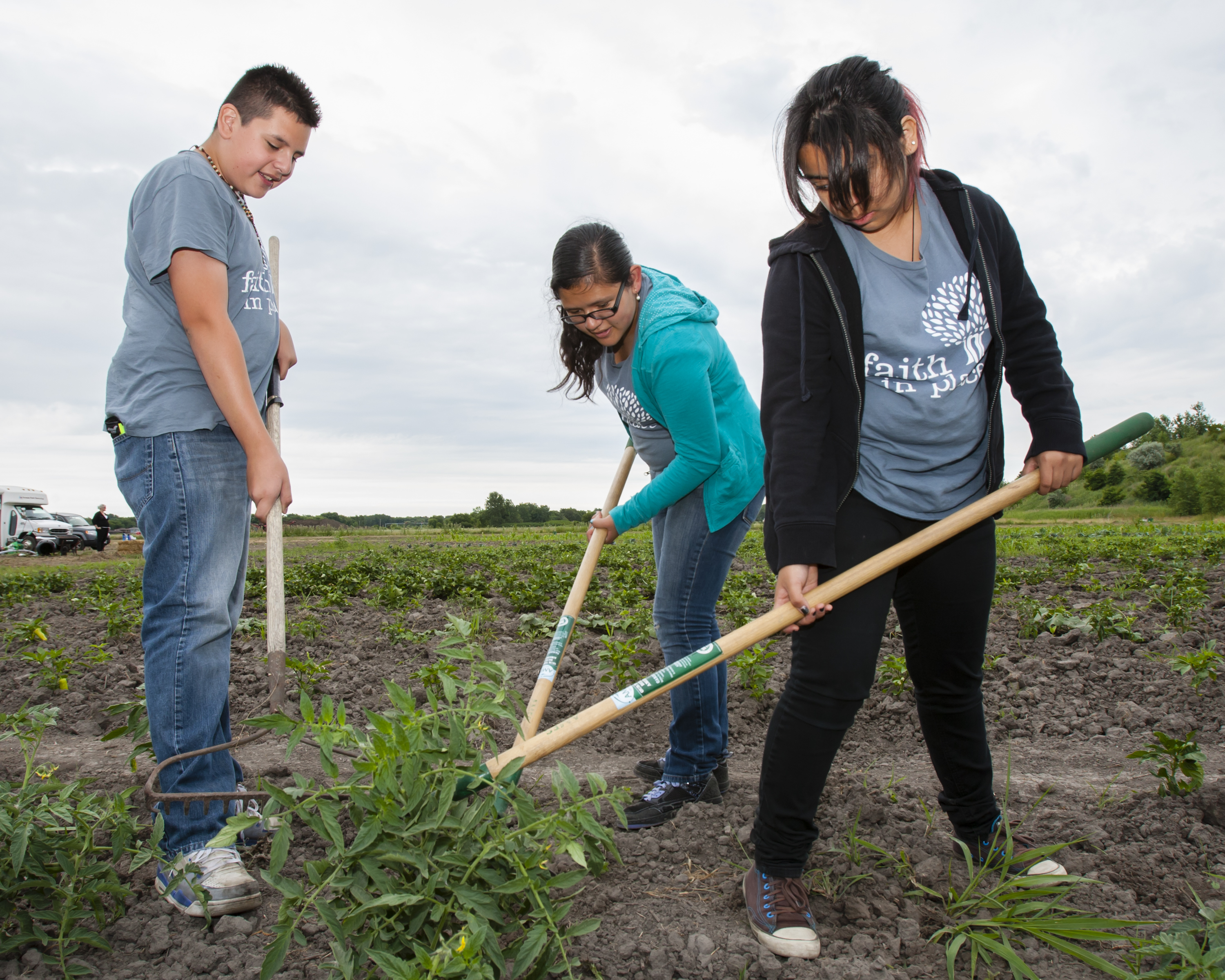
Once you have planted your garden, there are no two ways about it—keeping a garden in good shape is hard work! But gardening can also help keep you in good shape! One way to work through the toil of hoeing and pulling weeds is to think of it as part of your daily workout. Yes, you can count working in the garden as part of your regular exercise routine! In fact, it can be part of a weight loss plan if you are so inclined. It is estimated that most people will use about 230 calories per hour while gardening. Of course, that varies from person to person and depends on how hard you are working. If you’d like to get more specific for your body weight, height and gender, the following website might be helpful: https://www.fitday.com/webfit/burned/calories_burned_Gardening_general.html.

Of course, most of us may not use gardening as a weight loss plan. Another way to approach the work of gardening is to use your time in the garden as a time of meditation. Some may choose to meditate on scripture during their gardening time. One verse you might use as a source of contemplation is Psalm 128:2 which states:

“You will eat the fruit of your labor; blessings and prosperity will be yours” (NIV).

The often sweaty work of maintaining gardens and fields has been part of the spiritual discipline of men and women religious in monasteries and convents for centuries. St. Benedict, for example, believed that they should rejoice in this labor, “for then are they monks in truth, if they live by the work of their hands, as did also our forefathers and the Apostles” (Rule of St. Benedict, #48). Martin Luther was no fan of monasteries, but he, too, believed that tending to fields and gardens was work that was “pleasing to God [and] instituted by God” (Luther, Lectures on Genesis.) For both monastics and Luther, digging, planting, and harvesting provided an opportunity to reflect on God’s good creation—and to participate in it.

If you are planning to donate some of your harvest to the local food bank, you might consider meditating on Acts 20:35: “In everything I did, I showed you that by this kind of hard work we must help the weak, remembering the words the Lord Jesus himself said: ‘It is more blessed to give than to receive” (NIV).

I also think that gardening is part of a commonsense approach to life that gives us all tools to help God help us through the production of our own food supply. So, when I am in that mode, I contemplate Proverbs 12:11: “Those who work their land will have abundant food, but those who chase fantasies have no sense” (NIV). Sort of a bit of humor thrown in at the end of that verse!

What is involved in keeping your garden in good shape?

There are four basic steps in keeping a garden in good shape once it is planted:

  1. Watering;
  2. Fertilizing;
  3. Weed control; and
  4. Pest control.

For watering the general rule of thumb for most gardens is that you need the equivalent of about 1 inch of rain per week. If you are in a dry climate, this amount may be a bit higher. One deep watering that gets to the roots of the plants is more efficient and has a better hydrating effect than does several light waterings. Consider using a soaker hose that you might leave on the garden for an extended time. Some gardeners have developed an automated drip system that can be place in ground to help direct the water to the plant’s root system.

Linking Back

Remember when we discussed composting in the second blog in this series? The second step in keeping your garden in good shape is fertilizing. If you have been composting all Winter and Spring, you may have a great source of fertilizer in your compost bin. You will need to apply compost or fertilizer every 3-4 weeks during the growing season. There are also several very good fertilizers on the market. One that my sister-in-law uses is Happy Frog (http://www.foxfarmfertilizer.com/category/happy-frog.html). It really is an asset with vegetables. We have had good success using this with tomatoes.

Weed control can be taxing. One good way to stay ahead of weeds is by using mulch, such as leaves, bark, or hay. We used an old rug several years to cover big spaces. These mulching methods cover the areas where weeds might grow and make it difficult for weeds to find sunlight to nourish their development.

But we are almost always forced to weed. One good way is to wait until you’ve watered, then pull the weeds by hand when the soil is still moist and the weed is more likely to come out by the root. If you get the entire root, that weed will not be able grow back.

Pest control may be an issue. Hand picking small insect invasions is helpful but does not always solve the problem. Trying biological methods such as ladybugs may help offset some insect infestations, such as aphids. For more ways of dealing with specific pests, the following website may be useful: http://eartheasy.com/grow_nat_pest_cntrl.htm.

For more information about these steps you might want to access the following website: http://www.gardenguides.com/68971-basic-vegetable-gardening.html.

Now let’s consider a recipe using this year’s early harvest. If you planted your potatoes early, by July you may have some small potato tubers ready to harvest. If your peas are doing well, you may have some pea pods ready to pick. One of our family favorites is creamed new potatoes and peas with the early season harvest that was a delicious addition to our Fourth of July celebration meal. You may substitute the milk and cream in the recipe below with vegetable stock and/or a non-dairy milk such as almond milk to provide a vegan option. You may also substitute margarine for butter. To make this a gluten-free option, you can use cornstarch as a thickener instead of flour. Make sure you mix the cornstarch with cold water before stirring the cornstarch mixture into the liquid ingredients.

Until next time, remember,

There is a Time for Everything, and a Season for Every Activity Under Heaven. Ecclesiastes 3:1

Blessings to you!

Creamed Garden Potatoes and Peas

TOTAL TIME: Prep/Total Time: 25 min.

MAKES: 12 servings

Ingredients

  • 2 pounds small red potatoes, quartered
  • 3 cups fresh or frozen peas
  • 1 cup water
  • 2 tablespoons chopped onion
  • 2 tablespoons butter (margarine may be substituted)
  • 3 tablespoons plus 1 teaspoon all-purpose flour
  • 1-1/2 teaspoons salt
  • 1/4 teaspoon pepper
  • 2 cups 2% milk (non-fat milk, vegetable stock, or non-dairy milk may be substituted)
  • 1 cup half-and-half cream (non-fat milk, vegetable stock, or non-dairy milk may be substituted)

Directions

  1. Place potatoes in a large saucepan and cover with water. Bring to a boil. Reduce heat; cover and simmer for 8-12 minutes or until tender. Drain.
  2. Meanwhile, place peas and water in a small saucepan. Bring to a boil. Reduce heat; cover and simmer for 3-5 minutes or until tender. Drain.
  3. In a large saucepan, sauté onion in butter until tender. Stir in the flour, salt and pepper until blended; gradually add milk and cream. Bring to a boil; cook and stir for 2 minutes or until thickened. Stir in potatoes and peas; heat through. Yield: 12 servings.


Nutritional Information (per 2/3 cup serving)

Calories: 156

Fat: 5g (3g saturated fat)

Cholesterol: 18mg

Sodium: 345mg

Carbohydrates: 22g (6g sugars, 3g fiber)

Protein: 6g

Diabetic exchanges: 1½ starch, 1 fat

In this series by guest writer Ethan Bergman, we will consider the 5 P’s of gardening – planning, planting, perspiring, picking, and putting to bed – over the course of the next few months. Ethan is a Master of Divinity student in the Distributive Learning program at Luther Seminary, St. Paul, Minn. Bergman is also the associate dean in the College of Education and Professional Studies and professor of food science and nutrition at Central Washington University, Ellensburg. He was named CWU Distinguished University Professor in 2001-2002 and was named by the Washington State Dietetic Association as Outstanding Registered Dietitian of the Year in 2000. He is a past delegate and past President of the American Dietetic Association as well as speaker of the Academy’s House of Delegates. He has served on the Academy’s Educator’s Task Force on Education Reform in Dietetics Education and on the Evidence-Based Practice Committee. Bergman earned his doctorate from Washington State University.


Photo by Tori Soper, a Chicago Commercial photographer specializing in corporate and editorial photography as well as event coverage for meetings and conventions.

World Refugee Day 2017


At the 2016 ELCA Churchwide Assembly, ELCA World Hunger staff fielded questions and gathered feedback from the folks packing a room in the New Orleans’ Ernest Morial Convention Center. For an hour, we shared updates, heard comments about our resources and programs, and listened to stories of congregations responding to hunger and poverty in communities across the ELCA. At the very end of our time, amidst the ruffling of papers and gathering of bags as people prepared to leave for the next session, an energetic man approached the microphone. In a few short words, he silenced the room with his story.

“I have sat here and listened as everyone has talked,” he began, a thin smile on his face. “Now, I decided, I want to talk.” We sat riveted as he described how the violence of civil war came to his hometown in Sudan and how it claimed the lives of so many of his friends and neighbors. He told us how he chased after his brother, both of them running alongside other young boys, toward a truck that promised safety and an escape from the conflict. The truck bore the letters “LWF,” an acronym he didn’t know at the time stood for Lutheran World Federation. His older brother pushed him on the truck, and he began a years-long journey, first to a refugee camp and then to Michigan, where he settled and started a family.

“L. W. F. Before I even knew what those letters meant,” he said, “they saved my life.”

Today marks the 17th annual World Refugee Day, a day set aside by the United Nations to draw attention to the challenges faced by people around the world who have fled their homes – by choice or compulsion – seeking safety, opportunity, and a place to call home. It is a chance to celebrate the individuals and families who have built new lives in new places, to mourn those who have lost their lives while on the move, and, for Lutherans, to remember our own history as migrants and refugees.

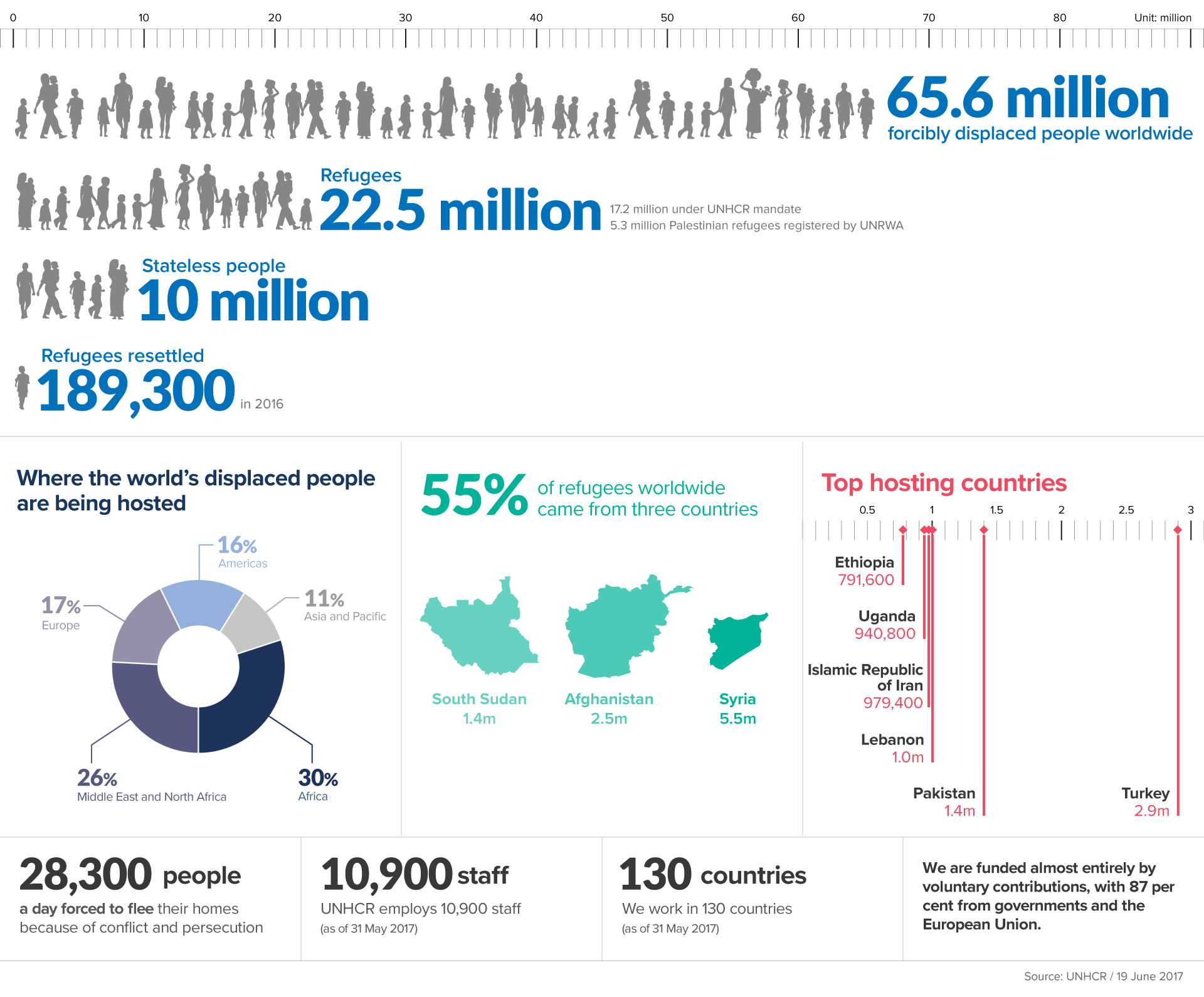
The United Nations High Commission on Refugees (UNHCR) estimates that more than 65 million people are displaced from their homes around the world, with more than 22 million fleeing violence, poverty, and persecution as refugees. This is an almost-unprecedented number of people on the move, and the work of nonprofit organizations, churches and community partners accompanying refugees and migrants has rarely been so important.

Through ELCA World Hunger and Lutheran Disaster Response, our church accompanies our neighbors in their home communities, in transit and temporary shelters, in refugee camps, and in their new homes. The intersection between conflict, migration and food insecurity is complex but undeniable. In a study released earlier this year, the World Food Programme (WFP) found that for every percentage increase in food insecurity, refugee outflows from a country increase by 1.9 percent, demonstrating the significant role food insecurity plays in forcing people from their homes. Moreover, the WFP found that food insecurity also plays a role in increasing the intensity and duration of armed conflict, another significant factor that pushes people to seek safety in other regions and countries.

Working through companions and partners, ELCA World Hunger supports projects aimed at sustainably bolstering food security, making it possible for people to feed themselves and their families in their own hometowns. For those who cannot stay in their homes, the Lutheran World Federation (LWF) administers refugee camps like Kakuma and Dadaab in Kenya. Kakuma, located in northwestern Kenya, was established by the UN in 1992 with a capacity for 125,000 refugees, most of whom were fleeing Sudan. Today, more than 160,000 refugees live in the camp. While it was never intended to be a permanent home, many refugees spend upwards of ten years living in Kakuma, waiting to return to their homes or to resettle in a new place.

Adapting to life in Kakuma is not easy, but many residents, with the support of LWF programs, find ways to use their talents and skills while in the camp. Programs that focus on education and improved livelihoods, supported in part by ELCA World Hunger, address some of the critical barriers residents face. One key opportunity for economic empowerment for residents is through village savings and loan programs (VSLAs). In a VSLA, community members pool their savings and provide small loans to individuals to start or grow a business. Once the business turns a profit, the money is repaid and loaned out to another VSLA member. This gives folks in Kakuma the resources they need to support themselves and their families. Moreover, much of the work administered by LWF, including efforts toward education, economic empowerment, and human rights, is done with the participation of both refugees in the camp and members of the local host community, many of whom face their own challenges related to poverty and hunger.

KTN News in Kenya recently featured a story of a thriving bakery that started through a loan from a VSLA:


Programs like this are important ways our church accompanies our neighbors as they build lives for themselves far from home. As the number of displaced people around the world increases, accompaniment of internally displaced persons, refugees, migrants, and asylum seekers continues to meet a critical need.

At the churchwide assembly, we were reminded of that need and the role that the ELCA and our companions can play in a world facing a refugee crisis. But we were also reminded of how much our communities stand to gain from the gifts refugees and migrants have to offer. The former “lost boy of Sudan” who didn’t know what “LWF” meant when he first saw the letters is now in the TEEM program of the ELCA, developing his skills of leadership to offer his talents within the church he now calls his own.

Welcome New Additions to the ELCA World Hunger Team!

kkjhjhgjkghjkghjhg
kkjhjhgjkghjkghjhg
The ELCA welcomes our new additions-Haley Toresdahl, Caitlin Sellnow, and Phillip LaDeur to the ELCA World Hunger staff!
Learn more about them and their passions here!
kkjhjhgjkghjkghjhg

Haley Toresdahl
Hello! My name is Haley Toresdahl. I am originally from West Des Moines, IA and called Windsor Heights Lutheran Church my home congregation before moving to Chicago. I am a graduate of Roanoke College in Salem, VA where I studied Political Science. I then had internship experience with the U.S. Department of Agriculture Faith-Based and Neighborhood Partnerships Office and Feed the Children public policy office in Washington, D.C. as well as local community engagement that shaped my studies and understanding of domestic hunger and poverty.

I have had the incredible opportunity to serve as a Young Adult in Global Mission in the inaugural Cambodia country program following college. I also lived and served with Life With Dignity, a Cambodian organization focused on integrated rural development supported by gifts to ELCA World Hunger, and additionally taught English in the community. I am very excited to share these stories and experiences in my work with ELCA World Hunger and I’m grateful to be part of the ways ELCA World Hunger is working toward a world where all are fed.

kkjhjhgjkghjkghjhg

Caitlin Sellnow
Hi! My name is Caitlin Sellnow, and I joined the World Hunger team about a month ago as a Development Assistant. I’ll be helping mostly with congregational support. Before I joined the ELCA churchwide staff, I worked at the front desk of the Department of Molecular Biosciences at Northwestern University. (I learned a little bit about Molecular Biosciences there, but a lot more about making coffee for Molecular Bioscientists.) I am also still a student at Northwestern, working on a degree in creative nonfiction writing.

Before I moved to Chicago, I was a member of the Lutheran Volunteer Corps in Baltimore, where I worked as a Community Builder in a neighborhood called Remington. I helped with a lot of community dinners, homework clubs, vegetable giveaways and health fairs. I also tried to help low-income neighborhood residents access government resources, from housing grants to state IDs.

I don’t know how important my presence was to Remington, but I know that Remington was important to me. My work there connected me with people far outside of the Minnesota bubble where I grew up. That exposure made me uncomfortable at first, but it became crucial to the way I understand God and live out my own faith. Now, I’m excited to be part of a team that helps to connect other people in Lutheran Congregations with the wider world.

Outside of work and school, I spend time singing in choir, trying to de-stress my neurotic foster cat, and undertaking elaborate baking projects that never turn out quite like the pictures on Pinterest, but are delicious anyway. I am so honored to walk this road with all of you!

kkjhjhgjkghjkghjhg

Phillip LaDeur

Hello! I’m Phillip LaDeur and I am the new Program Assistant for World Hunger Education.  I am incredibly excited to be in this role and hope I can use my background in education to continue and grow the tremendous work my team has been engaged in.  Prior to this position, I was a special education teacher for a school district in Carol Stream.  Education has always been one of my greatest passions.  As an educator, I believe that education is a lifelong, intrinsic process that is chosen and driven by the learner.  I have been a public school teacher for the past three years, but have been involved in recreational and academic program development for the past seven years total.

In addition to my teaching career, I have been blessed to have a very involved volunteer life at Saint Andrew Lutheran Church in West Chicago.  I have been the volunteer youth pastor and have helped lead music worship there for the past four years and continue to enjoy spending as much time as I can in helping our congregation grow together.  Saint Andrew is involved in an amazing mission in trying to bring two communities together as one congregation. If you are ever interested in seeing a bilingual service in action, or are just in the area, let me know!

I love to share music and have been a part of the ELCA Glocal Musicians for the past two years.  I am currently trying to teach myself the banjo and ukulele with very little consistency and enjoy spending time with my fiancé in our home in Aurora. She is not so crazy about me not having summers off anymore, but despite that adjustment, I truly could not be more excited about having the opportunity to play a small role in this inspiring mission.