Skip to content
ELCA Blogs

ELCA World Hunger

World Malaria Day 2017: Updates from the Field


As we celebrate World Malaria Day, I cannot forget the words of Ryunosuke Satoro who said, “Individually we are one drop. Together we are an ocean” Together we can end malaria for good.

-Yeukai Muzezewa (Evangelical Lutheran Church in Zimbabwe, Malaria Project coordinator)


From 2011 to 2015, the ELCA Malaria Campaign raised both awareness about malaria and gifts to support companion churches and partners in fourteen countries to combat this disease. These gifts continue to support projects in countries faced with the daunting challenges posed by malaria. This World Malaria Day, we celebrate this important work that continues through the ELCA’s companion churches. We especially give thanks for Shoni Ngobeni, the Malaria Coordinator for the Lutheran Communion in Southern Africa (LUCSA), who compiled this post from reports from LUCSA member churches.


Since 2011, the ELCA has been accompanying six member churches of the Lutheran Communion in Southern Africa (LUCSA) as they respond to malaria in Angola, Malawi, Mozambique, Namibia, Zambia, and Zimbabwe. Since 2011, there has been a remarkable decline in morbidity and mortality related to malaria, particularly in these six countries.

The churches of LUCSA have played a role in that decline, and the work supported by the ELCA Malaria Campaign continues.

Yet, malaria continues to affect household livelihoods and education, especially because working adults and schoolchildren affected by malaria are often absent from work or school. In Malawi, malaria is still one of the major causes of morbidity and mortality, especially in children under five years of age, pregnant women and people living with HIV. There are approximately six million suspected cases treated annually, and malaria is responsible for 40% of all the hospitalizations of children under five years old and 34% of all outpatient visits across all ages.

Much work remains, but the success of LUCSA’s malaria programs so far is encouraging.

Strategies employed to achieve the success thus far include:

  • Institutional Capacity Building
  • Malaria Prevention and Control
  • Malaria Case Management
  • Sustainable Livelihood

The committed staff at the LUCSA secretariat office and of the member churches worked hard to build the capacity of the churches, congregations and surrounding communities through basic malaria awareness and education. This has enabled participants to take charge of their own health by preventing themselves from contracting malaria. The gap in knowledge was addressed, myths about malaria were dispelled, attitudes and behavior were remarkably changed, and participants laid the foundation for sustainable livelihoods to protect against future risk. Below are reflections and updates from two LUCSA member churches – the Evangelical Lutheran Church in Zimbabwe (ELCZ) and the Evangelical Lutheran Church in Malawi (ELCM).
 

Yeukai Muzezewa, ELCZ Malaria Program Coordinator:
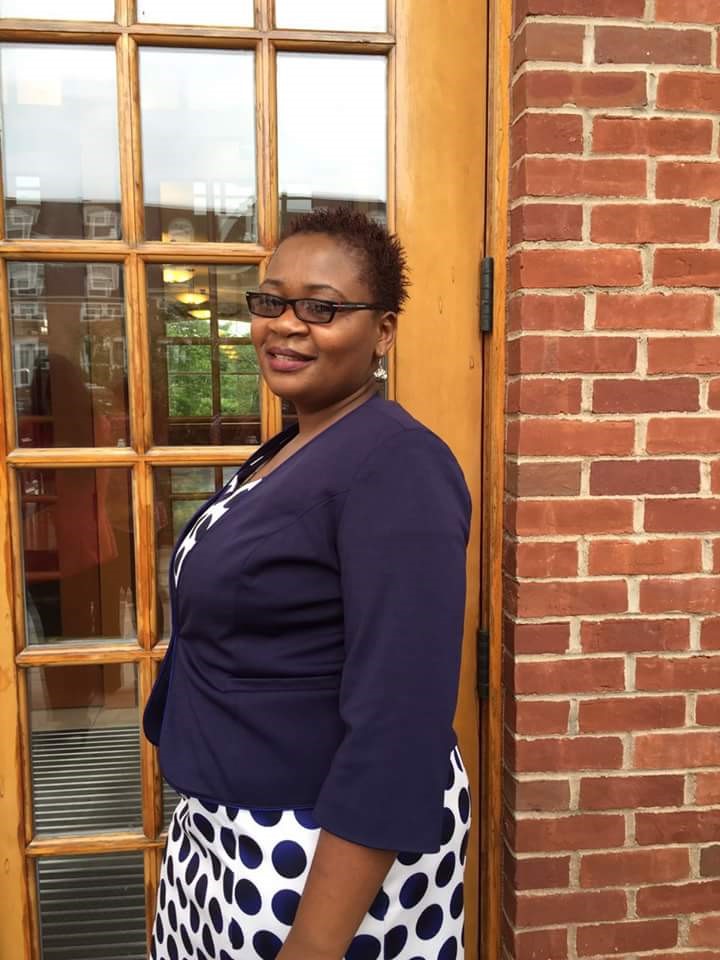
 

The ELCZ cannot fold its hands and retreat from fighting malaria; I also cannot do that, when outbreaks are reported every rainy season, when children under five years are still suffering bouts of convulsions, when communities are not able to plow their fields because of sickness due to malaria. It is not over until we completely eradicate malaria. The ELCZ malaria project has declared war against the malaria-causing mosquito, and our weapons are mosquito nets, awareness-raising, indoor residual spraying and early treatment options.

For a number of years now, the project has been working with more than 45,000 households in two dioceses. The project has been divided into four strategic pillars: institutional capacity building, malaria prevention and control, treatment, and sustainable livelihoods.

The first strategic pillar is based on the realization that communities are able to solve their own problems. It, therefore, aims at working with church and community structures to build their capacity to prevent and control malaria as well as reduce its effects. The project works with schools, churches, community volunteers, community leaders, health facilities and other community organizations.
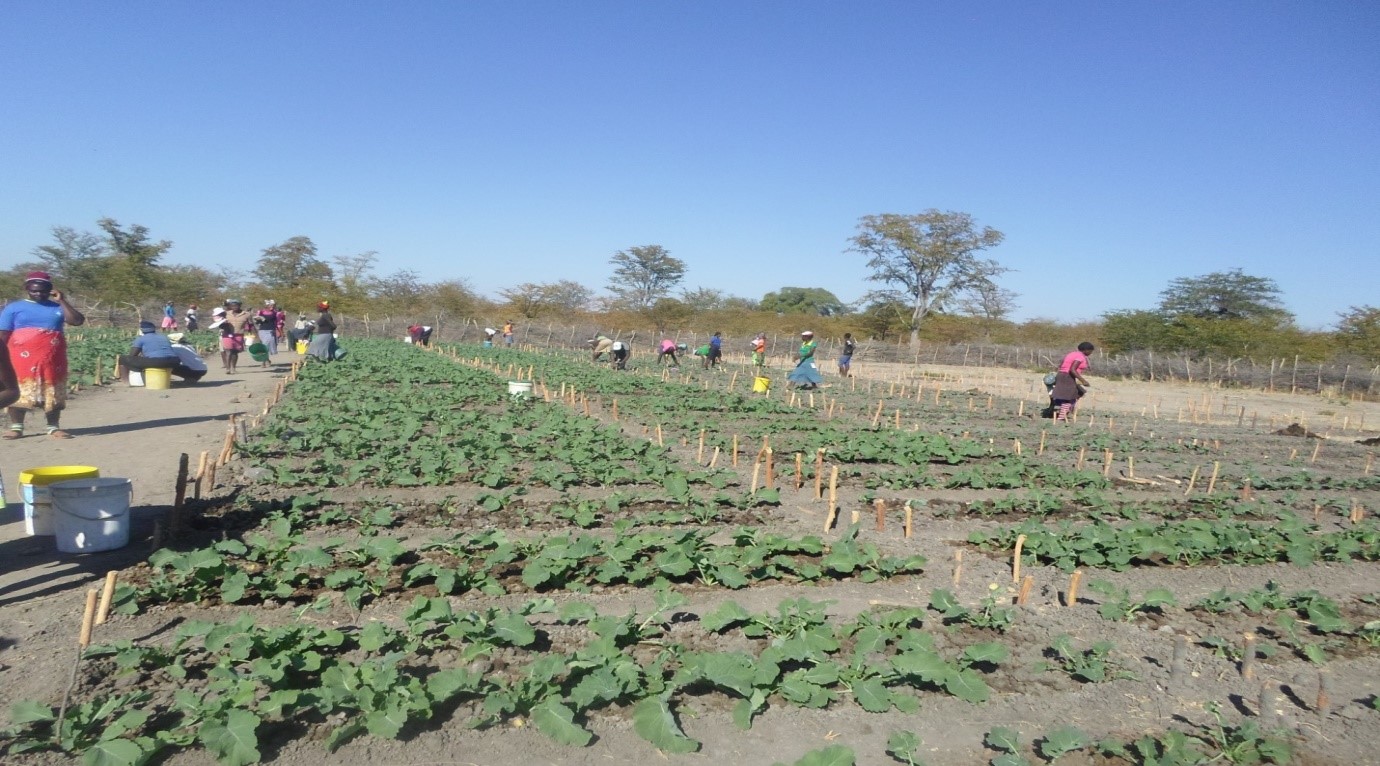
A vegetable garden initiated by Burure community to improve food security and household income.
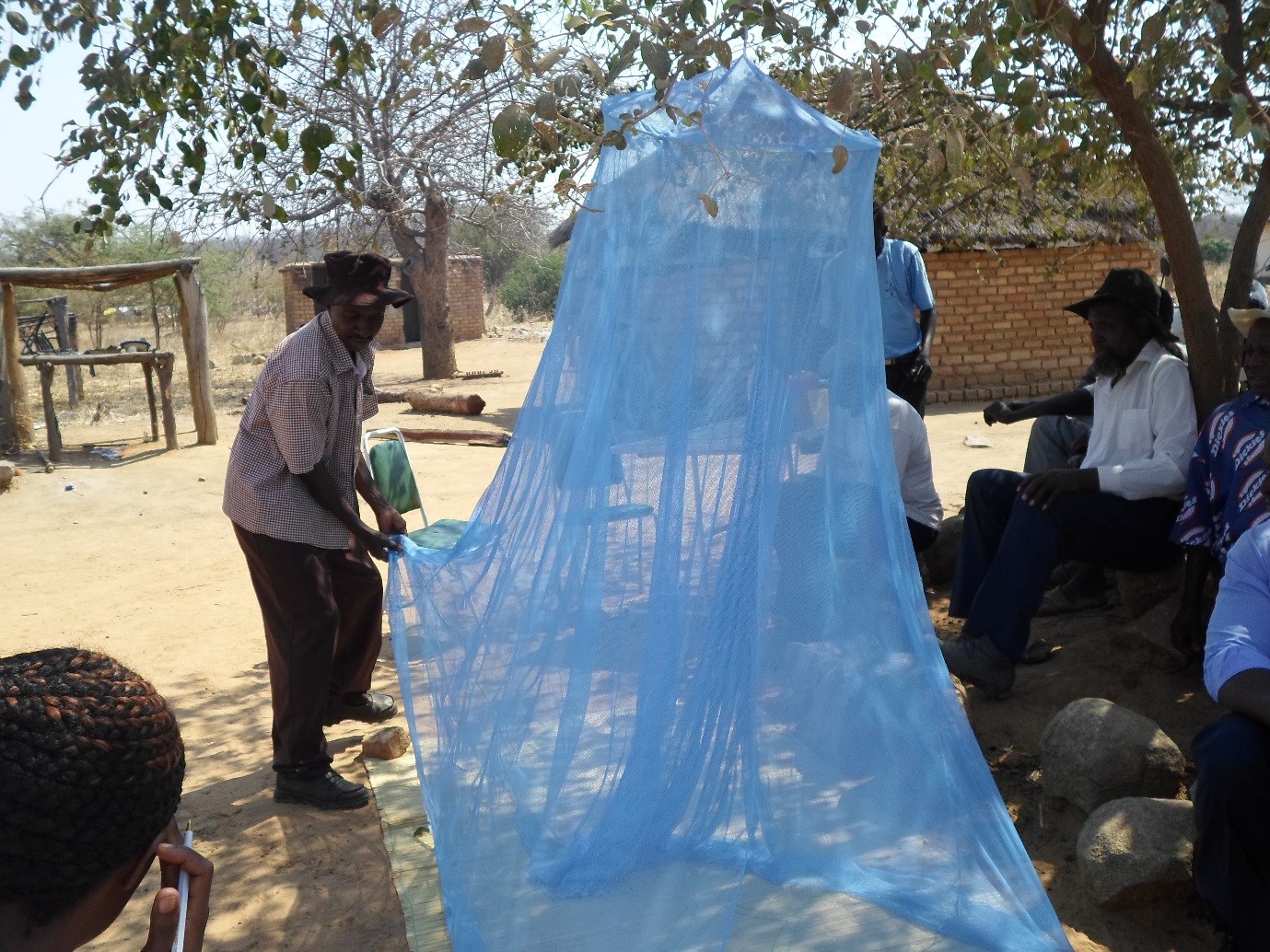
 

A Village Health Worker demonstrating how to hang a net on a reed mat.
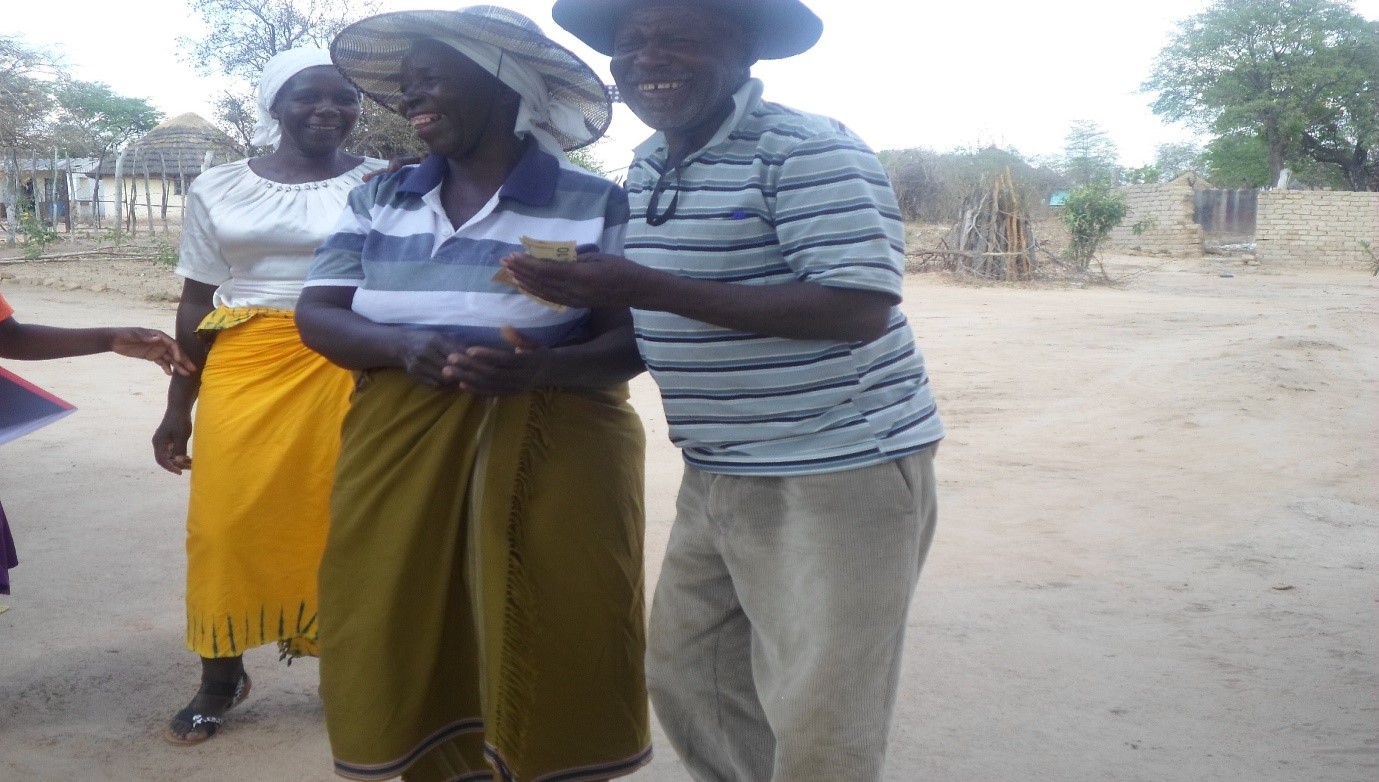
 

Mr and Mrs Tazviona from Gokwe joyfully receiving their share amount from their saving group.


Judith Jere, ELCM Malaria Coordinator:

With support from the ELCA, the ELCM Malaria Program contributed to the reduction of morbidity and mortality due to malaria, particularly among pregnant women and children under five years old, as well as among particularly vulnerable population groups. Congregations and surrounding communities are empowered to reduce the risk and vulnerability to malaria infection and to alleviate the impact of the disease on the affected households, with a strong focus on children under five years, pregnant women and disadvantaged people from the hard-to-reach areas, based on the four strategic pillars (see above.)
Major achievements from the program include:
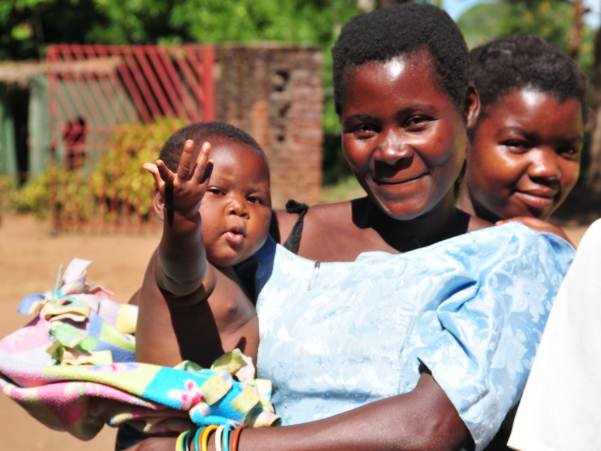
  • Behavior change: Many achievements have been recorded from the community in terms of increased knowledge, changes in behavior, and an awareness of the myths and misconceptions about the diseases.
  • Net distribution: Use of nets for children has increased from 55.1% in 2011 to 88% in 2015, and from 33% in 2011 to 84% in 2014 for the general population.
  • Treatment support: The proportion of pregnant women who received two or more doses of intermittent preventive treatment has increased from 41% in 2011 to 73% in 2014, indicating that more pregnant women are protected from malaria during pregnancy.
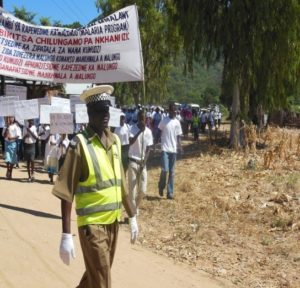
  • Advocacy: When the program started, the government had not yet rolled out Rapid Diagnostic Tests (MRDTs) in the village clinics because Health Surveillance Assistants (HSAs), who are in charge of these clinics, had not yet been trained. Following a solidarity walk by the ELCM to advocate for training and use of MRDTs, it is pleasing to note that more than 80% of the HSAs are now able to diagnose malaria using the MRDT and are no longer treating malaria patients based solely on clinical symptoms. This was a great experience of effective advocacy creating meaningful change!


The introduction of the fourth strategy, the sustainable livelihood pillar of the malaria program, has brought a remarkable change to the income status and livelihood of the Lutheran congregants and surrounding communities. It improved the capacity of people in poverty to earn and save income.
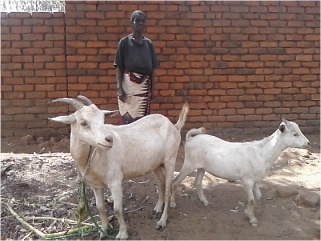
 

Christina M’bwana, a participant in the Mwaiwathu Village Savings and Loan Association (Malawi), stands with her goats. “I am very happy that through my membership in the savings group, my family has attained our long-term goal,” she says. “These goats will help my family in very critical situations, such as hunger, illness and school fees for children.”


Conclusion: Shoni Ngobeni LUCSA Malaria Coordinator:

Looking back at where the journey started, LUCSA and the member churches really appreciate the financial support and the technical support offered by our faithful and committed partners at the ELCA. We would really appreciate more support in the form of funds and accompaniment as we harness the lessons learned and build our capacity to raise funds locally to continue with the journey towards the elimination of malaria. The Communion Office of LUCSA continues to facilitate the member churches to further invest in the strengthening of community support structures and organizations as part of the transition from the campaign phase.


ELCA World Hunger thanks Judith, Yeukai, and Shoni for sharing their hard work with us for this blog post. Photos are courtesy of ELCZ (credit: M. Ndlovu) and ELCM.
 

World Health Day – Hunger and Health


World Health Day, sponsored by the World Health Organization, is an opportunity to raise awareness of global health issues. It is celebrated every April 7. This year, we are pleased to have a guest post from Katy Ajer. Katy program director of health and sustainable development for the ELCA’s Global Mission unit.


“Why should health be a priority within ELCA World Hunger programs?”

This was a question raised during the interview process for the position I currently hold as Program Director of Health and Sustainable Development within ELCA Global Mission. However, as we celebrate World Health Day – acknowledging all the efforts that are made throughout the world to improve the health of individuals and communities and the work that still needs to be done – I think the more important question is HOW are we a church called to respond to health inequalities in the United States and around the world.

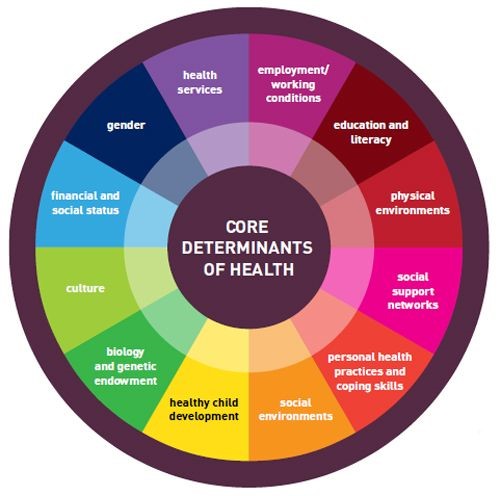
We are called as a church to respond to health inequalities because those health inequalities are frequently not the result of biological chance but the result of other systemic injustices and power dynamics. We know that health is not in a silo but is deeply interconnected with hunger and poverty. The graphic below provides a visual of all the aspects of our lives that affect our health.

We know that health injustice is in direct relation to economic justice. We know that those who are poorest are least likely to be able to access health services, medicine, or even the clean water and nutritional food that would help prevent some of the diseases. We know that they oftentimes have a cyclical relationship – once sick, people miss work, resulting in less money for the necessary treatment and continued worsening health.

All of which brings us back to the question above: HOW are we as a church called to respond to health inequalities in the United States and around the world. When looking at the graphic to the right and all the areas that influence our health, it can often be overwhelming to decide where and how to start implementing efforts to improve health. In my short time at the ELCA, I’ve had the pleasure of learning how many of our companions around the world, with support from ELCA World Hunger, work to alleviate the short-term suffering of individuals while taking multi-pronged approaches to improve the long-term health of the communities. Below are some examples of this important work.

Educación Popular en Salud (EPES)

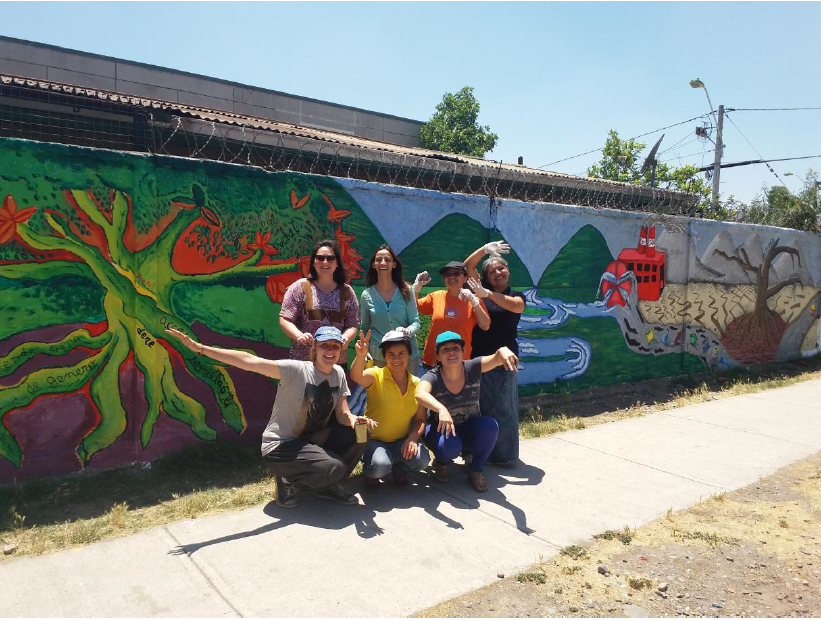
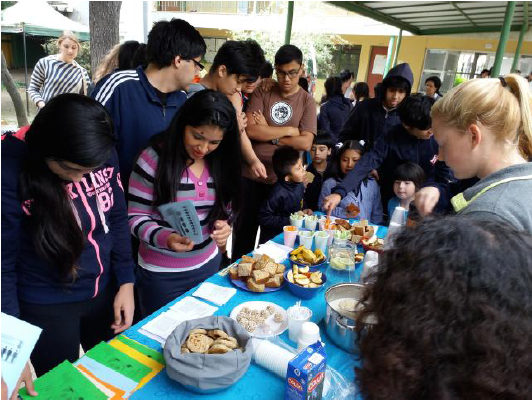
EPES in Chile provides nutritional courses with a twist through its Promotion of Nutrition project. It looks at the issue with a focus on rights and with attention to gender, in addition to nutrition value. What this means in practice is that in addition to education about nutritional foods and recipes, they examine the food production chain and how that can affect the nutrition of the food and the health of the surrounding environment, which in turn affects the health of the people. The participants then decide on actions to take to share this information and encourage healthy food choices and changes in food production or availability so that all may have access to nutritious food. Most recently, they have created a cookbook filled with nutritious recipes as well as a mural on a street advocating for decreased production pollution that can impact the ability to cultivate crops and the quality of the food.

Artists with EPES celebrate in front of the completed mural

Lutheran Communion in Southern Africa (LUCSA)

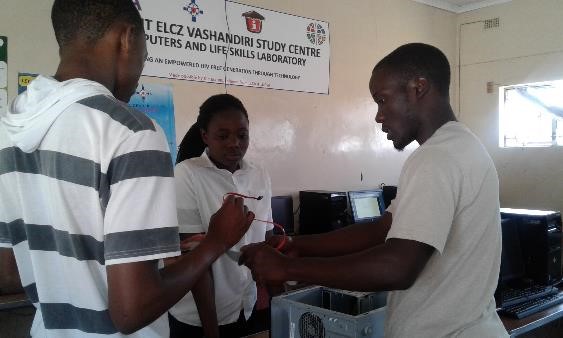
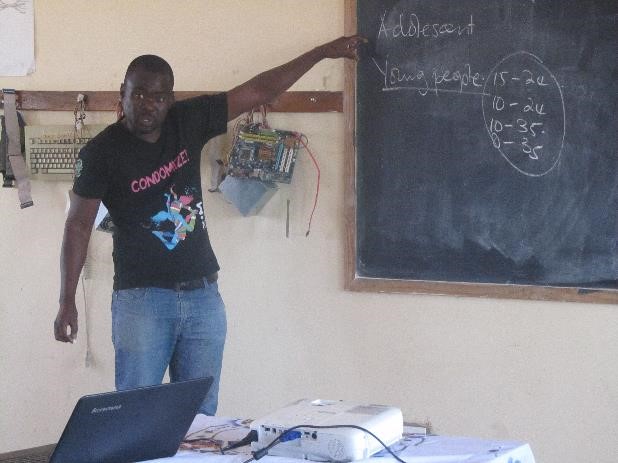
LUCSA InfoHuts projects in Namibia, Zimbabwe, and Malawi work to contribute to a generation free of HIV and AIDS by combining life skills and sexual and reproductive health education with computer use training. At first it may seem like an odd mixture of topics for a project; however, as with many of the projects that combine health education with livelihood training, students leave more knowledgeable about how to prevent and/or treat HIV and AIDS and have a new employable skill that allows them to earn money for nutritious food, medications and other needs to maintain good health or treat any future health concerns early on. By addressing both health and poverty, the impact is often greater and more transformative.


Students learn computer maintenance at the Vashandiri InfoHut Zimbabwe

A life skills facilitator teaches students in Zimbabwe.

Lutheran Health Care Bangladesh (LHCB)

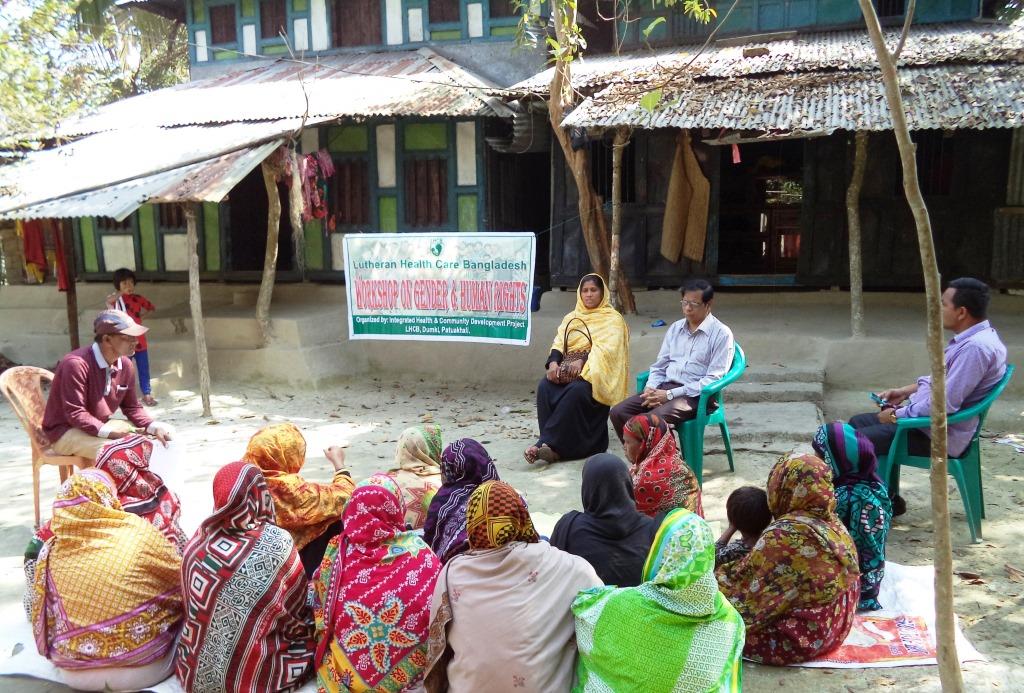
LHCB provides quality clinic care as a hospital and mobile clinic but also operates activities focusing on other aspects that impact the health of their patients and community. They provide livelihood training in agriculture development, vegetable gardening, poultry and livestock, and tree planting. They organize the installation of safer stoves that are less harmful for the lungs of the women who cook over them. LHCB also works on raising awareness and mobilizing their community through workshops on gender and human rights, advocacy meetings, and community dialogues. Recently, they arranged a space in the hospital for breastfeeding to encourage the practice while providing mothers with privacy should they desire.

How are we as a church called to respond to health inequalities in the United States and around the world this World Health Day?

I had been in this position for little over a month when we recognized World HIV Day here. One of the most impactful parts of the day was a reflection read aloud by Kim Serry, who attended the US Conference on AIDS in 2016 with a delegation from the ELCA. Throughout the reflection, she came back time and again to the proclamation of African theologians, “The Body of Christ has AIDS.” She also paraphrased Melissa Harris Perry who made a similar claim:

“Our collective HIV status matters. It is not to say that our individual status does not matter, it certainly does. It means that our communal life suffers when individuals in our community suffer. It means that our communities are gravely sick when power and privilege determine who is shielded from harm and who will suffer it… and a pharmaceutical will not fix that.”

An aspect that is present within each of these projects that positively impacts health (although we often don’t think about it in these terms) is the sense of community that arises. These and many other ELCA World Hunger-supported projects work with groups over time, and these groups become social support systems that can help participants maintain good health physically, emotional, and spiritually. This support can arise through sharing knowledge between neighbors, helping one another recognize health symptoms that may not be noticed otherwise, lending money through Village Savings and Loan Groups for medication or transportation to a hospital, and, importantly, listening to one another and praying together during difficult times.

We are part of that Body of Christ. While some of us receive the burden of poor health unfairly, we all suffer. We are part of the social support system that is so important in creating equality that all may have the best health possible – that there is justice in who has access to health care and medication, to clean water and nutritious foods, to environments free from violence, and to opportunities to learn.

So, this World Health Day I give thanks to our partners, companions, and missionaries around the world and in the United States, striving to alleviate short-term pains and illnesses and to address root causes of health inequalities to ensure that all can live a healthy and joyful life. Thank you for your work and thank you for teaching us how to address health injustices with a Christian heart.

Photos above are courtesy of: EPES (Chile), Evangelical Lutheran Church in Zimbabwe, and Lutheran Health Care Bangladesh.


A Time for Everything: Planning Your Garden


In this new series by guest writer Ethan Bergman, we will consider the 5 P’s of gardening – planning, planting, perspiring, picking, and putting to bed – over the course of the next few months. Ethan is a Master of Divinity student in the Distributive Learning program at Luther Seminary, St. Paul, Minn. Bergman is also the associate dean in the College of Education and Professional Studies and professor of food science and nutrition at Central Washington University, Ellensburg. He was named CWU Distinguished University Professor in 2001-2002 and was named by the Washington State Dietetic Association as Outstanding Registered Dietitian of the Year in 2000. He is a past delegate and past President of the American Dietetic Association as well as speaker of the Academy’s House of Delegates. He has served on the Academy’s Educator’s Task Force on Education Reform in Dietetics Education and on the Evidence-Based Practice Committee. Bergman earned his doctorate from Washington State University.

Pointing Forward

I’ve always loved Ecclesiastes 3. Maybe that is because I am a big Simon and Garfunkel fan. Or, maybe I am a Simon and Garfunkel fan because I love Ecclesiastes 3. In any case, by quoting Ecclesiastes 3 in their cover of the Pete Seeger song “Turn, Turn, Turn,” Simon and Garfunkel point out that there is a time for everything. That includes planting and harvesting. Seeds are planted, and the fruits of those seeds are harvested. But there is a lot of time leading up to that planting; and there is a lot of time between planting and harvesting. And there is time after the harvest.

So let’s consider the 5 P’s of gardening:

Planning

Planting

Perspiring

Picking, and

Putting to bed

So what time is it now? It is time to plan your garden!

Independent seeds professional Ed Merrell has offered his seasonal tips for gardening on the ELCA World Hunger blog for Fall and Spring.  Building on Ed’s work, here are some more questions to help guide your gardening.

Why do I want to grow a garden?

It takes a lot of time. You hear people say, if you factored in the time it takes, it is much cheaper to buy produce in the store. But then you hear others say, it is so great to get your hands in the dirt and help make things grow. From a spiritual perspective, it is wonderful to participate in growing food that helps meet the needs of those around us.  It is always awe-inspiring for me to participate in the miraculous rhythm of plant and garden growth.

What is the growing season in my area?

The Old Farmer’s Almanac has a wonderful website that provides you with specific information for your growing season that is precise and detailed.

When should I start seeds inside or plant outside?

Check out what I discovered about planting dates for Ellensburg, Washington. If you don’t live in Ellensburg, not to worry. It specializes the information for your local climate.  Here’s the link: http://www.almanac.com/gardening/planting-dates/WA/Ellensburg. This site provides exact information about when I should plant different produce. For example, if I wanted to plant Swiss chard in Ellensburg, Washington (and who doesn’t want to plant Swiss Chard!), I could get it started inside in mid-April, plant it outside the first of May, and harvest it throughout the winter.

What grows well in my area/climate?

Every climate has limits related to what grows well. I live in a dry climate in central Washington state. I have apple, cherry, pear, and prune trees in my yard. The neighbors would laugh if I planted an orange tree. It gets too cold in the winter. See the site above for more detailed information.

How much space do I have?

When you consider early, indoor starts, you will need to determine how much indoor space you might want to dedicate to indoor planting, germination, and early growth.  Also, keep in mind how much space you have outdoors and how you can best use that space. You may want to think of crops that work well together, as well as what crops may be planted multiple times during the growing season.

What am I growing for my own use and what will I plan to donate to a local food bank or pantry?

Call your local food bank to determine what produce they distribute well to their customers before you plan and plant your garden. That way, you can set aside enough space for the well-distributed produce that you plan to donate. If your church has a food pantry, ask some of the participants in that ministry what fresh produce they would like to see on the shelves.

Linking Back

Now let’s link back to what we produced from last year. As Ecclesiastes 3 and Simon and Garfunkel remind us, there is a time to harvest. If we had a good harvest of potatoes and onions from last season, how might we use that in our meal preparations today? We could store our potatoes and onions in a cool dark closet throughout the winter.

If you are looking for a recipe, here is an idea from the publication, Cooking Light: Mashed Potato Soup!  It is healthy and nourishing, tastes great and is quick to make. It takes about 30 minutes to produce from beginning to end. You can also specialize it with toppings, such as green onions or grated cheese. Hold the bacon and substitute vegetable stock for chicken stock for lacto-ovo vegetarians, and substitute pureed silken tofu for the yogurt for those who follow a vegan diet. See the full recipe below.

If you grew garlic and thyme in your garden, you could also use those in this recipe. We grow our herbs in pots on our patio. We also arrange them in a fashion that reminds us of another Simon and Garfunkel song, “Scarborough Fair” – “parsley, sage, rosemary, and thyme!”

Until next time, remember,

There is a Time for Everything, and a Season for Every Activity Under Heaven. Ecclesiastes 3:1

Mashed Potato Soup Recipe

Ingredients

Cooking spray

3/4 cup chopped onion

3 garlic cloves, minced

1 thyme sprig

1 (25-ounce) package unsalted chicken stock

1/4 teaspoon freshly ground black pepper

1 (24-ounce) package refrigerated mashed potatoes

1/4 cup plain 2% reduced-fat Greek yogurt

2 tablespoons chopped fresh dill

1/3 cup sliced green onion tops

1.5 ounces sharp cheddar cheese, shredded (about 1/3 cup)

3 bacon slices, cooked and crumbled

Preparation

  1. Heat a Dutch oven over medium heat. Coat pan with cooking spray. Add onion; cook 8 minutes or until tender, stirring frequently. Add garlic and thyme; cook 2 minutes, stirring frequently. Add stock; simmer 20 minutes. Remove and discard thyme sprig. Place half of stock mixture in a blender. Remove center piece of blender lid (to allow steam to escape); secure blender lid on blender. Place a clean towel over opening in blender lid (to avoid splatters). Blend until smooth. Pour into a large bowl. Repeat procedure with remaining stock mixture.
  2. Return stock mixture to pan; add pepper and potatoes, stirring with a whisk until combined. Bring to a simmer; cook 5 minutes. Remove from heat; stir in yogurt and dill. Ladle into serving bowls; top with green onions, cheese, and crumbled bacon.

Yield: 

Serves 6 (serving size: 1 cup soup, about 1 tablespoon cheese, 1 1/2 teaspoons bacon, and about 2 1/2 teaspoons green onions)

Total time: 30 Minutes

Nutritional Information (per serving)

Calories 200

Fat 9.7 g

Saturated fat 5.8 g

Monounsaturated fat 1.4 g

Polyunsaturated fat 0.3 g

Protein 10 g

Carbohydrate 19 g

Fiber 2 g

Cholesterol 31 mg

Iron 1 mg

Sodium 588 mg

Calcium 117 mg