
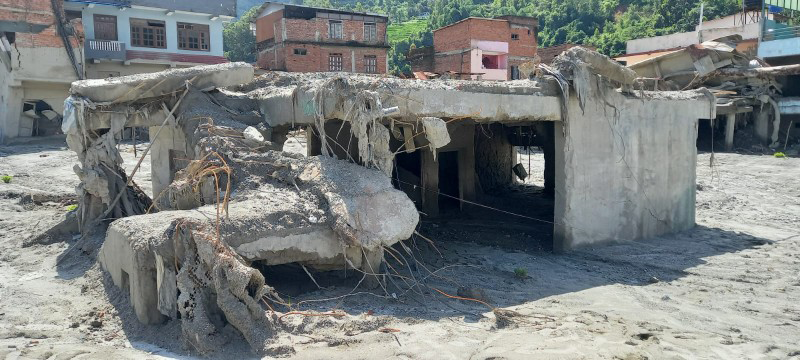
August through October 2026 brought a convergence of humanitarian emergencies unlike any seen in recent years. From devastating floods and earthquakes to protracted conflicts and mass displacement, communities across Asia, Africa, the Middle East, Europe and the Caribbean faced mounting challenges as humanitarian needs continued to outpace available resources.
Humanitarian organizations entered the final months of 2026 facing a difficult reality. Extreme weather events fueled by climate change are becoming more frequent and severe, while ongoing armed conflicts continue to displace families, disrupt livelihoods and restrict access to lifesaving assistance. At the same time, funding shortfalls and rising operational costs are limiting the ability of aid agencies to respond effectively to growing needs.
Climate Disasters Leave Millions in Need
Several major climate-related disasters struck during these months.
In Myanmar, severe monsoon flooding affected approximately 600,000 people after weeks of intense rainfall, river overflows and dam releases inundated large areas of the country. Communities already facing instability and displacement were especially vulnerable as homes, infrastructure and livelihoods were damaged.
Along the Nepal-China border, a catastrophic glacier and bedrock collapse triggered a massive flash flood that swept away communities, roads, bridges and hydropower infrastructure. The disaster highlighted the growing humanitarian risks associated with glacial melt and climate-driven instability in the Himalayas.
In Indonesia, a powerful 7.7 magnitude earthquake struck near Flores in August, killing about 100 people, damaging more than 73,000 homes and forcing approximately 180,000 people to evacuate. Survivors faced urgent needs for shelter, healthcare, food, water and psychosocial support.
Meanwhile, severe flooding affected millions across the Philippines, where enhanced monsoon rains and multiple tropical cyclones impacted more than 8 million people. Entire communities were inundated, forcing thousands into evacuation centers and causing significant damage to homes and infrastructure.
Elsewhere, heavy seasonal rains brought widespread flooding and landslides in Guatemala, while prolonged drought conditions deepened food insecurity across Central America’s Dry Corridor, affecting tens of thousands of farming households already struggling with crop losses and rising costs.
Conflict Continues to Drive Humanitarian Needs
While climate-related disasters captured headlines, armed conflicts continued to create immense suffering.
In Ukraine, attacks on civilian areas and critical infrastructure resulted in hundreds of civilian deaths and thousands of injuries during August and September. Humanitarian priorities included shelter repairs, winterization efforts, healthcare, food assistance and support for displaced families as winter approached.
The humanitarian situation in Gaza remained extremely precarious. Continued violence, displacement and restrictions on humanitarian operations left nearly one million displaced people living in areas vulnerable to flooding as the rainy season approached. Humanitarian agencies warned of significant gaps in shelter assistance and basic services.
In Sudan, conflict between the Sudanese Armed Forces and the Rapid Support Forces continued to fuel one of the world’s largest humanitarian crises. Fighting, displacement, food shortages and restricted humanitarian access have heightened famine risks in several regions, while drought conditions further compounded the emergency.
The Democratic Republic of the Congo also experienced escalating insecurity. Fighting among armed groups led to additional displacement, reports of violence against civilians and growing food insecurity as families lost access to farmland and livelihoods.
In Haiti, expanding gang violence continued to force families from their homes, disrupt essential services and deepen an already severe humanitarian crisis.
Climate Change and Humanitarian Crises Are Increasingly Interconnected
One of the most concerning trends emerging from the reporting period is the growing intersection between climate shocks and conflict. Countries such as Myanmar, Nigeria, Sudan and the Democratic Republic of the Congo faced overlapping crises where environmental hazards compounded existing vulnerabilities caused by violence, displacement and poverty.
Looking ahead, humanitarian agencies are closely monitoring a strengthening El Niño event that the World Meteorological Organization warned could become exceptionally powerful. Forecasts suggest heightened risks of flooding in East Africa, drought across Southern Africa and Central America, and increased heat and wildfire threats in parts of Southeast Asia through early 2027.
Responding to a Growing Humanitarian Challenge
As needs continue to rise, humanitarian organizations such as Lutheran Disaster Response are emphasizing both lifesaving assistance and long-term resilience. Priorities include emergency food assistance, shelter, water and sanitation services, healthcare, protection programming and psychosocial support. Investments in disaster preparedness, early-warning systems, livelihood recovery and community resilience are also essential to help vulnerable communities withstand future shocks.
The humanitarian challenges witnessed between August and October 2026 serve as a reminder that today’s crises are increasingly interconnected. Climate change, conflict, displacement and economic instability are reinforcing one another, creating complex emergencies that require coordinated, sustained global action. Without increased humanitarian support and investment in resilience, millions of people around the world will continue to face deepening hardship in the months ahead.
Supporting Communities Through Lutheran Disaster Response
In the face of these compounding emergencies, Lutheran Disaster Response continues to walk alongside communities as they respond to immediate needs and rebuild with dignity and hope. Through trusted international partners, LDR supports emergency relief, recovery, and long-term resilience efforts, addressing food security, shelter, livelihoods, psychosocial support, and disaster preparedness.
Supporting Lutheran Disaster Response enables timely, locally led responses that prioritize the most vulnerable and strengthen communities against future crises. As climate impacts intensify and conflicts persist, sustained solidarity and partnership are essential. Together, we can help ensure affected communities are not only supported in times of crisis, but also empowered to recover, rebuild, and thrive. Learn more about how to support the work of LDR here.
