Skip to content
ELCA Blogs

Lutheran Disaster Response

SE Asia Floods: Southern India Struck by Cyclone Thane

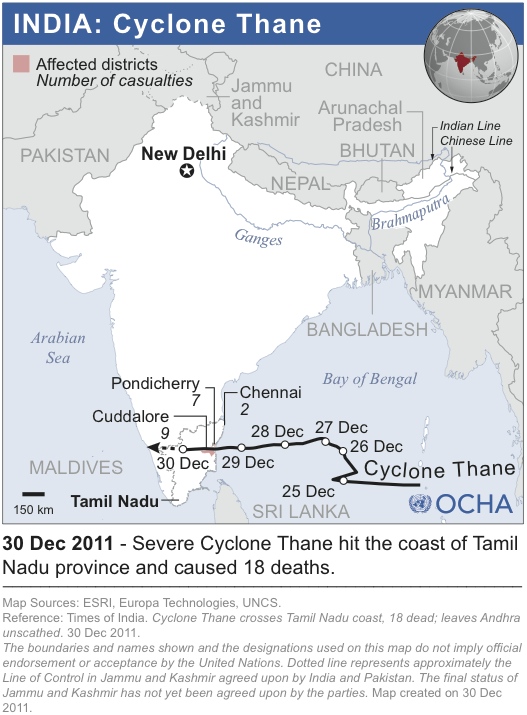
Path of Cyclone Thane

“Our project office in Chidambaram which is situated 40 kilometer away from the center of the cyclone also felt the intensity. The devastation is similar to that of the Tsunami in 2004. As per media and govt. reports, the cyclone killed 42 people, while many people are injured and about 20,000 people became homeless and are taking shelter in relief camps and makeshift arrangement shelters.”
Mr. B.N. Biswal
Deputy Manager – Emergency
Lutheran World Service India Trust (LWSIT)

The quote above from Mr. Biswal is describing the impact of Cyclone Thane, which struck the southern region of India on December 30 and how it affected the offices of LWSIT, a partner of the ELCA, in the area. As the cyclone’s damage was mainly focused on the eastern seaboard area of Tamil Nadu. The most affected populations were those already living in poverty (day laborers, fisher folk and farmers). These people make up the majority of those who lost their homes but now must also deal with wreaked boats, ruined crops and a lack of work.

The massive flooding has led to a severe shortage of drinkable water as wells and ponds are flooded with salt water. The winds, which reached up to 87 mph, uprooted many trees and snapped power lines, leading to blocked roads and downed communications. Also, a food shortage has raised local prices to a point beyond the means of many poorer families. Though there has been an affect to most of the crops in the area, the hardest hit were the rice paddies. They were due to be harvested in the coming weeks but many acres have been completely destroyed.

The ELCA’s continues to be in contact with local partners on the ground as they assess the situation. Word has been received from the United Evangelical Lutheran Church in India (UELCI) that they are planning an immediate response of food items for 5500 families in 55 villages and 1000 huts material assistance and repair as well as 6 institutional building repairs. Check back for updates as the response continues to be solidified. And please keep the our partners and the people affected by Thane in your prayers.

————-
Gifts to ELCA International Disaster Response allow the church to respond globally in times of need. Donate now.
Bangladesh: Video of RDRS Disaster Preparedness Wins Award

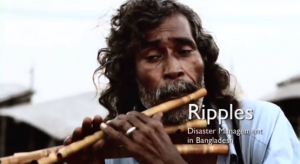
Title shot from RDRS Award Winning Video. Click image to view video.

How’s that for timing? I’m in Bangladesh in part to visit our partner Rangpur-Dinajpur Rural Services (RDRS) to see some of their projects on disaster risk reduction and climate change programs and the video they made with DanChurchAid on the same topic won an award from COP17 climate conference in Durban this past week.

We had the privilege of viewing Ripple during our LWF communications workshop and I have to agree that it’s a great video. It gave me some well-needed background before I begin my visits today, especially around the difficulties caused by chars. Chars are fertile sand bars left after flooding that run a high risk of re-flooding since they by nature exist in flood planes. Since Bangladesh is an extremely population dense country, when chars form they are almost immediately inhabited by the poorest members of Bengali society. Since they have a high risk of flooding there tends to run a cycle of re-impoverishment for people living on them as they continually are flooded out of their homes.

I would highly recommend taking 11 minutes out of your day to view the video, especially if you’re from Australia (it’ll make sense when you view it).

SE Asia Floods: Interview with LWD Exec Director (Cambodia)

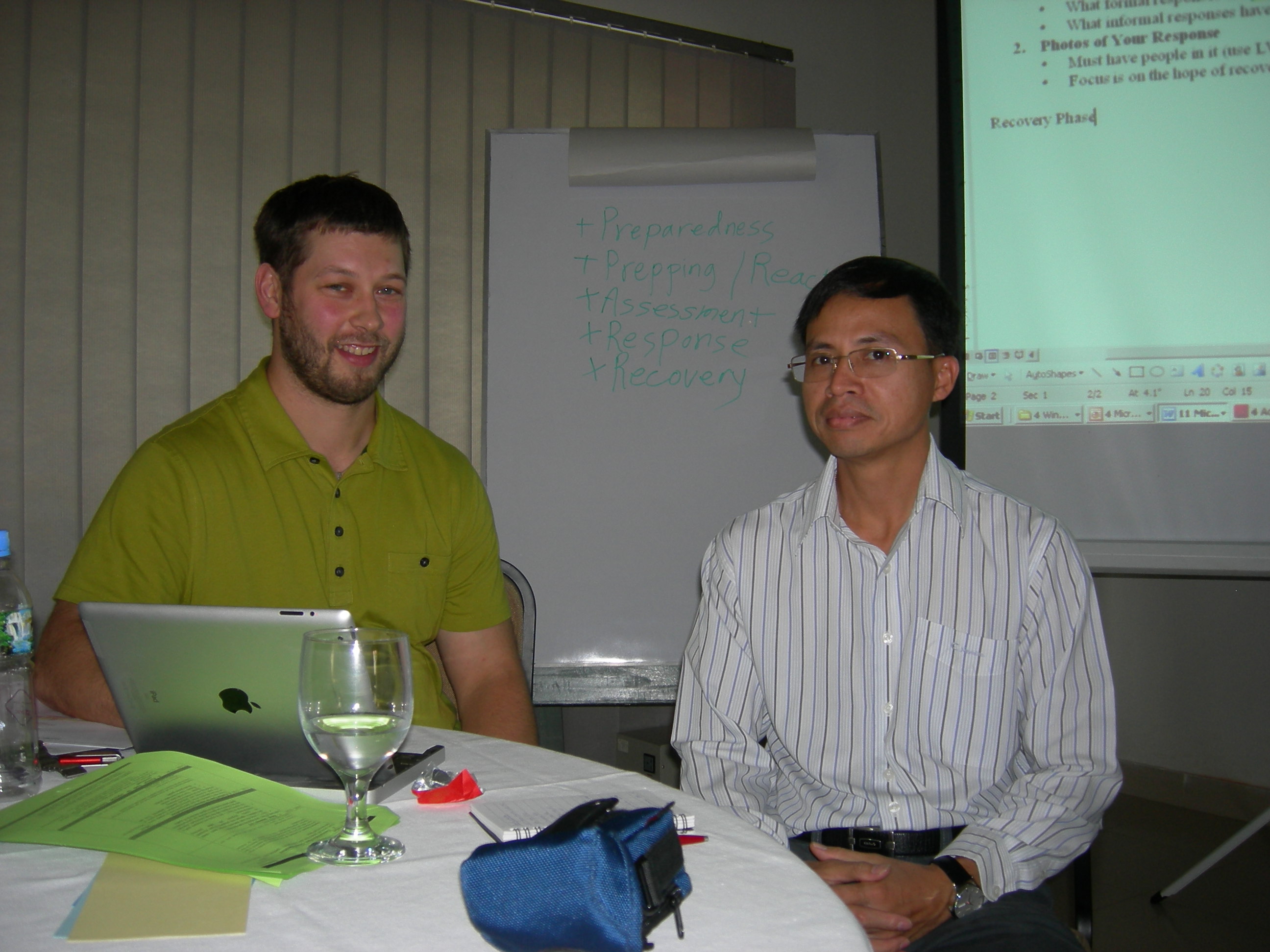
Sam Inn (right) and myself at LWF Communications Workshop in Dhaka, Bangladesh. Credit: Ulla Karki/FCA

Over the last three days I attended an LWF workshop in Dhaka, Bangladesh. The purpose was to bring communications personnel from agencies, like the ELCA, and country programs, like Life With Dignity (LWD) in Cambodia, to talk about how to better share our story of the church active in the world, particularly around disasters. In the spirit of the workshops purpose I asked Dr. Sam Inn, Executive Director of LWD, if he would give me his thoughts on the situation of flooding in Cambodia. Below is a summary of the main points of that conversation.

To get some background on the situation and the initial ELCA response, see the previous post SE Asia Floods: ELCA Responds in Cambodia & Thailand.

Overview
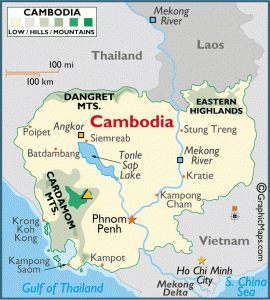
According to Dr. Inn, the flooding has affected the areas mainly along the Mekong River and around Tonle Sap Lake, though 17 of the 24 provinces have been affected in one way or another. Luckily the capital, Phnom Penh, has not been affected. The situation has led to 250 deaths and 1.2 million people strongly affected.

Short Term Response
The main issue he raised in the short term has been the displacement of people by flooding. To address this LWD has been working with to provide emergency food kits in two provinces of rice, cooking oil, ionic salt, a water purifier and mosquito nets.

Long Term Response
Currently LWD is helping to conduct a post-flood assessment over the next 4-6 months to determine the long term needs of the people in affected areas. Dr. Inn shared that the most likely needs will be around people’s livelihood, mainly in agriculture. Since the rice crops have been affected, the response will probably focus on supplying rice seed. They also may distribute vegetable seed for home gardens and poultry for livelihood improvement. Overall Dr. Inn believes they have gotten past the worst of the disaster in Cambodia and LWD will now be focusing their energies on helping the affected people return to and rebuild their lives.

Update on Thailand
As to the situation in Thailand, their Disaster Prevention and Mitigation Department has reported 689 deaths and over 4.4 million people affected as of today. They also are reporting that heavy rains in the southern part of the country may lead to further flooding over the weekend. Dr. Inn also shared that with the flooding of Bangkok, much of the media attention has been focused on the urban areas and not on those affected in the rural parts of the country.

————-
Gifts to ELCA International Disaster Response allow the church to respond globally in times of need. Donate now.
SE Asia Floods: ELCA Responds in Cambodia & Thailand

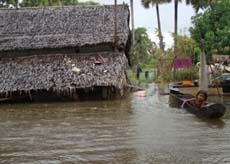
Flooding in Cambodia. Credit: CWS

Since July, heavy rains and four tropical storms have hammered Southeast Asia, affecting the entire region with flooding and landslides. In the two hardest hit countries, Cambodia and Thailand, it is estimated that one-third of each country is underwater. Recent reports put the number of dead at over 1,000, with over 75% of those lost coming from Thailand (533 deaths) and Cambodia (250 deaths). With the rains continuing to come the crisis grows as more areas become inaccessible while simultaneously increasing the number of those in need. An example is the city of Bangkok, with a population of 12 million, being threatened with complete submersion.

On November 2, the ELCA commited $150,000 to the relief efforts being coordinated by Church World Services (CWS) in Thailand ($50,000) and Cambodia ($100,000). In Thailand they are working with our companion, the Church of Christ in Thailand (CCT) and in Cambodia they are working with our partner, Life with Dignity (LWD). These efforts will address immediate needs such as supplying emergency food, water and hygeine kits. It will also involve the rebuilding of destroyed homes and the restoring of lost livelihoods.

As this disaster continues to develop and relief efforts move from disaster response to disaster recovery, the ELCA will continue to walk with our companions. Please check back here to learn about these efforts and continue to keep the people of the region in prayer.

For more information:

————-
Gifts to ELCA International Disaster Response allow the church to respond globally in times of need. Donate now.

Pakistan: Heavy Monsoon Rains Lead to Wide-Spread Flooding

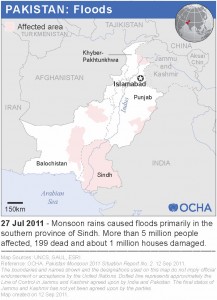
Click to download map (pdf).

Heavy monsoon rains in late August/early September led to widespread damage, mostly in the southern province of Sindh. The National Disaster Management Authority in Pakistan has appealed for international humanitarian assistance. The most urgent needs have been food, potable water, shelter, and health care because of the great risk to waterborne diseases, malnutrition, and food insecurity.

In the Sindh province, it is estimated 5 million people have been affected, some of whom are still recovering from the floods in July 2010. Twenty-two of its 23 districts receiving heavy rain and flooding. Approximately, 700,000 homes have been damaged and more than 1.7 million acres of crops are affected. According to the UN Offices for the Coordination of Humanitarian Affairs (OCHA) some regions of the province still have not been reached.

The ACT Alliance (Action by Churches Together) has issued an appeal and is coordinating a response, through members like Church World Service (CWS). As heavy rains have continued to affect here and many places in the world, please keep those affected by the rising waters in thought and prayer. May the God who stills the raging waters continue to be with them.

For more information, please check out the CWS Website and Flooding Update (31 Oct).

————-
Gifts to ELCA International Disaster Response allow the church to respond globally in times of need. Donate now.

Japan: JLER Newsletter No. 2

Japan Lutheran Emergency Relief (JLER), which was formed by the Lutheran churches in Japan following the tsunami and earthquake, has been taking a lead role in responding to the continued work of clean-up and restoration within the hardest hit areas of Japan. This second newsletter from earlier this month gives an update to their work. I would especially recommend the first two articles. the first one gives an overview of the first phases of response and the second a field report from Fumitaka Sato.

The point that stuck with me from the field report were that besides decreased populations in hard hit areas, cities were also dealing with the issue of shifting demographics as younger people choose to leave and older adults, to stay. It was an issue I had not heard before and one I hadn’t thought about and gave me pause.

So give it a read and let us know what you think. And please continue to keep the people of Japan and those working on their behalf in your prayers.

————-
Gifts to ELCA International Disaster Response allow the church to respond globally in times of need. Donate now.