 Domestic Violence Awareness Month: In cooperation with ELCA Justice for Women, ELCA Poverty and Justice Ministries, LSA Advocacy, and Women of the ELCA, ELCA Advocacy released a jointDomestic Violence Awareness Month message and asked Lutherans to act in support of the International Violence Against Women Act (IVAWA). IVAWA, if passed, would make permanent the Office of Global Women’s Issues in the State Department and enable the U.S. government to develop better responses to violence against women in humanitarian emergencies and conflicts.
Clean Water Act: This month, ELCA Advocacy promoted followers to learn more and comment on the EPA’s proposed Clean Water Rule. This past spring, the EPA issued a draft rule that would protect streams and wetlands that connect to larger watersheds ensuring the quality of the water that we depend on for drinking, washing, swimming and fishing. One in three Americans—more than 117 million people—get their drinking water from sources fed by these small and seasonal streams.
 Combating human trafficking and child labor: ELCA Advocacy’s Network congratulated Kailash Satyarthi, founder of GoodWeave, for being awarded the Nobel Peace Prize. GoodWeave has previously received financial support from the ELCA for their efforts to end child labor in the carpet industry. ELCA Advocacy also encouraged Lutherans to urge Congress Members to act on the “Business Supply Chain Transparency on Trafficking and Slavery Act,” which would increase consumer consciousness and address the root causes of child slavery.
Election Day 2014: ELCA Advocacy continued to promote civic involvement and increasing turnout on November 4th for Election Day. As a public church rooted in civic activity and living out spiritual values, the ELCA proudly empowers and supports people to engage with government and policy. Across the country, Lutherans and local religious leaders took the pledge to vote, engaged with their communities through discussion and working to get-out-the-vote. Among the newly elected officials this year is Senator-Elect Joni Ernst (Iowa), a member of the ELCA. Thank you to all who participated in this Election and put their values to work!
———————————————
California
Mark Carlson, Lutheran Office of Public Policy- CA
 November ballot measures: The focus of the Lutheran Office of Public Policy – California for October was on California’s “fourth branch of government”: direct democracy in the form of ballot propositions. LOPP-CA director Mark Carlson led forums at four congregations, the Southwest California Synod WELCA convention, and the Sierra Pacific Synod. Proposition 1, a $7.5 billion water bond placed on the ballot by the Legislature, was an LOPP-CA priority that passed by a 2 to 1 margin in the context of “exceptional” drought. Voters also approved of Proposition 47: an initiative that reduces lower-level drug possession and property crimes from felonies to misdemeanors. State prison cost savings, estimated by the Legislative Analyst at potentially $200 million annually, will be used for mental health and substance abuse services (65%), truancy prevention (25%), and victims’ services (10%). LOPP-CA’s support of this initiative was directly informed by the ELCA’s “The Church and Criminal Justice: Hearing the Cries” social statement.
The Calendar for November includes the annual California Interfaith Power & Light Cool Climate Awards at St. Mary’s Catholic Cathedral in San Francisco on November 12 (3 ELCA congregations recognized), a joint meeting of Pacifica and Southwest California Synod bishops and justice leaders, the LOPP-CA Policy Council, the 50th anniversary of SF Night Ministry, and the 60th of Miracles of Faith Church in Oakland.
———————————————
Colorado
Peter Severson, Lutheran Advocacy Ministry – Colorado
World Hunger: Lutheran Advocacy Ministry-Colorado was the official representative for ELCA World Hunger at the Grace Race 5K, presented by Rainbow Trail Lutheran Camp, which took place at Sloan’s Lake in Denver on October 4. It was a banner year for participation in the Grace Race, now in its 8th year, and for funds raised to support ELCA World Hunger, which is a granting underwriter for LAM-CO. Thanks to RTLC staff & all who came out to participate for a great event!
Housing: Affordable housing is a critical issue in Colorado, especially in metro Denver and mountain communities. The 26th annual Housing Colorado NOW! Conference took place in Vail on Oct. 7-10 with a focus on construction of affordable housing, homelessness reduction, and permanent supportive housing services. At the conference, State Senator Jessie Ulibarri was named one of Housing Colorado’s Legislators of the Year. Sen. Ulibarri represents a district that includes the neighborhood in which the Rocky Mountain Synod office is located.
 2014 Elections: Colorado voters weighed in on four highly contested ballot measures. Prior to the election, LAM-CO sponsored a voter forum on these ballot measures in partnership with the Colorado Social Legislation Committee and the League of Women Voters. Pro and con sides for each measure were presented by their respective official spokespersons, with time for rebuttals and question-and-answer. The forum was well-attended and well-received.
———————————————
Illinois
Jennifer DeLeon, Lutehran Adovcacy – Illinois
 Immigration was the theme for October. Lutheran Advocacy-IL held an informational workshop on temporary driver’s license for immigrants in Wauconda, IL with Messiah Lutheran Church and conducted presentations on immigration at the Metro Chicago Synod interpreters training and at the Metro Chicago Synodical Women’s convention. Lutheran Advocacy-IL is also working with The Illinois Faith Leaders for Immigrant Justice in collecting stickers and Spanish language story bibles for the migrant children’s shelter in Chicago. The workshops covered a brief history of US immigration and policy and ways to get involved in advocating for immigration reforms, especially for the migrant refugee children. In Nov. Lutheran Advocacy-IL will cohost two free workshops on Nov 8 at St. John’s Lutheran Church in Bloomington and on Nov. 15 at Gloria Die Lutheran Church in Downers Grove.
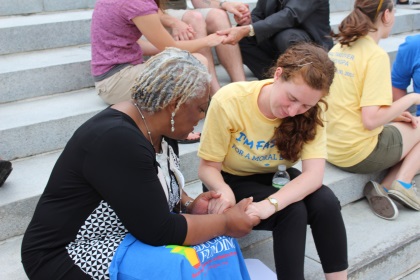 Service: Lutheran Social Services of Illinois (LSSI) & Lutheran Advocacy-IL invites you to participate in the upcoming Hands@Work event, were we will be “getting our hands dirty,” doing the work of the people of God and making lives better for our neighbors in need. We encourage the participation of everyone.
The Hands@Work Event offers five topics intended to appeal to a variety of interests, including: Disaster Preparedness Training, Public Policy Advocacy, Volunteers, Education Resources, and Local Congregation Consultation. For more information or to RSVP, contact Joy Medrano at 847/635-4653 or atJoy.Medrano@LSSI.org
———————————————
Minnesota
Tammy Walhof, Lutheran Advocacy – Minnesota
Open house & blessing ceremony: On October 9, Lutheran Advocacy – Minnesota hosted an open house for supporters, participants, and partners to celebrate a new name and office space. The accompanying blessing ceremony and prayers not only lifted up LA-MN and its work, but the work of colleagues and partners. It also helped connect people across what sometimes seem like big divides, as Tammy, LA-MN Director, facilitated introductions between affordable housing advocates and environmental groups doing weatherization, or faith folks with science geeks.
Clean energy & jobs: LA-MN is working on a campaign to increase renewable energy standards in Minnesota from 25% by 2025, to 40% by 2030. (This would mostly be through wind, as a later effort will involve increasing solar from 1.5% to 10%). The goal also aims to increase the energy efficiency standard from 1.5% annually, to 2% annually.
Homes for All Coalition: A proposed package for affordable housing will likely come in close to $40 million in Min., and will also include some proposed policy changes to help low-income renters. The details are still being honed.
Elections, candidates education, and voter action – Lutheran Advocacy-MN hosted a candidate briefing on clean energy polling, with the Northwestern Minnesota Synod. LA-MN participants continue to contact their legislators about both Clean Energy and Affordable Housing.
———————————————
Nevada
Rev. Mike Patterson, Lutheran Episcopal Adovcacy in Nevada
Prisoner re-entry support: In Nevada, the predecessor group (LAMN) worked hard to get the state to provide id to inmates on release from prison; a job well done with support coming from many quarters, including the Chief Justice of the Nevada Supreme Court.
A minor change to legislation in the 2013 session that seemed to enhance the prisoner re-entry program turned out to have tragic unexpected consequences that brought an end to the free id program. The DMV interpreted the new law to absolve them from the id program and began charging parolees for the cards and the Dept. of Corrections kept issuing inmates paperwork they believed was good for a free id. These issues resulted in finger pointing from various entities. LEAN became aware of the issue and tried to work a solution but in the end both departments refused to absorb the costs.
LEAN has now involved a state Senator who is willing to amend a bill he has sponsored to rectify the issue and LEAN has promised support during the 2015 session. LEAN is also working with the Chief Justice on this issue and looks forward to a successful conclusion. A lesson learned here in Nevada is to always try to look at the unintended consequences of even minor state laws.
———————————————
New Jersey
Sara Lilja, Lutheran Office of Governmental Ministry, New Jersey
Bail reform: LOGM worked with a coalition of partners to help pass Public Question No. 1, fixing the broken bail system by changing the New Jersey Constitution to allow judges to deny bail to the most dangerous defendants and usher in comprehensive bail reform for all. This new law, in combination with legislation passed earlier this year, means that nonviolent, low-risk people awaiting trial will no longer have to sit in jail simply because they can’t afford to pay their bail. Courts will be able to release nonviolent, low-risk people and focus on dangerous individuals.
Earned sick days: Momentum is building for New Jersey to pass legislation that makes it possible for hourly workers to earn 3-5 sick days a year. Recently, 2 additional municipalities passed this type of law, now 7 cities in the state have similar legislation in place. LOGM will continue to advance this legislation as they work for sustainable livelihood for all.
———————————————
New Mexico
Ruth Hoffman, Lutheran Advocacy Ministry – New Mexico
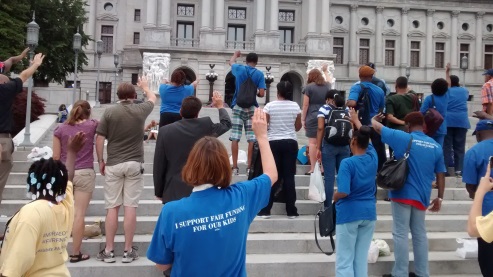 Immigration: On October 22, LAM-NM director, Ruth Hoffman, visited the immigrant detention center in Artesia, NM as part of a group from the New Mexico Faith Coalition for Immigrant Justice. The detention center located at the Federal Law Enforcement Training Center has been detaining refugee mothers and children since this summer. Nearly all of the mothers and their children are from El Salvador, Guatemala or Honduras and are escaping violence in their home countries. The facility is comprised of multiple temporary buildings and there is little or no privacy for the mothers and children.
The American Immigration Lawyers Association is working to provide pro bono attorneys to represent the mothers in the legal proceedings that determine whether or not they can be released on bond and join family members living in the United States or be deported by to the violence in their home countries. Since the Pro Bono Project began, many more mothers and their children are getting good legal representation to protect their human rights and being released on bond. Prior to the pro bono project, 200 families were pushed through the system and deported. The week prior to the visit, LIRS executive director, Linda Hartke and several others, including Pastor Kirsten Sauey-Hofmann of Trinity Lutheran Church in Hobbs, NM also visited the detention center. “As people of faith, we believe that vulnerable newcomers deserve better and will continue our call to end this inhumane and unacceptable practice.”—from an LIRS statement about current detention policy.
Pennsylvania
Amy Reumann, Lutheran Advocacy Ministry in Pennsylvania
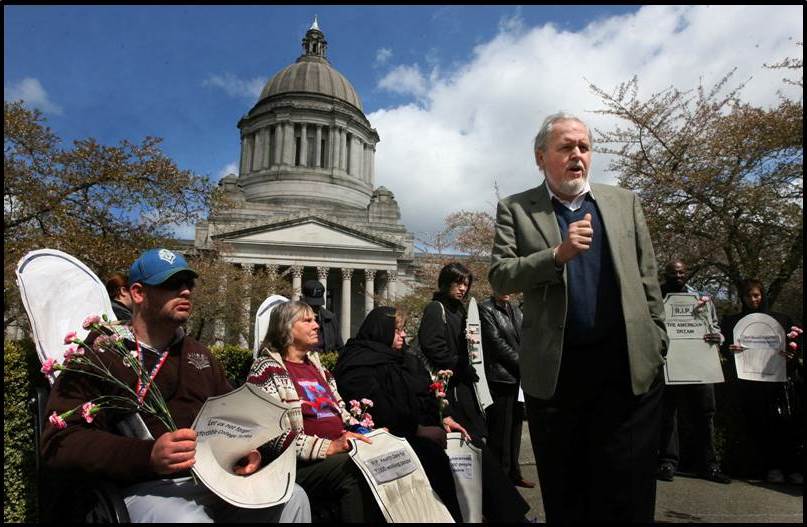
School funding: As the 2014 legislative session drew to a close, Lutheran Advocacy Ministry in Pennsylvania participated in the launch of a statewide school funding campaign, helped defeat a tax bill that would have disproportionately burdened the poor and made a final push on a housing trust fund bill that failed but garnered support to try again next term. With voters naming education a top priority, we joined more than 40 organizations in
The Campaign for Fair Education Funding. Pa., 1 of only 5 states without a public school funding formula, is increasingly burdening struggling communities and widening the achievement gap between wealthy and poor.
Hunger advocacy: Pa. Lutherans also stood with 40 organizations to successfully stop SB76, which would have taxed groceries and other necessities in a move to eliminate all property taxes. Passed out of committee in the last weeks, it died without being voted by the full Senate, thanks to strong opposition from hunger advocates and others. LAMPa joined opponents of the bill in a press conference.
 LAMPa is working to inform synods and congregations following the October passage of the last in a package of child protection bills, requiring background checks for anyone volunteering with children. Additionally, LAMPa joined other hunger groups in a letter urging the Secretary of Public Welfare to streamline applications for Medical Assistance and SNAP benefits.
LAMPa welcomes Emma Wagner Nov. 1st as a Field Education student from the MA Program in Public Leadership at the Lutheran Theological Seminary at Philadelphia.
———————————————
Virginia
Marco Grimaldo, Virginia Interfaith Center for Public Policy
General Assembly: The Virginia Interfaith Center for Public Policy is working this fall to meet with many partners across the state to prepare for the next General Assembly in January. They have met with faith leaders in the context of chapters in various parts of Virginia. Virginia Interfaith Center has also begun meeting in coalition efforts to talk with legislators of both parties who may be important to advocacy work in January.
Hunger task force: Virginia Interfaith Center for Public Policy is beginning to work with Bishop Jim Mauney’s Childhood Hunger Task Force to develop an advocacy message that can reach more Lutherans in Virginia and is well integrated into the broader interests of providing food and help to children in the Commonwealth. The first meeting is planned for mid-November.
———————————————
Washington
Paul Benz, Faith Action Network
 Planning policy priorities: FAN had its annual meeting with the governor last week and twelve religious leaders (one ELCA bishop was present, Rick Jaech – SW Washington Synod). Participants discussed FAN’s 2015 legislative agenda and its five policy buckets: reducing wealth inequality, forging a sustainable biennial budget, dismantling the culture of violence, sustaining Washington’s environment, affordable housing, and preventing homelessness. See the entire legislative agenda by clicking here!
FAN finished six candidate forums with a total attendance of 250, and is still setting interim meetings with advocates and state legislators. FAN will meet its goal of 30 meetings from 22 legislative districts, recruiting just under a total of 120 advocates to participate. FAN’s involvement with Initiative 594 (mandating universal background checks for gun sales) concluded with a “Faith March to the Ballot Box.” Over 200 people gathered to march to a downtown Seattle ballot box. The issue won with a 60% yes vote andInitiative 591 (the opposing initiative which prohibited background checks beyond the federal statute) lost with a 55% no vote.
 Schedule: FAN has concluded its “third” programmatic season with the completion of 14 geographic cluster gatherings around the state, where advocacy stories were shared and relationships deepened. Total attendance was just under 150. FAN is looking forward to its “fourth” and final programmatic season with our Annual Dinner on November 16. The theme is “Acting on the Dream: The Movement Continues”.
———————————————
Wisconsin
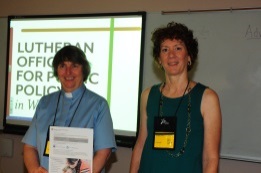
Cindy Crane, Lutheran Office for Public Policy in Wisconsin
Addressing human trafficking: LOPPW/Cherish All Children advocacy team met a second time in the Northwest Synod to discuss organizing a statewide campaign for churches. Dawn Wicklund of the synod’s WELCA council and LOPPW’s Diane House are part of the team. LOPPW’s director attended a statewide consortium on anti-sex trafficking and joined a sub-committee that addresses federal anti-trafficking efforts. The director prepared a tool kit on advocacy and anti-trafficking for a committee in the LaCrosse Area Synod.
A council member from Northern Great Lakes and the director are organizing a half-day poverty summit with a focus on youth issues (homelessness, trafficking, drugs) in Marinette, where there is an epidemic of heroin addiction. Rep. John Nygren from Marinette will share his story about his daughter’s heroin addiction, legislation he helped to pass on heroin and the importance of advocacy. An LSS case manager will connect youth homelessness, trafficking and drug addiction in a brief talk.
Hunger Issues: LOPPW endorsed a referendum about whether Wisconsin should take federal money for BadgerCare (Medicaid). LOPPW’s director led a forum on hunger issues and advocacy at a church in the South-Central Synod and at a synod-wide event in the Northern Great Lakes Synod. Additionally, the director was part of a forum, Faithful Citizenship, hosted by the Lutheran and Catholic campus ministries at UW-Eau Claire. On a panel she joined the director of the Wisconsin Catholic Conference, the Director of the Twin Cities Jewish Government Affairs Program, and the co-founder of an Israeli/Palestinian reconciliation group.


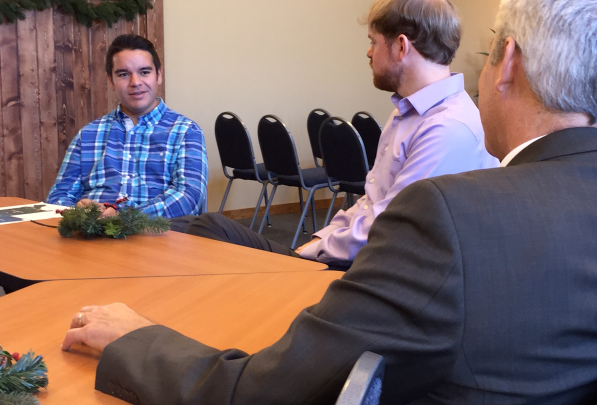
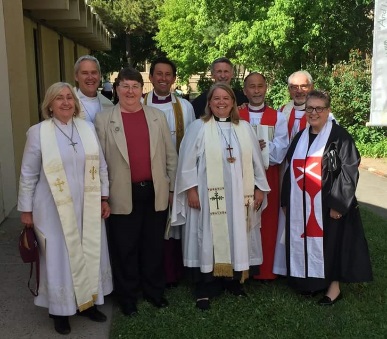
 shared his journey struggling with his daughter’s heroin addiction and moving from his personal experience to advocating for public policies. LSS Case Manager Mary Busick from Escanaba, MI tied together local youth homelessness, drug addiction and trafficking. LOPPW included an hour of advocacy exercise. Feedback confirmed that it would be worthwhile to repeat the summit in other locations.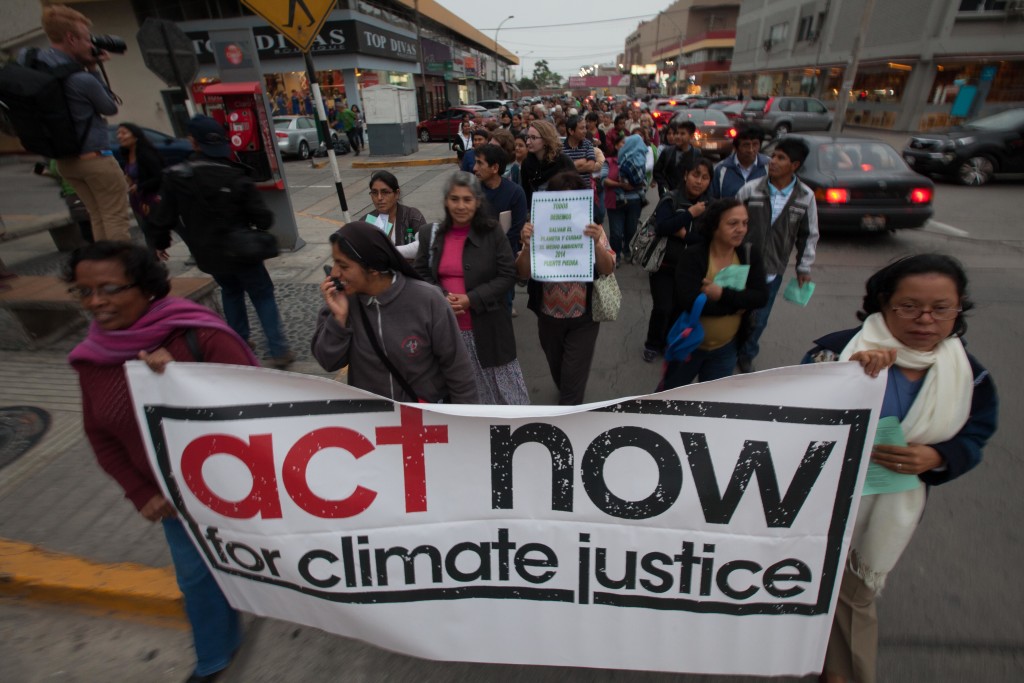
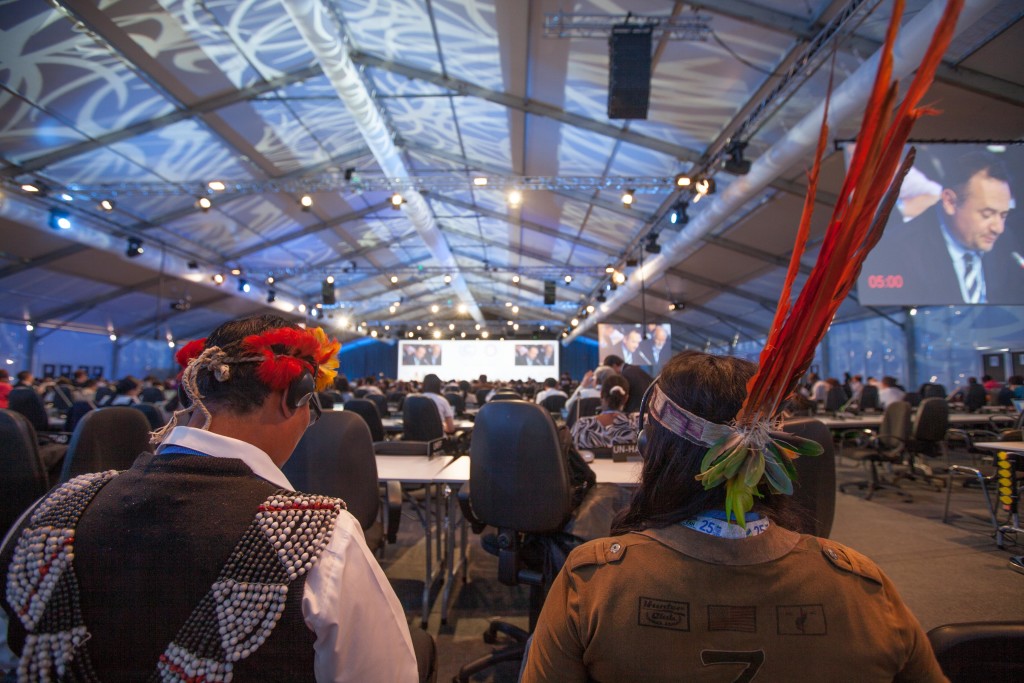
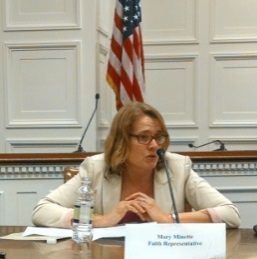
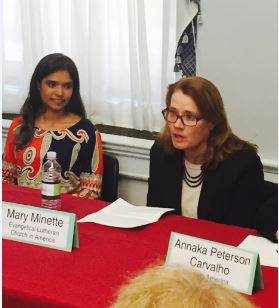 Last week I was invited to speak at a Congressional briefing on the International Climate Negotiations in Lima, Peru, which are set to take place in December 2014. During this briefing, participants discussed the September Climate Leaders’ Summit in New York and looked to future opportunities for governmental, private sector, and civil society cooperation on climate change. I was asked to give the faith community’s perspective on the upcoming meeting in Lima. For this month’s reflection, I would like to share with you my statement from this event:
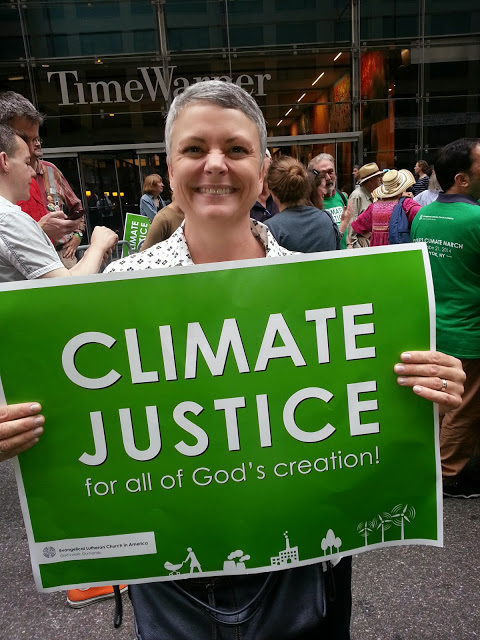 NGOs have been engaged for many years as well. However, with the Climate March in New York this past September, faith engagement and support for a global climate change agreement may have reached a tipping point. Thousands of people marched in NY out of their faith—we crowded into an entire city block during the march staging. Lutherans and Hindus, Muslims and Methodists, Catholics and Baptists joined together out of a shared concern for our future.