Skip to content
ELCA Blogs

ELCA Advocacy

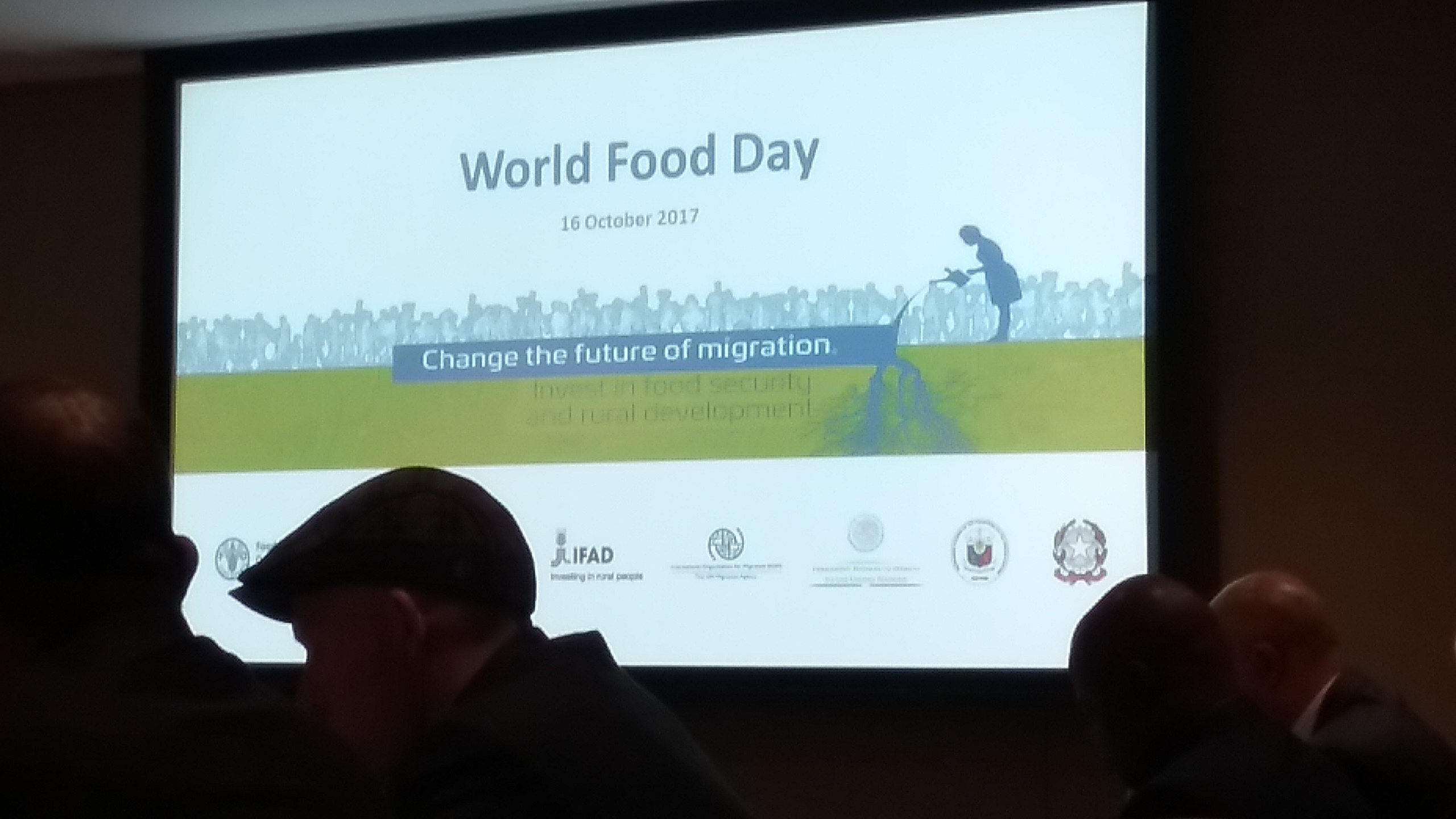
World Food Day 2017: Changing the Future of Migration


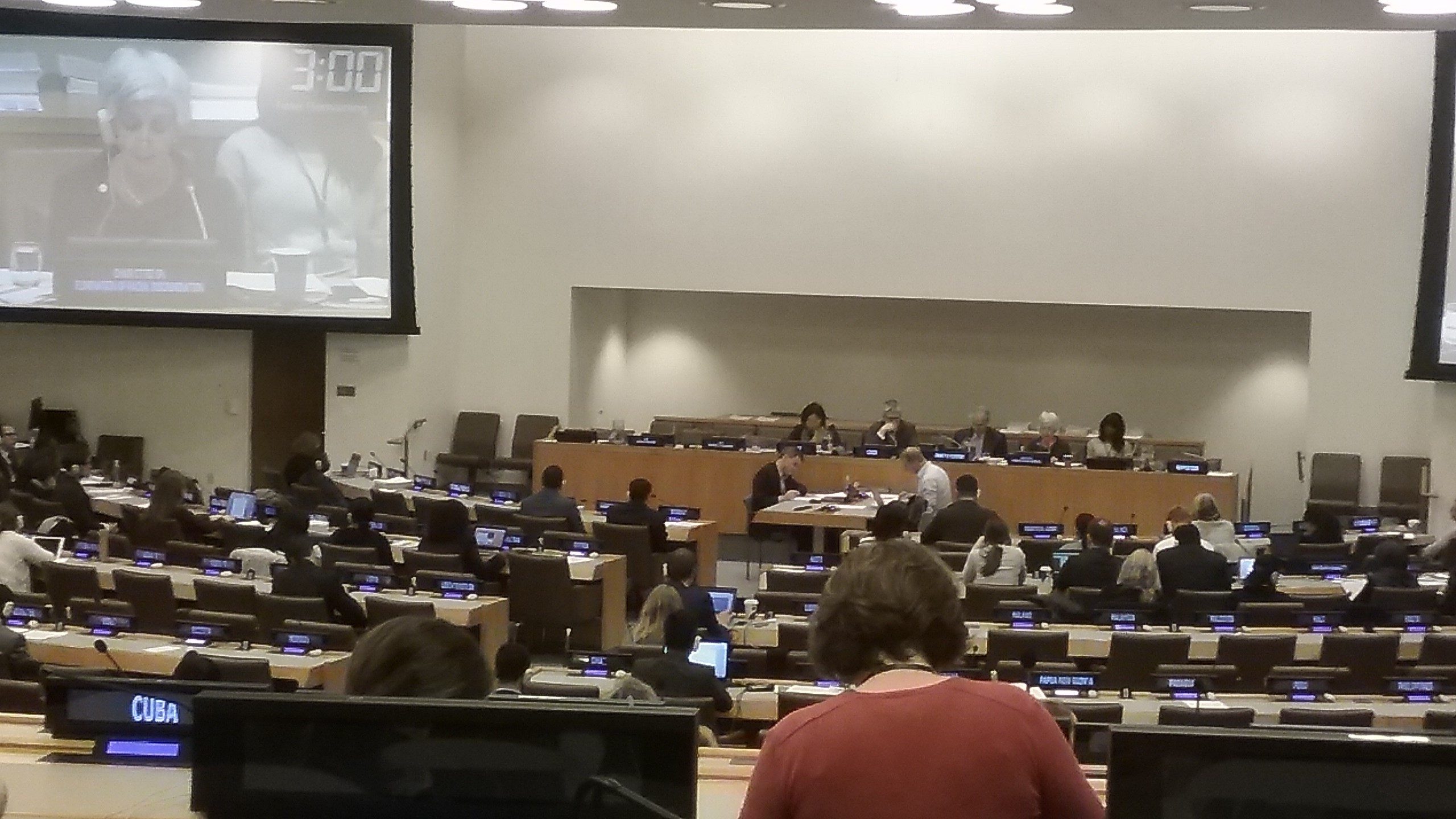
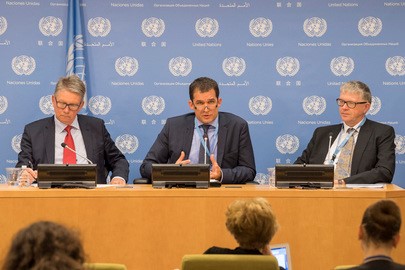
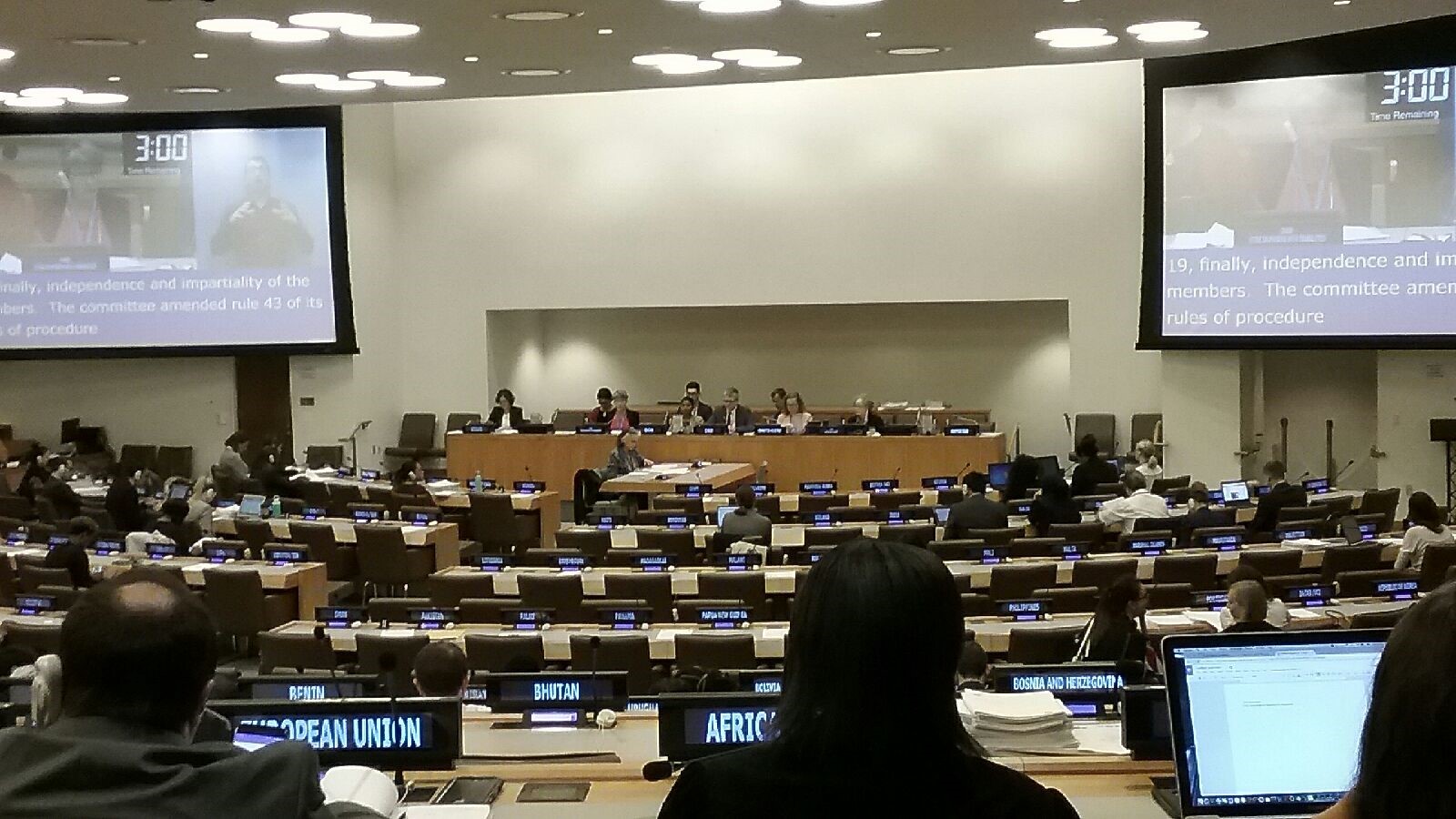
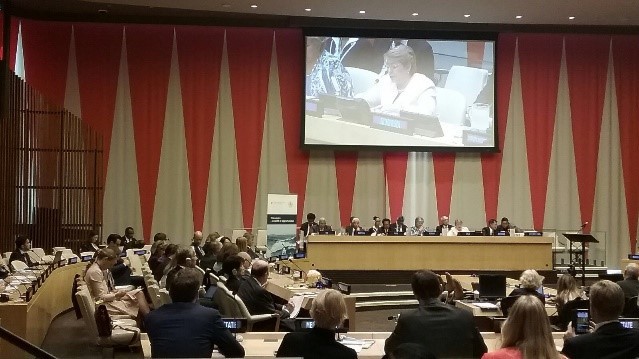
International migration reached a total of 244,000,000 people in 2015, while the number of migrants as a percentage of global population remains stable at about 3%. As part of World Food Day 2017 observances, a meeting was held at the United Nations (UN) on 16 October titled “Change the Future of Migration: Invest in Food Security and Rural Development,” focusing on links between migration, food security, and rural development. Speakers included H.E. Mr. Miroslav Lajčák, President of the 72d Session of the General Assembly, and ambassadors from Mexico, Philippines, and Italy, as well as business and UN representatives.

There exists a strong nexus between food security, migration, and global development. Many people move by choice, but a growing number are migrating for myriad reasons. Driving causes of migration include conflict, food instability, climate change, political instability, and poverty. Ms. Coco Ushimaya, World Food Program Director of the UN System (African Union & Multilateral Engagement Division), called for a cross-disciplinary approach to food security that includes local, national, and regional collaboration working toward the possibility of economic growth that will sustain peace.

As God has created us as whole persons, we too must focus on building earthly peace that encompasses all the dimensions of society. We pray for all migrants who have been forced to leave their homes, and for all the leaders locally and internationally working towards strengthening food security and global development.

Congress must work together to improve health care for all


Last week, President Trump signed an executive order directing several federal agencies to develop new regulations impacting the Affordable Care Act (ACA). Those regulations are expected to cause the proliferation of health care plans that, while potentially less expensive for some consumers, come at the cost of mandated coverage and protections that currently exist under the ACA.

The administration also decided to cut off subsidies—made possible under the Affordable Care Act—which helped lower income individuals access insurance. Consumers most affected don’t have health insurance through an employer, their parent’s health insurance, or Medicaid or Medicare. For many, these government subsidies were key to ensuring access to any health insurance at all.

Policy analysts and the non-partisan Congressional Budget Office warn that the Executive order will affect the U.S marketplace by eliminating nearly $7 billion from the individual market causing steep premium increases for many working low-income households across the country.  Congressional leaders on both sides of the isle are expressing concern, but what we need most is bi-partisan cooperation and urgent action.

The ELCA has for many years maintained a clearly defined value around health care:

“We of the Evangelical Lutheran Church in America have an enduring commitment to work for and support health care for all people as a shared endeavor. Our commitment comes in grateful response to God’s saving love in Jesus Christ that frees us to love and seek the well-being of our neighbor.” (ELCA social statement “Caring for Health: Our Shared Endeavor,” 2003)

Over the past nine months, Lutherans—laypersons, pastors and Bishops—have engaged their Senators and Representatives with a simple message: Improve access to health care; don’t tear it apart. During congressional debate this summer, Presiding Bishop Elizabeth A. Eaton issued a statement that resonates today as much as it did then:

“I ask all Lutherans to pray for our leaders and to be advocates with me. Our collective voices make a difference, and we should raise them to call on our [leaders] to stand with the most vulnerable members of our communities. It is time for Congress to work together to find solutions that ensure health care for all in our nation of God’s great abundance.”

As Lutherans we believe that health is central to our well-being, vital to relationships, and helps us live out our vocations in family, work, and community. Caring for one’s own health is a matter of human necessity and good stewardship. Caring for the health of others expresses both love for our neighbor and responsibility for a just society.

We pray for those in our community who will be most affected by these recent actions, as well as for our leaders to work together to protect the most vulnerable in our country.

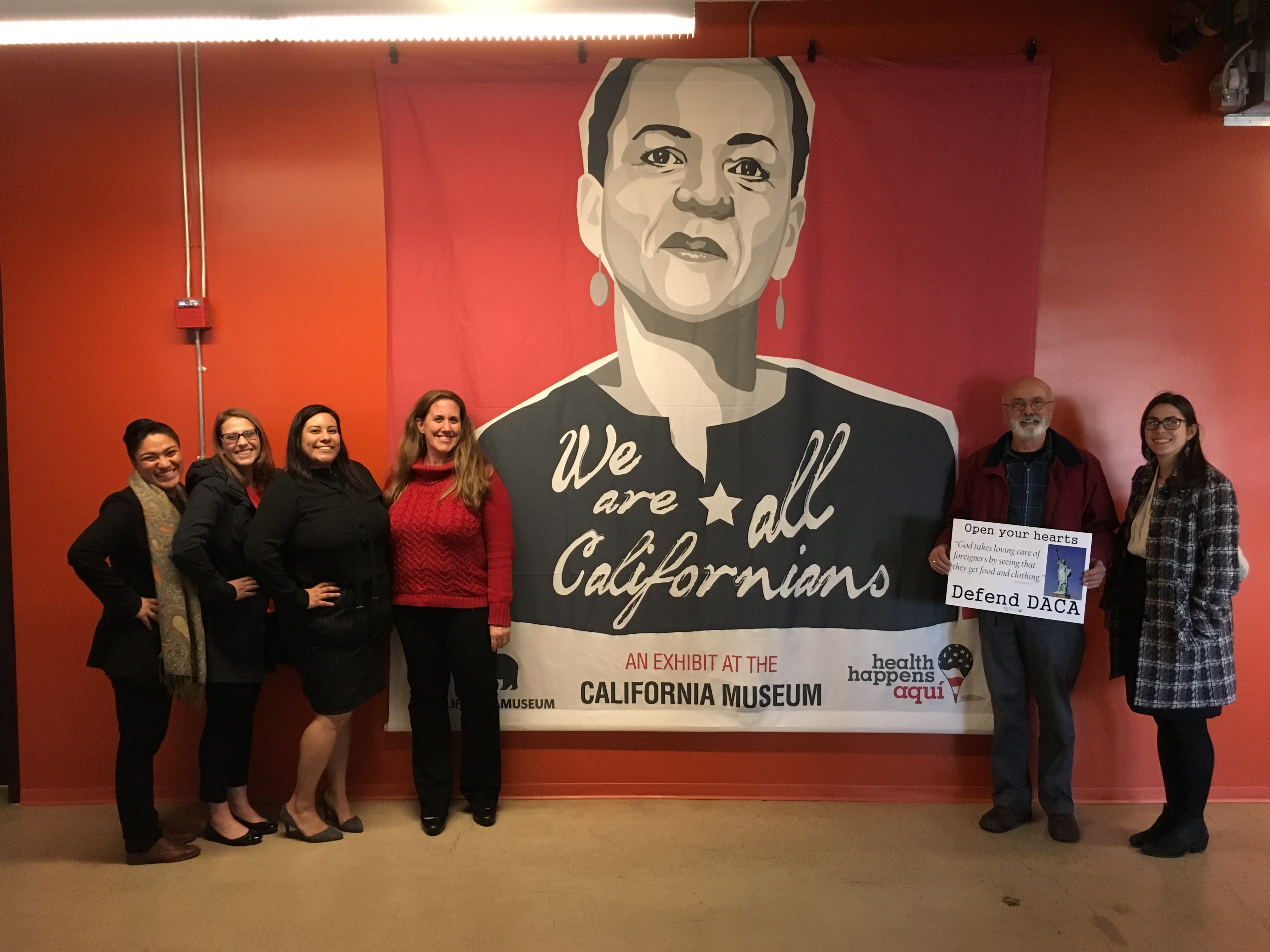
ELCA Advocacy renews call to protect Dreamers without harming vulnerable migrants


The Evangelical Lutheran Church in America, one of the largest protestant denominations in the United States with more than 3.7 million members and 9,300 congregations nationwide, has a long history of standing alongside migrants and refugees. Every day we see the gifts that young Americans without legal status, also known as Dreamers, and their families bring to our congregations and communities.

Following the Administration’s announcement that it will rescind the Deferred Action for Childhood Arrivals (DACA) program, which gave Dreamers relief from deportation and the ability to work, the Rev. Elizabeth A. Eaton, Presiding Bishop of the ELCA, called on Congress to pass legislation to protect these young people:

“As we lament this change in policy, we call on members of Congress to pass long-overdue legislation to protect young people brought to the U.S. as children… Our churches, our schools, our communities and the country are enhanced by their presence and contributions. It is time that our immigration policy reflects their gifts to all of us.”

Recently released White House  Immigration Principles and Policies  outline changes in immigration policy to be considered alongside legislation to protect Dreamers. These principles take away trafficking protections for children, make it harder for people seeking protection to find refuge in our country, and reduce the ability of families to be unified. We urge Congress to reject these principles and instead pass legislation that provides a pathway to citizenship for Dreamers without creating policies that lead to family separation or crippling the ability for people to seek safety in our country.

Dismantling key pieces of our immigration system is not the way forward. No young person should have to choose between their own future and the safety of their family, friends or community.

As Christians, our call to welcome the stranger, feed the hungry, and care for the sick comes from our desire to carry on Jesus’ faith and practice. With fewer than 6 months until thousands more lose protection, we renew our call to Members of Congress to pass legislation that protects Dreamers without harming other immigrants.


Learn more about the ELCA’s commitment to work toward just and humane policies affecting migrants in and outside the U.S. by visiting ELCA.org/AMMPARO

To learn more about Lutheran Immigration and Refugee Service’s work with refugees and other vulnerable migrants visit LIRS.org.


October 2017 ELCA Advocacy Update

Lutherans are taking action across the country! Below you will find our monthly State Advocacy Newsletter. Share with your friends!


ELCA Advocacy Office, Washington, D.C.

The Rev. Amy Reumann, director
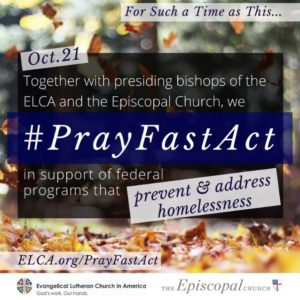
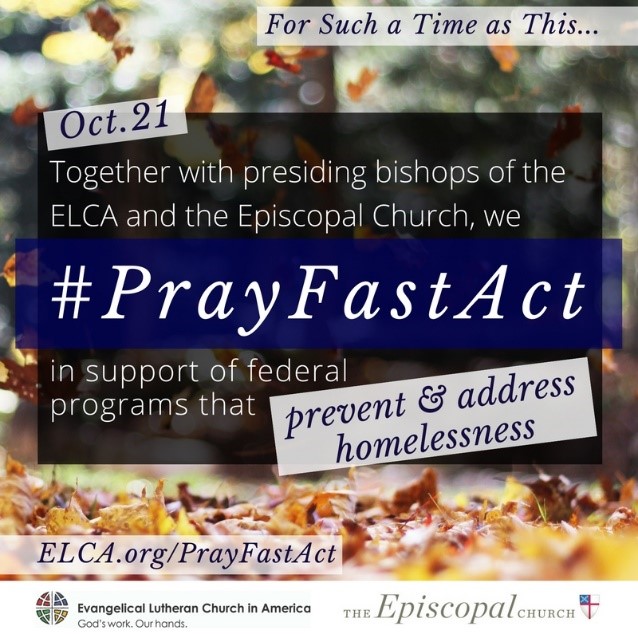
FOR SUCH A TIME AS THIS: The October day of fasting and action is Saturday, Oct. 21. As the seasons transition and the days become colder, we answer the call this month by supporting action for people facing homelessness, unaffordable heating bills, and extreme housing insecurity. Only a quarter of the poorest households eligible for relief ever receive any assistance–creating barriers to success and stability for millions of households across the country. Christians have a long history of assisting people without housing by providing shelter and can offer a compelling voice in the public sphere through advocacy. Check out this month’s advocacy resource by visiting ELCA.org/prayfastact and look out for action alerts in upcoming weeks.  

HURRICANE RELIEF ADVOCACY: In the aftermath of Hurricane Harvey, Irma and Maria, key lawmakers in Congress are calling for an immediate disaster-aid bill to help communities rebuild. Legislators hope to provide recovery assistance to recently hit regions like Puerto Rico and the U.S. Virgin Islands, while also offering longer-term aid for states like Texas and Florida. ELCA Advocacy sent an action alert at the start of October in collaboration with Lutheran Disaster Response. Our message to Congress: Quickly take up a relief bill to ensure that low-income households are included in any assistance package.

GOD’S WORK. OUR HANDS.: Lutheran churches and volunteers sent in over a thousand letters to Congress last month during the “God’s work. Our hands. Sunday” day of service. The letters came as Congress negotiates critical decisions for programs that affect people facing poverty. Community leaders can help continue the conversations and find more advocacy resources at in the ELCA Advocacy Network!

HEALTH CARE UPDATE: On Saturday, Sept. 30, the mechanism that would allow the Senate to pass repeal of the Affordable Care Act (ACA) expired. ELCA Advocacy’s efforts now focus on bi-partisan efforts to improve insurance markets and stabilize access to health care in the United States. We will remain vigilant, however, as a new budget reconciliation proposal to address tax reform in fiscal year 2018 could include efforts focused on repeal of the ACA. On Sept. 30, Congress also failed to reauthorize the Child Health Insurance Program (CHIP). We will continue to urge congressional action and are assessing ramifications in the short-term and long-term.

GLOBAL HUMAN TRAFFICKING: The Department of State and the United Kingdom’s government have announced matching awards of $25 million to the Global Fund to End Modern Slavery. Established by legislation in 2016, the fund is a grant-making, public-private foundation that will support international civil societies working to end human trafficking. The initiative seeks to raise a total of $1.5 billion from both governments and the private sector over several years.

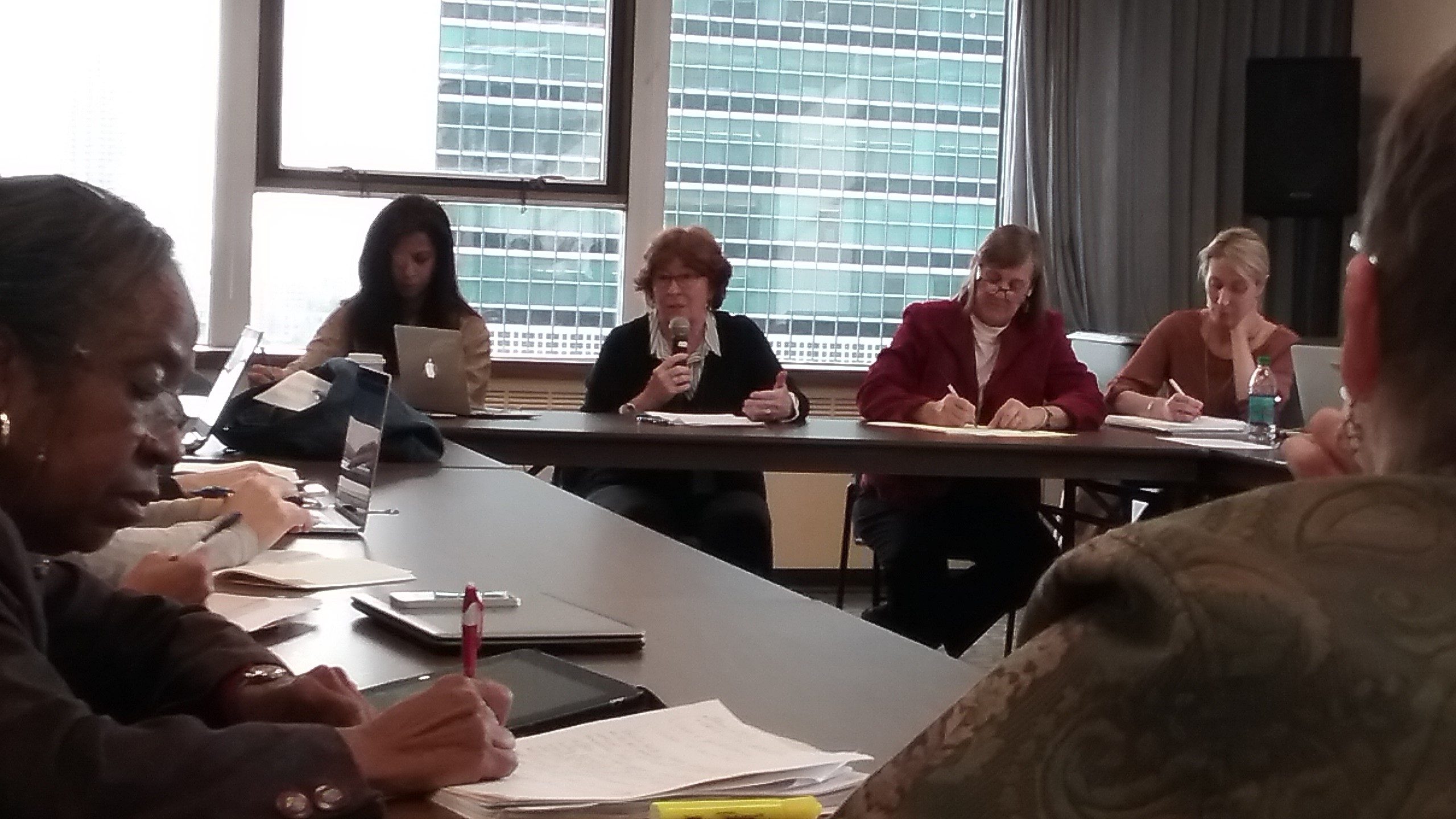
UN FOUNDATION AND CLIMATE CHANGE: ELCA Advocacy participated in a roundtable discussion on “Could a new U.S. fund help support the international climate effort?” held at the UN Foundation. The roundtable included NGOs; faith-based organizations; state and city government officials; and financial institutions.  In the wake of the current administration’s decision not to fund entities like the Green Climate Fund (which was an ELCA priority matter); and the stepping up of sub-nationals and private entities — a mechanism is needed to be able get funding to those vulnerable populations that need assistance in adaptation and mitigation efforts in response to climate change.

Fund development is in its infancy, as numerous legal and  logistical issues must be resolved before moving forward.


Lutheran Office for World Community, United Nations, New York, N.Y.

Dennis Frado, director

PROTECTION OF RELIGIOUS MINORITIES IN CONFLICT: At a side event titled “Protection of Religious Minorities in Conflict” held during the opening debate at the 72nd session of the U.N. General Assembly, Archbishop Paul Richard Gallagher, secretary for the Holy See’s relations with states, outlined seven essential elements needed to protect religious minorities, including: the need for action, interreligious dialogue, education and more. ZENIT has the full story.

SHARED RESPONSIBILITY FOR REFUGEES: In September 2016 the United Nations agreed to develop a comprehensive refugee response plan and a program of action in 2018. Among the objectives is addressing the educational needs of refugee children. At a meeting during the general debate at the United Nations General Assembly on Sept. 21, David Miliband, president and CEO of the International Rescue Committee, reflected on the need to advance these pledges by calling for changes in fundamental mindsets, institutional relationships and policy.

A former refugee on the panel pointed out the plight of refugees is not just overseas as refugee children are living in New York City and other relocated communities. Others noted that education is the key to the future for these children. The thing refugee children report missing most is school, yet for every month out of school, their chance of returning diminishes

THE OCEANS – A WEALTH OF OPPORTUNITIES:  Michelle Bachelet, president of Chile, stressed the need to raise awareness of work to protect, conserve and use oceans in a sustainable manner in her keynote address at a U.N. “High-level dialogue: The Oceans – A Wealth of Opportunities” on Sept. 20. More than 3 billion people depend on the oceans, which generate $3 trillion to $6 trillion in trade annually. Bachelet called for a stronger national framework regarding Sustainable Development Goals 13 and 14, enhanced conservation and sustainable use, and a change in consumption and production patterns.
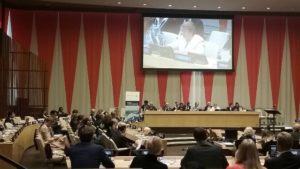
Other speakers included Thomas Esang Remengesau Jr., president of Palau, who urged reversal of failed existing approaches to ocean warming and acidification and called on the U.N. to take a stronger role as a conduit for smaller developing countries, and Erna Solberg, prime minister of Norway, who stressed that a U.N. convention of law of the sea is essential and encouraged scientific development and common understanding. She noted the appointment of a U.S. special envoy.

Some speakers stressed the promotion of sustainable development for sustainable economies and called for a global effort to reduce plastic by 75 percent. Others called for long-term commitments in the public, private, and international sectors, with attention to strategies for off-coast tourism, biomedical research, and recognition of zone-based fishing.


Hunger Advocacy Fellowship Program 

WELCOME TO OUR 2017-2018 ELCA HUNGER ADVOCACY FELLOWS

The ELCA Hunger Advocacy Fellowship, a program made possible by ELCA World Hunger, is a year-long transformative experience that combines leadership development and faith formation with impactful advocacy that moves us toward an end to hunger and a just world where all are fed.   In September, the ELCA welcomed four fellows to this new program:
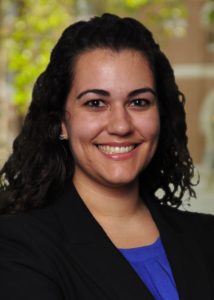
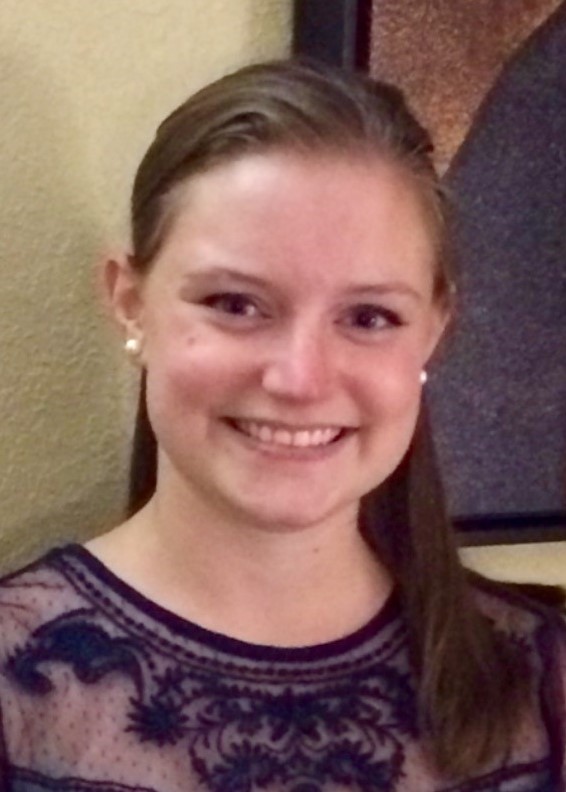
Amanda Silcox, Virginia Interfaith Center for Public Policy

Amanda Silcox is the inaugural ELCA Hunger Advocacy Fellow at the Virginia Interfaith Center for Public Policy. Prior to joining the Interfaith Center, she worked as an ELCA Young Adult in Global Mission in Cambodia for one year, where she worked with a rural development organization and taught English. Amanda is native of Ohio and a recent graduate of the University of Dayton, where she studied Economics and Finance.

Kendrick Hall, Lutheran Advocacy Minnesota – Minneapolis

Kendrick Hall is a 2014 graduate of Gustavus Adolphus College and he currently attends Luther Seminary in St. Paul, MN pursuing ordination. For the past three years, he worked for Redeemer Lutheran Church as a lay worker and mechanic, as well as was the Fellowship leader for one year. Kendrick’s passion for justice started in his undergrad years and his life between St. Peter, Min. and North Minneapolis, however, it truly stemmed from spending fifteen of the eighteen days occupying the fourth precinct after the killing of Jamar Clark in Nov. 2015; and has only grown deeper in justice work through Philando Castile and now Charlottesville.
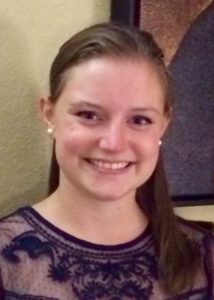
Rebecca Schneider, Texas Impact – Austin 

Rebecca Schneider grew up in Katy, Texas. She attended Carthage College in Kenosha, Wisconsin, and graduated with a degree in Social Work in the Spring of 2017. While in college she developed a love of traveling, spending time in Costa Rica, Guatemala, London, and Ecuador. Through her experiences in these countries and her classes she became passionate about fighting for social justice for all people and spreading cultural awareness. She is currently as Hunger Advocacy Fellow at Texas Impact.

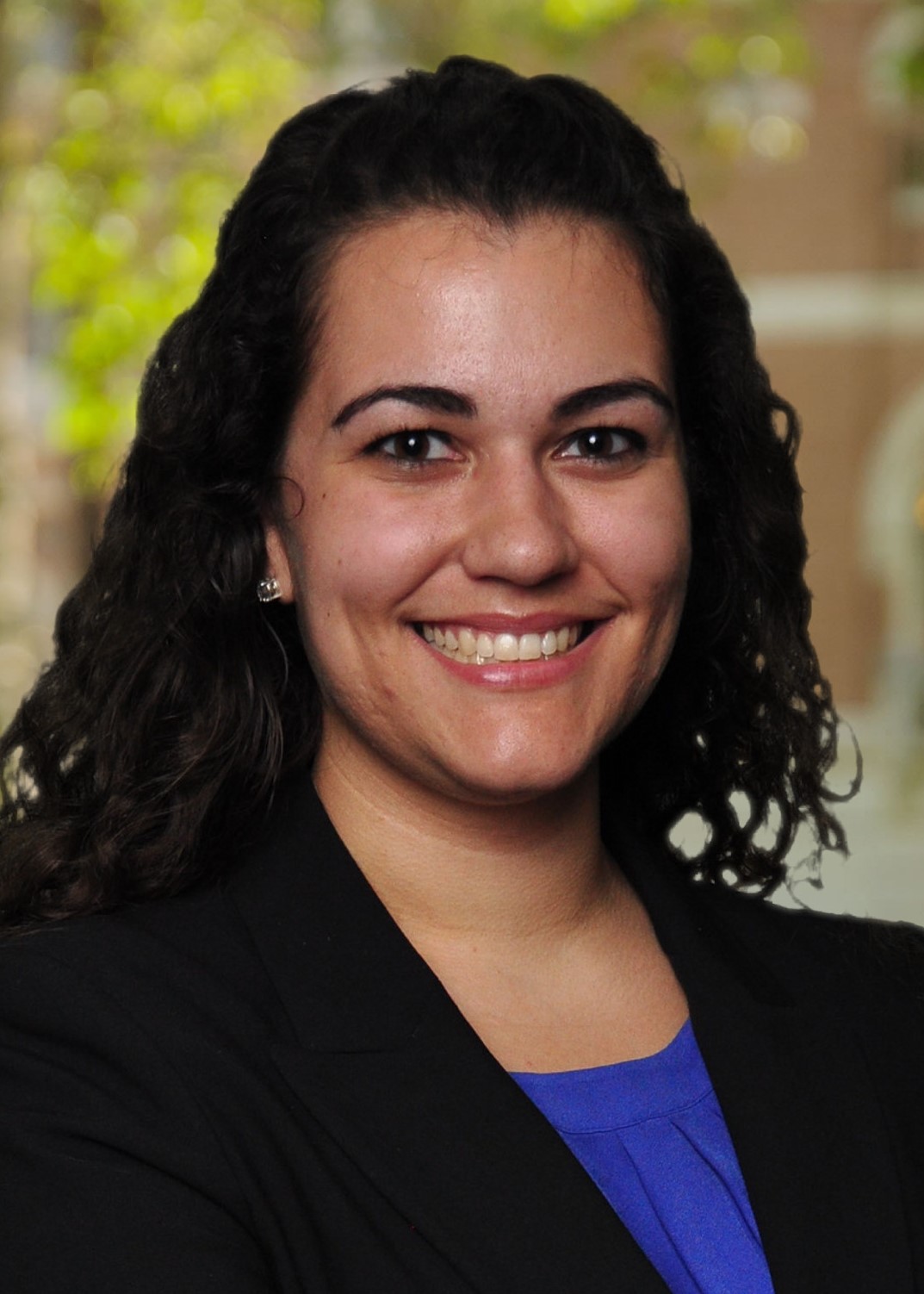
Elena Robles, ELCA Advocacy Washington, D.C. officeD.C.

Elena Robles was raised in the Washington, D.C. area and is a recent Guilford College Graduate. In college, she studied Political Science and Religious Studies. She’s passionate about justice work that upholds marginalized communities. Elena is happy that she will be spending the next eleven months serving the ELCA Advocacy unit in Washington DC as a Hunger Advocacy Fellow.


California

Mark Carlson, Lutheran Office of Public Policy loppca.org

LEGISLATIVE UPDATE: The Legislature concluded its consideration of bills for the year on Sept. 15, sending about 700 bills to Gov. Jerry Brown’s desk. He signed a package of bills to address homelessness and to increase the supply of affordable housing. LOPP-CA, as well as some members and congregations, supported SB 2, a fee on property recordings, which creates a permanent source of funding for development. It replaces a modest portion of the $1 billion annual loss when redevelopment funding was eliminated in the Great Recession. SB 3 places a $4 billion housing bond on the 2018 ballot. Supporting its passage will be a priority for us. 
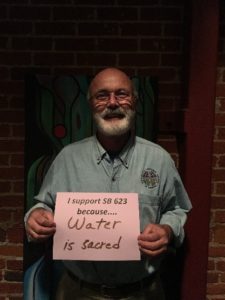
Other bills still pending and supported by LOPP-CA include protections for immigrants, campaign finance reform, environmental protection and criminal justice. Bills to move California toward 100 percent carbon-free electrical energy by 2045, and to create a small fee on water bills to fund cleanup of contaminated drinking water supplies and support affordable access to safe water in low-income, disadvantaged communities, came up short and will likely be on our agenda in 2018.

EVENTS: LOPP-CA participated in the annual summit of the California Alcohol Policy Alliance in Los Angeles, joined by two Lutheran leaders from the Southwest California Synod. LOPP-CA Director Mark Carlson is on the steering committee.  LOPP-CA co-sponsored the Community Water Center’s annual Water Justice Celebration in Visalia, Tulare County, a county with a very high poverty rate that includes drought-stricken East Porterville, site of an ELCA delegation visit two years ago.


Colorado

Peter Severson, Lutheran Advocacy Ministry–Colorado  lam-co.org

HEALTH CARE ADVOCACY: The Rocky Mountain Synod Theological Conference was Sept. 18-21 in Colorado Springs. Leaders from ministries around the synod were asked to make phone calls to Washington regarding the proposed Graham-Cassidy health care bill. We requested that senators consider the drastic cuts in Medicaid and the proposed caps, which would severely impact the services available to many people, including the elderly, children, and people with disabilities. Thanks to all who called!

DREAM ACT: Theological Conference attendees were also asked to write letters to their members of Congress in support of the Dream Act (S. 1615), a bill to give young people who were previously protected under the Deferred Action for Childhood Arrivals (DACA) program a pathway to legal residency. Colorado’s two senators are already among the bipartisan cosponsors of this act, and we continue to encourage leaders to speak out.

SPECIAL SESSION: The Colorado General Assembly will reconvene on Monday, Oct. 2, for a special session to address some of the unintended fiscal impacts of Senate Bill 17-267. We will be monitoring the session, but all signs indicate that a compromise will be reached by chamber leadership and the governor’s office prior to the convening, which would make the session a short one.

OCTOBER VISITS: We look forward to visiting a congregation in Broomfield and the campus ministry at the University of Northern Colorado in Greeley!

SAVE THE DATE: Colorado Lutheran Lobby Day will be Thursday, Feb. 15. Registration opens Dec. 1.


Minnesota

Tammy Walhof, Lutheran Advocacy–Minnesota  tammy@lcppm.org

FAITH AND CLEAN ENERGY CAMPAIGN KICKOFF EVENT (OCT. 24): Be sure to join this downtown Minneapolis event in person 11:30 a.m.-2 p.m. (including lunch and news conference) or via livestream beginning at noon. Location will be announced soon! Click here to RSVP!

Also, be sure to sign a letter and add a note for legislators in support of an improved Renewable Energy Standard (RES). Since the Legislature passed its current bipartisan RES 10 years ago for 25 percent renewably sourced energy by 2025 (which we are on track to exceed), most legislators in the House and many in the Senate are new and know little about clean, renewable energy. It’s time to educate leaders in our churches so that church people help develop legislative champions!

HUNGER ADVOCACY FELLOWS: The Hunger Advocacy Fellowship is a new program made possible by ELCA World Hunger. Lutheran Advocacy-MN is blessed this year to have Kendrick Hall as our Minnesota Fellow! Kendrick is a graduate of Gustavus Adolphus College, a leader at Redeemer Lutheran in North Minneapolis where he has also worked over the last few years, a community-oriented entrepreneur who started a coffee/bike shop near the church with friends, and a full-time Luther Seminary student. Kendrick says the police shootings of Jamar Clark in North Minneapolis and Philando Castile near St. Paul helped turn him into a vocal advocate in the political and policy arenas.

STATEWIDE HOUSING CONFERENCE: Kendrick represented Lutheran Advocacy-MN at the annual Coalition for the Homeless statewide housing conference. Check out his summary on Facebook and our website!


New Jersey

The Rev, Sara Lilja, Lutheran Episcopal Advocacy Ministry of N.J.  leamnj.org

Lutheran Episcopal Advocacy Ministry of New Jersey hosted the first Justice Gathering. Almost 200 people of faith from all over New Jersey gathered to listen, learn, collaborate and worship. The event was at Cross Roads Camp on Sept. 16.
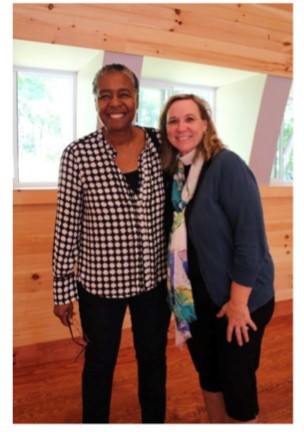
New Jersey Lilja
The Rev Dr. Traci West and the Rev Sara
Lilja at the Justice Gathering

The Justice Gathering began with a key note address from the Rev. Dr. Traci West, “We do this work because we live and embody the heart of the gospel,” she said and reminded those gathered, “Advocacy is not about making friends. It’s about loving our enemies and being God’s very agents.”

Following the address, participants moved into small groups. Led by issue experts and members of the LEAMNJ Policy Board, sessions focused on immigration, criminal justice, hunger, economic justice, environmental justice and violence prevention. Each group covenanted together to form a network of support for ongoing consultation and cooperation.

Bishop Mark Beckwith of the Episcopal Diocese of Newark declared during the closing worship, those gathered are “love-bearers and power bears” he also urged participants to continually use our power to advocate and organize and also to rely on the inexhaustible power of prayer.


Ohio

Nick Bates, Hunger Network in Ohio  www.hungernetohio.com

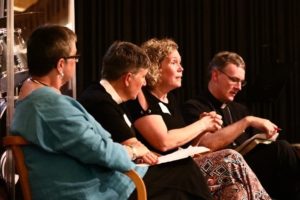
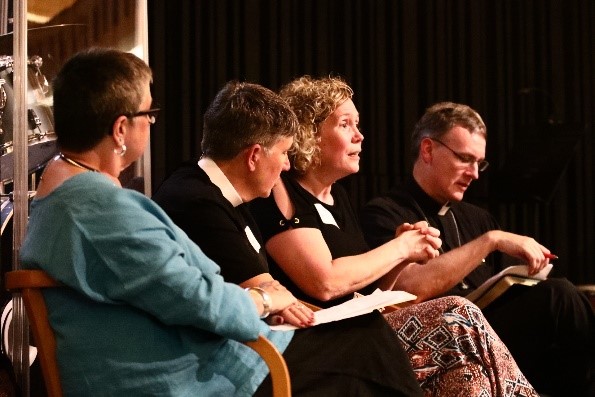
In Sunday, Sept. 24, the Hunger Network hosted its first Faith & Advocacy Summit in Columbus. The event opened with a panel discussion with judicatory leaders including Bishop Daniel Beaudoin from the Northwestern Ohio Synod, the Rev. D’Anieri (Episcopal Canon for Mission), the Rev. Stickley-Miner (Methodist Connectional Ministries), and the Rev. Tollefson (director, Ohio Council of Churches). They shared their growth and understanding of advocacy and justice as a ministry and faith issue. The panelists lifted up the importance of relationship with people in the community and shared the importance of stories to illustrate the need for justice in our world. Attendees were inspired by the personal stories of leaders in our denominations growing in their understanding of multiple issues and the complexities of the world in which we live.
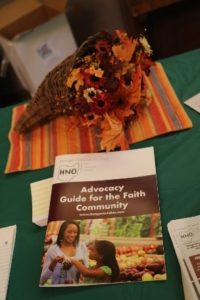
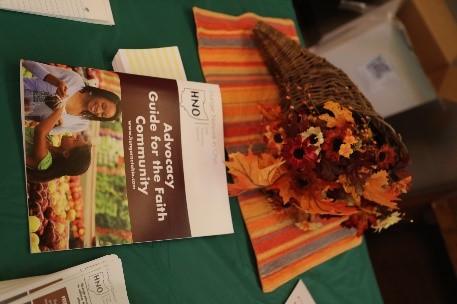
The second half of the event was the official release of our “Advocacy Guidebook for the Faith Community,” which can be read online or downloaded at hungernetohio.com/Guidebook. This guidebook will help congregations, pastors, deacons and lay leaders identify “the next step” they can take in their ministries toward justice. Whether the next step is incorporating learning into service projects or organizing a letter-writing campaign to Congress, this guidebook has simple steps and starting places to consider. If you would like additional copies designed to be workbooks for trainings, please let us know!


Pennsylvania

Tracey DePasquale, Lutheran Advocacy–Pennsylvania Lutheranadvocacypa.org

Pennsylvania Lutherans added their voices to “God’s work. Our hands.” Sunday, writing hundreds of letters to both state and federal lawmakers on the churchwide dedicated day of service on Sunday, Sept. 10. Among the issues addressed, participants spoke up against rollbacks of protections for waterways and on behalf of expanding protections of victims of child sex trafficking in Pennsylvania. Federal lawmakers received letters urging them not to eliminate the Differed Action for Childhood Arrivals (DACA) protections for young immigrants and cutbacks in environmental protections. Advocates also thanked lawmakers whose record included support for our most vulnerable neighbors.
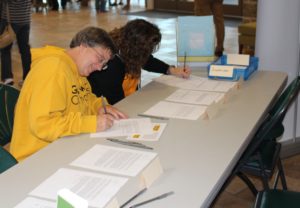
Also in September, LAMPa’s Policy Council met for its annual retreat, with learning centered on the health of the state’s thousands of miles of waterways (more than any of the other lower 48 states). Prior to the meeting, members gathered water from a water source in their region, praying for it and for the people who affect and are affected by it. The water and those stories were lifted up in devotions on Sunday night.

LAMPa Director Tracey DePasquale, along with colleagues in the Washington Advocacy Office, traveled to the Lutheran Center in Chicago to participate in the Domestic Mission Unit’s discussion around development of the churchwide organization’s operational plan and was gratified to hear so much desire for collaboration.


Southeastern Synod

Hilton Austin, Director

The real excitement this month was in Nashville, Tenn., at The Inn at Opryland for the Women of the ELCA’s 30th Annual convention. We were there for the whole convention, which was fantastic. I set up our Advocacy/World Hunger exhibit and had great conversations about the importance of state advocacy. We continue to focus on developing congregational advocacy teams. After talking to Bishop Julian Gordy and Women of the ELCA Synodical President Louise Iconis, we have decided to add a representative from Women of the ELCA to our Advocacy Policy Council.


Virginia

Kim Bobo, Virginia Interfaith Center for Public Policy  virginiainterfaithcenter.org 

The Virginia Interfaith Center for Public Policy met the threat of a white supremacy gathering in Richmond on Sept. 16 with a series of counter events, which turned out to draw exponentially more people than the original rally, planned for the statue of Robert E. Lee on the city’s Monument Avenue. Only about a half-dozen pro-Confederate demonstrators showed up, while many hundreds came to the VICPP-sponsored prayer services, rally and march. On the same day, VICPP sponsored two lectures by Dr. Nancy McLean, author of the book “Democracy in Chains.” All this, of course, was a follow-up to the tragic events in Charlottesville on Aug. 11-12, something that the people of Virginia continue to process and pray about.

Our “Welcoming All” efforts have been busy, as VICPP has been organizing the Central Virginia Sanctuary Network as well as asking supporters to help with Deferred Action for Childhood Arrivals (DACA) renewal application efforts and to visit prisoners at the Immigration and Customs Enforcement (ICE) detention center in Farmville, Va. The White House’s decision to end DACA in six months has sent waves of fear and concern across Virginia’s 12,000 “Dreamers” and their families and friends.

VICPP also asked its supporters to voice their opinions on the latest “repeal and replace” legislation for the Affordable Care Act, a bad bill that was thankfully pulled before a vote. We remain sure that the effort to scrap the act instead of improving it will continue. And while the act remains the law of the land, VICPP continues to advocate for Medicaid expansion in Virginia.


Washington

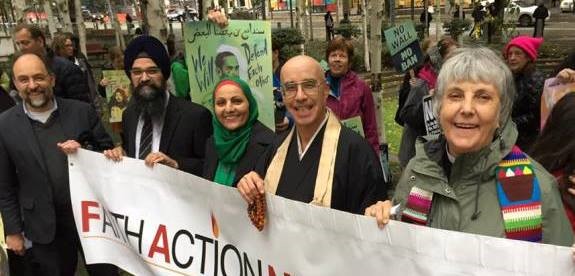
Paul Benz, Faith Action Network   fanwa.org

POLICY: FAN’s main policy issues are now at the federal level. FAN celebrates the defeat of the Affordable Care Act repeal bill in the U.S. Senate and now focuses on the House budget resolution that will include the president’s tax plan. FAN will be asking our advocates in rural, Republican districts to urge our four Republican House members to vote no to protect vulnerable households and individuals from sinking further into poverty. FAN is also engaged on the two bipartisan DACA bills that provide a pathway to citizenship for the “Dreamers” and their parents. We are also watching the Second Chance Act and the Sentencing Reform and Corrections Act, both “smart on crime” bipartisan efforts in the House and Senate.
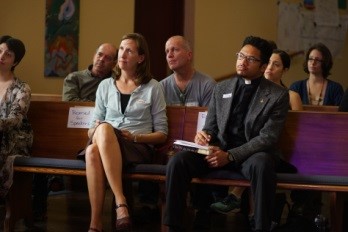
FAN Gathering DACA
FAN recently co-sponsored an event called “No Human Being is Illegal:
An Interfaith Response Supporting DACA.”

EVENTS: We are in the midst of our annual fall cluster gatherings across our state. These 22 geographic clusters meet to deepen relations with FAN advocates and friends and strengthen our advocacy efforts to make the social changes that we all desire. FAN’s Annual Fundraising Dinner will be on Nov. 19, when we will celebrate with 400 advocates and friends from different faith traditions. Our main speaker will be a state Supreme Court justice who is the first Asian American and openly gay person to serve on the court.

NEW STAFF: For the 16th consecutive year, we are excited to welcome a new ELCA seminary intern, Sarah Derrick, from the Lutheran School of Theology at Chicago. We are also eager to have our new full-time organizer, Amber Dickson, start this month.


Wisconsin

Cindy Crane, Lutheran Office for Public Policy in Wisconsin  loppw.org

WORKSHOPS AND ADVOCACY ACTIONS: LOPPW’s director preached and led workshops on advocacy and poverty at St. John’s Lutheran Church in Eau Claire and Kingo Lutheran Church in Milwaukee; participants filled out advocacy letters on protecting SNAP and child nutrition that LOPPW sent to our D.C. office. The director showed “ELCA Advocacy: Set free to do justice” during her sermon on “God’s work. Our hands.” Sunday in Eau Claire; the service was taped for a television broadcast.

The director also led a workshop on advocacy and anti-sex trafficking to adults and another workshop on advocacy, healthy versus unhealthy dating relationships, and anti-sex trafficking to youth at First Lutheran Church in Gladstone, Mich. The adults filled out letters to their senators and representatives in Congress to support the Trafficking Victims Protection Act, which has passed in the U.S. Senate.
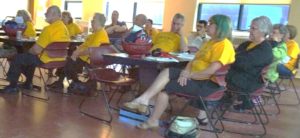
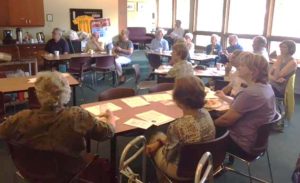
STRATEGIZING WITH LOPPW ADVISORY COUNCIL: The Advisory Council had an overnight retreat in September and decided to keep our same priorities, unless with new council members or other volunteers manage we can add an additional priority.




September 2017 ELCA Advocacy Update

Lutherans are taking action across the country! Below you will find our monthly State Advocacy Newsletter. Share with your friends!


ELCA Advocacy Office, Washington, D.C.

The Rev. Amy Reumann, director

ELCA.org/advocacy

FOR SUCH A TIME AS THIS: The day of fasting and action this month is Thursday, Sept. 21. This month, we focus on programs that help end hunger and offer critical nutrition resources for working families in need. Proven and traditional support such as the Supplemental Nutrition Assistance Program (SNAP) and child nutrition programs have helped reduce hunger and food insecurity for decades. Looming federal decisions to cut these programs could leave thousands, if not millions, unsure of where their next meal may come from. Food security gives children and adults the fundamental elements needed to grow, thrive and succeed. As churches and places of worship dedicated to ending hunger, we call on our national leaders to maintain programs for struggling low-income households.

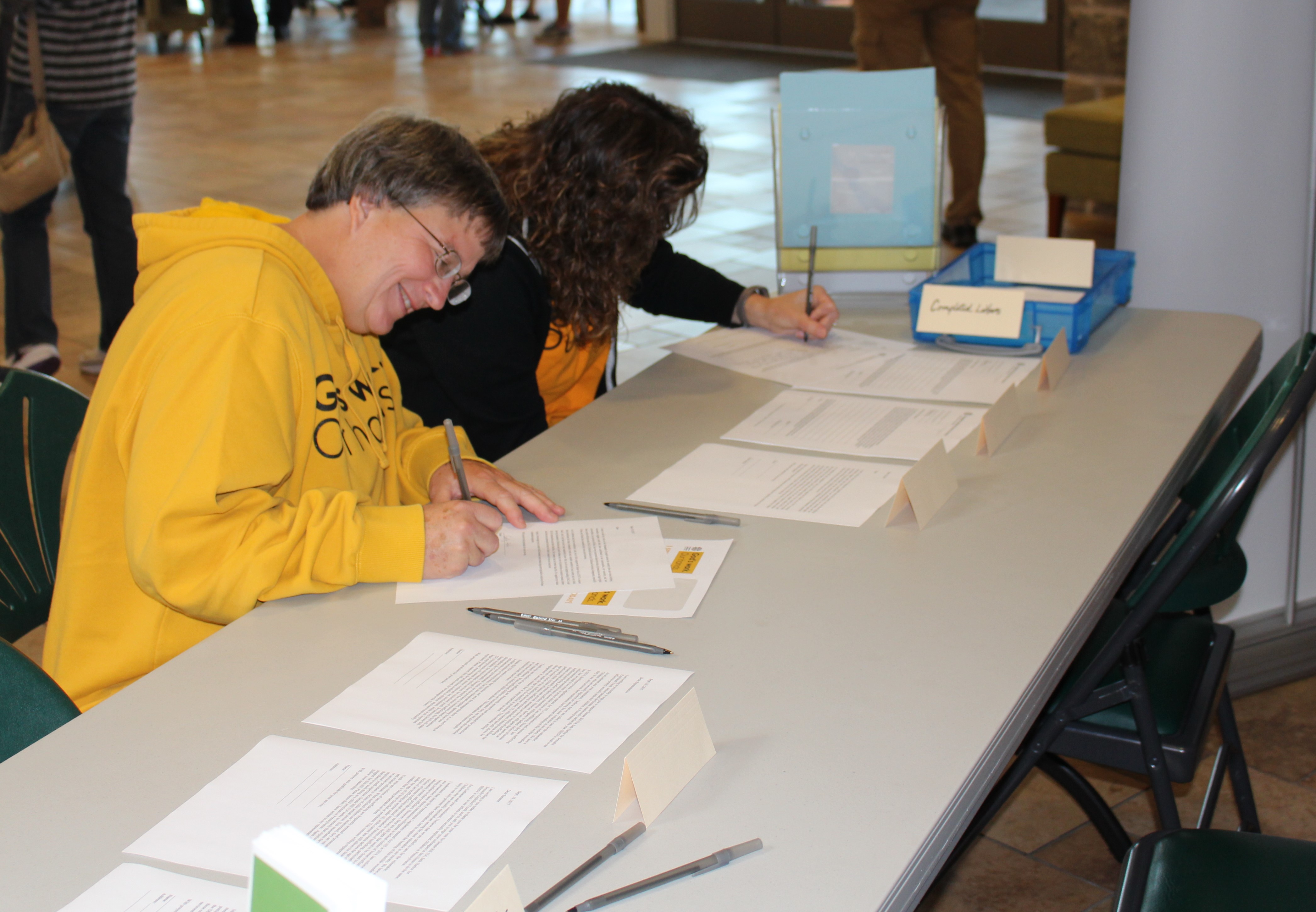
‘GOD’S WORK. OUR HANDS’ SUNDAY: ELCA Advocacy has prepared several congregation resources for those interested in including advocacy on their day of service on Sept. 10. Congregations and volunteers are encouraged to participate in letter-writing campaigns to their lawmakers on critical issues, such as: hunger, international aid, care for creation and more.

Preparing advocacy letters for a group activity is easy! Simply:

  • Print out copies for your group or congregation. *Be sure to make three for each person if you want to write to both Senators and Representative!
  • Fill out the member of Congress’ name and address info.
  • Write your own personalized message in the body of the letter, sharing why this issue is important for you or your congregation.
  • Send the completed letters to ELCA Advocacy (instructions on the letter PDF).

Interested congregations can download sample letters to fill out on the “God’s work. Our hands.” Sunday resource webpage.

DACA STATEMENT: The Trump administration announced on Sept. 5 the plan to end the Deferred Action for Childhood Arrivals (DACA) program with a six-month delay on implementation. The program has allowed nearly 800,000 “Dreamers” to have a temporary work permits, driver’s licenses and student aid, with the vast majority now contributing to the U.S. workforce. If Congress fails to pass a bill that protects DACA recipients, these young people will be at risk for deportation.

Sen. Lindsay Graham, R-S.C., who has sponsored two bills that would grant lawful status to Dreamers, has indicated that he will be pushing to pass a legislative solution to protect them. House Speaker Paul Ryan, R-Wis., has likewise supported paths to citizenship and immigration reform in the past, but passing an overhaul bill in Congress will be a challenge. ELCA Presiding Bishop Elizabeth Eaton shared a statement with lawmakers on Capitol Hill following the DACA announcement. Meanwhile, ELCA partner Lutheran Immigration and Refugee Services (LIRS) issued a statement, as well as the corresponding LIRS action alert calling in support of passing the 2017 DREAM Act. As Congress discusses possible next steps, ELCA Advocacy will continue to advocate to protects Dreamers and other vulnerable communities.


Lutheran Office for World Community, United Nations, New York, N.Y.

Dennis Frado, director

LOWC
Election of the President of the General Assembly for the seventy-second session

U.N. GENERAL ASSEMBLY: In the coming weeks, the 72nd session of the U.N. General Assembly will convene under  Miroslav Lajčák, minister of foreign and European affairs of Slovakia. Lajčák has proposed “focusing on people: striving for peace and a decent life for all on a sustainable planet” as the theme for this year’s general debate. The General Assembly also will hold several thematic meetings:

High Level Meeting on New Urban Agenda and UN-Habitat, Sept. 5-Sept. 6

High-level Forum on the Culture of Peace, Sept. 7

Progress made on SDG implementation during 71st Session,  Sept. 8

Global Plan of Action to Combat Trafficking in Persons, Sept. 27-Sept. 28

OTHER EVENTS LOWC WILL JOIN:

“Leading by Example: Faith and HIV Testing,” interfaith service and testimonies, sponsored by the World Council of Churches–Ecumenical Advocacy Alliance with the support of UNAIDS and the President’s Emergency Plan for AIDS Relief (PEPFAR) on Sept.12.

Interfaith prayer breakfast on “fostering partnerships for fast tracking access to testing and treatment to infants, children and adolescents,” sponsored by the World Council of Churches, UNAIDS and PEPFAR on Sept. 13.


California

Mark Carlson, Lutheran Office of Public Policy

loppca.org

HOSPITALITY AND HATE: On an ugly and sad Saturday in Charlottesville, an amazing gathering of California’s diversity gathered in the social hall at St. John’s Lutheran Church in Sacramento, where the Lutheran Office of Public Policy–California was site host for the statewide meeting of the California Environmental Justice Coalition. From Calexico through Coachella (photo), the rural San Joaquin Valley, West Oakland, Bayview (SF), and an Indian rancheria in Mendocino County, the group met to build community and momentum and prepare for meetings with state agencies and legislators on a variety issues.

LEGISLATIVE UPDATE: The first half of the 2017-2018 session of the California Legislature concludes Sept. 15, and Gov. Jerry Brown has until Oct. 15 to act on bills that reach his desk. LOPP-CA hosted the August lobby day for California Interfaith Power & Light and participated in the Green California lobby day and awards reception. LOPP-CA-supported bills to reform the bail system have been held until next year. Requiring a two-thirds vote, the outlook is shaky for long-negotiated legislation to add a small charge to water bills to support drinking water cleanup and affordability for low-income Californians. Other two-thirds vote, “heavy lift” legislation, including measures to place a low-income housing bond and a parks-for-all bond on the November 2018 ballot, and reform campaign finance reporting for ballot measures, are current priorities. Mark Carlson, director, spoke at a capitol lawn rally for the DISCLOSE Act, asserting that we will not let the mountain of dark money eclipse the Range of Light.


Colorado

Peter Severson, Lutheran Advocacy Ministry–Colorado

Lam-co.org

CO
Mount Crested Butte, Colo.

ANTI-POVERTY CONFERENCE: The Colorado Community Action Association held their annual anti-poverty conference Aug. 7-11 in Crested Butte. Lutheran Advocacy was present alongside government officials, direct-service providers, advocates and organizers for four days of learning and relationship-building in service of fighting the root causes of poverty in Colorado.

Presenters focused on a variety of issues, including policy mapping, affordable housing development and funding, using data in health policy making, and building relationships of trust in rural communities, among many other topics. We’re thankful to the CCAA for gathering this diverse group together to address critical human needs in our state.

FALL EVENTS: Lutheran Advocacy is preparing for several events this fall, including the Rocky Mountain Synod Theological Conference Sept. 18-21 in Colorado Springs. We are cosponsoring the Colorado Social Legislation Committee Fall Forum during the final week in October, which will focus on the impact of the federal budget on Colorado. And we’ll be traveling around Front Range communities to visit ministries and  congregations to share updates on our advocacy work, including Greeley, Longmont, Broomfield and Denver. Keep in touch through our email list, Facebook page and Twitter to get the latest updates!


Minnesota

Tammy Walhof, Lutheran Advocacy–Minnesota

lutheranadvocacymn.org

MN
Kendrick Dwight, holding the “L,” is the third from the left.

HUNGER ADVOCACY FELLOW: Please welcome Kendrick Dwight as our new Hunger Advocacy Fellow. More information about Kendrick and the work he will be doing with congregations and hunger teams coming soon!

FAITH LEADER LETTER ON CLEAN ENERGY: The Renewable Energy Standard Minnesota passed in 2007 with broad bipartisan support mandated that 25 percent of Minnesota’s energy come from renewable sources by 2025 (30 percent for Xcel Energy). Minnesota is on target to exceed the mandate, and various studies have shown that Minnesota could dramatically increase renewable energy use without sacrificing reliability or causing grid problems. Wind is Minnesota’s cheapest energy, and now solar is also competitive. Bipartisan legislation for an updated standard of 50 percent renewable energy by 2030 was introduced during the 2017 legislative session. Unfortunately, several legislators oppose these changes based on outdated concerns, cost misunderstandings, and significant pressure from fossil-fuel campaign contributors. Lutheran Advocacy-MN, Minnesota Interfaith Power and Light, ISAIAH, and the EcoFaith Networks from the Minneapolis Area Synod and the Northeastern Minnesota Synod, ask church leaders to sign a letter and add a note for legislators in support of the improved standard. An educational event is also being planned for Oct. 24.

PROTECT OUR HOMES: Some Homes for All Coalition groups, including Lutheran Advocacy-MN, have formed “Protect our Homes” to address federal affordable housing concerns. In August, we met with Rep. Keith Ellison to talk about severe cuts proposed to housing programs and to consider what can be done in Congress to save them. Watch for upcoming action alerts!

LA-MN Director, Tammy Walhof, is on the far left in pink


New Mexico

Ruth Hoffman, Lutheran Advocacy Ministry–New Mexico

lutheranadvocacynm.org/

FARM BILL LISTENING SESSION: U.S. Rep. Michelle Lujan Grisham, D-N.M., recently held a listening session about the federal farm bill. She is a member of the House Committee on Agriculture, which has primary responsibility for the development of the legislation to reauthorize the farm bill, which includes the SNAP (Supplemental Nutrition Assistance Program) as well as other vital nutrition programs.

LAM-NM was invited to participate in the session and to provide input about crucial provisions of the farm bill. LAM-NM Director Ruth Hoffman made these points: not enacting new work requirements for SNAP recipients, rescinding the SNAP ABAWD work requirements, increasing the monthly allotments for SNAP recipient,; making no cuts to SNAP eligibility standards, and not block granting SNAP funding.


Ohio

Nick Bates, The Faith Coalition for the Common Good

Nick@HungerNetOhio.org

HUNGER NETWORK IN OHIO: We would like to thank three congregations in the Clintonville neighborhood of Columbus for their public witness and advocacy over the weekend on hunger issues. Clinton Heights Lutheran Church, North Community Lutheran Church, and Maple Groove United Methodist Church sit within 2.5 miles of each other along the main corridor of High Street. The Lutheran congregations sponsored a hunger walk on Saturday where they witnessed to the community and raised awareness about hunger in Ohio. They also collected food and money to support local hunger ministries. On Sunday, Maple Grove  sponsored their food-for-all Sunday, where the congregation dedicated their worship time to service projects.

All three congregations understand that we cannot just feed people today but must also engage policymakers on these issues. Members wrote letters to Sen. Rob Portman, encouraging him to protect the Supplemental Nutrition Assistance Program and other programs that address hunger. Our budgets are moral documents, and we need to make sure our legislators know this.

The Hunger Network will gladly help other congregations identify ways to incorporate advocacy into their charity projects. As key hunger advocates around Ohio have repeatedly said, “We cannot foodbank our way out of hunger. We need a public commitment to it.” Please contact us at Nick@Hungernetohio.com with any questions or to request a facilitator for an advocacy project.


Pennsylvania

Tracey DePasquale, Lutheran Advocacy–Pennsylvania

Lutheranadvocacypa.org

In August, the state budget remained half-complete, with a spending plan passed, and a revenue package awaiting action by the House, which remained on recess. The House is scheduled to return to Harrisburg Sept. 11. Lawmakers are facing a $2.3 billion deficit. The Senate passed a revenue plan in late July that included a variety of revenue sources, including a severance tax on Marcellus Shale that was lower than that requested by the governor in return for rollbacks on environmental protections – a trade that LAMPa opposes. Among House proposals being circulated to close the gap are attempts to transfer money from non-General Fund accounts – in effect taking money already set aside for specific projects and diverting it to the overall budget.

LAMPa Director Tracey DePasquale had the opportunity to update the board of directors of SpiriTrust Lutheran on Aug. 17 about the LAMPa agenda and what is happening and not happening in Harrisburg. LAMPa remains grateful for the continued support and partnership with SpiriTrust in caring for our neighbors in southcentral Pennsylvania.

On Aug. 20, LAMPa offered two advocacy workshops at the convention of the Lower Susquehanna Synod Women of the ELCA and thanked them for their work against human trafficking, particularly sex trafficking of minors in Pennsylvania.

In addition, LAMPa has been preparing congregations around the state to add advocacy to their “God’s Work. Our Hands.” Sunday, Sept. 10, and planning for our annual policy council retreat later this month.


Southeastern Synod

Hilton Austin, Director

We continue to encourage and support congregations with, or in the process of developing, advocacy teams, while continuing to educate folks on current social issues. Melanie Johnson has been busy making presentations to congregations interested in Circle of Welcome. At present, there are two Southeastern Synod  congregations involved, St John’s and Resurrection (Trinity is doing the same thing; they just started pre-program); I am sure that number will continue to grow.

“FOR SUCH A TIME …” : On Aug. 26, I attended Atlantans Building Leadership for Empowerment’s (ABLE) “For Such A Time As This” banquet. That night it was announced that the Rev. Ronald Bonner, assistant to the bishop, is the new president of ABLE. This will bring a new dimension to our advocacy partnership; Ron and I have already discussed how we can expand this relationship across the synod. In September, we will have an exhibit at the Women of the ELCA convention, and in October, we will be at the SES Leadership Convocation.

IMMIGRATION: We are still in the process of gathering folks to participate in the AMMPARO Guardian Angel program in Georgia. Twelve people will participate by accompanying immigrants at the Atlanta Immigration Court. They will work in pairs, one must speak Spanish; training will be provided by AMMPARO. Mary Campbell will set that up as soon as we have the 12 people; we are well on our way.

As Congress comes back from recess, we are mobilizing all of our people to react to the important issues that affect many of our neighbors. We are here “For Such A Time As This.”


Virginia

Kim Bobo, Virginia Interfaith Center for Public Policy

virginiainterfaithcenter.org 

The Rev. Juan Gutierrez Palomino was deported last week to Peru, a country he hasn’t been to for 15 years. His wife and children in Dumfries, all U.S. citizens, are left without their father, husband and breadwinner. VICPP had been working for his release and now is helping his family. Palomino was detained by Immigration and Customs Enforcement at a regular check-in, as he had been doing faithfully for years, and was not granted a day in court to make his case. Deporting pastors, fathers, husbands and community members serves no purpose other than amplifying fear and distrust in the community. In the wake of the Aug. 11-12 tragedy in Charlottesville, it’s clear Virginia and the nation have not sufficiently grappled with our racist history and systemic racism. If our democracy is going to stand and our nation to prosper, we must find new ways to address our history and break down barriers that harm and exclude our neighbors based on race, religion or ethnicity.

VICPP has a petition online that calls on the Legislature to take action to welcome all, specifically in tracking hate crimes and establishing a task force to address racism and exclusion in Virginia. You can sign the petition here. Our Richmond Chapter is partnering with the Richmond Office of Community Wealth Building to develop a Living Wage Certification program. We are also developing this program in Charlottesville and Alexandria. Find a copy of the application on the website, or email Kim@virginiainterfaithcenter.org for more details. VICPP’s Annual Meeting and Awards Celebration will be Dec. 7 in Richmond.


Wisconsin

Cindy Crane, Lutheran Office for Public Policy in Wisconsin                                    

Loppw.org

CARE FOR GOD’S CREATION: LOPPW is advocating for legislators to amend a bill, which includes diminishing environmental regulations for companies that build in electronics and information technology manufacturing zone, to not ease any of the state environmental regulations it proposes to ease. The director attended the public hearing for the bill and also spoke on the radio about our concerns.  Here is LOPPW’s news release: thewheelerreport.com/wheeler_docs/files/0830loppwi.pdf.

BISHOPS AND ADVISORY COUNCIL: The director recently met with all six bishops to prepare for our annual advisory council/staff retreat to discuss LOPPW’s priorities. The bishops expressed concerns about poverty and opioid abuse in their communities, the treatment of people who are immigrants and refugees, human trafficking and affordable housing.  The director began working with an advisory council member to plan our September retreat.

ADVOCACY RETREAT FOR COLLEGE STUDENTS: The campus pastor at UW-Madison, a volunteer and the director are finalizing a flyer to advertise our Nov. 3-4 retreat for college students interested in taking leadership in advocacy. This will be an ELCA event advertised via our campus ministries in Wisconsin and the Upper Peninsula of Michigan, and it will include information on how young adults can be more involved in the ELCA. The retreat will be open to any interested student.

MONDAY QUOTES: LOPPW has invited people via our database and social media to send us quotes that inspire them. We share at least one quote we receive with a reflection on Mondays.

The Importance of Food for Peace


Since Congress has gone home for August recess, the budget for Fiscal Year 2018 remains unclear. It is during these times of uncertainty, that it becomes even more important to remember the most vulnerable around the world. There are various ways that the United States assists those in need in the international community and it is no surprise that securing food—a necessity for all people—is one way to do this. “Food for Peace” is a program that began in the 1950s as a way to provide food assistance to those in need in other countries. After several innovations over the years, including restructuring under the Food for Peace Act (2008), it is now a program that is managed primarily by the United States Agency of International Development (USAID) and the United States Department of Agriculture (USDA). The most important piece of the program is arguably Title II, which provides emergency and development food aid to countries that face difficulty with feeding their people.

How does Title II work?

The mission of Food for Peace programs is to “combat malnutrition, improve the livelihoods of vulnerable groups and mitigate the impact of disasters which are occurring with greater frequency.” Keeping these goals in mind, as well as the proposed budget of the President, USAID and the State Department submit an annual budget to Congress to be approved. When levels of funding are established, international organizations and private organizations submit program proposals and work with USAID to create food aid plans. The USDA plays a part in the process by obtaining agricultural commodities, while USAID facilitates getting the food shipped to the various countries. This process ultimately leads to feeding millions of children, mothers, the elderly, and other vulnerable populations. Approximately 3 billion have benefited from U.S. food assistance to date.

Our priorities as Lutherans

Scripture teaches us that having been justified by faith, one of the ways faith is revealed is through good works: “For just as the body without the spirit is dead, so faith without works is also dead” (James 2:26 NRSV). Food for Peace is an exemplary program and is an essential element in promoting food security in times of natural disaster, famine, and high levels of world poverty. As disciples of Christ, we are not only members of our familiar communities at home, but are a part of a global community. This fact, combined with our strong belief in helping our neighbor, compels us to support communities that are in the most need—no matter their country of origin or circumstances.

Alleviating hunger is one of several ways we can serve all people and contribute to the establishment of peace in our world, an important part of the Lutheran baptismal covenant. Programs like Food for Peace are critical for countries like the Democratic Republic of Congo (DRC) where violent conflicts continue to wreak havoc in various regions of the country.  This is reflected in the 3.8 million who remain internally displaced in the DRC, many of which are unable to feed their families. The struggle of food security in conflict zones that exist within unstable countries like the DRC is prevalent, but this is where food assistance provided from Food for Peace can really make an important difference. Lutherans have long supported the revitalization of foreign humanitarian aid that brings us closer to a peaceful world.

As Lutherans, let us not forget about those who go without the most basic necessities and let us prayerfully use our voices to support programs that help bring peace to the world.


August Advocacy Update

Lutherans are taking action across the country! Below you will find our monthly State Advocacy Newsletter. Share with your friends!


ELCA Advocacy Office, Washington, D.C.

The Rev. Amy Reumann, director

ELCA.org/advocacy

FOR SUCH A TIME (AUGUST):

This month’s day of fasting and action is Monday, Aug. 21. In August, we focus on programs that provide relief from the effects of environmental degradation on the livelihoods of the poorest among us. As Lutherans, we are called to “seek sufficient, sustainable livelihood for all” and to ensure that all of God’s children are cared for, no matter where they live.
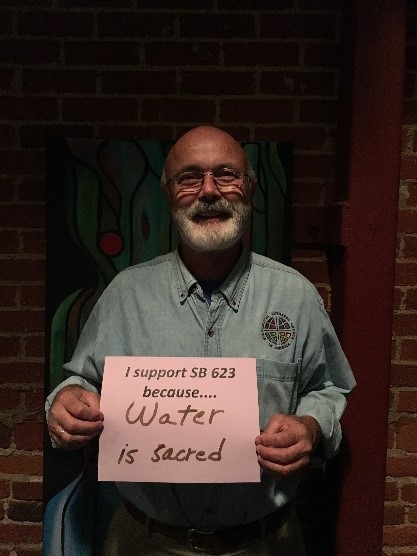
The U.N. Environment Programme (UNEP) “Healthy Environment, Healthy People” 2016 report showed that “in 2012, an estimated 12.6 million deaths globally were attributable to the environment. The air we breathe, the food we eat, the water we drink, and the ecosystems that sustain us are estimated to be responsible for 23 per cent of all deaths worldwide.” To prepare for the day of fasting and action, read the joint ELCA Advocacy and Episcopal Church prayer resources and look for action alerts in the coming weeks!

HEALTH CARE: On Friday, July 28, in the early morning hours, the Senate defeated legislation that would have ended health care coverage for millions of seniors, veterans, children and low-income working families. Lutherans sent more than 3,000 emails and calls to their senators, and the impact is now clear.

Our elected leaders must find bi-partisan solutions to the challenges that face our nation. Bi-partisan proposals to address health care are now being offered in both chambers. ELCA Advocacy will continue to track these developments and encourage August recess activities.

FOREIGN ASSISTANCE: On July 19, ecumenical and interfaith leaders from around the country, including ELCA pastors, came to Washington, D.C., to meet with their members of Congress in support of robust funding for foreign assistance. They shared their stories and faith-inspired convictions for why it is important for the U.S. government to maintain its funding support for humanitarian relief and development assistance. The event was organized by the Interfaith Working Group on Foreign Assistance, of which ELCA Advocacy Office is a member.

IMMIGRATION:  At the end of July, the House of Representatives passed a spending package that includes funds to build a southern border wall. This bill is not likely to move forward in the Senate. ELCA Advocacy, alongside other Interfaith Immigration Coalition members, has been advocating against funding the radical expansion of detention and deportations of migrants. This is especially important because the Department of Homeland Security has begun targeting unaccompanied children who have turned 18 and the sponsors of the children for detention for deportation.

AUGUST RECESS ACTION: Lawmakers will soon depart Washington, D.C., and return to their home districts for the August recess. This is a great time to meet with your members of Congress face-to-face, ask questions and engage on critical issues happening at the national level. Read more about how you can plan for advocacy this summer at the ELCA Advocacy Resource Center.


Lutheran Office for World Community, United Nations, New York, N.Y.

Dennis Frado, director

KEY PRIORTIES ON SUSTAINABLE DEVELOPMENT GOALS 5 and 16:  

On July 14, the Women’s International League for Peace and Freedom held a panel discussion during the forum titled “From Shrinking Spaces to Feminist Movement Building: Key Priorities on SDG 5 and 16 for Sustaining Peace.” The panel focused on the role of women’s rights nongovernmental organizations (NGOs) worldwide in the achievement of the sustainable development goals. Lopa Banerjee Bianco, from U.N. Women, spoke about conservatism and fundamentalism undermining social justice and solidarity and about the current resistance to key aspects of women’s rights.

Panelists included representatives from WILPF (Women’s International League for Peace and Freedom) Sweden, Women for Women International, Women Deliver, and Estudio e Investigation de la Mujer. All panelists spoke of shrinking NGO space in national capacities and the threats of violence toward feminist activists. An emphasis was made on the importance of creating flexible funding towards local NGOs to ensure effective implementation of existing commitments and ensuring the voices of rural and local women are heard.

Mabel Bianco, from the Fundación para Estudio e Investigation de la Mujer in Argentina, discussed NGO involvement with several national review processes, declaring that many countries do not allow for meaningful participation of women’s groups.


California

Mark Carlson, Lutheran Office of Public Policy

loppca.org

RENEWABLE ENERGY: California Senate President Kevin de León has introduced a plan, SB 100, to reach 100 percent carbon-free electrical energy for the state within 30 years, aiming toward 50 percent by 2030 and 100 percent 2045. There are debates over what constitutes “carbon-free” and over the economics of reaching the last few percentage points, but LOPP-CA and California Interfaith Power & Light support the “aspirational goal” of 100 percent as a means of sending market signals, driving technological innovation, and continuing to grow a green economy.

CARBON EMISSIONS: On July 25, Gov. Jerry Brown signed into law a cap-and-trade carbon emissions reduction policy that modifies and extends the 2006 landmark climate change law, originally supported by LOPP-CA. AB 398 sets a target to make a 40 percent cut from 1990 levels by 2030. LOPP-CA was intensely focused on this issue for several weeks, that included a 2½-hour Sunday afternoon meeting (Saturday invitation) of about 20 nongovernmental organization representatives with Brown, legislative leadership staff, and California Air Resources Board staff. LOPP-CA was the leading faith voice in the Legislature in the days leading up to its final passage. The compromise, which required two-thirds of the Legislature to pass, gathered support of several GOP lawmakers – but also came in the face of opposition from several groups on both sides of the aisle. The Washington Post has the full story.

AIR POLLUTION: Policy Council Chair Sharon Heck (pictured (right) with California Assembly member Christina Garcia (left)) represented LOPP-CA at the Bell Gardens bill-signing of a companion air pollution measure, AB 617, which was an essential part of the compromise package, and addresses direct threats to human health from “criteria air pollutants” and “toxic air contaminants.”


Colorado

Peter Severson, Lutheran Advocacy Ministry–Colorado

Lam-co.org

ADVOCACY VISIT: LAM-CO Director Peter Severson visited Lord of the Hills Lutheran Church in Centennial, Colo., to preach and share about our church’s work in advocacy on July 8-9. Thanks to all those in attendance for the warm welcome!

HUNGER AND THE FEDERAL BUDGET: LAM-CO is partnering with Hunger Free Colorado to advocate against cuts to SNAP (Supplemental Nutrition Assistance Program) in the 2018 federal budget. The version released by the House Budget Committee on July 19 contains many worrisome proposals, all of which will impact the ability of Colorado counties to effectively address hunger. These include cuts to SNAP, TANF (Temporary Assistance to Needy Families), low-income tax credits, and the School Meal Community Eligibility Provision.


Minnesota

Tammy Walhof, Lutheran Advocacy–Minnesota

lutheranadvocacymn.org

NEW POSITION AT LA-MN: Lutheran Advocacy-MN is one of three state offices adding a new one-year Hunger Advocacy Fellow soon, funded by ELCA World Hunger.

WOMEN OF THE ELCA TRIENNIAL: Representing ELCA Advocacy, LA-MN Director Tammy Walhof had the opportunity to meet people from around the country, sign them up with ELCA Advocacy, and get them to call U.S. senators about health care (600 alerts were distributed). She also helped AMMPARO lead several “groups of migrants” (Women of the ELCA ladies) on a “dangerous migration” so they could better understand the situation of Central American migrants. (AMMPARO simulation).

LEFTOVER SESSION ISSUES: Gov. Mark Dayton’s line-item veto of the Legislature’s funding to force re-negotiations was deemed unconstitutional (balance of power issues). The governor’s office has appealed. Indications suggest the Legislature’s 11th-hour insertion of Revenue Department funding elimination if the bill was vetoed would likely be unconstitutional but didn’t go to court because it wasn’t tested with a veto. Many legislators of both parties were angered by the insertion, especially since there was no opportunity to read final bills. House Speaker Daudt dropped a lawsuit to prevent legislative salary increases as it would likely be ruled unconstitutional given the constitutional amendment establishing the nonpartisan salary commission.

FEDERAL ISSUES: Oh, my!! Watch for coming action alerts!!

Like and follow us on Facebook, follow us on Twitter (@LuthAdvocacyMN), and check for updates regularly on our website


New Mexico

Ruth Hoffman, Lutheran Advocacy Ministry–New Mexico

lutheranadvocacynm.org/

BUDGET CUTS TO HOUSING PROGRAMS: Lutheran Advocacy Ministry-NM joined with other advocates for people experiencing homelessness and for housing for all at a news conference last week. Advocates brought pillows to symbolize the need for more funding for affordable housing and to oppose the proposed federal House budget, which could result in very harsh cuts to federal housing programs.


OPPOSING MEDICAID COPAYS: As a member of the state Medicaid Advisory Committee, LAM-NM Director Ruth Hoffman recently spoke against the state Human Services Department proposal to impose new copays on many Medicaid recipients. A number of studies have shown that copays drive low-income people away from health care and suppress enrollment.


Ohio

Nick Bates, The Faith Coalition for the Common Good

Nick@HungerNetOhio.org

FAITH AND ADVOCACY SUMMIT: The Hunger Network will host its annual summit on Sept. 24 and feature a discussion with ecumenical judicatory leaders on justice ministries followed by a training and discussion on how faith leaders around Ohio can do advocacy and justice in their communities. Each attendee will receive a copy of our new Advocacy Guidebook for Faith Leaders that will be released at the event! Register to attend here: hungernetohio.com/register.

STATE BUDGET UPDATE: Gov. John Kasich signed the budget in the last half hour of June and issued 47 vetoes. Thankfully, Kasich vetoed many dangerous proposals to Medicaid, and the House and Senate, as of this writing, have been unable to override these vetoes. We are thankful for all of those who attended a rally on July 5 calling on House leaders to not override the veto. The rally was emceed by the Rev. Tim Ahrens of First Congregational Church. While the vetoes are good news, we are disappointed that the Legislature was unable to consider new revenue to address poverty in Ohio, expand the Ohio Housing Trust Fund or resources for food banks You can read a full recap of our budget issues here.


Pennsylvania

Tracey DePasquale, Lutheran Advocacy–Pennsylvania

Lutheranadvocacypa.org

STATE BUDGET DEAL: In the waning days of July, with the House already in recess until September, the Senate passed a revenue package that for the first time includes a severance tax on gas drilling but trades it for seriously weakened regulations on the industry and attacks on Medicaid. HB 542 borrows $1.2 billion to fill in a hole left in the 2016-2017 budget. A severance tax on natural gas drillers would generate about $80 million in new revenue in addition to the current impact fee.

LAMPa opposes the environmental protection rollbacks in this budget deal, which effectively strips the Department of Environmental Protection of its ability to regulate the oil and gas industry by requiring it to use third-party contractors to speed up the permitting process, with permits automatically approved if not resolved in a short time frame. It also eases regulations for coal-related manganese discharges within 5 miles of drinking water supplies. The plan also allows oil and gas wastewater treatment facilities to operate under expired permits until 2019, putting drinking-water sources at risk.

As part of budget negotiations, the Senate passed HB59 with provisions imposing work requirements on Medicaid beneficiaries. The provisions open the door to cuts in “nonessential” benefits, including things such as dental, vision and prescription drugs.

LAMPa applauds proposed changes to the School Code that prohibit lunch shaming – in which students who cannot afford to pay or whose account balances are low are denied meals or singled out for embarrassment.


Washington

Paul Benz, Faith Acton Network

fanwa.org

STATE ISSUES: Our Legislature has finally adjourned after three 30-day special sessions. Late on the last day of the fiscal year, the Legislature made a bipartisan agreement on the $43.8 billion biennial budget. It was funded by increases in property tax, repealing three tax exemptions, and borrowing from our “rainy day” fund. Much of the revenue increase went to fund public education to fulfill a state Supreme Court ruling. No cuts were made to human service programs, but only minimal increases were funded. Our $4.2 billion capital budget was not passed, which contains critical investments for school construction and affordable housing.

Fanwa8.2
FAN was part of a meeting with Sen. Patty Murray that was convened
by our interfaith partners at the Council on American Islamic Relations
on the important topic of Islamophobia.

CONGRESSIONAL ISSUES: FAN continues to work with our Health Care as a Human Right coalition, and we are now working on August recess meetings particularly asking for support and co-sponsors of HR 676, the Medicare For All bill. FAN is also monitoring and signing on to the faithful budget letter coming from the interfaith advocacy groups in Washington, D.C.

FAN PROGRAMING AND STAFF UPDATES: We are in the midst of holding annual gatherings for the 200 liaisons to our growing statewide Network of Advocating Faith Communities; our legislative district coordinators; and our 19 geographic clusters of advocating faith communities. These gatherings let us hear about local advocacy efforts, share FAN updates, and talk about how we can be more effective together.


Wisconsin

Cindy Crane, Lutheran Office for Public Policy in Wisconsin                                    

Loppw.org

CARE FOR GOD’S CREATION: RE-AMP is a group of environmental advocates that focuses on eight Midwestern states to reduce carbon dioxide emissions. In July, LOPPW was part of RE-AMP’s annual gathering in Chicago. Interesting meeting tidbits: Kenote Keya Chatterje (U.S. Climate Network) said, “We are the first generation to see the effects of climate change and the last to be able to do anything about it.” Study in Toledo – 10 focus groups were held to discuss political candidates and jobs. All participants said they trusted steel and other factory jobs returning more than green jobs. Not enough is known about green jobs. Find them in your state, get specific about describing them, and make them known.

EAST-CENTRAL SYNOD OF WISCONSIN ADVOCACY:  The synod just set dates in the winter to hold an advocacy gathering in two locations. The focus will be on refugees, immigration and advocacy, led by Bishop Gerald Mansholt and LOPPW. LOPPW is assisting with the organizing.

ADVOCACY RETREAT FOR COLLEGE STUDENTS: LOPPW’s director met with a campus pastor and volunteer to continue to organize a fall overnight retreat. The director had contacted several campus pastors during synod assemblies in the spring and early summer.

HEALTH CARE AND OUR VALUES: In the context of lifting up Washington, D.C., action alerts and using Facebook, we have tried to make our devotionals on the social statements better known to remind people that we have a voice as a church rooted in our values.

July Advocacy Update

Lutherans are taking action across the country! Below you will find our monthly State Advocacy Newsletter. Share with your friends!


ELCA Advocacy Office, Washington, D.C.

The Rev. Amy Reumann, director

ELCA.org/advocacy

FOR SUCH A TIME AS THIS: PRAYER, FASTING AND ACTION (#PrayFastAct): The next “For Such a Time” day of prayer, fasting and action with the Episcopal Church is Friday, July 21. This month, the presiding bishops of both churches urge action to protect funding for the U.S. International Affairs budget. Our country has a rich history of fighting extreme poverty and responding to humanitarian crises around the world. Although it’s less than 1 percent of the federal budget, foreign assistance has saved millions of lives and continues to do so today. With more than 20 million people at risk of starvation globally, and millions more displaced, the need for foreign assistance is as great as it has ever been.

As a church together, we ask our members of Congress to protect funding for international programs that provide relief and support livelihood for the poorest among us. Visit elca.org/PrayFastAct for resources and to learn how to take action.
HEALTH CARE IN CONGRESS: Senate leaders released their draft reform of the Affordable Care Act in late June. The Congressional Budget Office reported that under the current Senate proposal, 22 million people would lose their health coverage over 10 years – many from families who would choose to opt-out of health care after massive deductible increases. Like the House bill, the Senate version would also reduce Medicaid spending for low-income households, increase costs for people with pre-existing conditions in certain states, and roll back important improvements made for women, veterans and seniors.
Following announced opposition from other GOP senators, Majority Leader Mitch McConnell pushed back the voting timeline until after the Fourth of July recess. Lawmakers will likely discuss the best way to proceed on health care as they go back to their home districts. ELCA Advocacy posted an action alert after the Senate bill was released, with over 1,000 Lutherans responding. With the members of Congress back in their districts, now is a critical time to contact them on health care.

IMMIGRATION: On June 16, Department of Homeland Security Secretary John Kelly took back the Deferred Action for Parental Arrivals (DAPA) policy. DAPA, which was signed by President Obama and was never implemented, would have provided deportation relief for undocumented parents of U.S. citizens children. DAPA, signed by the Obama administration, was never implemented. Kelly also signaled that the original Deferred Action for Childhood Arrivals (DACA) program, which provides relief from deportation to thousands of young people who grew up in the U.S., will remain for the foreseeable future. At the end of June, the U.S. Supreme Court agreed to review rulings from lower courts that blocked the implementation of President Trump’s executive order on refugees. In addition, the court granted the Trump administration’s request to allow a part of the travel ban that prevents citizens from six countries without ties to the U.S. to be denied entry into the U.S. ELCA Advocacy is coordinating with Lutheran Immigration and Refugee Service (LIRS) to ensure our full support for the refugee resettlement program. You can read the full LIRS statement and action alert on the issue here.

WOMEN AND PEACE: On June 20, the House of Representatives passed the Women, Peace, and Security Act of 2017 (H.R. 2484), a bill requiring the U.S. government to promote meaningful participation of women in mediation and negotiation processes that seek to prevent, mitigate or resolve violent conflict. The bill will now go to the Senate for consideration. ELCA Advocacy is monitoring the bill and continues to support women’s inclusion in peace processes worldwide.

For more on critical international issues, from the ongoing UN Climate Action Plan to the debate on why Foreign Assistance matters, visit the ELCA Advocacy Blog.


Lutheran Office for World Community, United Nations, New York, N.Y.

Dennis Frado, director

PLAN OF ACTION FOR RELIGIOUS LEADERS AND ACTORS TO PREVENT AND COUNTER INCITEMENT TO VIOLENCE THAT COULD LEAD TO ATROCITY CRIMES: On June 12, the World Council of Churches held a formal briefing with the U.N. Office on Genocide Prevention and the Responsibility to Protect on the Global Plan of Action for Religious Leaders and Actors to Prevent and Counter Incitement to Violence that Could Lead to Atrocity Crimes.

The briefing focused on the role of faith-based organizations, religious entities, and religious actors in anticipation of the July 14 release of the Global Plan of Action, the first of its kind that addresses the role of religious leaders on prevention.

Simona Cruciani, the political affairs officer at the U.N. Office on Genocide Prevention, previewed and outlined the five regional consultations that have occurred since 2015 in which over 250 religious leaders in 80 countries participated in the creation of regional plans of actions.

There will be a half-session on implementation strategies for faith-based organizations on July 17  following the launch of Global Plan of Action on July 14.


California

Mark Carlson, Lutheran Office of Public Policy

loppca.org

WESTERN STATES YOUTH GATHERING, Dream Big, was held at California Lutheran University at the end of June. LOPP-CA’s director, Mark Carlson, partnered for a couple of care for creation and climate-change workshops with a Ventura County-based AmeriCorps volunteer serving with CivicSpark, an initiative of Gov. Jerry Brown and the Local Government Commission, which places energy and water fellows with local governments, working on a diverse array of projects.  Carlson also initiated invitations to presenters to do other workshops on youth and climate change (California Interfaith Power & Light), immigration and refugees (the Rev. Alexia Salvatierra), and gun violence (Joint Episcopal-Lutheran Gun Violence Prevention Task Force of Southern California), each offered twice. Several sessions drew standing and sitting-on-the- classroom-floor crowds of interested youth and adults.

LEGISLATIVE UPDATE: SB 54, the California Values Act, which seeks to separate state and local law enforcement from immigration enforcement in most circumstances, passed the Assembly Public Safety Committee and continues a path to the Assembly floor, where the outcome is uncertain. Over 15 faith leaders and advocates (see photo right), including Carlson, the Rev. Jason Bense, and Sierra Pacific Synod Bishop Mark Holmerud and his wife, Debbi, (a retired high school principal), met with two of Gov. Brown’s policy staff. The values of due process, hospitality and the safety and dignity of all were shared. A few shared their stories, including a couple accompanied by the Holmeruds. Gov. Brown has not yet indicated a position on SB 54.


Colorado

Peter Severson, Lutheran Advocacy Ministry–Colorado

Lam-co.org

SENATE HEALTH CARE BILL: Lutherans were out in force to respond to the released draft of the Senate’s Better Care Reconciliation Act. Colorado Sen. Cory Gardner was one of the lawmakers who worked on the bill behind closed doors, and Lutheran Advocacy Ministry-Colorado helped facilitate visits to the senator’s offices around the state to respond to the proposed deep cuts in Medicaid and other critical health care services.

In Denver, Director Peter Severson joined Rocky Mountain Synod intern Kaari von Bernuth (photo below) to speak to staffers about the people who benefit from Medicaid and to advocate against lifetime per capita caps.

In Gardner’s home town of Yuma, Col., staff from Eben Ezer Lutheran Care Center in Brush (50 miles to the west) drove to visit the senator’s office, including CEO. Shelly Griffith, Deacon Ro Fesser, and the Rev. Dan Hays. They shared stories of the nearly 130 people living at Eben Ezer who benefit from Medicaid, people who would be severely hurt by the proposed cuts and lifetime caps. Eben Ezer also serves an additional 130 Medicaid clients through home-health services in a seven-county region.

We will continue to join our Colorado-based and national partners in advocating for health care reform that doesn’t cut off services for poor and vulnerable people in order to pay for tax cuts for the wealthy. Stay tuned!

For more on this story and others like it, visit the Rocky Mountain Synod blog, RMS in the Neighborhood.


Minnesota

Tammy Walhof, Lutheran Advocacy–Minnesota

lutheranadvocacymn.org

CONTINUING CHAOS: The session is over – everything is settled. Right? Wrong! The tax bill included a provision to defund the Department of Revenue if the bill was vetoed. Even some key negotiators seemed blindsided that it ended up in the final bill. So, seeking leverage to bring the Legislature back to the negotiating table on a few items, Gov. Mark Dayton line-item vetoed Legislature funding. Was that unconstitutional? Some say it violates the balance of power, but the statute doesn’t prohibit it. Was it unconstitutional for the Legislature to defund the Revenue Department if the tax bill was vetoed? Now the courts are involved. Let’s see what happens!

THANKS FOR GOOD BEHAVIOR/WORK AND PRAY FOR BETTER: Despite new lows for extreme partisanship and sneaky deals in the dark, some legislators maintained respect and civility throughout. Thank Majority Leader Paul Gazelka for his respect of everyone and for negotiating in good faith (regardless of policy positions). Encourage him to help limit incivility and posturing, and to take a lead facilitator role in future negotiations. Thank Gov. Dayton and his commissioners for negotiations that prevented some of the worst cuts and excesses, even if some provisions still hurt vulnerable people and God’s creation. Urge House Speaker Kurt Daudt to work for better civility, to let legislative action be more transparent, and to consider de-escalation training for the House and its leaders. Confrontation and posturing aren’t helpful; neither is adding provisions that weren’t part of negotiations.

FEDERAL ISSUES: The president’s budget proposal would cut and change many programs in very harmful ways for vulnerable people and God’s creation! Watch for coming action alerts!

Like and follow us on Facebook; follow us on Twitter, and check for updates regularly on our website.


New Mexico

Ruth Hoffman, Lutheran Advocacy Ministry–New Mexico

lutheranadvocacynm.org/

INTERIM LEGISLATIVE WORK BEGINS: Delayed by a special session and by legal challenges coming out of the special session, the important work of legislative interim committees has now begun. Interim committees meet from June until December and are committees that include members of both the state Senate and state House of Representatives. The committees, which usually meet monthly, study and hear testimony about various subjects and issues of concern to the state. LAM-NM monitors, attends and provides comment or testimony for several of these committees that relate to issues included on our advocacy agenda. Of primary interest are the Legislative Health and Human Services Committee, the Revenue Stabilization and Tax Policy Committee, the Mortgage Finance Authority Oversight Committee, the Legislative Finance Committee, and the Courts, Corrections and Justice Committee. LAM-NM has already encouraged the Legislative Health and Human Services Committee to consider agenda items that pertain to the many people living in poverty and experiencing hunger in our state.


Pennsylvania

Tracey DePasquale, Lutheran Advocacy–Pennsylvania

Lutheranadvocacypa.org

The 2017-2018 spending plan adopted by Pennsylvania lawmakers by the June 30 deadline includes some good news for Pennsylvania children, including increases in basic education, special education and early childhood funding, plus $2 million to incentivize improvements in school breakfast delivery, for which LAMPa advocated. (Photo below: Lancaster County Lutherans rally in the Capitol for a budget that puts people first.)

After last year’s long-awaited increase, the state Food Purchase Program, which supports community food pantries, including many run by congregations, will remain funded at the same level. The final bill avoided or reduced some of the cuts to human services in the earlier House version. However, environmental protections did not fare as well. The Department of Environmental Protection’s operational budget, which supports water programs, was cut another 3.85 percent from last year, down 34 percent since 2002-2003. Funding for the Susquehanna and Delaware river basins commissions was slashed by 50 percent. (Photo below left: LAMPa interns Ron Costen and Travis Woodfield deliver letters urging lawmakers to support funding for anti-hunger programs.)

The $32 billion spending plan was passed with bipartisan support. Gov. Tom Wolf has voiced support but will likely not sign until after a revenue agreement is reached.  To balance the budget, lawmakers must find revenues to cover a $2 billion-plus projected shortfall.

In addition to engaging Lutherans around budget issues in June, Director Tracey DePasquale led advocacy workshops at the Upper Susquehanna Synod Assembly, and intern Ron Costen led poverty and advocacy workshops at the Southwestern Synod Assembly.  They also attended the first statewide food alliance convening with other hunger leaders. Intern Travis Woodfield continued developing an advocacy team around mental health and addictions as well as delivering letters to lawmakers. Read his blog here. (Photo right: LAMPa Director Tracey DePasquale speaks at a Capitol news conference for fair education funding.)


Washington

Paul Benz, Faith Acton Network

fanwa.org

STATE POLICY: Our Legislature is in its third special session, and budget negotiators from both parties are trying to avoid the June 30 fiscal cliff. FAN has joined the Jewish Federation of Greater Seattle and key faith leaders in Washington to sign a letter asking for funding for safety-net programs. There are three bills we are still fighting for this session: Breakfast after the Bell, Paid Family and Medical Leave, and a solar incentive program for businesses and households.

FEDERAL POLICY: FAN is working with our D.C. allies to resurrect and advance the Sentencing Reform and Corrections Act in Congress. FAN’s main congressional issue is monitoring and advocating for a less egregious federal budget, e.g. securing more support for SNAP funding (HB 1276).

LOCAL POLICY: FAN testified in favor of an income tax ordinance in Seattle. Washington has the most regressive tax structure in the country, but the ordinance passed unanimously out of the City Council committee. Many efforts at tax reform have failed in our Legislature because of a 1930s state Supreme Court case that essentially disallows tax on income, so this ordinance will become a new test case.

STAFFING: FAN’s Governing Board has decided to raise additional money to fund a full-time organizer position to begin sometime in September. Click here to view the job description and posting.

(Photo right: Over 185 advocates attended FAN’s four regional summits in Yakima, Spokane, Seattle and Vancouver to discuss the critical issues facing our state and local areas.)


Wisconsin

Cindy Crane, Lutheran Office for Public Policy in Wisconsin                                    

Loppw.org

CARE FOR GOD’S CREATION: LOPPW’s director helped organize the annual Wisconsin Climate Table all-day annual retreat. Although we focus on climate change, we have decided to add water issues to our efforts. Recently a bill to deregulate some of the protections of water affected by high capacity wells in Wisconsin was passed.

LOPPW supports a bill to facilitate utilities to help low-income residents get lead out of their pipes, but it was put on hold. A coalition of secular and faith-based groups is meeting over the summer to discuss a compromise made on the bill and possible next steps.

LOPPW created a Vimeo video of one of meteorologist and ELCA member Bob Lindmeier’s presentations on climate change. More than 120 people attended his presentation at St. Luke’s Lutheran Church in Madison.

GOVERNANCE: The director visited four senators about the resolution to call a constitutional convention to amend the constitution. The Rev. Matt Kruse of Wauwatosa wrote a blog for LOPPW, “Convening a Constitutional Convention – Who and what would be at risk?” 

FEDERAL: LOPPW continues to support our D.C. office’s efforts on health care and immigration. In June, we led one presentation on the farm bill.

SYNOD ASSEMBLIES: Bishop Paul Erickson was with Bishop Elias Kitoi Nasari of Tanzania at the Greater Milwaukee Synod Assembly. (Photo below, left) (Photo below, right: LOPPW’s display at the La Crosse Area Synod Assembly.)

Before being elected bishop, Nasari was part of the hunger team LOPPW’s director assisted organizing in the synod.

Gender Equity and Climate Change: Discussions in Bonn

By Ruth Ivory-Moore

There is no longer Jew or Greek, there is no longer slave or free, there is no longer male and female; for all of you are one in Christ Jesus.”  (Galatians 3:28 NSRV)

Without justification or rationality, we have injected gender bias and inequality into our mode of operation and thinking. This rejects the created goodness and dignity God gives to every human creature and violates the reconciliation accomplished through Jesus Christ. Biases not only prevent those most qualified from working but deny and attack gifts (given by the Holy Spirit) of all on the basis of gender.

Gender inequality is especially prominent in the climate change arena.  Climate change has the greatest impact upon people who are vulnerable, marginalized and the poor. They are often the least equipped to deal with natural hazards, like extreme weather, droughts, floods, and hurricanes, which often result from climate change. For populations that depend on natural resources, like firewood for cooking, the situation can become grave. This plight describes the situation that many women face. Additionally, women often are shut out from participating in decision-making processes and labor markets which compounds inequalities.

But in 2015 the global community took significant steps to address gender disparity by adopting the Climate Action Plan (henceforth Plan) and the 2030 Agenda (henceforth Agenda). The Plan is an outgrowth of the December 2015 Paris Agreement, which embedded gender equality and empowerment of women. The Agenda was adopted at the United Nations Sustainable Development Summit in September 2015. Both were highlighted during the first week of the United Nations (UN) Climate Change Conference in Bonn, which took place from May 8-18.

Gender Climate Action Plan: The Climate Action Plan includes five key areas: capacity building; knowledge sharing and communication; gender balance and participation; coherence within the United Nations Framework Convention on Climate Change (UNFCCC) and other UN agencies; gender-responsive implementation and means of Implementation; and monitoring and reporting. Each are critical to integrating gender into the climate discussion. (Photo right: Intergovernmental Negotiation Process at work on Gender Action Plan)     


(Photo left: The opening session of the Gender workshop featured encouraging words from Patricia Espinosa (Executive Secretary of the United Nations Framework Convention on Climate Change (UNFCCC)) shown at the far right)

Gender Equality, Nationally Determined Contributions (NDCs) and the 2030 Agenda: The conference also featured a  panel presentation on the 2030 Agenda  which among other things identifies impediments to women’s participation in climate change policy development processes. The 2030 Agenda consists of 17 goals that includes zero hunger, no poverty and gender equality. To better understand gender equality the United Nations Development Programme (UNDP) developed an analysis of the status of gender equality in national climate policy in light of the Paris Agreement. In implementing the Paris Agreement countries submit their plans to reduce greenhouse gas emissions. Each country commits to reducing emissions by what is termed their Nationally Determined Contributions (NDCs). The UNDP analysis presents a framework for integrating gender equality into NDC planning and implementation.  Women, because of their responsibilities in many societies have firsthand knowledge of the consequences of greenhouse gas emissions.  Women must be included in all phases of solution development and implementation.

But as identified by the UNDP there are impediments/gaps that limit participation. The gaps include: how to implement developed policies for results; capacity development at all governmental levels; inadequate coordination on gender issues; and processes that promote participation of women.

Besides the need for gender equity, because it is the right thing to do, women are valuable in negotiations. According to the United Nations women’s participation at the political level tend to yield greater negotiated results, often increasing cooperation across party and ethnic lines and delivering more sustainable peace.

Photo right: Gender Equality in National Climate Action:  Planning for Gender-Responsive Nationally Determined Contributions (NDCs) panel discussion. Pictured from left to right are the panelists:  Barbara Schaefer (German Federal Ministry for the Environment, Nature Conservation, Building and Nuclear Safety); Stephen Gold (Head, Climate Change, UNDP); Fleur Newman (Gender Focal Point, UNFCCC); Felope Osses (Senior Climate Change Negotiator for  the Ministry of  Environment, Government of Chile); Sandee Recabar (Chief, Implementation Oversight Division, Philippines Climate Change Commission; and Stephen King’uyu (Deputy Director Mitigation, Ministry of Environment, Water and Natural Resources of Kenya)

Women are still not equal participants in the processes to address climate change. However, it appears that internationally we are finally moving in the right direction. ELCA Advocacy is playing a role as a member of the ACT Alliance Climate Change Group.  ACT Alliance is a coalition of 144 churches and church-related organizations working together in over 100 countries. ELCA Advocacy will lead an ACT Alliance Climate Change Principles subgroup that will cover gender issues.  This subgroup is tasked with developing concise policy briefings (plus lobby points) well in advance of COP23.  It is important that we all work together to remedy gender disparity while seeking God’s guidance.

“Direct us, Lord God, in all our doings with your most gracious favor, and extend to us    your continual help; that in all our works begun, continued, and ended in you, we may glorify your holy name; and finally, by your mercy, bring us to everlasting life; through Jesus Christ, our Savior and Lord. Amen.”  (See Evangelical Lutheran Worship.)

International Aid and the President’s Proposed Budget

By Alexandra Perez

President Trump released his budget proposal for Fiscal Year 2018 on May 23rd. The budget reflects many of the promises that then-candidate Trump made to reign in non-defense spending. One area facing deep cuts is foreign assistance, which can be found in the budgets of the State Department and the U.S. Agency for International Development (USAID). Investment in foreign countries that are affected by poverty and lacking economic development have historically been welcomed on both sides of the aisle. President Trump’s proposal poses potential threats to this important support for many of the world’s most hungry, thirsty, poverty-stricken, and vulnerable.

The savings in President Trump’s budget proposal on foreign aid total about $19 billion. This would effectively cut out one third of the current budget, resulting in the elimination of important programs within the State Department and USAID. The proposal includes reductions in global health programs and the complete elimination of the Title II program (emergency and development food aid). To many of us, it is difficult to put into perspective what consequences these kinds of changes in our budget can have, because we are not directly affected.

Why should we care about what the Administration wants to cut internationally, as Americans and as Lutherans?

As Lutherans, we are called to live out our faith by ensuring justice in social structures, because the Church has the responsibility to do so.[1] We acknowledge that “massive hunger and poverty, alongside abundance and wealth, violate the bonds of our common humanity”[2]. This encourages us to protect basic resources, including nutritious food and clean water, for our most vulnerable brothers and sisters around the world.

Lutherans have long served our neighbors in other countries. Through ELCA World Hunger, Lutheran Disaster Response, and partner organizations, we support investments in agricultural and sustainability, address emergencies when they happen, and work to support the development of resilient communities. Our commitment to these efforts is enhanced by encouraging members of Congress to also support these programs through foreign aid.

Through foreign aid, displaced peoples in Sudan that are affected by current civil war can access nutritious food for their families and plan for a future with hope. With these same programs, those living in poverty in Bangladesh can receive agricultural training to be more self-sufficient. Reducing international poverty through food aid has positive benefits that help to stabilize many of the weakest regions by providing the necessities to survive, like food and water.

The current cuts proposed make up less than 1% of the U.S. budget, but have huge implications for those around the world who need assistance. The good news is that, these proposed cuts are just that, only proposals. The power to make final budget decisions rests with Congress. Since they are elected officials, we as voters also have influence over the process.

As disciples of Christ, we prayerfully use our voices to speak with those who are called to serve in public office. As the budget process continues to develop in upcoming months, it is important that we stand up for those who do not have as loud a voice by encouraging a budget that serves the common good, both domestically and internationally.

[1] Social Statement, “The Church in Society: A Lutheran Statement” (1991) p. 3

[2] Social Statement, “For Peace in God’s World” (1995) p. 15