Skip to content
ELCA Blogs

ELCA Advocacy

Devotional: Guidance When Encountering Hopelessness

By Dylan Le [About the author]

Person in front of a leafy tree and grassy courtyardI came back from COP30, also known as the UN Framework Convention on Climate Change held in November 2025, with one thought in my head: the world is on fire and we aren’t doing enough to stop it. According to Pew Research Center, “Overall, 69% of Americans say large business and corporations are doing too little to help reduce the effects of global climate change. Six-in-ten also say state elected officials are doing too little on climate.” Inaction from our political and economic leaders has fostered hopelessness, a feeling I constantly encounter while speaking at events.

Yet at the same time, these statistics present a contradiction. Why is it that an overwhelming majority of Americans agree on an issue like climate change, yet often feel powerless to address it? It is not true to say that Americans are politically disengaged—the recent spike in primary election turnout would say otherwise.

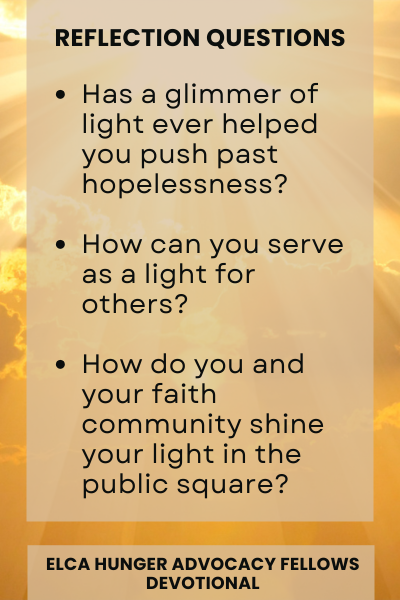
Text overlaid on a bright cloud background with reflection questions.However, many Americans feel discombobulated by the complexities of our political system and are unaware of how to become politically involved beyond voting. To be an advocate that serves as “the light of the world” means serving as a beacon of hope and guidance for others.

In my time as an ELCA Hunger Advocacy Fellow, I’ve found that the light we provide to others can not only inspire hope, but action. Darkness often comes from a lack of information, and in Texas where I work, the darkness that fosters apathy and hopelessness necessitates the same illuminating light.

Text with reflection questions over a golden sunset background.While I look forward to spending the coming legislative session in Texas fighting for justice, my time during the interim has been spent giving classes, writing articles and researching policy. Those who I encounter during Sunday post-service Lunch N’ Learns and during vigils honoring victims of gun violence are passionate and caring citizens. We should not pretend that advocates alone are the antidote to injustice.

Advocacy at its core means equipping the people with the tools they need to inspire the change they desire. At Texas Impact, we say that we help people live out their faith in the public square, moving the faith community from charity to justice.

While my time at COP30 left me determined by the awareness that we needed to do more, as I walked through the wide and bustling conference halls in Belém, Brazil, sweaty, hot and tired, I felt a tremendous sense of hope. I was surrounded by indigenous protestors, advocates, diplomats and activists from all over the world, all working towards a common goal—justice.

FROM THE EDITOR: Hear from Lutherans who attended the COP30 climate conference in video of the “Voices of Faith in Climate Action: COP30 and Beyond” post-event webinar, posted to the ELCA Advocacy YouTube channel.

ABOUT THE AUTHOR

Dylan Le is serving his ELCA Hunger Advocacy Fellowship as Public Policy Fellow with Texas Impact, an ELCA-affiliated state public policy office. Le holds a B.A. in Sociology and a certificate in Spanish from the University of Texas at Austin. As a son of a Vietnamese refugee and having specialized in Latin American Studies during his study abroad at the National Autonomous University of Mexico (UNAM), Mexico City, his work as a Public Policy Fellow is driven by his passion to promote legislation that protects and supports Texas’ diverse communities.

Big Dreams Beyond What Seems Possible

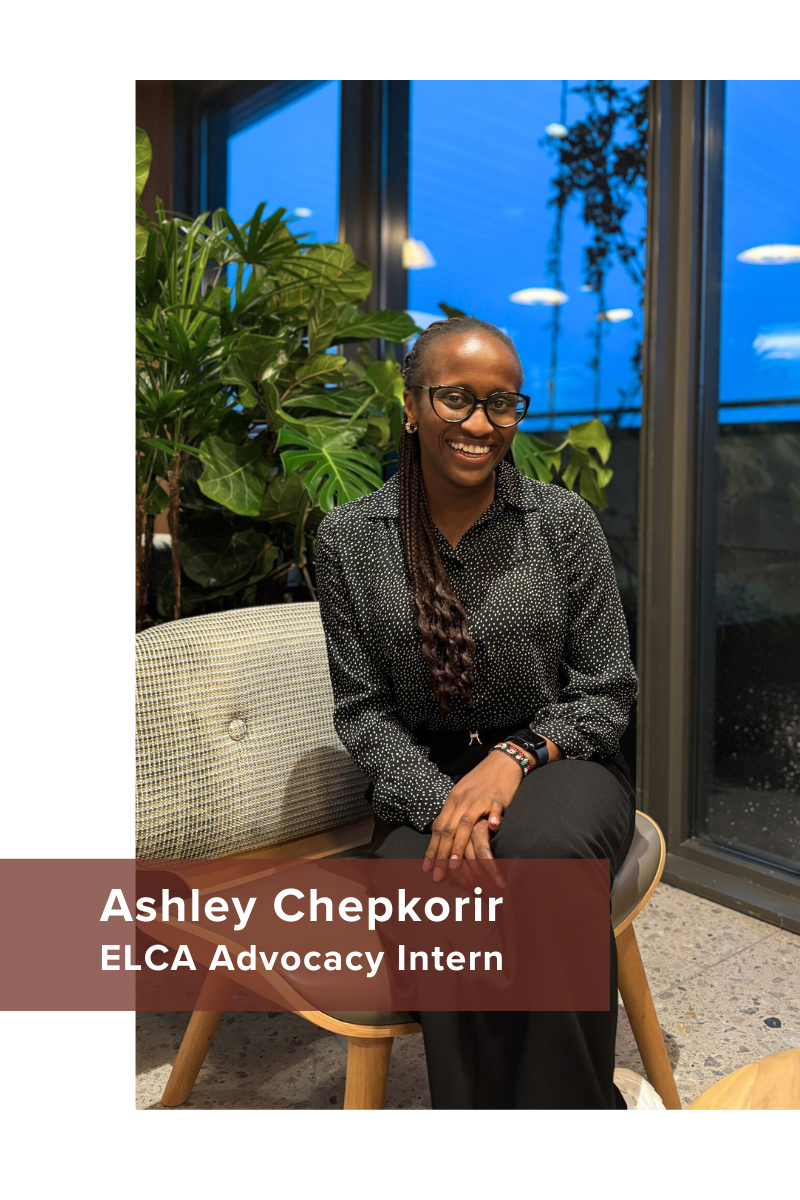
By Ashley Chepkorir [About the author]The author, Ashley, sits on a chair near a window, surrounded by green plants.

International Women’s Day, observed on March 8, is a moment to celebrate the existence, resilience and potential of women everywhere. It is also a reminder that every girl deserves the chance to imagine a future that may seem impossible in the moment.

When I was 12 years old, my grandmother, who had shielded me from a lot, passed away. Around the same time, I was beginning to notice something else in my community: girls were not always encouraged to dream as boldly as boys. Education and opportunity did not always reach us equally. At that age, I could not have imagined the path my life would take.The image features three individuals indoors, under bright lighting. In the center, a person wearing a blue school uniform, including a blazer and tie, holds a phone. On the left, another person in a black polo shirt with a visible logo is engaged in conversation. On the right, a third person is wearing a striped dress and glasses, attentively looking at the phone. Behind them, a group of people is seated, and colorful, decorative elements adorn the room's walls. Transcribed Text: Our author (photo center) in high school at Mpesa Foundation Academy.

But I decided to keep chasing my dreams anyway.

That decision led me to the Mpesa Foundation Academy, a leadership high school in Kenya, where I received a fully funded scholarship. From there, I was able to attend Concordia College, Minn. on a full scholarship as well, studying political science and global studies on the pre-law track while developing my leadership and advocacy skills. Today, as I prepare to graduate from Johns Hopkins School of Advanced International Studies in just a few months, I often think about that 12-year-old version of myself.

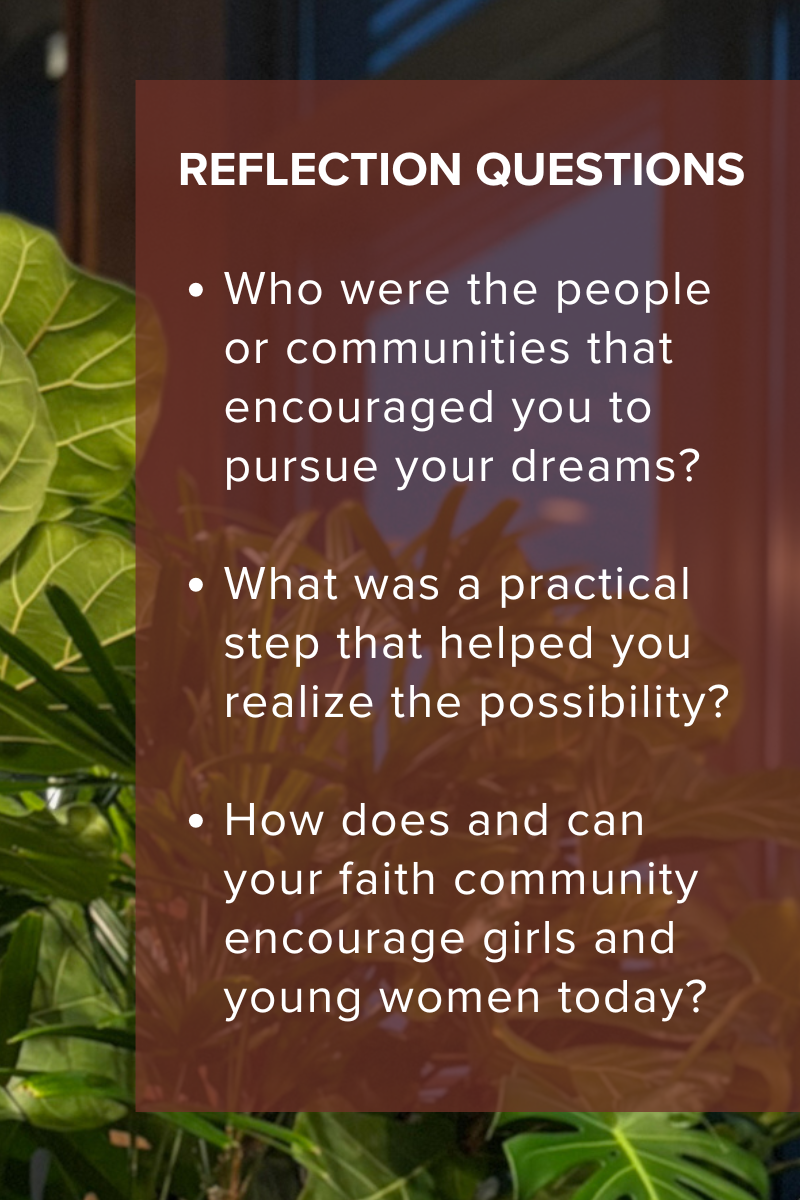
Reflection Questions: Who were the people or communities that encouraged you to pursue your dreams? What was a practical step that helped you realize the possibility? How does and can your faith community encourage girls and young women today?I would tell her that anything is possible.

The ELCA’s social teaching reminds us that every person is created with dignity and that society flourishes when everyone has the opportunity to contribute their gifts. Supporting women and girls is not only about fairness, it is about building communities where everyone can thrive.

The good news is that the world is changing. I now see more communities investing in girls’ education, leadership and potential than ever before.

My hope is that younger girls see stories like mine and realize that their dreams are not too big. They are exactly the size the world needs and that one day, they too will get to do what they love.


ABOUT THE AUTHOR

Ashley Chepkorir is an Advocacy Intern with the ELCA Witness in Society staff in Washington, D.C. Chepkorir is a graduate student at the Johns Hopkins School of Advanced International Studies (SAIS), where she is pursuing an MA in International Relations with a concentration in Governance, Politics, and Society and a regional focus on Africa. She holds a BA in Political Science and Global Studies (Pre-Law) from Concordia College in Moorhead, Minn., graduating magna cum laude. She is passionate about advancing equitable global policy and strengthening partnerships that support humanitarian, development, and governance outcomes.

Devotional: Gift of Being Unhidden

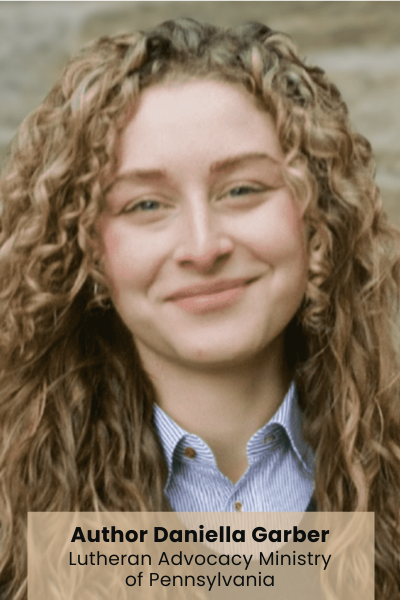
By Daniella Garber [About the author]

A person with long, curly hair wearing a blue, collared shirt, stands against a blurred background. I grew up in a small city nestled in the Allegheny Mountains. As a small child, I was fixated on a rock formation on the side of one of those mountains that, to me, looked exactly like Noah’s ark. I was certain that was where the ark had landed after the flood, and that it had been there so long it had disintegrated in a way that prevented any trees from growing where it had sat. Eventually, my brain caught up with my imagination, and I let go of that particular belief. To this day, however, when I visit my family in that city, I always take note of the formation. It brings me a sense of peace and comfort to see it there, unmoving and unobscured on the hill.

Text overlaid on a bright cloud background with reflection questions.That is what mountains do. They never move. Driving down any road, you can always find them on the horizon, always get your bearings. Their steady visibility is a gift.

Jesus describes a city on a hill that cannot be hidden, existing faithfully in plain sight. I think that image has something to teach us about what it means to be advocates for our neighbors and for God’s creation. This work is long. We don’t always see immediate results. Our advocacy can feel invisible, and progress is not always linear. But we are called to remain steady and unhidden, a constant presence of hope.

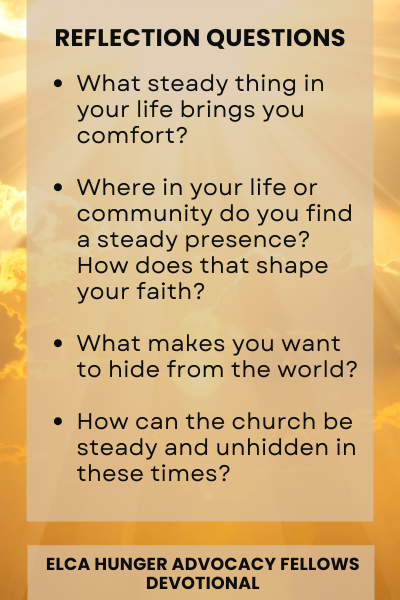
A card with reflection questions on a golden background. REFLECTION QUESTIONS: What steady thing in your life brings you comfort? Where in your life or community do you find a steady presence? How does that shape your faith? What makes you want to hide from the world? How can the church be steady and unhidden in these times?The mountain doesn’t move. It does not hide or disappear. Neither should we.

To be a faithful advocate is to be uncompromising on what we know to be true: that every neighbor bears the image of God, that creation is sacred and worth protecting. Sometimes being a light to the world means staying on the hill, not because the view is always encouraging, but because someone in the valley is looking for us. Someone needs to find us there, steady and unhidden, the same place we were last time they looked up.

When I was a kid, that rock formation brought me wonder. Now it brings me peace. The mountain never moved, but what it meant to me changed. A city on a hill cannot be hidden. As advocates and Christians, we are called to be that city—unhidden from the world and consistent in our values and our faith.


ABOUT THE AUTHOR

Daniella Garber is the ELCA Hunger Advocacy Fellow placed with the Lutheran Advocacy Ministry of Pennsylvania. Garber graduated from Bryn Mawr College with a math major and religion minor. Her background includes internships in data analytics and policy research focused on hunger and food access, as well as interfaith community building at Bryn Mawr College, and is excited to bring these experiences together in this faith-based advocacy role.

Devotional: Light on the Hill

By Jeffery Jordan II [About the author]

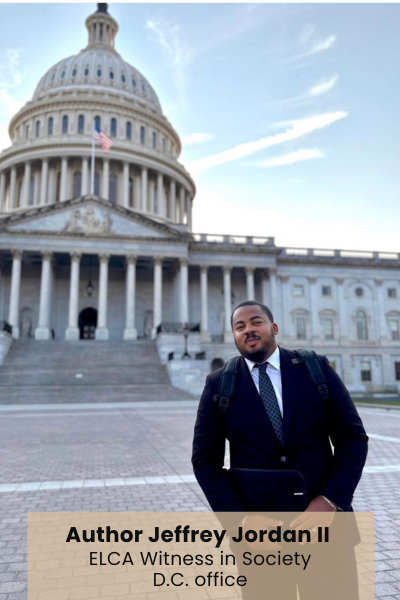
A person in a suit stands in front of the United States Capitol building.The halls of power can feel strangely dim. Not because of a lack of chandeliers or marble floors, but because of how easily human stories can be reduced to policy numbers, legal categories, and political calculations. Yet on an advocacy day on Capitol Hill this winter, representing the ELCA and walking alongside members of the National TPS Alliance, I realized some profound things.

Light does not need permission to shine. It only needs to be present.

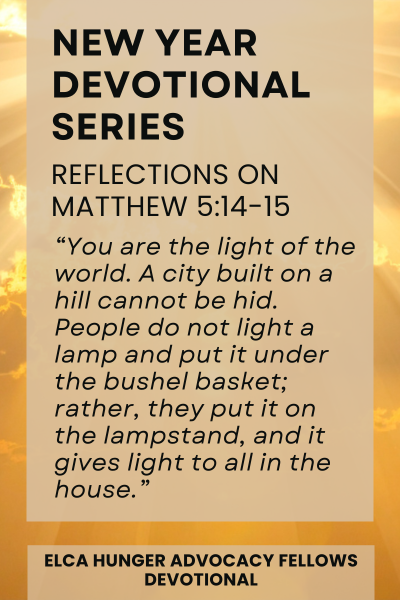
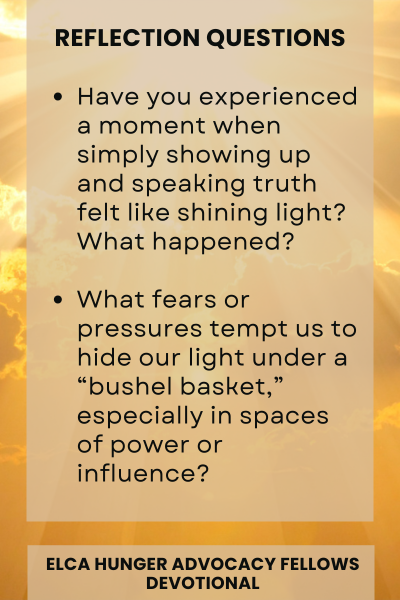
In the words of Jesus to his disciples from Matthew 5:14–15, he does not say you should become light. He says you are light.Text overlaid on a bright cloud background with reflection questions.

Advocacy is one of the ways that light becomes visible.

Temporary Protected Status (TPS) is a legal immigration status that allows citizens from other countries who are present in the United States during a catastrophe in their country to remain in the United States until it is safe to return home. TPS is often debated in terms of statutes, deadlines and executive authority. But sitting in those congressional offices – hearing TPS holders share their stories, their fears, their faith, their hope for stability – it became clear that advocacy is not just about influencing decisions. It is about refusing to let human dignity be hidden under the bushel basket of bureaucracy. It is about placing truth where it can be seen.

Light reveals what is real.

In the Hill visit conversations, there were moments when the atmosphere shifted – not necessarily because minds were changed immediately, but because hearts were confronted with presence. When someone speaks not as an abstract issue but as a neighbor, a parent, a member of the Body of Christ, the light shines. Even when outcomes are uncertain, the act of shining matters. Light does not measure its success by immediate transformation; it fulfills its purpose simply by illuminating.

This is where faith and advocacy meet.

To advocate is to participate in God’s work of illumination, to testify that people are not invisible to God and therefore must not be invisible to the world. It is to stand on a hill, not for recognition, but for witness.

The light is not ours by merit.

It is entrusted to us by Christ, who calls us to reflect His justice, mercy and truth. There may be moments when the systems feel too large, the opposition too strong confirming our fears. But the promise of Jesus remains: a city on a hill cannot be hidden. When you speak, when you show up, when you advocate, you are already shining.

The question is not whether you have light.

The question is whether you will trust God enough to place it on the lampstand.


ABOUT THE AUTHOR

Jeffrey M. Jordan II is part of the D.C.-based staff of the ELCA Witness in Society office specializing in Policy. Jordan is an American lawyer and public policy researcher with a Juris Doctor from Tulane University Law School specializing in international law, a Master’s of International Affairs: Global Governance, Politics, and Security from American University School of International Service and Bachelor of International Studies and Public Policy from Sarah Lawrence College. Jordan also has a certification in Post-Conflict Resolution from Public International Law and Policy Group and from the Summer Program in International Affairs at Geneva Graduate Institute. He has several years of research, advocacy, and lobbying experience on domestic and international law and policy issues. Outside of work, Jordan enjoys spending time with his family, traveling, avidly reading and volunteering at church.

Profound Concern Over EPA Rescinding of Endangerment Finding

In 2009, the Environmental Protection Agency (EPA) signed findings regarding greenhouse gases under Clean Air Act, including what is known as the Endangerment Finding – focused on the conclusion that current and projected concentrations of the certain greenhouse gases in the atmosphere threaten the public health and welfare of current and future generations. This finding served as the legal basis on which the federal government can regulate greenhouse gas emissions based on public health. In July 2025, EPA Administrator Lee Zeldin announced a proposal to rescind that finding. The ELCA gave testimony at an EPA public hearing in support of upholding the finding. The Rev. Kaari Reierson, ELCA Corporate Social Responsibility Program Director, delivered that testimony based upon ELCA social teaching, and several other ELCA ministers testified. Public comments were also recorded in the Federal Register.

Despite these efforts to bring forward concerns, plus an ELCA advocacy meeting with the EPA Office of Information and Regulatory Affairs, repeal of the Endangerment Finding was announced by the EPA on Feb. 12, 2026. “While this recent move is deeply disappointing,” said Christine Moffett, ELCA Program Director for Environment and Energy, “we continue to monitor legal challenges as well as any legislative opportunities to ensure public health protections for current and future generations.”

Upon announcement to rescind the Endangerment Finding, the following statement from the ELCA has been circulated.


February 12, 2026

ELCA Statement on EPA Decision to Rescind the Endangerment Finding

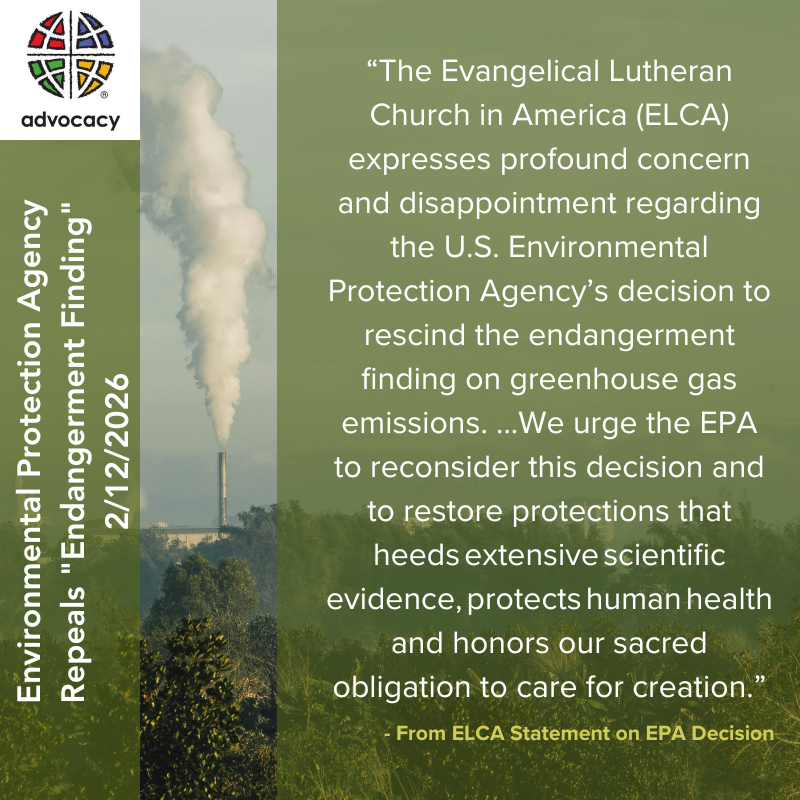
A graphic with a statement from the Evangelical Lutheran Church in America regarding concern over the U.S. Environmental Protection Agency's decision to repeal the endangerment finding on greenhouse gas emissions. The left side shows a vertical text, "Environmental Protection Agency Repeals 'Endangerment Finding' 2/12/2026," alongside a smoky factory.The Evangelical Lutheran Church in America (ELCA) expresses profound concern and disappointment regarding the U.S. Environmental Protection Agency’s decision to rescind the endangerment finding on greenhouse gas emissions. This action undermines our collective responsibility to care for God’s creation and protect the well-being of current and future generations.

As people of faith, we recognize the wisdom of science as a God-given gift that illuminates our path forward. The overwhelming scientific consensus on climate change compels us to act with urgency and moral clarity. We have declared this a “Kairos moment” – an ancient Greek term meaning a critical, decisive time when action is essential. The removal of this finding sets us back precisely when moving forward on climate action is imperative.

The ELCA’s social teaching on climate change is grounded in our understanding that creation is a gift from God, entrusted to our care not for exploitation, but for stewardship. We are called to share this gift equitably and preserve it for those who come after us. Removing the endangerment finding eliminates a crucial regulatory framework necessary to fulfill this sacred responsibility.

The ELCA has consistently called for increased regulation of greenhouse gas emissions. We have also clearly rejected approaches that prioritize short-term economic considerations over the long-term social, economic, and ecological well-being of future generations. We oppose any attempts to weaponize or distort scientific research or to misrepresent the intentions of those working to address this crisis.

This EPA decision does both of those things – it distorts scientific research and prioritizes the present over the future. We urge the EPA to reconsider this decision and to restore protections that heeds extensive scientific evidence, protects human health and honors our sacred obligation to care for creation.

The Rev. Amy Reumann
Senior Director, Witness in Society
Evangelical Lutheran Church in America

Devotional: Flame Burning Within Us Brightens with Community

By Laura Muther [About the author]

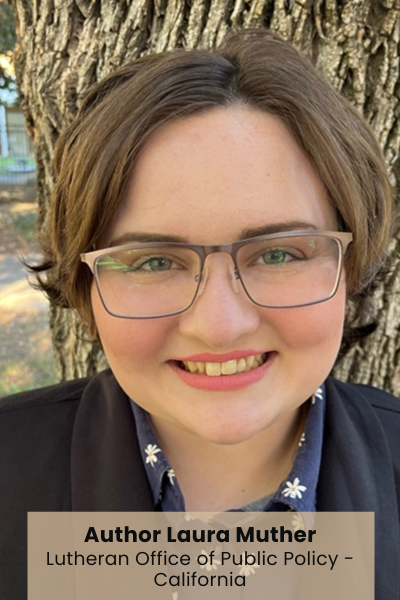
Person smiling in front of a tree, wearing glasses and a dark blazer.My familiarity with this devotional’s biblical passage and its connection to advocacy began in college, as Matthew 5:13-16 was our theme for the Spirit-led social justice student organization that I helped lead, the Social Action Leadership Team (SALT). Being a part of SALT helped me to find where the light of truth was leading me and allowed me to start shining that light through running the World Relief Campaign. It helped me to find a community of advocacy-minded friends where I developed the skills I carry with me today.

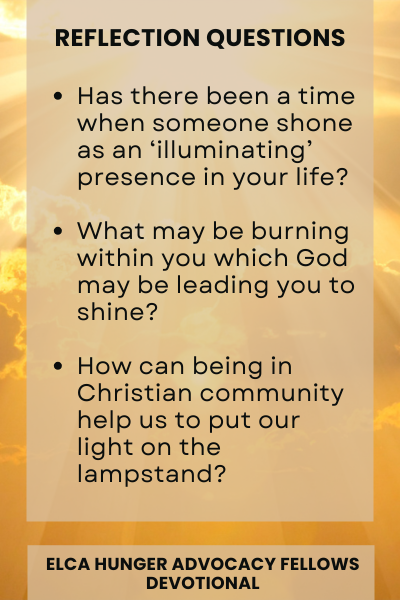
Text overlaid on a bright cloud background with reflection questions.For me, the light of Christ led me to become an ELCA Hunger Advocacy Fellow. In my work as a fellow, I am preparing to help other California Lutherans advocate in the halls of power at their state legislators’ offices. As advocates, we do God’s work when we play a role in shining the light of truth upon the wrongs and injustices in our state, nation and global community. Although it is one of the things the Lutheran Office of Public Policy-California does, shining our light can be done in more ways than just a Lutheran Lobby Day at our state capitol.

Text overlaid on a bright cloud background with reflection questions.Sometimes the flame of justice burning within us may not look like a light. It may look like a whistle blowing to alert neighbors of the presence of U.S. Immigration and Customs Enforcement (ICE) in their streets. It can look like bringing groceries to immigrant and migrant neighbors. It can look like attending a vigil to honor immigrant communities. When two or three are gathered in community to advocate on behalf of their neighbor, Christ is there.

This world so often feels full of darkness; may God help us find a way to turn on the light of truth in the world.


ABOUT THE AUTHOR

Laura Muther is the Hunger Advocacy fellow for the Lutheran Office of Public Policy – California. Muther is an alumna of Valparaiso University, where she served as Chair of the Social Action Leadership Team (SALT), after serving as donor relations co-leader and faith and reflections coordinator. Following her time at Valparaiso University, Muther served a year with the Episcopal Service Corps in Seattle as a Vendor Program Intern with Real Change news, working with members of Seattle’s unhoused and low-income population. She is from the St. Louis area and enjoys photography and hiking.

Winter Updates: State Edition

Following are updates shared from submissions from ELCA-affiliated state public policy offices (SPPOs) this quarter (formerly shared monthly). Full list and map of SPPOs available.

KANSAS | PENNSYLVANIA | VIRGINIA | WISCONSIN


Kansas Interfaith Action

Rabbi Moti Rieber, Executive Director

These last few months have been a whirlwind of advocacy, community building, and rapid response at Kansas Interfaith Action (KIFA). Following a much-needed holiday recharge, our team hit the ground running as the 2026 legislative session began, a session that has already proven to be as grueling as anticipated.

We rang in the new year by launching our legislative platform centered on a singular truth – human needs are human rights – and announcing a rally with the same theme. This vision came to life in January when over 650 Kansans and over a dozen coalition partners gathered at the State Capitol for our “Human Needs are Human Rights” rally, sending a powerful message that demanded human-centered policy and reminded elected leaders that every person is made in the image of God. In addition to this rally, KIFA has joined partners under the dome this legislative session for LGBTQ+ Equality Day, Anti-Hunger Action Day, and Latino Lobby Day to stand in solidarity with our neighbors.

Since the very start of this legislative session, we’ve been in high gear, mobilizing our KIFA base and navigating a legislative session defined by procedural chicanery and fast-tracked legislation. Critical priorities include mobilizing against SB 244, an anti-trans bill that threatens the safety and rights of the trans and broader LGBTQ+ communities. It would require gender markers on state IDs to match a person’s sex assigned at birth and require them to use the bathroom that matches that marker. We are now calling on our base to urge lawmakers to sustain the governor’s veto, which is widely and imminently expected. Both chambers passed it via “emergency action.” Read the “Kansas Interfaith Action Condemns Legislators’ Attacks on Gender Freedom and Broken Legislative Process” statement here, which includes a strong renouncement from Rabbi Moti Rieber, KIFA Executive Director.

We are also fighting SB 254 and HB 2448/HCR 5021, which collectively aim to strip benefits from immigrants and create unnecessary barriers to voting. Regarding the former, instead of receiving a hearing in a House committee, leadership decided to bypass the hearing process (like they did with SB 244, the anti-trans bill) and pass it via “emergency action” on the house floor. That being said, an amendment was passed stripping out the in-state tuition portion, so it doesn’t match the Senate bill. This means a joint Senate-House conference committee will be called to iron out the differences between the bills. Regarding the latter, HB 2448 requires that citizenship status be listed on Kansas state issued IDs, such as a driver’s license, regardless of legal immigration status. HCR 5021 rewrites the Kansas Constitution to require these state issued IDs or a passport in order to vote, restricting our right to vote to only those who can overcome certain barriers. While these bills have been introduced separately, together they lay out a deliberate plan to deny our freedom to vote while also putting our immigrant neighbors at risk.

On a non-legislative note, KIFA has also launched “We the People,” a virtual series on faith and public life, with the ELCA Central States Synod! We also completed a major overhaul of our website. Visit kansasinterfaithaction.org to check it out. We’re committed to helping Kansans put their faith into action, offline and online.

Contributing writer: Sagi Rudnick, KIFA Program & Advocacy Associate 


Lutheran Advocacy Ministry in Pennsylvania

Tracey DePasquale, Director

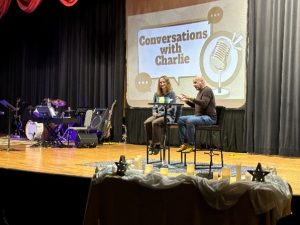
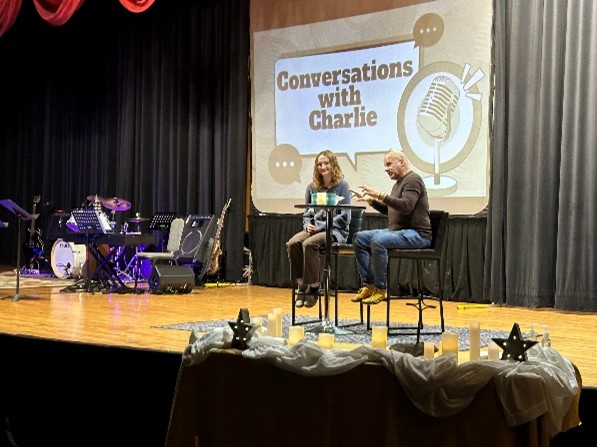
Two people seated at a stage event called "Conversations with Charlie," with musical instruments nearby.Lutheran Advocacy Ministry in Pennsylvania (LAMPa) staff kicked off 2026 by equipping youth and their leaders in the Lower Susquehanna Synod for hunger advocacy at Winterfest Youth Gathering. More than 200 youth and leaders at the synod’s annual winter retreat heard from recent LAMPa racial justice fellow Anna Oslikova about the transformative power of advocacy and then took first steps themselves — writing postcards to policymakers after packing more than 30,000 meals for hungry neighbors.

Oslikova, who completed an Isaiah 58:12 racial justice fellowship in 2025, shared her experience getting to know immigrant farmworkers in her region. “The lasting impact for me was the fact that advocacy takes courage, and stepping out of my comfort zone inspired me in ways like showing me my capabilities that I never thought I would have been able to have,” said Oslikova.
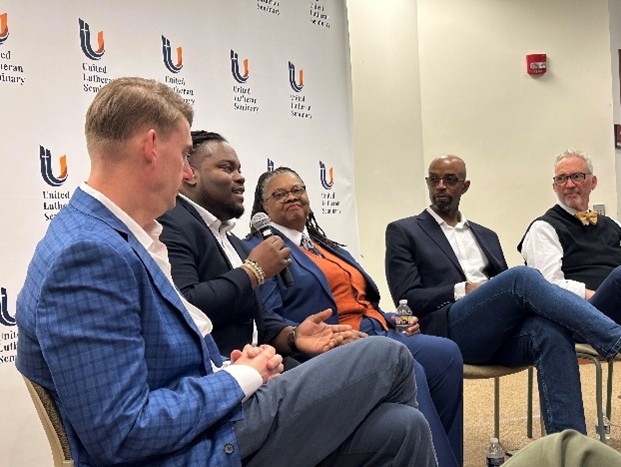
Five individuals seated in a panel discussion in front of a "United Lutheran Seminary" backdrop.To mark MLK Day and equip disciples to pursue justice all year long, LAMPa partnered with United Lutheran Seminary and Gettysburg College to host “Prophets, Saints and Kings: Resisting Christian Nationalism and Building Beloved Community with King and Bonhoeffer.” Recordings of the event are available here.
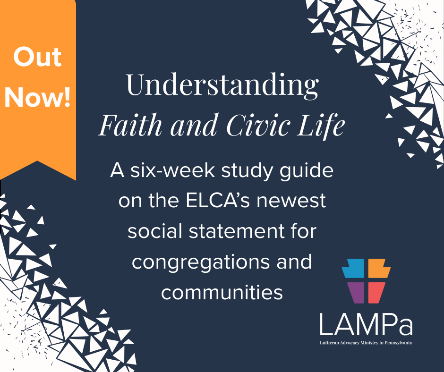
Promotional graphic with text and geometric patterns on a dark blue background, featuring an orange ribbon labeled "Out Now!" and a colorful LAMPa logo.LAMPa also unveiled a six-week curriculum (perfect for Lent) on the new ELCA social statement, Faith and Civic Life: Seeking the Well-being of All. Download the curriculum from here.

As we pray for the church in Minnesota and communities standing up for immigrant neighbors across our country, LAMPa has been working within the PA Immigration Coalition and supporting synods and congregations speaking up for state and local welcoming policies while developing rapid response networks across the Commonwealth.


Virginia Interfaith Center for Public Policy

Rev. Dr. LaKeisha Cook, Executive Director

The Virginia Interfaith Center for Public Policy (VICPP) kicked off the 2026 General Assembly Legislative Session on January 14th with renewed momentum for change. This year, our priority bills address critical issues affecting Virginia communities: maternal health reform, higher education access for incarcerated individuals, affordable housing expansion and increased support for working families, including paid sick days.

As these bills move through the legislature, we’re encouraged by the bipartisan support many of our initiatives have garnered which is a hopeful sign in these politically divided times.

Beyond legislative advocacy, we mobilized faith leaders across Virginia to voice concerns about a proposed Department of Homeland Security purchase of a warehouse in Hanover County. Through coordinated efforts and unified advocacy, we successfully prevented this purchase from moving forward. This was a powerful demonstration of the power of organized faith communities to protect their neighborhoods.

On January 21st, we hosted our annual Day for All People lobby day in Richmond, Virginia. This signature event brought together over 425 participants who engaged directly with legislators and attended educational workshops focused on our policy priorities. The day’s programming featured a powerful panel discussion on the importance of intergenerational advocacy in the pursuit of justice, highlighting how voices across age groups strengthen our collective impact.

The strong turnout and enthusiastic participation demonstrate the deep commitment Virginians have to building a more just and equitable commonwealth. As the legislative session progresses, we remain dedicated to advancing policies that reflect our shared values of dignity, fairness, and opportunity for all.


Lutheran Office of Public Policy in Wisconsin

Kacy Kostiuk, Director

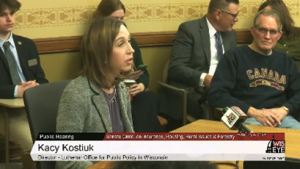
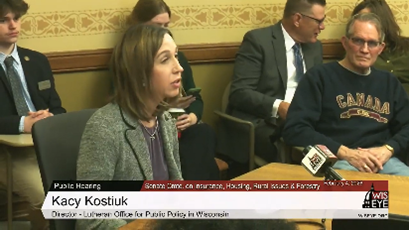
A woman speaks at a public hearing with others seated nearby.The Lutheran Office for Public Policy in Wisconsin (LOPPW) continues to engage faithfully in public witness, policy advocacy, and outreach across the state.

Letter to Elected Officials

Recently, LOPPW sent the letter, “To Elected Officials Entrusted with Public Leadership in Wisconsin,” which expressed deep concern about the violence and fear in Minnesota following U.S. Immigration and Customs Enforcement (ICE) deployment and the ripple effects in Wisconsin communities. The letter called on public officials to speak clearly against violence, reject rhetoric that dehumanizes, promote transparency and accountability and work across political lines to build trust and ensure safety.

Legislative Advocacy

LOPPW has been engaged on a range of policy priorities with the Wisconsin Legislature this year. Advocacy efforts include collaboration with faith-based and secular partners to:

  • Advocate for state funding to address federal changes to SNAP/FoodShare.
  • Support groundwater protection measures.
  • Oppose deregulation of potentially predatory lending practices.
  • Oppose legislation that would criminalize homelessness.

LOPPW has also supported legislation to prevent human trafficking and support survivors, create a task force addressing missing and murdered African American women and girls, and enable DACA recipients to access professional licensure in fields such as nursing and teaching.

Outreach
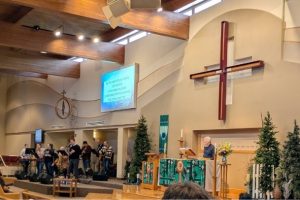
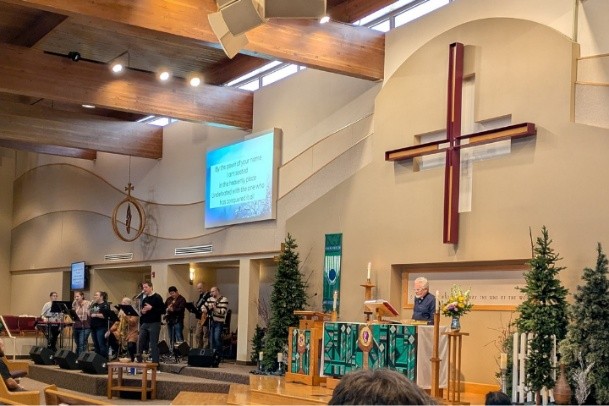
Interior of a church with a cross, lectern, musicians, and projected text.LOPPW has been connecting with ELCA congregations and members across Wisconsin, including at the synod-sponsored Winter Theological Event in northwestern Wisconsin, “Together in Mission” in the greater Milwaukee area, and the LEAD Conference in southcentral Wisconsin.

LOPPW launched a newly designed website and has developed several new outreach materials, including this “Faith in Action” What Can You Do? flyer.

Spring outreach will continue with updated electronic resources and in-person visits during Lent and beyond, as LOPPW prepares for engagement ahead of the 2026 elections. We are also supporting an emerging inter-congregational collaboration effort related to advocacy. Stay tuned for more about this and opportunities to connect with others!

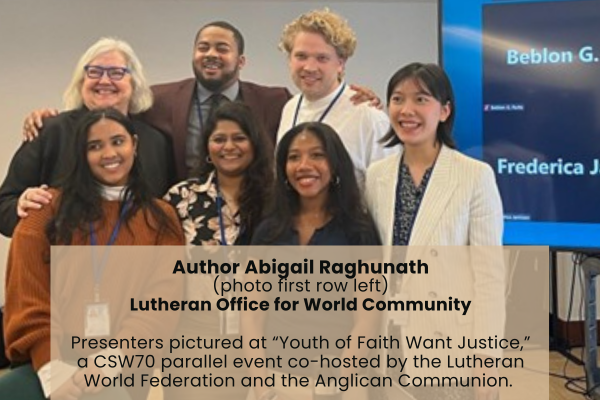
 

Devotional: Showing Up as Light

by Zachary Olson, ELCA Hunger Advocacy Fellow [About the author]

Headshot of a person with a beige text overlay at the bottom left.In October 2025, I had the opportunity to take part in a national gathering of the Lutheran Disaster Response (LDR) community of practice in our nation’s capital. Over 70 people from across the country came to Washington, D.C., bringing their stories and their experiences. In the midst of a federal government shutdown, these brave Lutherans were a public witness and shined a light to the members of Congress. They shared their experiences in the offices of Senators and Representatives in boldly advocating for laws that would reform emergency management and disaster response. These Lutherans spoke up to help people in their communities recovering from natural disasters.


Text over a glowing background with a Bible verse and devotional theme.I will always carry this memory with me, and it reminds me of Jesus’ words in Matthew 5:14-15 to be “salt and light” in our Christian walk. Often, we connect these verses with Jesus’ Great Commission [see Matthew 28:19-20] to spread the truth of the Gospel of Christ into the world, but this radical truth possesses implications for us in our public witness before the world in how we move through the world. That can look as simple as talking to a neighbor or as bold as speaking to lawmakers. We are called to be that city on the hill, letting our light shine for others to see.


A graphic with reflection questions on a background of golden sun rays and clouds.When we are grounded in the truth of the Gospel and let our convictions shape us and our actions, we engage with the world differently. We should be moved towards compassion, doing justice and loving mercy. And that light should flow out into our daily walk in this world.


This truth and hope for restoration of the struggles we see is for the here and now. Our hope is not that we will escape this world and go to heaven, but that heaven will come down here, and that God will dwell among us with every tear wiped away.


Our faith gives us a renewed sense of the world and a renewed outlook on life. When we see each other as beings created in the image of our God, when we see this world we live in as God’s handiwork, that changes you. It changes how you interact with it. We have hope for a better future, and a responsibility to share that hope with those around us.


We have a great history of those who have gone before us in letting their light shine. Martin Luther King Jr., Dietrich Bonhoeffer, and many others have gone before us in letting their lights shine. Let us continue in that great history, letting the light of Christ shine in the world.


ABOUT THE AUTHOR

Zachary Olson is part of the D.C.-based staff of the ELCA Witness in Society office specializing in Communications. Olson is a communications and journalism graduate student at American University with an Associate Degree in Communications and Media Studies from Carroll Community College and a Bachelor’s Degree in Journalism from American University. He has several years of research and communications experience working with non-profits from local news media to advocacy think tanks. Beyond work, he enjoys spending time with friends, reading books and conducting his own research.

January Update: Advocacy Connections

from the ELCA advocacy office in Washington, D.C. – the Rev. Amy E. Reumann, Senior Director

Partial expanded content from Advocacy Connections: January 2026

In our January 2026 issue, find Action Alert, Resource and opportunity updates. Look for a resumption of Policy Notes in our next issue which are expanded in the ELCA Advocacy Blog.

  • Read the current Advocacy Connections here.

To receive Advocacy Connections direct to your inbox, sign up at ELCA.org/advocacy/signup.


Receive monthly Advocacy Connections directly by becoming part of the ELCA Advocacy network – http://elca.org/advocacy/signup , and learn more from elca.org/advocacy .


Companion Information: Progress and Setbacks in Reducing HIV in Tanzania

When Dr. Paul Mmbando was in medical school 20 years ago, AIDS was generally a death sentence. Nowadays with better drugs, when the conditions of good nutrition and sticking to the daily meds are met, it’s a disease like others that can often be managed.

Dr. Paul leads the health department for the Evangelical Lutheran Church in Tanzania (ELCT). Daudi Msseemmaa, ELCA Regional Representative to East Africa talked to him on Nov. 17, 2025 about how the church’s role in making sure those conditions are met as World AIDS Day observance approached.


A globe with continents visible and a red AIDS awareness ribbon pinned on it.

What has the church been doing in supporting people with HIV?

[Dr. Paul]  The ELCT was the pioneer in launching palliative care services in Tanzania. Until recently, at least three-fourths of our palliative care patients had HIV. Annual AIDS deaths in Tanzania are now a fraction of what they were in those early days, and to keep it that way we need to be proactive about medicines, nutrition and education. In April 2022 we started a partnership with USAID [the U.S. Agency for International Development] that led to youth-focused HIV/Aids services that reached more than 250,000 people. This year, that project was one of the casualties of the American aid freeze. There were more than 167,000 participants at the time it was shut down.


What did the aid freeze mean for you?

[Dr. Paul] It was a big blow to the health sector nationally. But for the church, it decimated our staff and volunteers’ ability to follow up on patients to make sure they were getting their medicines, to take orphans to the clinic, to support livelihoods so people can afford food. It meant non-adherence, which in turn means higher viral loads, increased transmission of HIV, and reversing the progress of the last decade. We don’t want to go back to those dark days.


Map of East Africa overlaid with the quote, "We don't want to go back to those dark days."What are you doing now?

[Dr. Paul] We still need to meet the UNAIDS [United Nations Program on HIV/AIDS] targets for Tanzania of 95-95-95, where 95% of people with HIV know their status, 95% of them are on antiretroviral medicines (ARVs), and 95% of those on ARVs have suppressed viral loads (which means fewer HIV copies in the blood, making it less transmissible). But we can’t do it on our own.

We reached out to partners to fill some of the gaps for the most essential services that were cut. With ELCA support we have just relaunched some essential services for vulnerable youth in three regions through SARAH Project. ELCT has also conducted for the first time a unique fundraising event through the first annual ELCT Marathon, income from which was dedicated to bridge gaps caused by this project termination.

Despite those efforts, we have a long way to go to meet the need, but since this work is part of our calling as a church and our vocation as individuals, we keep pushing. HIV doesn’t need to be a death sentence.

We remain grateful for the solidarity and companionship to make a difference while amplifying our voice for the voiceless and those in need.


Are you moved to act?

You’re invited to share your values and experiences with your federal representatives using the Action Alert posted 11/19/2025. You can make a difference for global neighbors.

Thank you for your advocacy.