Skip to content
ELCA Blogs

ELCA Advocacy

April Update: UN and State Edition

Following are updates shared from submissions of the Lutheran Office for World Community and state public policy offices.
Find a map and full list of ELCA affiliated SPPOs using our 
state office map.

U.N. | Colorado | Minnesota | Pennsylvania | TexasWashington | Wisconsin


U.N.

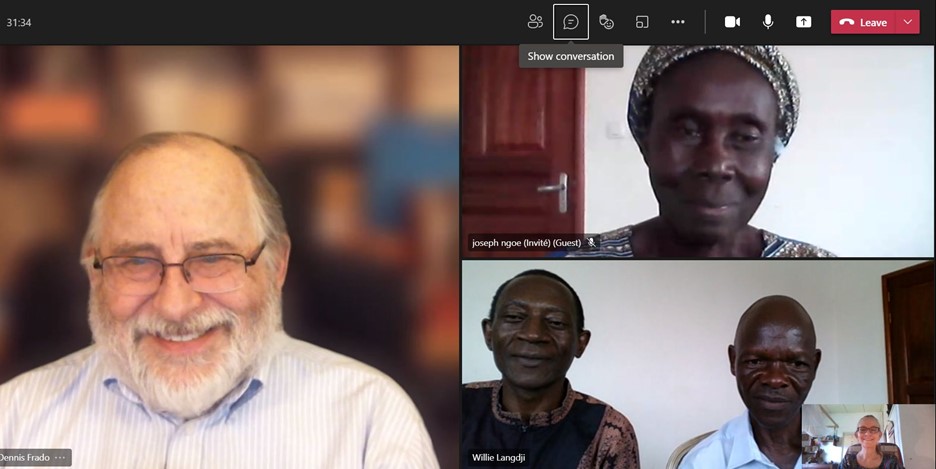
Lutheran Office for World Community, United Nations, New York, N.Y. https://www.elca.org/lowc –Dennis Frado, Director

Holy Land Bishop Azar discusses inequitable COVID-19 vaccine availability in the Occupied Palestinian Territory: Bishop Ibrahim Azar of the Evangelical Lutheran Church in Jordan and the Holy Land shared a video message recently about the inequitable vaccine distribution situation in the Occupied Palestinian Territory (OPT) in relation to the COVID-19 pandemic. In a briefing on March 25 to the UN Security Council, the UN Special Coordinator for the Middle East Peace Process said “COVID-19 continues to have a devastating effect on Palestinians. In addition to the brutal impact on public health, the recurrent lockdowns, school closures, and reduction of commercial activity have severely undermined living conditions.” He added, “Support to the Palestinian COVID-19 response should be significantly enhanced to ensure that Palestinians throughout the OPT receive a fair and timely share of the distribution of vaccines.”  Peace Not Walls has appealed for advocacy with Members of Congress to call upon the Biden administration to urge the Israeli government to ensure free and equitable distribution of COVID-19 vaccines based on its obligations under the Fourth Geneva Convention.

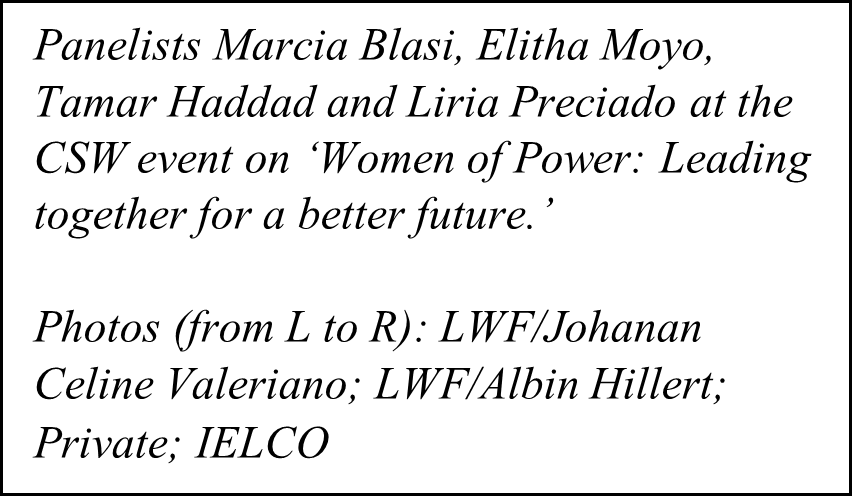
Promoting Gender Justice at UN CSW65: The United Nations’ sixty-fifth session of the Commission on the Status of Women (CSW) took place from 15-26 March 2021. The priority theme was women’s full and effective participation and decision making in public life.  This was the first-ever the session of the Commission held virtually due to the COVID-19 pandemic. According to UN Women reporting, speakers included a Prime Minister, 3 Vice-Presidents and 93 ministers. Nearly 70 ministers represented their countries in the ministerial round tables. Vice President Kamala Harris delivered the US official remarks to CSW65.

The Lutheran World Federation, including the ELCA, participated in the two-week event with a delegation of over seventy members from more than 30 countries. They joined more than 10,000 other civil society members online to advocate on the priority theme as well as call for an end to gender-based violence (GBV). LOWC coordinates the presence of Lutherans at CSW.

In addition to attending the official sessions, Lutherans organized and as co-sponsored panel events with ecumenical and interfaith partners, namely, Women of Power: Leading Together for a Better Future, Challenge and Change a Social Norm: Sexual and Gender Based Violence, Masculinities, and Leadership, and Faith Forward – Women Brokering Peace in Conflict & Crisis, Girls on Fire part I & part II: An Intergenerational conversation and call to action to end GBV. We also co-sponsored a side event, “In search of a Round Table: Gender, Religion & Decision-making in Public Life”. Lutherans joined Ecumenical Women at the UN orientation day and led one daily morning worship service.

CSW65 ended with the adoption of Agreed Conclusions which contain good recommendations for countries to implement. However, there was opposition and push back by few countries that objected to terms such as gender, sexual and reproductive health and rights, among others. Discussions on gender equality and women’s empowerment continue through the next important forum – the Generation Equality Forum, convened by UN Women and co-hosted by the Governments of Mexico and France.

Impact of financial and economic sanctions on humanitarian assistance and its delivery: The ELCA recently signed on to a letter to President Biden asking him to consider the effects of sanctions on humanitarian assistance and its delivery as part of a review of existing United States and multilateral financial and economic sanctions.  The groups which joined the letter said they “have long considered a review of the impact of sanctions on the global pandemic response and humanitarian situations overdue.”  They said that “existing sanctions exemptions for humanitarian work are ‘wholly inadequate’ and that current regulations fail to “provide the necessary reassurances to financial institutions that working with humanitarian actors is safe and lawful.” They asked the President “to take immediate emergency measures and consider long-term measures as well, that would allow the peoples of sanctioned countries and locations to respond to the devastating human and economic fallout of COVID-19.”


Colorado

Lutheran Advocacy Ministry-Colorado https://www.rmselca.org/advocacy – Peter Severson, Director

The Colorado Legislature continues their session, and LAM-CO has been participating with partners in advancing important bills on our agenda. Our latest bill sheet can be found online.

Housing: We are working on three bills to enhance renters’ protections, balance responsibility between renters and landlords, cap late fees, and allow local governments to promote affordable housing.

Environment: We support bills to prohibit single-use plastic products & reduce waste and to enhance the power of the Air Quality Control Commission.

Immigration: The Immigration Legal Defense Fund would be created by HB 1194, supporting nonprofits who help provide representation to immigrants undergoing legal proceedings.

Criminal Justice: We support a bill to promote record sealing and another to largely end cash bail in Colorado while increasing the use of summonses versus arrest warrants.

Hunger: Part of a just food system is protections for the workers who grow, harvest, and process food, and so we support SB 087 to add agricultural workers to standard labor protections already on the books in Colorado, enhancing rights to rest breaks, overtime, and other benefits.


Minnesota

Lutheran Advocacy – Minnesota (LAMN) http://www.lutheranadvocacymn.org/ Tammy Walhof, Director

The legislative session is down to the final five weeks – unless we end up with special sessions each month like last year. The budget omnibus bills were introduced and marked up the week after Easter.

Clean Energy: We have been working to prevent garbage incineration from being re-classified as clean energy, but opponents to renewable energy focused most of their committee amendments on labeling wind and solar as dirty energy. Thankfully, those amendments failed in the House Energy Committee, but it will be much harder in the next few weeks to prevent legislation damaging to a transition to renewables and a clean energy economy. The current House Energy committee bill could move our state in very positive directions if the Senate could be moved to adopt it. That is unlikely this year, but as people of faith we believe transformations can happen.

Affordable Housing: We remain hopeful that our efforts for more housing stock, and eviction prevention (related to pandemic economic hardship) will make progress. Several Action Alerts have helped to bolster bipartisan support, but Senate leadership is not yet on board. Much more action will be needed in the next few weeks, so continue to watch for alerts and talking points.

Partisan Divisions: Extreme partisanship continues to be the biggest obstacle at the legislature. While various house and senate members are attempting to find paths to work together, some party leaders keep looking for ways to exacerbate differences. Without changes in these partisan attitudes and divisions, Minnesota’s legislature runs of the risk of becoming increasing dysfunctional and ineffective.


Pennsylvania

Lutheran Advocacy Ministry- Pennsylvania (LAMPa) https://www.lutheranadvocacypa.org/ – Tracey DePasquale, Director

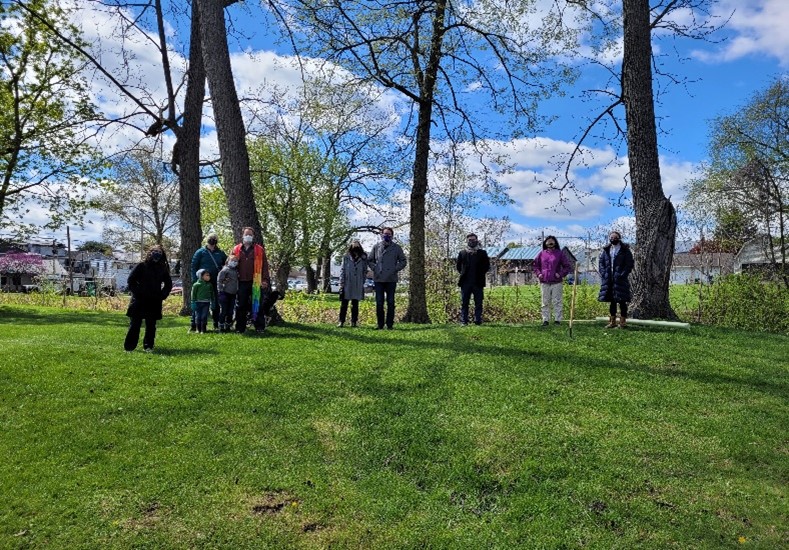
LAMPa staff are preparing a statewide marking of rogation in coordination with United Lutheran Seminary’s spring convocation, around the theme “Theology of Gathering.” Staff have been gathering soil samples from Pennsylvania’s seven synods, as well as both seminary campuses. These soils are accompanied by photographs of their origins, stories, and prayer requests. We will be helping to facilitate rogation and eco-justice services throughout the spring and equipping Lutherans to advocate on the behalf of creation, for those who “tend the garden,” and for all who depend upon the fruits of their labor.

Hunger Advocacy Fellow Larry Herrold continues developing our database of service and justice-related ministries. His work has connected congregational volunteers to a new Senior Express food box delivery system that takes the nutritional assistance for which we advocate the last mile – getting it safely into the hands of seniors.

LAMPa advocates are reaching out to their lawmakers to urge an increase in the state’s hunger funding.

Director Tracey DePasquale participated in the quarterly state Emergency Food Assistance Advisory Meeting, attended meetings of the state emergency feeding and sheltering task forces and worked with the SWPA Synod hunger team to plan their fall event.

DePasquale and seminarian Margaret Folkemer-Leonard met with representatives of Open Table in preparation for equipping congregations in various models for accompaniment that will deepen their advocacy. Folkemer-Leonard attended the first meeting of advocates around language-access policies and continues to lead weekly compline with a focus on justice.


Texas

Texas Impact https://www.texasimpact.org/ – Scott Atnip, Outreach Director

The Texas Legislature convened their biennial Legislative Session in January, and Texas Impact immediately began resourcing Texans of faith to engage in the process.

In March, Texas Impact hosted the second annual Texas Interfaith Advocacy Days March 6-9, the largest interfaith advocacy gathering in the state This year, the conference was online and highlighted speakers and advocacy opportunities related to three priority areas: Health Insurance, Climate Resilience, and Elections. The 200 event participants met with over 30 legislative offices to discuss priority issues.

Texas Impact also released three sign-on letters for Texans of faith:

Texas Impact continues to recruit Rapid Response Team members to make time-sensitive calls and Legislative Engagement Group members who commit to meeting and partnering with other advocates in their Texas House district to plan and prepare for monthly meetings with their representative and/or staff.

The Weekly Witness podcast during the Legislative Session features a Texas faith leader providing a “Weekly Word,” a guest advocate discussing the “issue of the week” and Texas Impact staff providing a legislative update and action alert. The March 15 episode featured ELCA pastor, Rev. Jessica Cain from Living Word Lutheran in Buda.

In addition, Texas Impact staff have been invited to present to several congregational events as they increase capacity for online programming. Texans of faith are mobilizing in exciting ways to participate with their representatives during this important season of democracy.


Washington

Faith Action Network https://www.fanwa.org/ – Paul Benz and Elise DeGooyer, Co-Directors

Legislative Successes: The 2021 WA Legislative session has just passed the cutoff date for bills to be voted out of the opposite chamber and onto the Governor’s desk. We are excited that so many important bills are moving forward from FAN’s legislative agenda, including:

  • Temporary Assistance for Needy Families (TANF)
  • Emergency cash and food assistance
  • Equity and funding for community and technical colleges
  • Prohibiting certain police tactics
  • Decertification and licensing standards for police officers and Criminal Justice Training Commission reforms
  • Eviction reform
  • Just Cause Eviction law
  • Clean Fuel Standards
  • Voting Rights Restoration for people exiting prison
  • Post-secondary education in prisons
  • Removing the exemption in the Office of Civil and Legal Aid for undocumented workers
  • Banning private prisons
  • Banning Native American mascots
  • Juneteenth paid holiday
  • Establishing the Universal Health Care Commission

2021 Spring Summits: Each Spring, FAN hosts Summit meetings around WA State to gather faith communities in our networks. We reflect on the past legislative session, strategize on upcoming local actions, and discuss the issue topics that matter most to our advocates. This year we are hosting two virtual Summits – one in May and one in June. We look forward to connecting across the state and envisioning the year ahead!


Wisconsin

Lutheran Office for Public Policy in Wisconsin (LOPPW)  https://www.loppw.org/ – Cindy Crane, Director
Wednesday Noon Live & Juvenile Justice: We discussed our budget priorities with a focus on returning 17-year-old youth to the juvenile justice system. Ramiah Whiteside, who was directly impacted by being tried and sentenced in an adult court offered his personal testimony. We also interviewed Hunger Advocacy Fellow Kyle Minden, who is leading efforts on Raise the Age. View the program here.

Kyle was also a part of a Justice for Emerging Adults Panel, sponsored by Race to   EquityLOPPW, and Youth Justice Milwaukee.

Care for God’s Creation: Our Faith Advocacy for Climate Justice event on March 18th drew 88 participants. Most people stayed for our post event with the Wisconsin 7, who fasted for climate justice for 22 days. Our planning group included ELCA members from each of our six synods and three interfaith groups. The focus was on preparing to advocate on the Wisconsin State Budget with an advocacy action included in during the event.

Event Video: https://www.facebook.com/LOPPW/videos/298535565005324

Event News Coverage:  https://wkow.com/2021/03/18/bob-lindmeier-talks-climate-change-during-panel-discussion-with-faith-leaders/

Immigration: LOPPW co-sponsored and event with the South-Central Synod of Wisconsin – Standing with our Neighbors – Conversations on Immigration with Immigration Attorney Erin Barbato.

Hunger: LOPPW is part of the Better Choices Coalition examining issues related to hunger in the Governor’s Budget and strategizing responses.

Human Trafficking: LOPPW has been meeting regularly with the Wisconsin Human Trafficking Consortium and its legislative subcommittee preparing to advocate on the Governor’s Budget and upcoming bills.

Equal rights and religious freedom

by guest blogger Thomas Cunniff, ELCA General Counsel

Legislative moment

Congress is currently considering two competing bills which would codify civil rights for LGBTQ+ individuals in the United States, the Equality Act (H.R. 5) and the Fairness for All Act (H.R. 5331). The Equality Act has passed the House of Representatives and is now being considered by the Senate. One of the most significant points of dispute is how the two bills would treat religious objections. The Fairness for All Act would provide robust protection for religious objections, at the potential expense of weakening the civil rights of LGBTQ+ individuals. In contrast, the Equality Act would reduce protection for religious objections by exempting the Equality Act from the provisions of the Religious Freedom Restoration Act. The debate between these bills has set up a false choice between equal rights and religious freedom.


ELCA Priorities

The ELCA supports equal rights for our LGBTQ+ siblings. The ELCA’s social statement Human Sexuality: Gift and Trust (2009) states that the “dignity of the human being reflects God’s deep love and stands against all forms of violence, discrimination, and injustice” [page 5]. As a result, the ELCA “opposes all forms of verbal or physical harassment and assault based on sexual orientation. It supports legislation and policies to protect civil rights and to prohibit discrimination in housing, employment, and public services” [page 19].

At the same time, the ELCA supports the religious freedom and independence acknowledged in both the free exercise clause and the establishment clause of the First Amendment to the U.S. Constitution. These clauses work together, not at cross-purposes, to protect the freedom of believers and non-believers alike from oppression and forced indoctrination. As stated in the ELCA social message on “Human Rights” (2017), the ELCA will “advocate for the U.S. government to protect and promote the equal rights of all people, as enshrined in the U.S. Constitution and Bill of Rights” [page 12]. When the Supreme Court ruled that the First Amendment did not protect the rights of Indigenous citizens to use peyote sacramentally, the ELCA joined with its full communion partners and many others across the political spectrum to support the adoption of the Religious Freedom Restoration Act (RFRA). RFRA requires that federal laws which substantially burden religious freedom be narrowly tailored to a compelling governmental interest.

Equal rights and religious freedom must coexist. Human Sexuality: Gift and Trust both expressly endorsed the extension of civil rights laws to our LGBTQ+ siblings [page 19] and recognized that people could disagree about Scripture and come to one of four different conclusions regarding same-gender marriage with conviction and integrity [pages 19-21]. Accordingly, it encouraged “all people to live out their faith in the local and global community of the baptized with profound respect for the conscience-bound belief of the neighbor” [page 21].


Ongoing commitment to a fair solution

We urge the adoption of legislation that ensures the full rights of LGBTQ+ persons without infringing on religious liberty or permitting improper government interference in the ecclesiastical activities of religious organizations. Blanket exemptions for anyone claiming a religious motive are too broad and would eviscerate necessary civil rights protections for historically marginalized groups. Not providing space in which dissenting religious groups can practice their beliefs free from government interference, however, would gravely damage freedom of conscience. Moreover, fully exempting statutes from RFRA sets a dangerous precedent of permitting the government to forcibly impose the views of the majority on minority religions, a precedent which could easily be weaponized by a future Congress and President. For these reasons, the ELCA is committed to continue working with others, including full communion partners, to find a solution that fully protects the civil rights of our LGBTQ+ siblings while at the same time protecting the free exercise and conscience rights of religious objectors.

March Update: Advocacy Connections

from the ELCA advocacy office in Washington, D.C. – the Rev. Amy E. Reumann, director

Partial expanded content from Advocacy Connections: March 2021

AMERICAN RESCUE PLAN  |  GLOBAL COVID-19 VACCINATION  |  PUBLIC CHARGE RULE BLOCKED  |  EVICTION MORATORIUMCOMMUNITY HEALTH CENTERS


AMERICAN RESCUE PLAN:  Passage of the American Rescue Plan Act of 2021, signed by President Biden on March 12, was shaped by input of many constituents, including Lutheran voices. Thank you for your advocacy!

ELCA federal priorities for advocacy action were emphasized through many individual, leadership and coalition actions. Elements in resulting legislation of critical issues, emphasized in our advocacy for a stronger and more equitable recovery, are expanded in “Provisions in the American Rescue Plan.”


GLOBAL COVID-19 VACCINATION: President Biden recently announced the U.S. will contribute $4 billion to COVAX– a global vaccine initiative which is co-led by the World Health Organization. Two billion of those funds were scheduled for distribution at the end of February, the remaining two billion will be distributed in the coming months and through 2022.

ELCA Witnessing in Society advocacy staff have been advocating for increased funding resources to support global COVID relief efforts, including for expanded vaccines access.


PUBLIC CHARGE RULE BLOCKED:  On March 9, the 2019 Public Charge Rule was blocked permanently nationwide. The rule was found to increase the likelihood of families forgoing applying for benefits like SNAP, Medicaid and public housing out of concern for the consequences on a family member’s immigration status application. Many Lutherans shared public comments opposing the rule when it was introduced.

“The 2019 public charge rule was not in keeping with our nation’s values,” said the U.S. Department of Homeland Security secretary. On social media, @ELCAAMMPARO reflected, “No one should have to agonize over whether to apply for needed support, especially during a time like now when we’re steadily working towards a national recovery. Immigrant families can feel safe applying for benefits for which they are eligible.”


EVICTION MORATORIUM:  A federal judge in Texas last month ruled that the Centers for Disease Control and Prevention eviction moratorium issued by Congress is unconstitutional. Though no injunction was set in place, the current moratorium is still set to end this month, impacting millions of families and presenting immense challenge to church shelters already stretched thin nationwide.

The interfaith advocacy community has redoubled efforts. Nearly 2,300 organizations, including the ELCA, and elected officials signed onto a letter urging President Biden to extend the federal eviction moratorium beyond its March 31 expiration and to improve and enforce its protections.


COMMUNITY HEALTH CENTERS:  Community Health Centers (CHC’s) across the country are important access points for affordable and quality healthcare. As part of the federal COVID-19 response, the administration has launched a vaccine distribution program through CHCs to better reach identified individuals experiencing homelessness, migrant and seasonal. farm workers, and people with limited English proficiency.

A list of Health Center COVID-19 Vaccine Program participants near your congregation or ministry is available from hrsa.gov. These health centers provide care to millions of patients annually in medically underserved rural and urban areas in the U.S., including patients who lack health insurance, minorities, and other vulnerable groups of people. The injection of $7.6 billion for CHC in the American Rescue Plan will expand the capacity of these providers to serve in their communities.


Receive monthly Advocacy Connections directly by becoming part of the ELCA Advocacy network – http://elca.org/advocacy/signup , and learn more from elca.org/advocacy .


March Update: UN and State Edition

Following are updates shared from submissions of the Lutheran Office for World Community and state public policy offices.
As the new year begins, these state public policy offices (SPPO) share their annual policy priorities. Find a map and full list of ELCA affiliated SPPOs using our state office map.
Learn more about Lutheran advocacy using our new resource, Advocacy 101 For Young Adults.

U.N. | Arizona | Colorado | New Mexico | Ohio | Pennsylvania | Texas |Washington | Wisconsin


U.N.

Lutheran Office for World Community, United Nations, New York, N.Y. https://www.elca.org/lowc –Dennis Frado, Director

Promoting Gender Justice at UN CSW65: A total of 72 delegates from all the Lutheran World Federation (LWF) regions will participate in the sixty-fifth session of the UN Commission on the Status of Women (CSW65) that will take place from 15 to 26 March 2021. The larger number reflects the fact that the session will be virtual due to COVID-19. The delegates consist of LWF Gender Justice and Women’s Empowerment regional coordinators, staff of LWF World Service country programs, and representatives of ELCA companion churches. Approximately two dozen of the attendees are from the ELCA.

Together with ecumenical and interfaith partners, LOWC staff drafted and submitted three joint statements (E/CN.6/2021/NGO/91, E/CN.6/2021/NGO/117 and E/CN.6/2021/NGO/147) based on the theme, as well as considering the gendered impact of COVID-19.

LWF has organized and co-sponsored five CSW related events. To influence the outcome document known as the agreed conclusions, LOWC staff have been engaging actively within the Faith in Beijing coalition convened by Side by Side.

Humanitarian Assistance to Palestinians: In the coming weeks, ELCA staff, including LOWC, will be encouraging synod bishops and other ELCA members to intensify their messaging to Congress in support of U.S. bilateral humanitarian assistance to the Occupied Palestinian Territory (East Jerusalem, West Bank and Gaza). The assistance, though appropriated by Congress, was not disbursed by the previous Administration for several years. This funding had been an essential part of the annual operating budget of the LWF-owned Augusta Victoria Hospital in East Jerusalem and its absence has resulted in substantial debt. The Biden Administration told the UN Security Council in late January that it wishes to “restore U.S. assistance programs that support economic development and humanitarian aid for the Palestinian people” and renew “U.S. relations with the Palestinian leadership and Palestinian people.” Congressional leaders are being asked to contact the Administration to release those funds as soon as possible.


Arizona

Lutheran Advocacy Ministry Arizona, https://www.lamaz.org – Solveig Muus, Director

Lutheran Advocacy Ministry Arizona is currently tracking 37 bills of interest to people of faith in Arizona. In addition to the bills related to our specified policy priorities – Hunger and associated food security issues, Community-based Senior Support, and Fair and Equitable distribution of COVID-19 vaccines – we are watching movements on child and youth welfare, voting rights and redistricting, and education. We are encouraged to see that SB1176, a nutrition assistance bill to fund the Double Up Food Bucks Arizona program that essentially doubles the value of SNAP/EBT benefits at farmers markets, has a good chance of passing. This provides excellent support for healthy eating and local farmers!

LAMA also co-sponsored a second Advocacy 101 training workshop alongside Arizona Faith Network and Bread for the World to encourage people of faith to participate in their state government by expressing their views online using Arizona’s Request to Speak (RTS) system about the bills they care about.

Lutheran Advocacy Ministry Arizona celebrated its first birthday in February. The LAMA Policy Council recently met to review this inaugural year’s successes and gains as well as its opportunities for improvement. The Council is deeply grateful for the support and mentoring of the ELCA’s state public policy offices, for the partnership of Lutheran Social Services of the Southwest, and for the many ministry partners who do the work of advocacy both nationally and in Arizona. Each partner has generously shared their passion and their experience with LAMA. It has been a very positive and productive first year, thanks be to God.


Colorado

Lutheran Advocacy Ministry-Colorado https://www.rmselca.org/advocacy – Peter Severson, Director

Legislature Resumes: The Colorado General Assembly returned to session on February 16 after an extended recess to allow legislators to be vaccinated against COVID-19. The session is scheduled to proceed for its usual 120 days, ending on June 11.

Housing Bills: Lutheran Advocacy is joining the Renters’ Roundtable to support several housing-related bills in this session. These include:

  • House Bill 1117, a measure to permit local governments to adopt inclusionary zoning ordinances to promote the construction of housing developments for low-income earners.
  • House Bill 1121, a measure to introduce parity between the eviction and rent-relief timelines for renters facing eviction, and to extend notice periods for tenants regarding rent increases and eviction summonses.

Other Priorities: We have adopted support positions on a number of other bills already this session and are gearing up to send out Action Alerts for timely hearings.

Petitions & Letters: Lutheran Advocacy signed a letter urging Gov. Jared Polis to prioritize providers of homelessness-related services in the distribution of COVID-19 vaccines. We also are actively encouraging the Joint Budget Committee to prioritize restoring the funding for application assistance for people seeking Social Security Disability Insurance.


New Mexico

Lutheran Advocacy Ministry- New Mexico
https://www.lutheranadvocacynm.org – Kurt Rager, Director

1st Session of the 55th Legislature races towards the finish. The New Mexico Legislature’s current 60-day session will come to an end on March 20. The last half of the session is characterized by days that start early and often don’t end until close to or after midnight, including weekends. Though down significantly from previous 60-day sessions, over 800 bills have been introduced. Lutheran Advocacy Ministry – New Mexico (LAM-NM) has been tracking just under 90 bills, actively speaking in support or opposition to many.

LAM-NM Advocacy Agenda legislation highlights:

  • Affordable Housing & Homelessness – Support for legislation that would support and assist landlords, tenants, and mortgage holders impacted by the current pandemic and that help mitigate the looming eviction crisis.
  • Family-Sustaining Income – Support for tapping the state’s $22 billion Permanent Fund for increased early childhood education, for capping short-term “store-front” installment loans at 36%, for utility relief and disconnection protection, and the protection of low-income New Mexicans from debt collections due to unpaid healthcare bills.
  • Healthcare – Support for emergency healthcare services and other health-related benefits for non-citizens, for the creation of a Healthcare Affordability Fund that would help offset the cost of health insurance for low-income New Mexicans, for the creation of Prescription Drug Affordability Board, and for legislation that would help identify those uninsured and connect them to free or low-cost health insurance plans.
  • Hunger – Support for additional emergency funding for New Mexico food banks, for studying college student hunger, and for the Food, Hunger, & Farm Act and the Healthy Food Financing Act, both of which would focus on identifying and addressing root causes of hunger in New Mexico.
  • Tax Policy – Support for legislation that would update the Low-Income Comprehensive Tax Rebate program, increases for and expansion of eligibility for the Working Families Tax Credit, for changes to tax policy, that would return progressivity to New Mexico’s tax structure.
  • Criminal Justice – Support for ending the use and operation of private detention facilities, for repealing the cancelation of voter registration for felons after release, for decreasing the overuse of fines and fees in the criminal justice system, and for ending the revocation of driver’s licenses as a penalty.


Ohio

Hunger Network in Ohio https://www.hungernetohio.com – Nick Bates, Director

HNO was pleased to join over 50 other individuals in offering testimony last month against SB 17. This proposal will hurt those who are in poverty and increase hunger across Ohio. It will add photo ID’s to SNAP cards – causing confusion in the check-out line – add additional bureaucracy for counties and families in processing Medicaid and SNAP, punish workers for earning more money, and it will do nothing to reduce the unemployment identity theft that has hit Ohioans hard! Faith leaders across Ohio continue to push against this bill. Please write your Senator today and say NO to SB 17! 

Bishop Eaton to Preach at Ohio Advocacy Day on March 23: Budgets are Moral Documents. The Hunger Network is collaborating with the Ohio Council of Churches for a virtual advocacy day on March 23rd at 9:00am. We are pleased to welcome Bishop Eaton to our convening at 9am. This advocacy day will focus on our key priorities: Hunger, Housing, and Educational equity. Governor DeWine’s budget is still being reviewed in the Ohio House and will move over the Senate shortly. Sadly, this budget is a very ordinary budget while Ohio faces extraordinary needs. During our advocacy day, we will encourage Ohio’s legislators to have a bold vision for the future and craft a budget that will get us there! REGISTER HERE FOR ADVOCACY DAY!!!


Pennsylvania

Lutheran Advocacy Ministry- Pennsylvania (LAMPa) https://www.lutheranadvocacypa.org/ – Tracey DePasquale, Director

In February, LAMPa advocates celebrated and thanked lawmakers for the unanimous passage of emergency COVID relief as Act 1 of the new legislative session. On Feb.  5, Gov. Tom Wolf signed the law, directing more than $900 million in federal pandemic aid to struggling businesses, private schools, landlords and tenants unable to meet rent or utility bills because of economic downturn related to the failure to stop the spread of the disease.  Advocates had pressed for months to alleviate the suffering and anxiety in their communities. LAMPa urged the Public Utility Commission to extend the moratorium on shutoffs for low-income customers.

Hunger Advocacy Fellow Larry Herrold and Seminarian Margaret Folkemer-Leonard began organizing a statewide Rogation observance, gathering soil, stories, prayers, and pictures from sites across all seven synods and the two campuses of United Lutheran Seminary. Lutherans will be praying and acting for one another and their communities across divides of geography, ethnicity, age, race, ideology, wealth, immigration status and more in conjunction with the ULS convocation around “The Theology of Gathering.” LAMPa will resource disciples for advocacy related to hunger, farming, environmental justice, and other concerns lifted in their prayers.

LAMPa hosted a Worship and Wonder Wednesday as part of a justice-related series in Lower Susquehanna Synod. Airing at the start of Lent and tied to the UN World Day of Social Justice, the panel discussion focused on our baptismal call to labor for justice, reflecting on wilderness and what it means to be a disciple in this democracy.


Texas

Texas Impact https://www.texasimpact.org/ – Scott Atnip, Outreach Director

The Texas Legislature convened their biennial Legislative Session in January, and Texas Impact immediately began resourcing Texans of faith to engage in the process.

Texas Impact staff spent the month of February surviving the winter apocalypse and power grid failure while also preparing for the Texas Interfaith Advocacy Days- the largest interfaith advocacy gathering in the state, March 6-9. This year, the conference moved online and will highlight speakers and advocacy opportunities related to three priority areas: Health Insurance, Climate Resilience, and Elections.

Due to COVID-19 restrictions, online engagement will be more important than ever, and we continue to promote online content. This month, we partnered with Texas State Senator Nathan Johnson for a creative ten minute video explaining the importance of Medicaid Expansion in Texas.

Texas Impact continues to recruit Rapid Response Team members to make time-sensitive calls and Legislative Engagement Group members who commit to meeting and partnering with other advocates in their Texas House district to plan and prepare for monthly meetings with their representative and/or staff.

During the Legislative Session, the Weekly Witness podcast features a Texas faith leader to provide a “Weekly Word,” a guest advocate discussing the “issue of the week,” and Texas Impact staff providing a legislative update and action alert. For the second month in a row, February episodes had record numbers of listeners during the live Zoom recording and in downloads for the month.

In addition, our staff have been invited to present to a number of congregational events as they increase capacity for online programming. Texans of faith are mobilizing in exciting ways to participate with their representatives during this important season of democracy.


Washington

Faith Action Network https://www.fanwa.org/ – Paul Benz and Elise DeGooyer, Co-Directors

2021 Advocacy Days: FAN hosted three virtual Advocacy days with two pre-session trainings in January and February in Eastern WA, Olympia, and Central WA. At each event, we gathered inspiration from faith leaders and legislators on the importance of advocacy and putting our words into action, we broke out into groups by issue topic, and in Olympia we scheduled over 110 meetings with legislators by district! Between the three events, we had over 400 advocates attend who were eager to make progressive change in the legislative session and in their local areas. We missed seeing everyone in-person, but we were just as powerful behind our screens!

Legislative Successes: The 2021 WA Legislative session has just passed the cutoff date for bills to be voted out of their house of origin and onto the next chamber. We are excited that so many important bills are moving forward from FAN’s legislative agenda, including:

  • Economic Justice and the Biennial Budget: A tax on Capital Gains, lifting restrictions for Temporary Assistance for Needy Families (TANF), greater equity and access to Community and Technical Colleges, emergency cash and food assistance during COVID, funding the Working Families Tax Credit, free and reduced lunches for all grades.
  • Policing and Criminal Justice reforms: de-escalation training and use of deadly force as a last resort, establishing an Office for Independent Investigations of police officers, prohibiting unnecessary police tactics, decertification and Criminal Justice Training Commission reforms, removing Driving While License Suspended (DWLS-3) as a criminal offense.
  • Housing and Homelessness: Eviction reform, Just Cause eviction reform.
  • Climate Justice: Clean Fuels Standards, the Healthy Environment for All (HEAL) Act
  • Immigrant, Civil, and Human Rights: Voting Rights Restoration for those with felony convictions, removing an exemption for undocumented workers in the Office of Civil & Legal Aid, prohibiting private prisons, prohibiting use of Native American mascots, establishing a paid Juneteenth holiday.
  • Health Care: Establishing a Universal Health Care Commission, creating public health districts.


Wisconsin

Lutheran Office for Public Policy in Wisconsin (LOPPW)  https://www.loppw.org/ – Cindy Crane, Director

Wednesday Noon Live: We received updates on lawmakers’ efforts to limit voting rights, discussed national news, and held a special interview with Ruth Ivory-Moore, ELCA Director of Environmental and Corporate Responsibility.

Care for God’s Creation: LOPPW continued planning for Faith Advocacy for Climate Justice event on March 18, at which time video testimonies on climate change were collected from our coalition members. Cindy spoke at two press conferences in Kenosha to support efforts of an ELCA pastor and six others in their fast for climate justice. She also advised the WI 7 on State Budget priorities. Both staff also helped plan a press conference and rally in Madison.

Trainings (Advocacy & Anti-sex trafficking): Kyle led a workshop on talking to youth about advocacy at a synod clergy conference gathering in the NWSW while Cindy led advocacy trainings- one at a Northwest Synod of Wisconsin-wide event, and another on anti-sex trafficking to a class at Edgewood College.

Immigration: Kyle is helping the SCSW organize Standing with our Neighbors on immigration reform.  The virtual event, taking place March 23 at 7:00 PM, is open to all.

Hunger: LOPPW is part of the Better Choices Coalition examining issues related to hunger in the Governor’s Budget and strategizing responses.

Criminal Justice: Kyle was part of the planning group for “Justice for Emerging Adults – Great Lakes Region: How does Wisconsin Compare,” even helping to facilitate the workshop.


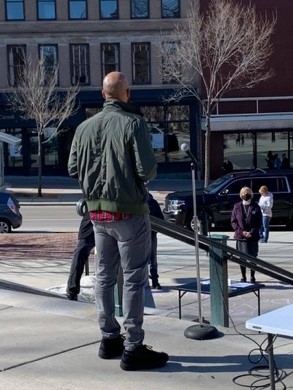
Lt. Governor Mandela Barnes speaking after
Bishop Joy Mortensen-Wiebe led us in an
opening prayer in front of the Capitol.


Provisions in the American Rescue Plan

Passage of the American Rescue Plan Act of 2021, signed by President Biden on March 12, was shaped by input of many constituents, including Lutheran voices. Thank you for your advocacy! There is reason to celebrate the recent, significant supports funded for millions of Americans still struggling from the COVID-19 pandemic. The federal response to the crisis of the pandemic is not only colossal, it is personal: a family has rent for another month, food on the table, required medicine, and in many cases even tools to no longer live in poverty and hunger.

ELCA federal priorities for advocacy action were emphasized through many individual, leadership and coalition actions. Elements in resulting legislation of critical issues emphasized in our advocacy for a stronger and more equitable recovery are briefly shared in this post, recognizing that a piece of legislation this substantial cannot be easily summarized. The ELCA Program Director for Domestic Policy points to an article by Houston Public Media for a more expanded look at “Here’s What’s In The American Rescue Plan.”


DOMESTIC

Provisions through the American Rescue Plan respond to the national and international health and humanitarian crisis as well as devastating economic realities in every community and family—urban, rural, and tribal—across the country.

One of the most direct supports are payments of up to $1,400 per person and $2,800 for a married couple if their income is below $75,000 or $150,000 respectively per year. Each child or dependent also qualifies for a $1,400 payment.

Some $55 billion will go to COVID-19 vaccine funding and continued contact tracing to fully arrest the virus.

The Special Supplemental Nutrition Program for Women, Infants, and Children (WIC) received $3 billion to invest in WIC’s quality nutrition services to improve health outcomes for pregnant and postpartum women, infants and children under age five. This is critical during COVID-19 because so many healthcare services have been suspended or interrupted during the pandemic. The law also supports low-income seniors with $1.4 billion in funding for Older Americans Act programs like nutrition programs, community-based support programs and the National Family Caregiver Support Program. Additionally, there is $37 million for the Commodity Supplemental Food Program for low-income seniors.

Of great encouragement for pandemic relief as well as long-term impact on child poverty is utilization of the Child Tax Credit (CTC) and Earned Income Tax Credit (EITC) in the Act. “While public safety net programs such as the Supplemental Nutrition Assistance Program (SNAP) or Temporary Assistance for Needy Families (TANF) often get more attention, refundable tax credits actually have a larger positive impact on poverty,” wrote Ryan Cummings of ELCA World Hunger in a recent post to the ELCA advocacy blog. The CTC, for example, was extended to $3,600 per child age six and under and $3,000 per child age six through 18. Practically, this means for example that a working mother with two children ages eight and five would receive $550 per month through the end of this year while the temporary benefit is active. Those dollars could be used to help pay for childcare, food or clothing for the kids to return to school. Those dollars are often spent in local communities, including grocery stores and main street businesses, and support workers, local and state taxes bases, and much more.

Some $5 billion is dedicated to USDA technical assistance, education, and outreach for socially disadvantaged farmers and ranchers, defined as those who have experienced barriers to service due to racial or ethnic prejudice.

Native American and Alaska Native tribal governments will see about $31 billion in support for their communities which have had historically poor health outcomes and have been particularly hit hard by the spread of the virus.

School systems throughout the nation are now eligible for $128 billion in grants to respond to new protocols in classrooms and making education settings safe.

Small businesses now have newly targeted access to the Paycheck Protection Program (PPP) that helps small businesses keep their doors open and their employees paid while many jurisdictions are shuttered. Those who are unemployed can now receive extended Unemployment Insurance payments of $300 per month.


ENVIRONMENT, ENERGY AND INFRASTRUCTURE

The American Rescue Plan addresses home energy by providing $4.5 billion for the Low-Income Home Energy Assistance Program (LiHEAP) and another $500 million for drinking water and wastewater assistance. It also provides $650 million for the Cybersecurity and Infrastructure Security Agency (CISA). The CISA is heading the investigation into the fourth quarter 2020 cyberattack against the company (SolarWind Corp) that hosts servers for the U.S. government and many large companies.


HOUSING

The final version of the American Rescue Plan contained roughly $50 billion in total in response to comprehensive housing needs stemming from the impact of the pandemic. The infusion includes $10 billion for homeowners facing foreclosure and $27 billion for renters facing eviction – very close to the $30 billion figure we advocated for based upon analysis advanced by the National Low Income Housing Coalition and the Interreligious Working Groupon Domestic Human Needs. Additional funding for homeless grants, tribal housing and fair housing counseling were included for comprehensive needs.

This federal investment will proactively prevent the looming mass-eviction crisis and potential second housing crisis that were seething since the start of the pandemic. It is a significant win for congregations and shelters already exceeding capacity – working around the clock to help those of us struggling with homelessness and housing insecurity. The final plan also prioritizes families with the lowest incomes and our siblings who have been impacted by this pandemic the most – marking a step forward in our efforts to address the increasing economic disparities in our communities this past year.


INTERNATIONAL

Congress included nearly $11 billion for international COVID-19 relief. In this amount are funds to help low- and middle-income countries mitigate further spread of the coronavirus in their communities, as well as support them in addressing health, humanitarian and economic needs. While the final bill did not include the $20 billion for which we and coalition partners advocated, this is a step in the right direction. Effective global response to the COVID-19 pandemic requires an enormous amount of resources to which the U.S. and other countries must contribute, and we are grateful to Congress and the president for heeding calls from advocates like yourself to ensure we do not forget our global neighbors.


MIGRATION

Millions of families turned to emergency assistance to put food on the tables and pay for essentials to weather this pandemic, but many mixed-status families received insufficient or no help at all. (A “mixed-status family” is a family whose members include people with different citizenship or immigration statuses, for example in which the parents are undocumented and the children are U.S.-born citizens.) The COVID relief package includes $1,400 in economic impact payments for any qualified adult with a work-valid social security number. Child and adult dependents with a social security number will also be eligible even if their parents are not—meaning that more mixed-status families will receive help where they did not before. The American Rescue Plan’s $7.6 billion in funding for community health centers will go far in promoting equity in access to vaccines and associated services for historically underserved groups, among these farmworkers, and complement the federal government’s vaccine distribution programs to reach these disparately impacted communities. The package also includes $500 million for migration and refugee assistance, along with $110 million in additional Federal Emergency Management Agency (FEMA) funding to help respond to families and individuals encountered by the Department of Homeland Security.

Presence to equal leadership

International Women’s Day (IWD) notes celebrations and challenges of women in the United States and around the globe. Observed March 8, IWD is a global day celebrating the social, economic, cultural and political achievements of women, and also marks a call to action for accelerating women’s equality. The ELCA social statement, Faith, Sexism, and Justice: A Call to Action, says: “The ELCA is grateful for the faithful and courageous witness of our global communion, the Lutheran World Federation (LWF). While this ELCA social statement is situated in the diverse cultural context of the United States, we recognize the biblical rationale, principles, and methodology of the LWF ‘Gender Justice Policy’ as a global benchmark toward conversation and common practice. In a spirit of ‘mutual conversation and consolation,’ the ELCA will continue to accompany and to be accompanied in implementing that policy within the global Lutheran community.”

Our guest blogger picks up the 2021 IWD call, #ChooseToChallenge. Bringing Central European experience to helping forge a gender equal world, Rev. Dr. Marta Ferjová urges women to “start talking.” Coordinated with the Lutheran Office for World Community, Rev. Dr. Ferjová will take part in the 65th session of the Commission on the Status of Women taking place March 15-26, 2021.


By guest blogger Rev. Dr. Marta Ferjová,* pastor in the Evangelical Church of the Augsburg Confession in the Slovak Republic

Since childhood my female friend grew up in the Church. She experienced many beautiful things within the community she went to: trips, camps, skiing, social evenings.

Once she was approached by a churchwoman and told that they needed someone to read the Scripture during a worship service. So my friend offered to come and do it in her free time. However, when she arrived at the church on the day she was supposed to do the reading, that same woman was waiting at the entrance and told her: “I’m sorry, but you can’t read today. The priest who serves today’s service will not stand women at the altar. He said that you can come to the church, even volunteer, but reading the Scripture in front of the people is reserved for men only.“

As an adult, this friend of mine left the church. Still, in the society, in her work and in her daily life, she experiences things similar to this scene until this day.


Present – But Valued?

It is the year 1951, and the Evangelical Church of The Augsburg Confession in Slovakia (ECAV), in the region where I now serve as a Lutheran World Federation coordinator for Women in Church and Society, becomes one of the first churches in the world where a woman is allowed to serve as a priest. Since then, women in my church have the same rights as men to be elected to all positions and functions within the church. They may even be elected as bishops, although this has never happened before. The ECAV has more than 160 women in active service, which is almost 50 percent of all clergy working within our church.

Women are considered to be great in many positions, but according to the opinion of the majority, they have not yet “grown” to be leaders. We can see the similarity of this thinking in other spheres of the society, too. The representation of women has been more or less balanced in all areas of social life. In some departments, the number of women even surpasses the number of men. But getting to a hierarchically higher position is literally impossible for women.


Absorbed Perceptions

For most people, the gender stereotypes, patterns, prejudices, myths and dogmas don’t seem concerning . They intensely surround us from an early age, and we cannot avoid them. When a person since childhood keeps hearing that women have to take care of children and housework, that the role of a woman is to be a mother, that being a woman and having a successful career at the same time is unimaginable, it all affects them.

It takes years to remove the layers and layers of opinions that a person absorbs into their subconsciousness. The consequences of medieval thinking still influence the perception of women and still ascribe behavioral patterns for women, including those who are members of the church. Although the church and culture may officially rate women highly positively, nevertheless approaches may still be patriarchal and convey that women are “the weaker sex.”


Practicing Inward What Church Proclaims Outward

Yet, the role of the Church is to humanize the world and the society. It is supposed to help to make the world better and give it back the seal of God – the Creator.

Therefore, is it absurd when the church still retains the image of a woman which comes from the socio-cultural stereotypes of antiquity or the Middle Ages. Exegesis of many biblical texts takes into consideration the historical, social, cultural and religious context of the time, but it is ridiculous when that principle is forgotten when it comes to biblical texts which speak of the subordination of women in the society.

Although today’s church outwardly proclaims equal opportunities, freedom and tolerance, it does not ultimately practice it. In the Central European churches, voices on the image of a woman of orthodox bishops and believers who are often also engaged in the conservative politics can be heard. Although the Protestant Churches in our region democratically elect their bishops, they have not yet been able to transcend their own shadow and elect a woman to this position. Real debate about the equal status of women and men within the church, and about divorces, abortions or homosexuality, has not even begun.


Start Talking

The only solution for this situation is for women to start talking. They cannot be silent in the church when men preach to them about the traditional domestic role of women. They cannot be silent in the parliament when men passionately discuss abortion laws. They cannot be quiet at home when generations repeat that a woman should unquestioningly obey her husband and should only take care of the household. They cannot sit quietly in a corporation when listening to an exclusively masculine view of the world.

Women must speak. Louder and clearer than ever before. And they have to talk about themselves, about their lives, about their position and about their complaints. Because equality is for everyone.

———————————————————————-
* Rev. Dr. Marta Ferjová is Regional Gender Justice and Women’s Empowerment Coordinator for Eastern and Central Europe with the Lutheran World Federation.

Vaccine confidence guidance

Vaccination hopes, fears and falsehoods are around us in this time of heightened anxiety. A new resource, “‘All in’ Against COVID-19: FAQ and Guide to Supporting Vaccine Confidence for Faith and Community Leaders,” released March 1, 2021 by The Partnership Center, Center for Faith-based & Neighborhood Partnerships of the U.S. Department of Health and Human Services (HHS), was among those highlighted during a Faiths4Vaccines Roundtable Discussion in which ELCA advocacy staff participated.

“Many people in this country do not trust either the government or the medical establishment. They fear that this might be an experiment or somehow the government intruding on this. I’ve even heard people say that they’re afraid that a chip is going to be inserted in their arm when they get the vaccine. That’s not true,” says Presiding Bishop Elizabeth Eaton in a Feb. 28 video. “The vaccine is safe, it’s effective, and it’s being made available to many, many, many people. So, I need you to talk to folks in your congregations… to convince them that this is safe, that it’s effective, and it will make it easier for us to return to life in person. …Be well, dear Church.”

The FAQ section of “’All in’ Against COVID-19” is reproduced here, and it can be downloaded and reviewed in its entirety from HHS.gov, including annotated citations. The Partnership Center lists other resources for your review.


‘All in’ Against COVID-19: FAQ and Guide to Supporting Vaccine Confidence for Faith and Community Leaders


Step One: Get and Share the Facts

COVID-19 and Risk Factors
  • COVID-19 most commonly spreads between people who are in close contact with one another (within about six feet or two arm lengths).
  • People with an “asymptomatic infection” (not feeling sick or showing symptoms) can spread the virus to others.
  • COVID-19 vaccines may keep you from getting seriously ill, or dying, should you become infected with the virus.
  • Older adults are at a greater risk of hospitalization or death if diagnosed with COVID-19.
  • Long-standing, systemic health and social inequities have put many people from disproportionately affected racial and ethnic groups at increased risk of getting sick and dying from COVID-19.
Frequently Asked Questions (FAQs) About Vaccines

Vaccines train our immune system to recognize the virus that causes COVID-19 and make cells to fight it. With vaccines, we can build immunity to a disease without getting the disease.

Herd immunity means that enough people in a community are protected from getting a disease because they’ve already had the disease or because they’ve been vaccinated. Herd immunity makes it hard for the disease to spread from person to person, and it even protects those who cannot be vaccinated, like newborns or people who are allergic to the vaccine.

Some people get temporary side effects like fever, headache, or a sore arm after they take the COVID-19 vaccine. Side effects are usually mild and last only a few days. Side effects occur when the body is building protection against the virus.

You cannot get COVID-19 from any of the COVID vaccines now in use nor from those being tested in the United States as none of them contain the live virus that causes the disease.

Clinical trials showed that the vaccines are 94-95 percent effective, meaning they prevent 94-95 of every 100 vaccinated individuals from getting COVID-19.

A vaccine reduces the likelihood that you will get infected, so you’ll be less likely to infect others.

A small number of people have had allergic reactions, called anaphylaxis, after getting a COVID-19 vaccine; but they were treated and have fully recovered. The CDC provides recommendations on what to do if you experience an allergic reaction after getting a COVID-19 vaccination or any other vaccine.

Scientists are studying variants of the virus that cause COVID-19 to see whether existing vaccines will protect people against them. You can track US COVID-19 cases caused by variants.

People of color who get COVID-19 are at much higher risk for severe cases of and even death from the disease. It’s important that they are vaccinated as soon as possible, especially seniors of color.

As larger supplies become available, more people will be able to receive the vaccines. Most adults should be able to get the vaccine later in 2021. Stay tuned to the vaccine program in your state/county by using the locator or through your state or local health department to find out when, where, and how vaccines will be available in your community.

Scientists are still reviewing this question. We don’t yet know how long natural antibodies in people who have had COVID-19, or antibodies created as a result of vaccines, will be effective.

We don’t know how long the vaccine protects people, but clinical trials are actively investigating this. What we do know is that among people who were vaccinated in clinical trials of the vaccines now available, 94 to 95 people out of 100 did not get the disease.

Vaccine doses purchased with U.S. taxpayer dollars and are being given to the American people at no cost. Vaccination providers can be reimbursed for vaccine administration fees by the patient’s public or private insurance company or, for uninsured patients. No one can be denied a vaccine if they are unable to pay a vaccine administration fee.

Yes! Experts need to understand more about the protection that COVID-19 vaccines provide in real-world conditions before they recommend that we stop wearing masks or avoiding close contact with others. In the meantime, it will be important for everyone to continue using all the tools available to help stop this pandemic.

    • Wear a mask over your nose and mouth
    • Stay at least six (6) feet away from others
    • Avoid crowds
    • Avoid poorly ventilated spaces
    • Wash your hands often


Step Two: Get Vaccinated

There is a limited supply of COVID-19 vaccines currently available; however, the supply will continue to increase in the weeks and months ahead. It is expected that most of the American population will have access to the vaccine by fall 2021.

  • When can I get a vaccine?

CDC makes recommendations for who should get the vaccine first, then each state makes its own plan of distribution. http://bit.ly/VaccFacts-5

  • How much do I have to pay?

Vaccines are free to the public. http://bit.ly/VaccFacts-6

  • Where can I get a vaccine?

Use the CDC’s vaccine locator or contact your state or local health department to find out when, where, and how vaccines will be available in your community. http://bit.ly/VaccFacts-7

Cut child poverty in half? It could happen

By Ryan Cumming, ELCA Program Director for Hunger Education*

The United States is one of the wealthiest countries in the world, and its economy is by far the largest. Yet, the U.S. has one of the highest rates of child poverty among developed countries, according to the Organization for Economic Co-operation and Development. According to the U.S. Census Bureau, in 2019 (the most recent year for data), 14.4% of children – about 10.5 million children – in the U.S. were living in poverty. This is tremendous progress from 2010, when 22% of U.S. children were living in poverty.

God richly provides for our daily bread — the earth can produce enough to feed everyone. Yet many still go hungry. As members of the Evangelical Lutheran Church in America and through our gifts to ELCA World Hunger, we commit to pursuing a world of justice where all are fed. There is much to be done, and new federal proposals about refundable tax credits may be a sweeping policy change that could do more to lower childhood poverty than any other policy measure available.


Tax Credits and Poverty

A refundable credit is a tax credit that is refunded to the taxpayer no matter the amount of a taxpayer’s liability. Current examples with refundable tax credit features are the American opportunity tax credit, Earned Income Tax Credit (EITC) and Child Tax Credit (CTC).

While public safety net programs such as the Supplemental Nutrition Assistance Program (SNAP) or Temporary Assistance for Needy Families (TANF) often get more attention, refundable tax credits actually have a larger positive impact on poverty. In fact, the U.S. Census Bureau estimates that refundable tax credits lifted more than three times as many people out of poverty than SNAP and TANF combined.

There are a lot of reasons for this, especially the reality that SNAP and TANF have strict eligibility requirements and often provide benefits that aren’t sufficient to lift many people’s income above the poverty threshold. But even taking this into account, it’s difficult to overstate the positive impact that refundable tax credits, especially the EITC and the CTC, have had.

In 2019, refundable tax credits helped 7.5 million people avoid poverty in the U.S. Tax credits also reduced child poverty by nearly 5.5%. This means 4 million children in the U.S. were prevented from falling into poverty because of these provisions alone.

When combined with EITC that many states provide, the impact is even larger. The Center on Budget and Policy Priorities (CBPP) estimates that these refundable tax credits, taken together, lifted 10.6 million people out of poverty, including 5.5 million children, and helped make another 17.5 million people, including 6.4 million children, less poor in 2018.

The tax credits also impact some of the root causes of long-term risk of poverty. Tax credits like the EITC and the CTC have been linked to a lowered risk of low birthweight for babies, a greater likelihood of a pregnancy going full-term and an increased likelihood of breastfeeding.1 **Low birth weight is a significant predictor of infant mortality and increases the risk of negative health and economic outcomes even into adulthood.2 Other research has found that increases in tax credits can raise student test scores, increase the probability of attending college, raise future earnings, and improve the quality of students’ future neighborhoods.

In short, it is difficult to exaggerate the positive impact refundable tax credits can have on children, families and communities now and well into the future.


How Do Refundable Tax Credits Work?

Refundable tax credits allow workers to deduct a certain amount from their annual income tax and then receive a portion of that amount back if the credit is greater than the tax that they owe. In essence, a worker can claim a credit on their taxes and then receive a refund on a portion of that credit. Thus, they have two functions: rewarding work and reducing poverty, especially child poverty.

The Earned Income Tax Credit (EITC) and the Child Tax Credit (CTC) were first adopted in 1975 and 1997, respectively.

The EITC is available to workers with low to moderate incomes. The amount varies depending on income, marital status and number of children. It grows as a worker makes more money, until it phases out as a tax filer reaches a certain income threshold. For single filers with no children, for example, the maximum income is quite low: $15,820 for the 2020 tax year. Married couples who file jointly and have three children become ineligible when their household income reaches $56,844 (again for tax year 2020). The maximum credit a household can claim varies, too, from $538 (no children) to $6,600 (three or more children). If the credit is greater than what a taxpayer owes in taxes, the IRS refunds the balance to them.

The CTC works similarly, though there are some important differences. The maximum credit a household can receive is $2,000 per child under age 17. If a tax filer has qualifying dependents who are not their children, the maximum credit is $500. To be eligible for the CTC, a tax filer must have at least $2,500 in income. The credit begins to phase out once a single filer reaches $200,000 in income ($400,000 for married couples filing jointly). Like the EITC, if the amount of the credit is greater than the amount a filer owes in taxes, a portion of the credit will be refunded, which again, increases the worker’s overall income.


Problems with the EITC and CTC

Despite the impressive impact these credits can have on poverty, there are some challenges with them. With the EITC, the credit and the income limit are both very low for single filers without children. According to the CBPP, about 5.8 million childless adults between 18 and 65 years old are pushed into poverty by the amount they owe in taxes, in part because they are either ineligible for the EITC or because the credit is so meager ($538 in 2020).

The CTC, on the other hand, sometimes falls short of helping families with very low incomes. Workers who earn minimum wage, for example, qualify only for a relatively small portion of the full credit. And if they lose their jobs or wages, as many did due to the COVID-19 pandemic, they can also lose both the EITC and the CTC – right when they may need them the most. Another issue with the CTC is that qualifying dependents must have a social security number, which can leave some noncitizen families ineligible.


Current Proposals

The U.S. House Ways and Means Committee is currently considering legislation that would expand and improve the EITC and the CTC.

  • For the CTC, the proposed legislation would make the full credit available to children in families with low earnings or no earnings and would increase the credit from $2,000 per child to $3,000 per child and $3,600 per child under six years old. These increases would begin to phase out as workers earned incomes above $112,500 (single filers) or $150,000 (married filers, filing jointly). The proposal would also expand the CTC to include 17-year-olds as qualifying dependents.

These proposed CTC changes alone would lift an estimated 4.1 million children out of poverty in a single year. They would also lift an additional 1.1 million children out of deep poverty (defined as income below 50% of the poverty threshold). That would mean a reduction of child poverty in the U.S. of 40%.

  • The proposal would also make needed changes to the EITC, particularly for single workers without children, who remain among the only groups whose tax burdens actually drive them into poverty. Under this proposal, the current maximum credit available to childless workers would increase from $538 to about $1500, and the income limit (at which childless workers become ineligible) would increase from $15,820 to over $21,000.

This EITC change would help raise incomes of the lowest-income earners by about three percent. This would benefit about 17.4 million working, childless adults in the U.S., according to the CBPP.

Sen. Mitt Romney has also proposed expanding the CTC, though his proposal suggests making up for the lost tax revenue by eliminating TANF and the Child and Dependent Care Tax credit. In this proposal, the current CTC would be replaced by a flat tax credit of $250 per month for each child between 6 and 17 years old, and $350 per month for children younger than six, including for four months prior to the child’s birth. An analysis by the Niskanen Center estimates that Sen. Romney’s proposal would reduce child poverty by a third and cut deep poverty for children in half.


Where to Go Next

While focus is often on public assistance programs, a wealth of research shows the important role tax credits such as the EITC and the CTC can play in reducing poverty now and in the future. Analyses of the proposals put forward to expand these credits suggest that cutting child poverty in half is entirely possible – with political will and careful legislation.

“Empowered by God, we continue to act, pray, and hope that through economic life there truly will be sufficient, sustainable livelihood for all” (ELCA social statement Sufficient, Sustainable Livelihood for All). In faithful hope, we trust that a just world where all are fed is not just possible but promised. With advocacy3 for justice, that vision can become one step closer to reality.


* Ryan P. Cumming, Ph.D., is the program director for hunger education with ELCA World Hunger. He can be reached at Ryan.Cumming@elca.org.

[1] Hoynes, Miller, and Simon, 2015, Markowitz et al., 2017, and Hamad and Rehkopf, 2015.

[2] Markowitz et al., 2017, and Johnson and Schoeni, 2011.

[3] Use the ELCA Action Alert to contact lawmakers about EITC and CTC in current COVID-19 relief consideration.

February Update: Advocacy Connections

from the ELCA Witnessing in Society office in Washington, D.C.

Partial expanded content from Advocacy Connections: February 2021

COVID-19  |  INTERNATIONAL PANDEMIC RELIEF  |  TPS UPDATE  |  YEMEN WHITE HOUSE OFFICE

POLICY RESPONSE TO COVID-19 IMPACTS CONTINUES:  ELCA advocacy staff is analyzing the new Biden Administration and congressional activity for the new round of COVID-19 legislation while working to ensure that minoritized groups and Native American nations are an important focus in light of our understandings of the disproportionate health and economic impacts the pandemic has had on those of us historically and contemporarily impacted adversely by systemic racism. An open letter to Congress from the Circle of Protection, which the ELCA is part of, asked that the relief legislation addresses the “concurrent crises of the pandemic, economic recession, and systemic racism.” Hill visits on COVID-19 relief are ongoing.

The ELCA Program Director for Housing and Human Services prepared a letter for House and Senate committees, compiling recommendations from multiple service provider partners. Distributed in early February, it highlights the need to invest more in rent relief and housing aid for the most vulnerable in our communities, the work of congregations to address homelessness, and the anticipated looming eviction crisis if Congress fails to act. Use the Action Alert to share your experiences and urge priorities as pressing policy decisions on the impact of the COVID-19 pandemic are made.


INTERNATIONAL PANDEMIC RELIEF – ELCA staff continues to meet with members of Congress to advocate for inclusion of funding for international COVID-19 relief in the next COVID-19 package. A target allocation of $20 billion would be used in various global health programs such as vaccines, PPEs, etc., as well as humanitarian and economic relief.

On Dec. 8, the ELCA joined a letter with other faith groups to then-U.S. Trade Representative Robert Lighthizer calling on that office during this global health emergency to commit to a just and equitable policy toward the development, manufacture, and distribution of a vaccine. The ELCA continues to call on the Biden Administration to remove barriers to vaccine production and promote equitable distribution globally.


TPS UPDATE AND FORCED DISPLACEMENT – As part of the ELCA’s engagement on public policy issues affecting immigrants in the U.S. and outside, we welcome news of extension and redesignation of Temporary Protected Status (TPS) for Syria. Years of conflict and instability have created conditions in the country that prevent their safe return.

There are multiple co-related factors contributing to forced displacement across the globe. In Cameroon, for example, escalating violence across the north-and south-west regions of the country have forced many to flee their homes. These conditions prevent the safe return of Cameroonians in the U.S. The ELCA initiated and delivered a letter on Jan. 20 from over 130 faith leaders and organizations to the Biden Administration on the urgency for designating conditional immigration status to people from Cameroon. It is part of our ongoing engagement with issues concerning Black migrants.


HUMANITARIAN ASSISTANCE TO YEMEN – On Feb. 5, the State Department confirmed Houthi rebels in Yemen will be removed from designation as a foreign terrorist administration. The ELCA had urged this action, as the designation hampered delivery of humanitarian assistance to millions of civilians in Yemen.

Early in January the ELCA signed onto a letter to President Biden and the new Secretary of State urging reversal of the designation made by the Trump Administration and cessation of selling weapons to Saudi Arabia and the United Arab Emirates, which have been traced to use against civilians in Yemen. It is estimated that 80% of the population of Yemen needs humanitarian assistance. The Biden Administration has recently announced a pause and review of weapons sales to Saudi Arabia, and avenues of humanitarian aid to Yemen, were 80% of the population needs humanitarian assistance, are again opening.


WHITE HOUSE OFFICE OF FAITH-BASED AND NEIGHBORHOOD PARTNERSHIPS – On Feb. 14, relaunching of a White House Office of Faith-Based and Neighborhood Partnerships by signing of an executive order was announced by the White House. The Washington Interreligious Staff Community including the ELCA signed a Jan. 21 letter requesting the entity’s reestablishment. ELCA staff look forward to meeting with the new Executive Director, Melissa Rogers, on February 19.

The letter read in part: “The voice of the faith community provides an important component in the deliverance, planning and implementation of policy and can inform the writing of legislation. People of faith see engagement with government as a fundamental part of the workings of democracy. The work of government must be wise and compassionate as it pursues policies for the common good. Engagement with the faith community enhances the work of government and enables it to be better informed on decisions to be made.”


Receive monthly Advocacy Connections directly by becoming part of the ELCA Advocacy network – http://elca.org/advocacy/signup , and learn more from elca.org/advocacy .


February Update: UN and State Edition

Following are updates shared from submissions of the Lutheran Office for World Community and state public policy offices.
As the new year begins, these state public policy offices (SPPO) share their annual policy priorities. Find a map and full list of ELCA affiliated SPPOs using our state office map.
Learn more about Lutheran advocacy using our new resource, Advocacy 101 For Young Adults 

U.N. | Arizona | Colorado | Florida | New Mexico | Ohio | Pennsylvania | Texas | Virginia | Washington | Wisconsin

UN

Lutheran Office for World Community, United Nations, New York, N.Y. https://www.elca.org/lowcDennis Frado, Director

Changed US policy approach to Israel-Palestine outlined at UN Security Council: At the January monthly discussion of the Israel-Palestinian conflict in the UN Security Council, Acting U.S. Representative Richard Mills outlined how the Biden Administration plans to address the issues.

Ambassador Mills reiterated earlier US policy of support for a “mutually agreed two-state solution, one in which Israel lives in peace and security alongside a viable Palestinian state.” He said that approach “remains the best way to ensure Israel’s future as a democratic and Jewish state, while upholding the Palestinian people’s legitimate aspirations for a state of their own and to live with dignity and security.”

“President Biden has been clear in his intent to restore U.S. assistance programs that support economic development and humanitarian aid for the Palestinian people and to take steps to re-open diplomatic missions that were closed by the last U.S. administration,” Mills added.


Arizona

Lutheran Advocacy Ministry Arizona, https://www.lamaz.org – Solveig Muus, Director

In January, the LAMA policy council identified its legislative policy priorities for Arizona in 2021, the Fifty-fifth Legislature, First Regular Session as below:

  1. Hunger and associated food security issues
  2. Community-based senior support
  3. Fair and Equitable distribution of COVID-19 vaccines

LAMA is currently tracking 65 bills that were introduced in January, bills the policy council believes are of interest to people of faith in Arizona. Between the two houses, there are 17 bills on child and youth welfare, 12 on housing and homeless issues, 10 related to civil rights, eight on food security, seven on voting, seven on health care, six on issues of concern to vulnerable adults, etc. In addition to the bills related to our specified policy priorities, we also are watching movements on voting rights, redistricting, vaccine hesitancy and more.

Together with its partner, Lutheran Social Services of the Southwest (LSS-SW), LAMA sponsored Advocacy 101, and is collaborating with Arizona Faith Network and Bread for the World on a second training session in February. This virtual workshop educates participants on the Arizona Legislature and introduces them to Arizona’s Request To Speak (RTS) bill-tracking system. LAMA’s plans to continue encouraging Arizona Lutherans to sign up for RTS, as it is a super-easy, free way to weigh in and be heard on a bill from the comfort of your home. Or… when times are better, to speak in person at the legislature.


Colorado

Lutheran Advocacy Ministry-Colorado https://www.rmselca.org/advocacy – Peter Severson, Director

Legislature gavels in, recesses: The Colorado General Assembly officially gaveled in their 2021 legislative session on Wednesday, January 13th. Two days later, they went into recess until at least February 16th. As the pandemic continues, legislators will allow the peak of the post-holiday season to hopefully recede before convening to take up the work of the people.

Lutheran Advocacy Ministry-Colorado will be advocating for bills related to housing, tax credits, and support for people interacting with the criminal justice system, in addition to any follow-on work from ballot measures that passed in November 2020, such as paid family leave.Blessing of the session: Lutheran Advocacy, along with several ecumenical and interfaith cosponsors comprising the Faithful Thursdays team, will be hosting a “Blessing of the Session” on Thursday, February 18 at 12 PM MT. Everyone is welcome at this online blessing! Please register in advance at www.faithfulthursdays.org.


Florida

Florida Faith Advocacy Office, Florida Council of Churches https://floridachurches.org/advocacy/ – Russell L. Meyer, Executive Director

The Florida legislature is in its committee weeks leading up to the opening of the 60-day legislative session beginning March 2. The governor’s top priority is HB1/SB484. Known as the anti-peaceful protest bill, it ‘felonizes’ those who act violently while exercising their First Amendment right to assemble and present grievances and increases existing penalties for related offenses. The governor proposed the legislation last fall to contain overwhelming peaceful protests for racial justice, but now claims it is needed because of the Jan. 6 insurrection. Considered unconstitutional and unnecessary, the impact of the bill falls heaviest on Black and Latinx Floridians seeking civil rights. Although advanced by party line vote, privately many lawmakers say they would rather focus on addressing the pandemic and the economy. Encourage legislators to protect civil liberties and pursue real solutions to actual problems.

SB48 consolidates voucher scholarships into an ongoing trust fund, automatically increases the number of scholarships annually, and includes them in the formula for funding public schools. Yet private and charter schools do not have to meet the standards of public schools.  Public school funding decreased 30% between 2008-2018, while tax revenue was diverted to voucher scholarships. Across the state, school districts have passed sales tax referendums to make up for cuts in state dollars. Florida needs to fund public schools fully so all students can thrive.

Florida spends over $3 billion per year to incarcerate nearly 100,000 inmates and is the only state without parole. Several reform bills are proposed.


New Mexico

Lutheran Advocacy Ministry- New Mexico
https://www.lutheranadvocacynm.org – Kurt Rager, Director

1st Session of the 55th Legislature is underway: The New Mexico Legislature gathers in Santa Fe on the third Tuesday in January of each year.  The Legislature meets for 60-day sessions in odd-numbered years and 30 days in even-numbered years.  The Capital, known as the “Roundhouse” remains closed to the public with the session being conducted entirely online.

As the session continues to progress, legislators, citizens, lobbyists, and advocates have become more comfortable and adept at conducting business through Zoom, as is evident by the less frequent question, “Can you hear me?” Meeting virtually has major shortcomings, such as the lack of face-to-face advocacy, and yet advantages exist as well.  Citizens are participating from communities large and small, rural and urban, all across the state and virtual committee rooms allow for far great attendance.  Chairs of committees have consistently remarked that there are more participants in their virtual meeting room than could fit in their Capital meeting rooms.  Also, LAM-NM can be present and participate in more than one committee meeting at a time.

LAM-NM is equipping our Advocating Congregations and volunteer advocates by providing three training sessions on advocating virtually, and by holding Sunday afternoon mini-legislative updates where experienced volunteers are prepared for upcoming committee testimony.  Unable to meet in person, the annual half-day Issuing Briefing will be held virtually on February 25th, and the Bishop’s Luncheon has been postponed for 2021.


Ohio

Hunger Network in Ohio https://www.hungernetohio.com – Nick Bates, Director

The Budget is here! The Governor introduced his budget proposal on February 1st. He introduced a very ordinary budget for extraordinary times. The budget maintains status quo funding for most programs and agencies.

  • Create a refundable Earned Income Tax Credit (EITC): This will place money into the pockets of low- and middle-income workers – especially those who have had hours cut or lost their job during the pandemic.
  • Invest in the Ohio Housing Trust Fund: Our Housing Trust Fund invests into weatherization, homeless services, and affordable housing programs. As we look to build up healthy communities – we need safe, decent, and affordable housing.
  • Strengthen our food banks: With an estimated 40% increase to hunger in Ohio during the pandemic, we need to make sure our food banks can continue meeting the needs of hungry Ohioans by buying surplus produce from Ohio farmers.
  • Fix School Funding: No longer should a student’s zip code determine their educational opportunities. It is time to pass the bi-partisan agreements to fix school funding in Ohio.

STOP SB 17: The Hunger Network has joined with other advocates in opposition to SB17 which will hurt hungry Ohioans. This legislation will cause confusion in the checkout line for families using SNAP benefits and puts paperwork over people for Medicaid, SNAP, and other services. County offices will be overwhelmed with tracking requirements that will not benefit Ohio or hungry families.

Other upcoming Events:

– Prayers for Ohio elected officials March 4 @ 3pm
– Budget briefing Feb 18 @ 3pm
– Joint Council of Churches Advocacy Day, March 23 @ 9am


Pennsylvania

Lutheran Advocacy Ministry- Pennsylvania (LAMPa) https://www.lutheranadvocacypa.org/ – Tracey DePasquale, Director

Before the insurrection in the nation’s capital, Pennsylvania’s Capitol was the scene of turmoil that included the ouster of a presiding officer and refusal to seat a lawmaker at the start of a new session of the General Assembly, signaling heightened partisan tensions. Nonetheless, LAMPa advocates sought bipartisan support for relief for the most vulnerable – particularly related to rent, utilities, and food.

LAMPa said farewell but not goodbye to Program Director Lynn Fry, who began work with United Lutheran Seminary after three years of dedication to the ministry of advocacy.

Staff continued to archive more than four decades of LAMPa’s history, even as they and policy council members innovate for more nimble response to need and greater connection with the service of lay and rostered leaders for advocacy rooted in relationship.

Teaching/Serving the Wider Church: Hunger Advocacy Fellow Larry Herrold helped lead a presentation “Getting Started With ELCA Advocacy” for the ELCA World Hunger Leadership Gathering. His devotional “Identification Beyond Binaries” appeared as an ELCA Advocacy blog in January.

Director Tracey DePasquale participated in the second meeting of the task force developing the ELCA Social Statement on Government and Civic Engagement. She also participated in a panel discussion on advocacy in the ELCA for Dr. Cynthia Moe-Lobeda’s class on Faith-Rooted Social Transformation at Pacific Lutheran Theological Seminary.

DePasquale helped lead the Pennsylvania Prayer Service for Christian Unity and participated in the priority-setting meeting of the Penn. Council of Churches Commission for Public Witness on behalf of Pennsylvania’s ELCA synods.


Texas

Texas Impact https://www.texasimpact.org/ – Scott Atnip, Outreach Director

The Texas Legislature convened their biennial Legislative Session in January, and Texas Impact immediately began resourcing Texans of faith to engage in the process.

The Interfaith Service of Public Witness, which featured ELCA Bishop Sue Briner among other Texas faith leaders, kicked off the session before concluding the month with the virtual four day United Methodist Women’s Legislative Event, with some Lutherans among the 400 attendees. The Legislative Event was a successful test-run for the virtual Texas Interfaith Advocacy Days scheduled for March 6-9.

Due to COVID-19 restrictions, online engagement will be more important than ever. To help equip members and congregations, Texas Impact created a “Twitter for Advocacy” series and encouraged members to interact with their representatives online.

Texas Impact continues to recruit Rapid Response Team members to make time-sensitive calls and Legislative Engagement Group members who commit to meeting and partnering with other advocates in their Texas House district to plan and prepare for monthly meetings with their representative and/or staff.

The Weekly Witness podcast during the Legislative Session features a Texas faith leader providing a “Weekly Word,” a guest advocate discussing the “issue of the week” and Texas Impact staff providing a legislative update and action alert. January episodes had record numbers of listeners during the live Zoom recording and in downloads for the month.

In addition, Texas Impact staff have been invited to present at several congregational events as they increase capacity for online programming. Texans of faith are mobilizing in exciting ways to participate with their representatives during this important season of democracy.


Virginia

Virginia Interfaith Center for Public Policy https://www.virginiainterfaithcenter.org/ – Kim Bobo, Executive Director

January is a very busy month for the Virginia Interfaith Center for Public Policy (VICPP) because it is the first month of the very short General Assembly, which normally lasts only 45 days in the short session. VICPP’s top legislative priorities have all made it through at least one legislative body and are moving through the second one in February. Bills that have proceeded out of at least one legislative body:

  • Abolition of the Death Penalty (passed both House and Senate)
  • Paid Sick Days for Essential Workers (passed House)
  • Minimum Wage for Farmworkers (passed House)
  • Environmental Justice Act (passed both House and Senate)
  • Water as a Human Right Resolution (passed House)
  • Transportation Equity Study (passed House)

In addition, we have been working on a budget amendment to get prenatal care for immigrant women.

VICPP normally holds an Advocacy Day in January.  This year it was a virtual advocacy week that drew 416 participants to four plenaries, 12 workshops, dozens of legislative visits and five prayer vigils around the Commonwealth.

Anyone in Virginia who wants to get more involved in advocating justice in the Commonwealth can sign-up at https://www.virginiainterfaithcenter.org/email-list/.


Washington

Faith Action Network https://www.fanwa.org/ – Paul Benz and Elise DeGooyer, Co-Directors

Eastern Washington Legislative Conference: FAN hosted our virtual Eastern WA Legislative Conference on January 30 with over 165 people in attendance. We heard from Rev. Walter Kendricks, pastor of Morning Star Baptist Church in Spokane, how we can move “beyond words to do justice”, with a panel discussion and breakout groups following. Advocates then met in workshops by issue topic and heard an update from advocacy organizations about the 2021 legislative session. We finished the day with a virtual tabling fair. Thanks to our partners The Fig Tree, Catholic Charities, Earth Ministry, and the Sisters of St. Francis of Philadelphia for helping make this a great virtual event!

Interfaith Governor’s Meeting: FAN hosted our annual interfaith meeting with the Governor on February 8, with 20 faith leaders from various traditions in attendance, including all three Synod ELCA Bishops! We discussed issues and bills related to COVID vaccinations, revenue, the Working Families Tax Credit, police reform, housing, the environment, and banning credit scoring in the insurance industry.

Upcoming Interfaith Advocacy Days: FAN is getting ready for our first virtual Olympia-focused Interfaith Advocacy Day on February 11. The structure of our program will be very similar to our in-person events, with opening statements by interfaith leaders and state legislators, a legislative overview, caucus meetings by legislative districts, and workshops on bills from our legislative agenda. Legislator appointments will happen on Thursday and Friday. We look forward to bringing the voices of over 200 advocates to the virtual halls of power!

In Central WA, we will gather on February 20 for Advocacy Day, Moving Past Crisis and Into Action, for a morning of legislative overview, a panel discussion on policies affecting immigrants, and breakout action groups on Poverty, Climate, Redistricting, Healthcare, and Immigration. We will emphasize collective actions we can take to move policies forward, both locally and at the state level.


Wisconsin

Lutheran Office for Public Policy in Wisconsin (LOPPW)  https://www.loppw.org/ – Cindy Crane, Director

Wednesday Noon Live: Updates on a resolution to eliminate Wisconsin’s mask mandate and its connections to FoodShare, and a Wisconsin COVID bill, plus an interview with Rev. Jonathan Barker, Kenosha, and his fasting for climate justice.

Care for God’s Creation: Our March 18th virtual advocacy event now has a keynote speaker, Lt. Governor Barnes.  Other speakers include Lutherans Restoring Creation Executive Director Phoebe Morad and Chief Meteorologist Bob Lindmeier. We will begin at 10 AM.  Length TBA.

Criminal Justice: Kyle has created a website for the Raise the Age Coalition.  He continues to lead the whole coalition and one of the workgroups, while participating in the other two workgroups he helped to organize.  He also has made individual contacts with key leaders from the Michigan Raise the Age Coalition that successfully helped to return 17-year-old youth to the juvenile justice system in their state.  Cindy is part of the legislative workgroup.

State Budget: Governor Evers will release his biennial state budget on Feb. 16.  LOPPW belongs to two coalitions that discern and strategize responses to the budget.

 LOPPW’s Priorities for 2021 include the following:  

  • Calling for an End to Hunger
  • Addressing the Crisis of Human Trafficking
  • Caring for God’s Creation
  • Supporting Immigration Reform
  • Calling for Criminal Justice Reform (focused on juvenile justice)

We view all our priorities through a lens of food and racial equity. We also continue to pay attention to voting issues via a statewide voting coalition.