Skip to content
ELCA Blogs

ELCA Advocacy

Cut child poverty in half? It could happen

By Ryan Cumming, ELCA Program Director for Hunger Education*

The United States is one of the wealthiest countries in the world, and its economy is by far the largest. Yet, the U.S. has one of the highest rates of child poverty among developed countries, according to the Organization for Economic Co-operation and Development. According to the U.S. Census Bureau, in 2019 (the most recent year for data), 14.4% of children – about 10.5 million children – in the U.S. were living in poverty. This is tremendous progress from 2010, when 22% of U.S. children were living in poverty.
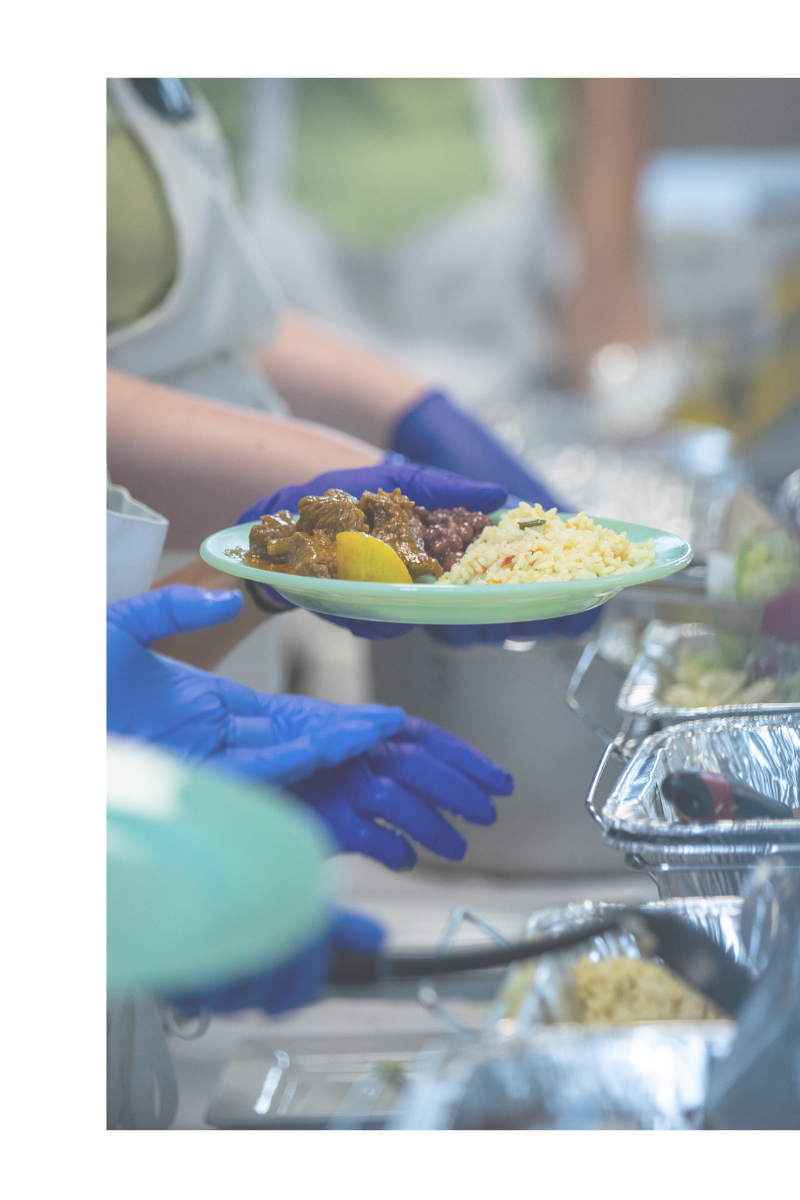
God richly provides for our daily bread — the earth can produce enough to feed everyone. Yet many still go hungry. As members of the Evangelical Lutheran Church in America and through our gifts to ELCA World Hunger, we commit to pursuing a world of justice where all are fed. There is much to be done, and new federal proposals about refundable tax credits may be a sweeping policy change that could do more to lower childhood poverty than any other policy measure available.


Tax Credits and Poverty

A refundable credit is a tax credit that is refunded to the taxpayer no matter the amount of a taxpayer’s liability. Current examples with refundable tax credit features are the American opportunity tax credit, Earned Income Tax Credit (EITC) and Child Tax Credit (CTC).

While public safety net programs such as the Supplemental Nutrition Assistance Program (SNAP) or Temporary Assistance for Needy Families (TANF) often get more attention, refundable tax credits actually have a larger positive impact on poverty. In fact, the U.S. Census Bureau estimates that refundable tax credits lifted more than three times as many people out of poverty than SNAP and TANF combined.

There are a lot of reasons for this, especially the reality that SNAP and TANF have strict eligibility requirements and often provide benefits that aren’t sufficient to lift many people’s income above the poverty threshold. But even taking this into account, it’s difficult to overstate the positive impact that refundable tax credits, especially the EITC and the CTC, have had.

In 2019, refundable tax credits helped 7.5 million people avoid poverty in the U.S. Tax credits also reduced child poverty by nearly 5.5%. This means 4 million children in the U.S. were prevented from falling into poverty because of these provisions alone.

When combined with EITC that many states provide, the impact is even larger. The Center on Budget and Policy Priorities (CBPP) estimates that these refundable tax credits, taken together, lifted 10.6 million people out of poverty, including 5.5 million children, and helped make another 17.5 million people, including 6.4 million children, less poor in 2018.

The tax credits also impact some of the root causes of long-term risk of poverty. Tax credits like the EITC and the CTC have been linked to a lowered risk of low birthweight for babies, a greater likelihood of a pregnancy going full-term and an increased likelihood of breastfeeding.1 **Low birth weight is a significant predictor of infant mortality and increases the risk of negative health and economic outcomes even into adulthood.2 Other research has found that increases in tax credits can raise student test scores, increase the probability of attending college, raise future earnings, and improve the quality of students’ future neighborhoods.

In short, it is difficult to exaggerate the positive impact refundable tax credits can have on children, families and communities now and well into the future.


How Do Refundable Tax Credits Work?
Refundable tax credits allow workers to deduct a certain amount from their annual income tax and then receive a portion of that amount back if the credit is greater than the tax that they owe. In essence, a worker can claim a credit on their taxes and then receive a refund on a portion of that credit. Thus, they have two functions: rewarding work and reducing poverty, especially child poverty.

The Earned Income Tax Credit (EITC) and the Child Tax Credit (CTC) were first adopted in 1975 and 1997, respectively.

The EITC is available to workers with low to moderate incomes. The amount varies depending on income, marital status and number of children. It grows as a worker makes more money, until it phases out as a tax filer reaches a certain income threshold. For single filers with no children, for example, the maximum income is quite low: $15,820 for the 2020 tax year. Married couples who file jointly and have three children become ineligible when their household income reaches $56,844 (again for tax year 2020). The maximum credit a household can claim varies, too, from $538 (no children) to $6,600 (three or more children). If the credit is greater than what a taxpayer owes in taxes, the IRS refunds the balance to them.

The CTC works similarly, though there are some important differences. The maximum credit a household can receive is $2,000 per child under age 17. If a tax filer has qualifying dependents who are not their children, the maximum credit is $500. To be eligible for the CTC, a tax filer must have at least $2,500 in income. The credit begins to phase out once a single filer reaches $200,000 in income ($400,000 for married couples filing jointly). Like the EITC, if the amount of the credit is greater than the amount a filer owes in taxes, a portion of the credit will be refunded, which again, increases the worker’s overall income.


Problems with the EITC and CTC

Despite the impressive impact these credits can have on poverty, there are some challenges with them. With the EITC, the credit and the income limit are both very low for single filers without children. According to the CBPP, about 5.8 million childless adults between 18 and 65 years old are pushed into poverty by the amount they owe in taxes, in part because they are either ineligible for the EITC or because the credit is so meager ($538 in 2020).

The CTC, on the other hand, sometimes falls short of helping families with very low incomes. Workers who earn minimum wage, for example, qualify only for a relatively small portion of the full credit. And if they lose their jobs or wages, as many did due to the COVID-19 pandemic, they can also lose both the EITC and the CTC – right when they may need them the most. Another issue with the CTC is that qualifying dependents must have a social security number, which can leave some noncitizen families ineligible.


Current Proposals
The U.S. House Ways and Means Committee is currently considering legislation that would expand and improve the EITC and the CTC.

  • For the CTC, the proposed legislation would make the full credit available to children in families with low earnings or no earnings and would increase the credit from $2,000 per child to $3,000 per child and $3,600 per child under six years old. These increases would begin to phase out as workers earned incomes above $112,500 (single filers) or $150,000 (married filers, filing jointly). The proposal would also expand the CTC to include 17-year-olds as qualifying dependents.

These proposed CTC changes alone would lift an estimated 4.1 million children out of poverty in a single year. They would also lift an additional 1.1 million children out of deep poverty (defined as income below 50% of the poverty threshold). That would mean a reduction of child poverty in the U.S. of 40%.

  • The proposal would also make needed changes to the EITC, particularly for single workers without children, who remain among the only groups whose tax burdens actually drive them into poverty. Under this proposal, the current maximum credit available to childless workers would increase from $538 to about $1500, and the income limit (at which childless workers become ineligible) would increase from $15,820 to over $21,000.

This EITC change would help raise incomes of the lowest-income earners by about three percent. This would benefit about 17.4 million working, childless adults in the U.S., according to the CBPP.

Sen. Mitt Romney has also proposed expanding the CTC, though his proposal suggests making up for the lost tax revenue by eliminating TANF and the Child and Dependent Care Tax credit. In this proposal, the current CTC would be replaced by a flat tax credit of $250 per month for each child between 6 and 17 years old, and $350 per month for children younger than six, including for four months prior to the child’s birth. An analysis by the Niskanen Center estimates that Sen. Romney’s proposal would reduce child poverty by a third and cut deep poverty for children in half.


Where to Go Next

While focus is often on public assistance programs, a wealth of research shows the important role tax credits such as the EITC and the CTC can play in reducing poverty now and in the future. Analyses of the proposals put forward to expand these credits suggest that cutting child poverty in half is entirely possible – with political will and careful legislation.

“Empowered by God, we continue to act, pray, and hope that through economic life there truly will be sufficient, sustainable livelihood for all” (ELCA social statement Sufficient, Sustainable Livelihood for All). In faithful hope, we trust that a just world where all are fed is not just possible but promised. With advocacy3 for justice, that vision can become one step closer to reality.


* Ryan P. Cumming, Ph.D., is the program director for hunger education with ELCA World Hunger. He can be reached at Ryan.Cumming@elca.org.

[1] Hoynes, Miller, and Simon, 2015, Markowitz et al., 2017, and Hamad and Rehkopf, 2015.

[2] Markowitz et al., 2017, and Johnson and Schoeni, 2011.

[3] Use the ELCA Action Alert to contact lawmakers about EITC and CTC in current COVID-19 relief consideration.

February Update: Advocacy Connections

from the ELCA Witnessing in Society office in Washington, D.C.

Partial expanded content from Advocacy Connections: February 2021

COVID-19  |  INTERNATIONAL PANDEMIC RELIEF  |  TPS UPDATE  |  YEMEN WHITE HOUSE OFFICE

POLICY RESPONSE TO COVID-19 IMPACTS CONTINUES:  ELCA advocacy staff is analyzing the new Biden Administration and congressional activity for the new round of COVID-19 legislation while working to ensure that minoritized groups and Native American nations are an important focus in light of our understandings of the disproportionate health and economic impacts the pandemic has had on those of us historically and contemporarily impacted adversely by systemic racism. An open letter to Congress from the Circle of Protection, which the ELCA is part of, asked that the relief legislation addresses the “concurrent crises of the pandemic, economic recession, and systemic racism.” Hill visits on COVID-19 relief are ongoing.

The ELCA Program Director for Housing and Human Services prepared a letter for House and Senate committees, compiling recommendations from multiple service provider partners. Distributed in early February, it highlights the need to invest more in rent relief and housing aid for the most vulnerable in our communities, the work of congregations to address homelessness, and the anticipated looming eviction crisis if Congress fails to act. Use the Action Alert to share your experiences and urge priorities as pressing policy decisions on the impact of the COVID-19 pandemic are made.


INTERNATIONAL PANDEMIC RELIEF – ELCA staff continues to meet with members of Congress to advocate for inclusion of funding for international COVID-19 relief in the next COVID-19 package. A target allocation of $20 billion would be used in various global health programs such as vaccines, PPEs, etc., as well as humanitarian and economic relief.

On Dec. 8, the ELCA joined a letter with other faith groups to then-U.S. Trade Representative Robert Lighthizer calling on that office during this global health emergency to commit to a just and equitable policy toward the development, manufacture, and distribution of a vaccine. The ELCA continues to call on the Biden Administration to remove barriers to vaccine production and promote equitable distribution globally.


TPS UPDATE AND FORCED DISPLACEMENT – As part of the ELCA’s engagement on public policy issues affecting immigrants in the U.S. and outside, we welcome news of extension and redesignation of Temporary Protected Status (TPS) for Syria. Years of conflict and instability have created conditions in the country that prevent their safe return.

There are multiple co-related factors contributing to forced displacement across the globe. In Cameroon, for example, escalating violence across the north-and south-west regions of the country have forced many to flee their homes. These conditions prevent the safe return of Cameroonians in the U.S. The ELCA initiated and delivered a letter on Jan. 20 from over 130 faith leaders and organizations to the Biden Administration on the urgency for designating conditional immigration status to people from Cameroon. It is part of our ongoing engagement with issues concerning Black migrants.


HUMANITARIAN ASSISTANCE TO YEMEN – On Feb. 5, the State Department confirmed Houthi rebels in Yemen will be removed from designation as a foreign terrorist administration. The ELCA had urged this action, as the designation hampered delivery of humanitarian assistance to millions of civilians in Yemen.

Early in January the ELCA signed onto a letter to President Biden and the new Secretary of State urging reversal of the designation made by the Trump Administration and cessation of selling weapons to Saudi Arabia and the United Arab Emirates, which have been traced to use against civilians in Yemen. It is estimated that 80% of the population of Yemen needs humanitarian assistance. The Biden Administration has recently announced a pause and review of weapons sales to Saudi Arabia, and avenues of humanitarian aid to Yemen, were 80% of the population needs humanitarian assistance, are again opening.


WHITE HOUSE OFFICE OF FAITH-BASED AND NEIGHBORHOOD PARTNERSHIPS – On Feb. 14, relaunching of a White House Office of Faith-Based and Neighborhood Partnerships by signing of an executive order was announced by the White House. The Washington Interreligious Staff Community including the ELCA signed a Jan. 21 letter requesting the entity’s reestablishment. ELCA staff look forward to meeting with the new Executive Director, Melissa Rogers, on February 19.

The letter read in part: “The voice of the faith community provides an important component in the deliverance, planning and implementation of policy and can inform the writing of legislation. People of faith see engagement with government as a fundamental part of the workings of democracy. The work of government must be wise and compassionate as it pursues policies for the common good. Engagement with the faith community enhances the work of government and enables it to be better informed on decisions to be made.”


Receive monthly Advocacy Connections directly by becoming part of the ELCA Advocacy network – http://elca.org/advocacy/signup , and learn more from elca.org/advocacy .


February Update: UN and State Edition

Following are updates shared from submissions of the Lutheran Office for World Community and state public policy offices.
As the new year begins, these state public policy offices (SPPO) share their annual policy priorities. Find a map and full list of ELCA affiliated SPPOs using our state office map.
Learn more about Lutheran advocacy using our new resource, Advocacy 101 For Young Adults 

U.N. | Arizona | Colorado | Florida | New Mexico | Ohio | Pennsylvania | Texas | Virginia | Washington | Wisconsin

UN

Lutheran Office for World Community, United Nations, New York, N.Y. https://www.elca.org/lowcDennis Frado, Director

Changed US policy approach to Israel-Palestine outlined at UN Security Council: At the January monthly discussion of the Israel-Palestinian conflict in the UN Security Council, Acting U.S. Representative Richard Mills outlined how the Biden Administration plans to address the issues.

Ambassador Mills reiterated earlier US policy of support for a “mutually agreed two-state solution, one in which Israel lives in peace and security alongside a viable Palestinian state.” He said that approach “remains the best way to ensure Israel’s future as a democratic and Jewish state, while upholding the Palestinian people’s legitimate aspirations for a state of their own and to live with dignity and security.”

“President Biden has been clear in his intent to restore U.S. assistance programs that support economic development and humanitarian aid for the Palestinian people and to take steps to re-open diplomatic missions that were closed by the last U.S. administration,” Mills added.


Arizona

Lutheran Advocacy Ministry Arizona, https://www.lamaz.org – Solveig Muus, Director

In January, the LAMA policy council identified its legislative policy priorities for Arizona in 2021, the Fifty-fifth Legislature, First Regular Session as below:

  1. Hunger and associated food security issues
  2. Community-based senior support
  3. Fair and Equitable distribution of COVID-19 vaccines

LAMA is currently tracking 65 bills that were introduced in January, bills the policy council believes are of interest to people of faith in Arizona. Between the two houses, there are 17 bills on child and youth welfare, 12 on housing and homeless issues, 10 related to civil rights, eight on food security, seven on voting, seven on health care, six on issues of concern to vulnerable adults, etc. In addition to the bills related to our specified policy priorities, we also are watching movements on voting rights, redistricting, vaccine hesitancy and more.

Together with its partner, Lutheran Social Services of the Southwest (LSS-SW), LAMA sponsored Advocacy 101, and is collaborating with Arizona Faith Network and Bread for the World on a second training session in February. This virtual workshop educates participants on the Arizona Legislature and introduces them to Arizona’s Request To Speak (RTS) bill-tracking system. LAMA’s plans to continue encouraging Arizona Lutherans to sign up for RTS, as it is a super-easy, free way to weigh in and be heard on a bill from the comfort of your home. Or… when times are better, to speak in person at the legislature.


Colorado

Lutheran Advocacy Ministry-Colorado https://www.rmselca.org/advocacy – Peter Severson, Director

Legislature gavels in, recesses: The Colorado General Assembly officially gaveled in their 2021 legislative session on Wednesday, January 13th. Two days later, they went into recess until at least February 16th. As the pandemic continues, legislators will allow the peak of the post-holiday season to hopefully recede before convening to take up the work of the people.

Lutheran Advocacy Ministry-Colorado will be advocating for bills related to housing, tax credits, and support for people interacting with the criminal justice system, in addition to any follow-on work from ballot measures that passed in November 2020, such as paid family leave.Blessing of the session: Lutheran Advocacy, along with several ecumenical and interfaith cosponsors comprising the Faithful Thursdays team, will be hosting a “Blessing of the Session” on Thursday, February 18 at 12 PM MT. Everyone is welcome at this online blessing! Please register in advance at www.faithfulthursdays.org.


Florida

Florida Faith Advocacy Office, Florida Council of Churches https://floridachurches.org/advocacy/ – Russell L. Meyer, Executive Director

The Florida legislature is in its committee weeks leading up to the opening of the 60-day legislative session beginning March 2. The governor’s top priority is HB1/SB484. Known as the anti-peaceful protest bill, it ‘felonizes’ those who act violently while exercising their First Amendment right to assemble and present grievances and increases existing penalties for related offenses. The governor proposed the legislation last fall to contain overwhelming peaceful protests for racial justice, but now claims it is needed because of the Jan. 6 insurrection. Considered unconstitutional and unnecessary, the impact of the bill falls heaviest on Black and Latinx Floridians seeking civil rights. Although advanced by party line vote, privately many lawmakers say they would rather focus on addressing the pandemic and the economy. Encourage legislators to protect civil liberties and pursue real solutions to actual problems.

SB48 consolidates voucher scholarships into an ongoing trust fund, automatically increases the number of scholarships annually, and includes them in the formula for funding public schools. Yet private and charter schools do not have to meet the standards of public schools.  Public school funding decreased 30% between 2008-2018, while tax revenue was diverted to voucher scholarships. Across the state, school districts have passed sales tax referendums to make up for cuts in state dollars. Florida needs to fund public schools fully so all students can thrive.

Florida spends over $3 billion per year to incarcerate nearly 100,000 inmates and is the only state without parole. Several reform bills are proposed.


New Mexico

Lutheran Advocacy Ministry- New Mexico
https://www.lutheranadvocacynm.org – Kurt Rager, Director

1st Session of the 55th Legislature is underway: The New Mexico Legislature gathers in Santa Fe on the third Tuesday in January of each year.  The Legislature meets for 60-day sessions in odd-numbered years and 30 days in even-numbered years.  The Capital, known as the “Roundhouse” remains closed to the public with the session being conducted entirely online.

As the session continues to progress, legislators, citizens, lobbyists, and advocates have become more comfortable and adept at conducting business through Zoom, as is evident by the less frequent question, “Can you hear me?” Meeting virtually has major shortcomings, such as the lack of face-to-face advocacy, and yet advantages exist as well.  Citizens are participating from communities large and small, rural and urban, all across the state and virtual committee rooms allow for far great attendance.  Chairs of committees have consistently remarked that there are more participants in their virtual meeting room than could fit in their Capital meeting rooms.  Also, LAM-NM can be present and participate in more than one committee meeting at a time.

LAM-NM is equipping our Advocating Congregations and volunteer advocates by providing three training sessions on advocating virtually, and by holding Sunday afternoon mini-legislative updates where experienced volunteers are prepared for upcoming committee testimony.  Unable to meet in person, the annual half-day Issuing Briefing will be held virtually on February 25th, and the Bishop’s Luncheon has been postponed for 2021.


Ohio

Hunger Network in Ohio https://www.hungernetohio.com – Nick Bates, Director

The Budget is here! The Governor introduced his budget proposal on February 1st. He introduced a very ordinary budget for extraordinary times. The budget maintains status quo funding for most programs and agencies.

  • Create a refundable Earned Income Tax Credit (EITC): This will place money into the pockets of low- and middle-income workers – especially those who have had hours cut or lost their job during the pandemic.
  • Invest in the Ohio Housing Trust Fund: Our Housing Trust Fund invests into weatherization, homeless services, and affordable housing programs. As we look to build up healthy communities – we need safe, decent, and affordable housing.
  • Strengthen our food banks: With an estimated 40% increase to hunger in Ohio during the pandemic, we need to make sure our food banks can continue meeting the needs of hungry Ohioans by buying surplus produce from Ohio farmers.
  • Fix School Funding: No longer should a student’s zip code determine their educational opportunities. It is time to pass the bi-partisan agreements to fix school funding in Ohio.

STOP SB 17: The Hunger Network has joined with other advocates in opposition to SB17 which will hurt hungry Ohioans. This legislation will cause confusion in the checkout line for families using SNAP benefits and puts paperwork over people for Medicaid, SNAP, and other services. County offices will be overwhelmed with tracking requirements that will not benefit Ohio or hungry families.

Other upcoming Events:

– Prayers for Ohio elected officials March 4 @ 3pm
– Budget briefing Feb 18 @ 3pm
– Joint Council of Churches Advocacy Day, March 23 @ 9am


Pennsylvania

Lutheran Advocacy Ministry- Pennsylvania (LAMPa) https://www.lutheranadvocacypa.org/ – Tracey DePasquale, Director

Before the insurrection in the nation’s capital, Pennsylvania’s Capitol was the scene of turmoil that included the ouster of a presiding officer and refusal to seat a lawmaker at the start of a new session of the General Assembly, signaling heightened partisan tensions. Nonetheless, LAMPa advocates sought bipartisan support for relief for the most vulnerable – particularly related to rent, utilities, and food.

LAMPa said farewell but not goodbye to Program Director Lynn Fry, who began work with United Lutheran Seminary after three years of dedication to the ministry of advocacy.

Staff continued to archive more than four decades of LAMPa’s history, even as they and policy council members innovate for more nimble response to need and greater connection with the service of lay and rostered leaders for advocacy rooted in relationship.

Teaching/Serving the Wider Church: Hunger Advocacy Fellow Larry Herrold helped lead a presentation “Getting Started With ELCA Advocacy” for the ELCA World Hunger Leadership Gathering. His devotional “Identification Beyond Binaries” appeared as an ELCA Advocacy blog in January.

Director Tracey DePasquale participated in the second meeting of the task force developing the ELCA Social Statement on Government and Civic Engagement. She also participated in a panel discussion on advocacy in the ELCA for Dr. Cynthia Moe-Lobeda’s class on Faith-Rooted Social Transformation at Pacific Lutheran Theological Seminary.

DePasquale helped lead the Pennsylvania Prayer Service for Christian Unity and participated in the priority-setting meeting of the Penn. Council of Churches Commission for Public Witness on behalf of Pennsylvania’s ELCA synods.


Texas

Texas Impact https://www.texasimpact.org/ – Scott Atnip, Outreach Director

The Texas Legislature convened their biennial Legislative Session in January, and Texas Impact immediately began resourcing Texans of faith to engage in the process.

The Interfaith Service of Public Witness, which featured ELCA Bishop Sue Briner among other Texas faith leaders, kicked off the session before concluding the month with the virtual four day United Methodist Women’s Legislative Event, with some Lutherans among the 400 attendees. The Legislative Event was a successful test-run for the virtual Texas Interfaith Advocacy Days scheduled for March 6-9.

Due to COVID-19 restrictions, online engagement will be more important than ever. To help equip members and congregations, Texas Impact created a “Twitter for Advocacy” series and encouraged members to interact with their representatives online.

Texas Impact continues to recruit Rapid Response Team members to make time-sensitive calls and Legislative Engagement Group members who commit to meeting and partnering with other advocates in their Texas House district to plan and prepare for monthly meetings with their representative and/or staff.

The Weekly Witness podcast during the Legislative Session features a Texas faith leader providing a “Weekly Word,” a guest advocate discussing the “issue of the week” and Texas Impact staff providing a legislative update and action alert. January episodes had record numbers of listeners during the live Zoom recording and in downloads for the month.

In addition, Texas Impact staff have been invited to present at several congregational events as they increase capacity for online programming. Texans of faith are mobilizing in exciting ways to participate with their representatives during this important season of democracy.


Virginia

Virginia Interfaith Center for Public Policy https://www.virginiainterfaithcenter.org/ – Kim Bobo, Executive Director

January is a very busy month for the Virginia Interfaith Center for Public Policy (VICPP) because it is the first month of the very short General Assembly, which normally lasts only 45 days in the short session. VICPP’s top legislative priorities have all made it through at least one legislative body and are moving through the second one in February. Bills that have proceeded out of at least one legislative body:

  • Abolition of the Death Penalty (passed both House and Senate)
  • Paid Sick Days for Essential Workers (passed House)
  • Minimum Wage for Farmworkers (passed House)
  • Environmental Justice Act (passed both House and Senate)
  • Water as a Human Right Resolution (passed House)
  • Transportation Equity Study (passed House)

In addition, we have been working on a budget amendment to get prenatal care for immigrant women.

VICPP normally holds an Advocacy Day in January.  This year it was a virtual advocacy week that drew 416 participants to four plenaries, 12 workshops, dozens of legislative visits and five prayer vigils around the Commonwealth.

Anyone in Virginia who wants to get more involved in advocating justice in the Commonwealth can sign-up at https://www.virginiainterfaithcenter.org/email-list/.


Washington

Faith Action Network https://www.fanwa.org/ – Paul Benz and Elise DeGooyer, Co-Directors

Eastern Washington Legislative Conference: FAN hosted our virtual Eastern WA Legislative Conference on January 30 with over 165 people in attendance. We heard from Rev. Walter Kendricks, pastor of Morning Star Baptist Church in Spokane, how we can move “beyond words to do justice”, with a panel discussion and breakout groups following. Advocates then met in workshops by issue topic and heard an update from advocacy organizations about the 2021 legislative session. We finished the day with a virtual tabling fair. Thanks to our partners The Fig Tree, Catholic Charities, Earth Ministry, and the Sisters of St. Francis of Philadelphia for helping make this a great virtual event!

Interfaith Governor’s Meeting: FAN hosted our annual interfaith meeting with the Governor on February 8, with 20 faith leaders from various traditions in attendance, including all three Synod ELCA Bishops! We discussed issues and bills related to COVID vaccinations, revenue, the Working Families Tax Credit, police reform, housing, the environment, and banning credit scoring in the insurance industry.

Upcoming Interfaith Advocacy Days: FAN is getting ready for our first virtual Olympia-focused Interfaith Advocacy Day on February 11. The structure of our program will be very similar to our in-person events, with opening statements by interfaith leaders and state legislators, a legislative overview, caucus meetings by legislative districts, and workshops on bills from our legislative agenda. Legislator appointments will happen on Thursday and Friday. We look forward to bringing the voices of over 200 advocates to the virtual halls of power!

In Central WA, we will gather on February 20 for Advocacy Day, Moving Past Crisis and Into Action, for a morning of legislative overview, a panel discussion on policies affecting immigrants, and breakout action groups on Poverty, Climate, Redistricting, Healthcare, and Immigration. We will emphasize collective actions we can take to move policies forward, both locally and at the state level.


Wisconsin

Lutheran Office for Public Policy in Wisconsin (LOPPW)  https://www.loppw.org/ – Cindy Crane, Director

Wednesday Noon Live: Updates on a resolution to eliminate Wisconsin’s mask mandate and its connections to FoodShare, and a Wisconsin COVID bill, plus an interview with Rev. Jonathan Barker, Kenosha, and his fasting for climate justice.

Care for God’s Creation: Our March 18th virtual advocacy event now has a keynote speaker, Lt. Governor Barnes.  Other speakers include Lutherans Restoring Creation Executive Director Phoebe Morad and Chief Meteorologist Bob Lindmeier. We will begin at 10 AM.  Length TBA.

Criminal Justice: Kyle has created a website for the Raise the Age Coalition.  He continues to lead the whole coalition and one of the workgroups, while participating in the other two workgroups he helped to organize.  He also has made individual contacts with key leaders from the Michigan Raise the Age Coalition that successfully helped to return 17-year-old youth to the juvenile justice system in their state.  Cindy is part of the legislative workgroup.

State Budget: Governor Evers will release his biennial state budget on Feb. 16.  LOPPW belongs to two coalitions that discern and strategize responses to the budget.

 LOPPW’s Priorities for 2021 include the following:  

  • Calling for an End to Hunger
  • Addressing the Crisis of Human Trafficking
  • Caring for God’s Creation
  • Supporting Immigration Reform
  • Calling for Criminal Justice Reform (focused on juvenile justice)

We view all our priorities through a lens of food and racial equity. We also continue to pay attention to voting issues via a statewide voting coalition.