Lutherans are taking action across the country! Below you will find our monthly State Advocacy Newsletter. Share with your friends!
ELCA Advocacy Office, Washington, D.C.
The Rev. Amy Reumann, director
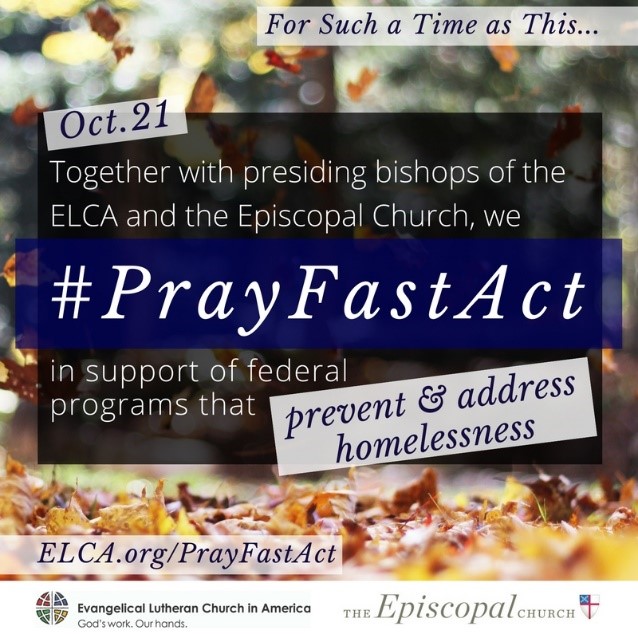
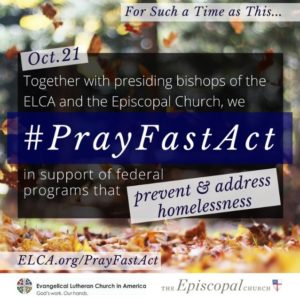 FOR SUCH A TIME AS THIS: The October day of fasting and action is Saturday, Oct. 21. As the seasons transition and the days become colder, we answer the call this month by supporting action for people facing homelessness, unaffordable heating bills, and extreme housing insecurity. Only a quarter of the poorest households eligible for relief ever receive any assistance–creating barriers to success and stability for millions of households across the country. Christians have a long history of assisting people without housing by providing shelter and can offer a compelling voice in the public sphere through advocacy. Check out this month’s advocacy resource by visiting ELCA.org/prayfastact and look out for action alerts in upcoming weeks.
HURRICANE RELIEF ADVOCACY: In the aftermath of Hurricane Harvey, Irma and Maria, key lawmakers in Congress are calling for an immediate disaster-aid bill to help communities rebuild. Legislators hope to provide recovery assistance to recently hit regions like Puerto Rico and the U.S. Virgin Islands, while also offering longer-term aid for states like Texas and Florida. ELCA Advocacy sent an action alert at the start of October in collaboration with Lutheran Disaster Response. Our message to Congress: Quickly take up a relief bill to ensure that low-income households are included in any assistance package.
GOD’S WORK. OUR HANDS.: Lutheran churches and volunteers sent in over a thousand letters to Congress last month during the “God’s work. Our hands. Sunday” day of service. The letters came as Congress negotiates critical decisions for programs that affect people facing poverty. Community leaders can help continue the conversations and find more advocacy resources at in the ELCA Advocacy Network!
HEALTH CARE UPDATE: On Saturday, Sept. 30, the mechanism that would allow the Senate to pass repeal of the Affordable Care Act (ACA) expired. ELCA Advocacy’s efforts now focus on bi-partisan efforts to improve insurance markets and stabilize access to health care in the United States. We will remain vigilant, however, as a new budget reconciliation proposal to address tax reform in fiscal year 2018 could include efforts focused on repeal of the ACA. On Sept. 30, Congress also failed to reauthorize the Child Health Insurance Program (CHIP). We will continue to urge congressional action and are assessing ramifications in the short-term and long-term.
GLOBAL HUMAN TRAFFICKING: The Department of State and the United Kingdom’s government have announced matching awards of $25 million to the Global Fund to End Modern Slavery. Established by legislation in 2016, the fund is a grant-making, public-private foundation that will support international civil societies working to end human trafficking. The initiative seeks to raise a total of $1.5 billion from both governments and the private sector over several years.
UN FOUNDATION AND CLIMATE CHANGE: ELCA Advocacy participated in a roundtable discussion on “Could a new U.S. fund help support the international climate effort?” held at the UN Foundation. The roundtable included NGOs; faith-based organizations; state and city government officials; and financial institutions. In the wake of the current administration’s decision not to fund entities like the Green Climate Fund (which was an ELCA priority matter); and the stepping up of sub-nationals and private entities — a mechanism is needed to be able get funding to those vulnerable populations that need assistance in adaptation and mitigation efforts in response to climate change.
Fund development is in its infancy, as numerous legal and logistical issues must be resolved before moving forward.
Lutheran Office for World Community, United Nations, New York, N.Y.
Dennis Frado, director
PROTECTION OF RELIGIOUS MINORITIES IN CONFLICT: At a side event titled “Protection of Religious Minorities in Conflict” held during the opening debate at the 72nd session of the U.N. General Assembly, Archbishop Paul Richard Gallagher, secretary for the Holy See’s relations with states, outlined seven essential elements needed to protect religious minorities, including: the need for action, interreligious dialogue, education and more. ZENIT has the full story.
SHARED RESPONSIBILITY FOR REFUGEES: In September 2016 the United Nations agreed to develop a comprehensive refugee response plan and a program of action in 2018. Among the objectives is addressing the educational needs of refugee children. At a meeting during the general debate at the United Nations General Assembly on Sept. 21, David Miliband, president and CEO of the International Rescue Committee, reflected on the need to advance these pledges by calling for changes in fundamental mindsets, institutional relationships and policy.
A former refugee on the panel pointed out the plight of refugees is not just overseas as refugee children are living in New York City and other relocated communities. Others noted that education is the key to the future for these children. The thing refugee children report missing most is school, yet for every month out of school, their chance of returning diminishes
THE OCEANS – A WEALTH OF OPPORTUNITIES: Michelle Bachelet, president o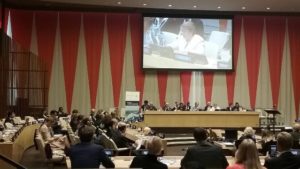 f Chile, stressed the need to raise awareness of work to protect, conserve and use oceans in a sustainable manner in her keynote address at a U.N. “High-level dialogue: The Oceans – A Wealth of Opportunities” on Sept. 20. More than 3 billion people depend on the oceans, which generate $3 trillion to $6 trillion in trade annually. Bachelet called for a stronger national framework regarding Sustainable Development Goals 13 and 14, enhanced conservation and sustainable use, and a change in consumption and production patterns.
Other speakers included Thomas Esang Remengesau Jr., president of Palau, who urged reversal of failed existing approaches to ocean warming and acidification and called on the U.N. to take a stronger role as a conduit for smaller developing countries, and Erna Solberg, prime minister of Norway, who stressed that a U.N. convention of law of the sea is essential and encouraged scientific development and common understanding. She noted the appointment of a U.S. special envoy.
Some speakers stressed the promotion of sustainable development for sustainable economies and called for a global effort to reduce plastic by 75 percent. Others called for long-term commitments in the public, private, and international sectors, with attention to strategies for off-coast tourism, biomedical research, and recognition of zone-based fishing.
Hunger Advocacy Fellowship Program
WELCOME TO OUR 2017-2018 ELCA HUNGER ADVOCACY FELLOWS
The ELCA Hunger Advocacy Fellowship, a program made possible by ELCA World Hunger, is a year-long transformative experience that combines leadership development and faith formation with impactful advocacy that moves us toward an end to hunger and a just world where all are fed. In September, the ELCA welcomed four fellows to this new program:
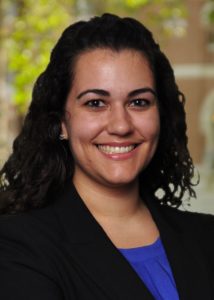 Amanda Silcox, Virginia Interfaith Center for Public Policy
Amanda Silcox is the inaugural ELCA Hunger Advocacy Fellow at the Virginia Interfaith Center for Public Policy. Prior to joining the Interfaith Center, she worked as an ELCA Young Adult in Global Mission in Cambodia for one year, where she worked with a rural development organization and taught English. Amanda is native of Ohio and a recent graduate of the University of Dayton, where she studied Economics and Finance.
Kendrick Hall, Lutheran Advocacy Minnesota – Minneapolis
Kendrick Hall is a 2014 graduate of Gustavus Adolphus College and he currently attends Luther Seminary in St. Paul, MN pursuing ordination. For the past three years, he worked for Redeemer Lutheran Church as a lay worker and mechanic, as well as was the Fellowship leader for one year. Kendrick’s passion for justice started in his undergrad years and his life between St. Peter, Min. and North Minneapolis, however, it truly stemmed from spending fifteen of the eighteen days occupying the fourth precinct after the killing of Jamar Clark in Nov. 2015; and has only grown deeper in justice work through Philando Castile and now Charlottesville.
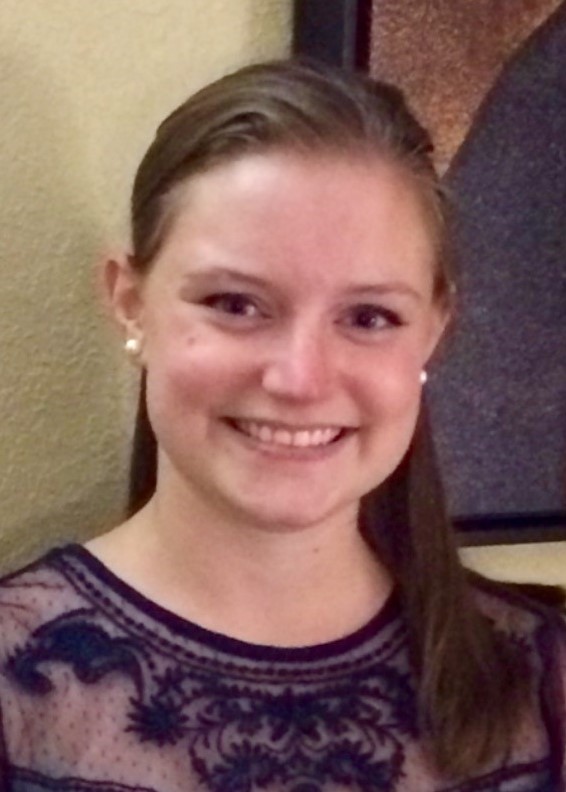
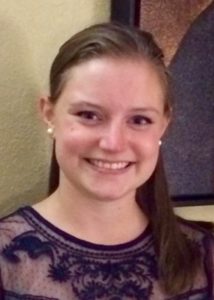 Rebecca Schneider, Texas Impact – Austin
Rebecca Schneider grew up in Katy, Texas. She attended Carthage College in Kenosha, Wisconsin, and graduated with a degree in Social Work in the Spring of 2017. While in college she developed a love of traveling, spending time in Costa Rica, Guatemala, London, and Ecuador. Through her experiences in these countries and her classes she became passionate about fighting for social justice for all people and spreading cultural awareness. She is currently as Hunger Advocacy Fellow at Texas Impact.
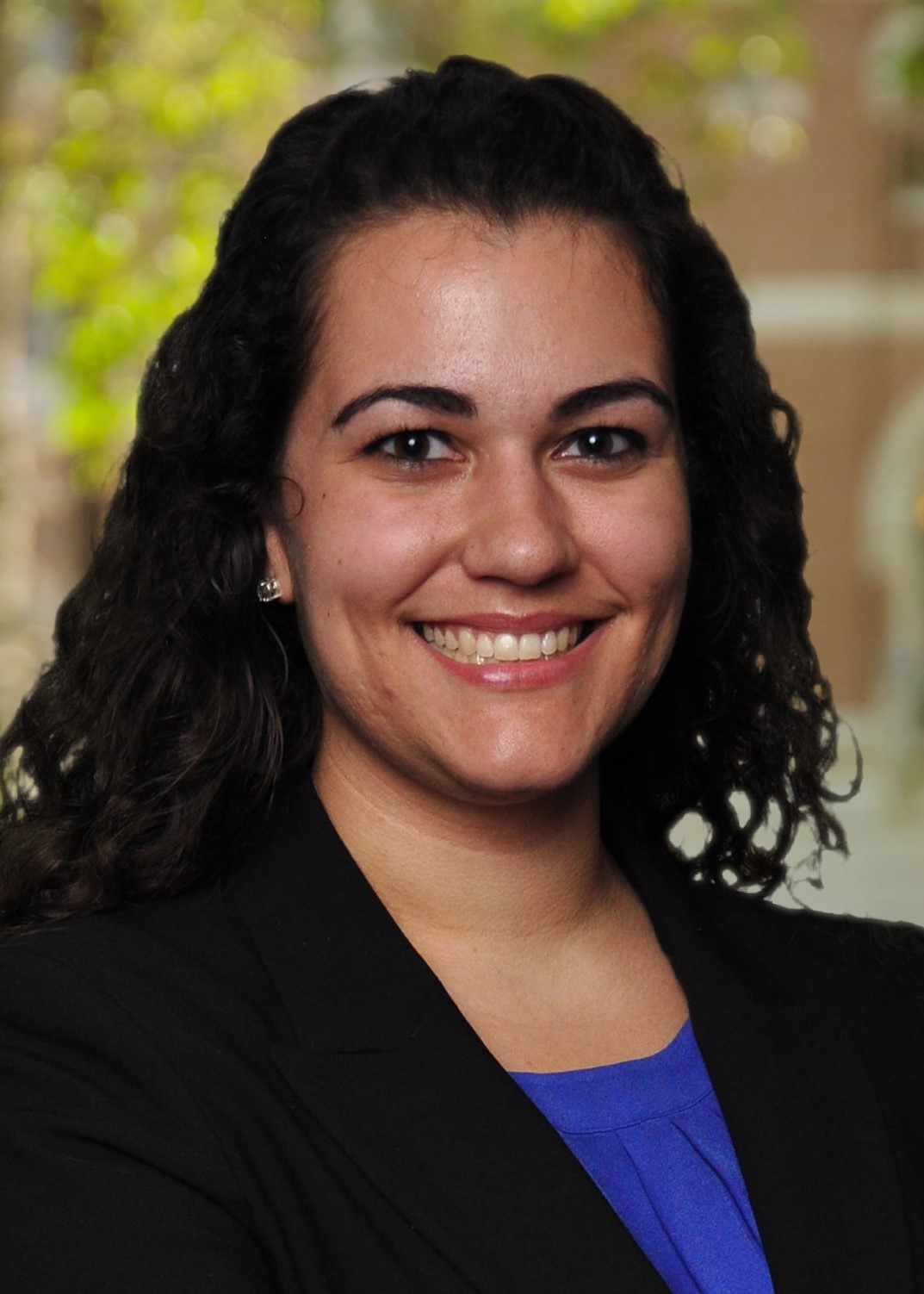
Elena Robles, ELCA Advocacy Washington, D.C. office – D.C.
Elena Robles was raised in the Washington, D.C. area and is a recent Guilford College Graduate. In college, she studied Political Science and Religious Studies. She’s passionate about justice work that upholds marginalized communities. Elena is happy that she will be spending the next eleven months serving the ELCA Advocacy unit in Washington DC as a Hunger Advocacy Fellow.
California
Mark Carlson, Lutheran Office of Public Policy loppca.org
LEGISLATIVE UPDATE: The Legislature concluded its consideration of bills for the year on Sept. 15, sending about 700 bills to Gov. Jerry Brown’s desk. He signed a package of bills to address homelessness and to increase the supply of affordable housing. LOPP-CA, as well as some members and congregations, supported SB 2, a fee on property recordings, which creates a permanent source of funding for development. It replaces a modest portion of the $1 billion annual loss when redevelopment funding was eliminated in the Great Recession. SB 3 places a $4 billion housing bond on the 2018 ballot. Supporting its passage will be a priority for us. 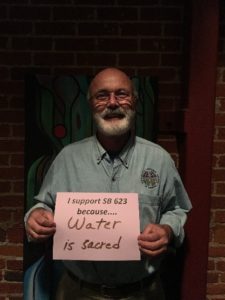
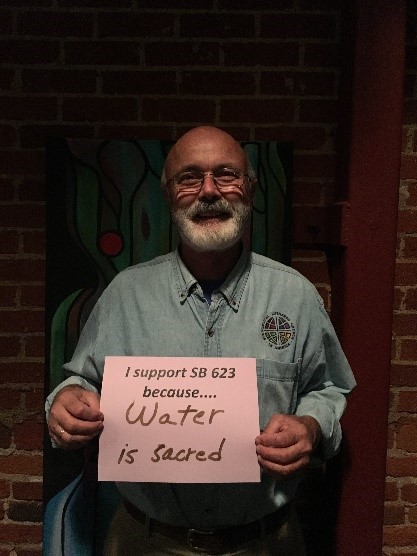
Other bills still pending and supported by LOPP-CA include protections for immigrants, campaign finance reform, environmental protection and criminal justice. Bills to move California toward 100 percent carbon-free electrical energy by 2045, and to create a small fee on water bills to fund cleanup of contaminated drinking water supplies and support affordable access to safe water in low-income, disadvantaged communities, came up short and will likely be on our agenda in 2018.
EVENTS: LOPP-CA participated in the annual summit of the California Alcohol Policy Alliance in Los Angeles, joined by two Lutheran leaders from the Southwest California Synod. LOPP-CA Director Mark Carlson is on the steering committee. LOPP-CA co-sponsored the Community Water Center’s annual Water Justice Celebration in Visalia, Tulare County, a county with a very high poverty rate that includes drought-stricken East Porterville, site of an ELCA delegation visit two years ago.
Colorado
Peter Severson, Lutheran Advocacy Ministry–Colorado lam-co.org
HEALTH CARE ADVOCACY: The Rocky Mountain Synod Theological Conference was Sept. 18-21 in Colorado Springs. Leaders from ministries around the synod were asked to make phone calls to Washington regarding the proposed Graham-Cassidy health care bill. We requested that senators consider the drastic cuts in Medicaid and the proposed caps, which would severely impact the services available to many people, including the elderly, children, and people with disabilities. Thanks to all who called!
DREAM ACT: Theological Conference attendees were also asked to write letters to their members of Congress in support of the Dream Act (S. 1615), a bill to give young people who were previously protected under the Deferred Action for Childhood Arrivals (DACA) program a pathway to legal residency. Colorado’s two senators are already among the bipartisan cosponsors of this act, and we continue to encourage leaders to speak out.
SPECIAL SESSION: The Colorado General Assembly will reconvene on Monday, Oct. 2, for a special session to address some of the unintended fiscal impacts of Senate Bill 17-267. We will be monitoring the session, but all signs indicate that a compromise will be reached by chamber leadership and the governor’s office prior to the convening, which would make the session a short one.
OCTOBER VISITS: We look forward to visiting a congregation in Broomfield and the campus ministry at the University of Northern Colorado in Greeley!
SAVE THE DATE: Colorado Lutheran Lobby Day will be Thursday, Feb. 15. Registration opens Dec. 1.
Minnesota
Tammy Walhof, Lutheran Advocacy–Minnesota tammy@lcppm.org
FAITH AND CLEAN ENERGY CAMPAIGN KICKOFF EVENT (OCT. 24): Be sure to join this downtown Minneapolis event in person 11:30 a.m.-2 p.m. (including lunch and news conference) or via livestream beginning at noon. Location will be announced soon! Click here to RSVP!
Also, be sure to sign a letter and add a note for legislators in support of an improved Renewable Energy Standard (RES). Since the Legislature passed its current bipartisan RES 10 years ago for 25 percent renewably sourced energy by 2025 (which we are on track to exceed), most legislators in the House and many in the Senate are new and know little about clean, renewable energy. It’s time to educate leaders in our churches so that church people help develop legislative champions!
HUNGER ADVOCACY FELLOWS: The Hunger Advocacy Fellowship is a new program made possible by ELCA World Hunger. Lutheran Advocacy-MN is blessed this year to have Kendrick Hall as our Minnesota Fellow! Kendrick is a graduate of Gustavus Adolphus College, a leader at Redeemer Lutheran in North Minneapolis where he has also worked over the last few years, a community-oriented entrepreneur who started a coffee/bike shop near the church with friends, and a full-time Luther Seminary student. Kendrick says the police shootings of Jamar Clark in North Minneapolis and Philando Castile near St. Paul helped turn him into a vocal advocate in the political and policy arenas.
STATEWIDE HOUSING CONFERENCE: Kendrick represented Lutheran Advocacy-MN at the annual Coalition for the Homeless statewide housing conference. Check out his summary on Facebook and our website!
New Jersey
The Rev, Sara Lilja, Lutheran Episcopal Advocacy Ministry of N.J. leamnj.org
Lutheran Episcopal Advocacy Ministry of New Jersey hosted the first Justice Gathering. Almost 200 people of faith from all over New Jersey gathered to listen, learn, collaborate and worship. The event was at Cross Roads Camp on Sept. 16.
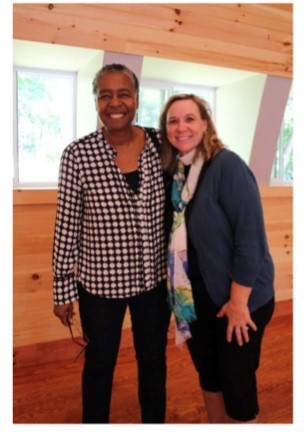 |
The Rev Dr. Traci West and the Rev Sara
Lilja at the Justice Gathering
|
The Justice Gathering began with a key note address from the Rev. Dr. Traci West, “We do this work because we live and embody the heart of the gospel,” she said and reminded those gathered, “Advocacy is not about making friends. It’s about loving our enemies and being God’s very agents.”
Following the address, participants moved into small groups. Led by issue experts and members of the LEAMNJ Policy Board, sessions focused on immigration, criminal justice, hunger, economic justice, environmental justice and violence prevention. Each group covenanted together to form a network of support for ongoing consultation and cooperation.
Bishop Mark Beckwith of the Episcopal Diocese of Newark declared during the closing worship, those gathered are “love-bearers and power bears” he also urged participants to continually use our power to advocate and organize and also to rely on the inexhaustible power of prayer.
Ohio
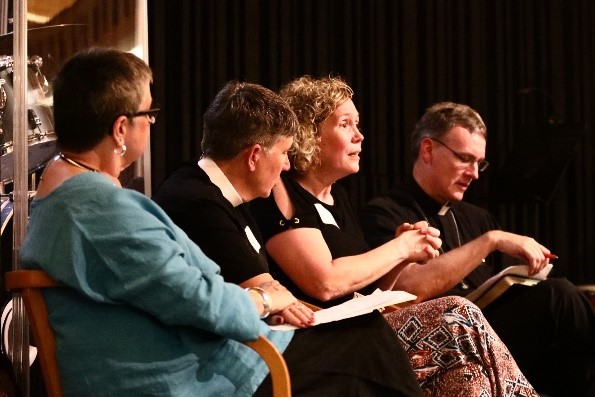
In Sunday, Sept. 24, the Hunger Network hosted its first Faith & Advocacy Summit in Columbus. The event opened with a panel discussion with judicatory leaders including Bishop Daniel Beaudoin from the Northwestern Ohio Synod, the Rev. D’Anieri (Episcopal Canon for Mission), the Rev. Stickley-Miner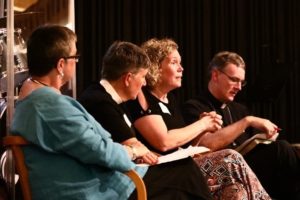 (Methodist Connectional Ministries), and the Rev. Tollefson (director, Ohio Council of Churches). They shared their growth and understanding of advocacy and justice as a ministry and faith issue. The panelists lifted up the importance of relationship with people in the community and shared the importance of stories to illustrate the need for justice in our world. Attendees were inspired by the
 personal stories of leaders in our denominations growing in their understanding of multiple issues and the complexities of the world in which we live.
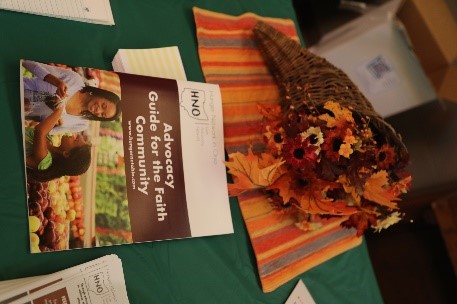
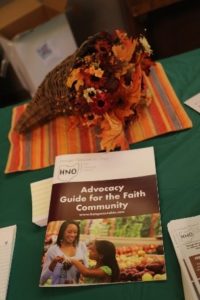
The second half of the event was the official release of our “Advocacy Guidebook for the Faith Community,” which can be read online or downloaded at hungernetohio.com/Guidebook. This guidebook will help congregations, pastors, deacons and lay leaders identify “the next step” they can take in their ministries toward justice. Whether the next step is incorporating learning into service projects or organizing a letter-writing campaign to Congress, this guidebook has simple steps and starting places to consider. If you would like additional copies designed to be workbooks for trainings, please let us know!
Pennsylvania
Tracey DePasquale, Lutheran Advocacy–Pennsylvania Lutheranadvocacypa.org
Pennsylvania Lutherans added their voices to “God’s work. Our hands.” Sunday, writing hundreds of letters to both state and federal lawmakers on the churchwide dedicated day of service on Sunday, Sept. 10. Among the issues addressed, participants spoke up against rollbacks of protections for waterways and on behalf of expanding protections of victims of child sex trafficking in Pennsylvania. Federal lawmakers received letters urging them not to eliminate the Differed Action for Childhood Arrivals (DACA) protections for young immigrants and cutbacks in environmental protections. Advocates also thanked lawmakers whose record included support for our most vulnerable neighbors.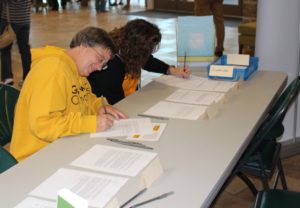
Also in September, LAMPa’s Policy Council met for its annual retreat, with learning centered on the health of the state’s thousands of miles of waterways (more than any of the other lower 48 states). Prior to the meeting, members gathered water from a water source in their region, praying for it and for the people who affect and are affected by it. The water and those stories were lifted up in devotions on Sunday night.
LAMPa Director Tracey DePasquale, along with colleagues in the Washington Advocacy Office, traveled to the Lutheran Center in Chicago to participate in the Domestic Mission Unit’s discussion around development of the churchwide organization’s operational plan and was gratified to hear so much desire for collaboration.
Southeastern Synod
Hilton Austin, Director
The real excitement this month was in Nashville, Tenn., at The Inn at Opryland for the Women of the ELCA’s 30th Annual convention. We were there for the whole convention, which was fantastic. I set up our Advocacy/World Hunger exhibit and had great conversations about the importance of state advocacy. We continue to focus on developing congregational advocacy teams. After talking to Bishop Julian Gordy and Women of the ELCA Synodical President Louise Iconis, we have decided to add a representative from Women of the ELCA to our Advocacy Policy Council.
Virginia
The Virginia Interfaith Center for Public Policy met the threat of a white supremacy gathering in Richmond on Sept. 16 with a series of counter events, which turned out to draw exponentially more people than the original rally, planned for the statue of Robert E. Lee on the city’s Monument Avenue. Only about a half-dozen pro-Confederate demonstrators showed up, while many hundreds came to the VICPP-sponsored prayer services, rally and march. On the same day, VICPP sponsored two lectures by Dr. Nancy McLean, author of the book “Democracy in Chains.” All this, of course, was a follow-up to the tragic events in Charlottesville on Aug. 11-12, something that the people of Virginia continue to process and pray about.
Our “Welcoming All” efforts have been busy, as VICPP has been organizing the Central Virginia Sanctuary Network as well as asking supporters to help with Deferred Action for Childhood Arrivals (DACA) renewal application efforts and to visit prisoners at the Immigration and Customs Enforcement (ICE) detention center in Farmville, Va. The White House’s decision to end DACA in six months has sent waves of fear and concern across Virginia’s 12,000 “Dreamers” and their families and friends.
VICPP also asked its supporters to voice their opinions on the latest “repeal and replace” legislation for the Affordable Care Act, a bad bill that was thankfully pulled before a vote. We remain sure that the effort to scrap the act instead of improving it will continue. And while the act remains the law of the land, VICPP continues to advocate for Medicaid expansion in Virginia.
Washington
Paul Benz, Faith Action Network fanwa.org
POLICY: FAN’s main policy issues are now at the federal level. FAN celebrates the defeat of the Affordable Care Act repeal bill in the U.S. Senate and now focuses on the House budget resolution that will include the president’s tax plan. FAN will be asking our advocates in rural, Republican districts to urge our four Republican House members to vote no to protect vulnerable households and individuals from sinking further into poverty. FAN is also engaged on the two bipartisan DACA bills that provide a pathway to citizenship for the “Dreamers” and their parents. We are also watching the Second Chance Act and the Sentencing Reform and Corrections Act, both “smart on crime” bipartisan efforts in the House and Senate.
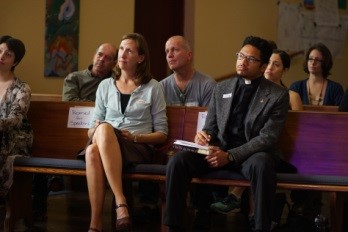 |
FAN recently co-sponsored an event called “No Human Being is Illegal:
An Interfaith Response Supporting DACA.”
|
EVENTS: We are in the midst of our annual fall cluster gatherings across our state. These 22 geographic clusters meet to deepen relations with FAN advocates and friends and strengthen our advocacy efforts to make the social changes that we all desire. FAN’s Annual Fundraising Dinner will be on Nov. 19, when we will celebrate with 400 advocates and friends from different faith traditions. Our main speaker will be a state Supreme Court justice who is the first Asian American and openly gay person to serve on the court.
NEW STAFF: For the 16th consecutive year, we are excited to welcome a new ELCA seminary intern, Sarah Derrick, from the Lutheran School of Theology at Chicago. We are also eager to have our new full-time organizer, Amber Dickson, start this month.
Wisconsin
Cindy Crane, Lutheran Office for Public Policy in Wisconsin loppw.org
WORKSHOPS AND ADVOCACY ACTIONS: LOPPW’s director preached and led workshops on advocacy and poverty at St. John’s Lutheran Church in Eau Claire and Kingo Lutheran Church in Milwaukee; participants filled out advocacy letters on protecting SNAP and child nutrition that LOPPW sent to our D.C. office. The director showed “ELCA Advocacy: Set free to do justice” during her sermon on “God’s work. Our hands.” Sunday in Eau Claire; the service was taped for a television broadcast.
The director also led a workshop on advocacy and anti-sex trafficking to adults and another workshop on advocacy, healthy versus unhealthy dating relationships, and anti-sex trafficking to youth at First Lutheran Church in Gladstone, Mich. The adults filled out letters to their senators and representatives in Congress to support the Trafficking Victims Protection Act, which has passed in the U.S. Senate.
STRATEGIZING WITH LOPPW ADVISORY COUNCIL: The Advisory Council had an overnight retreat in September and decided to keep our same priorities, unless with new council members or other volunteers manage we can add an additional priority.

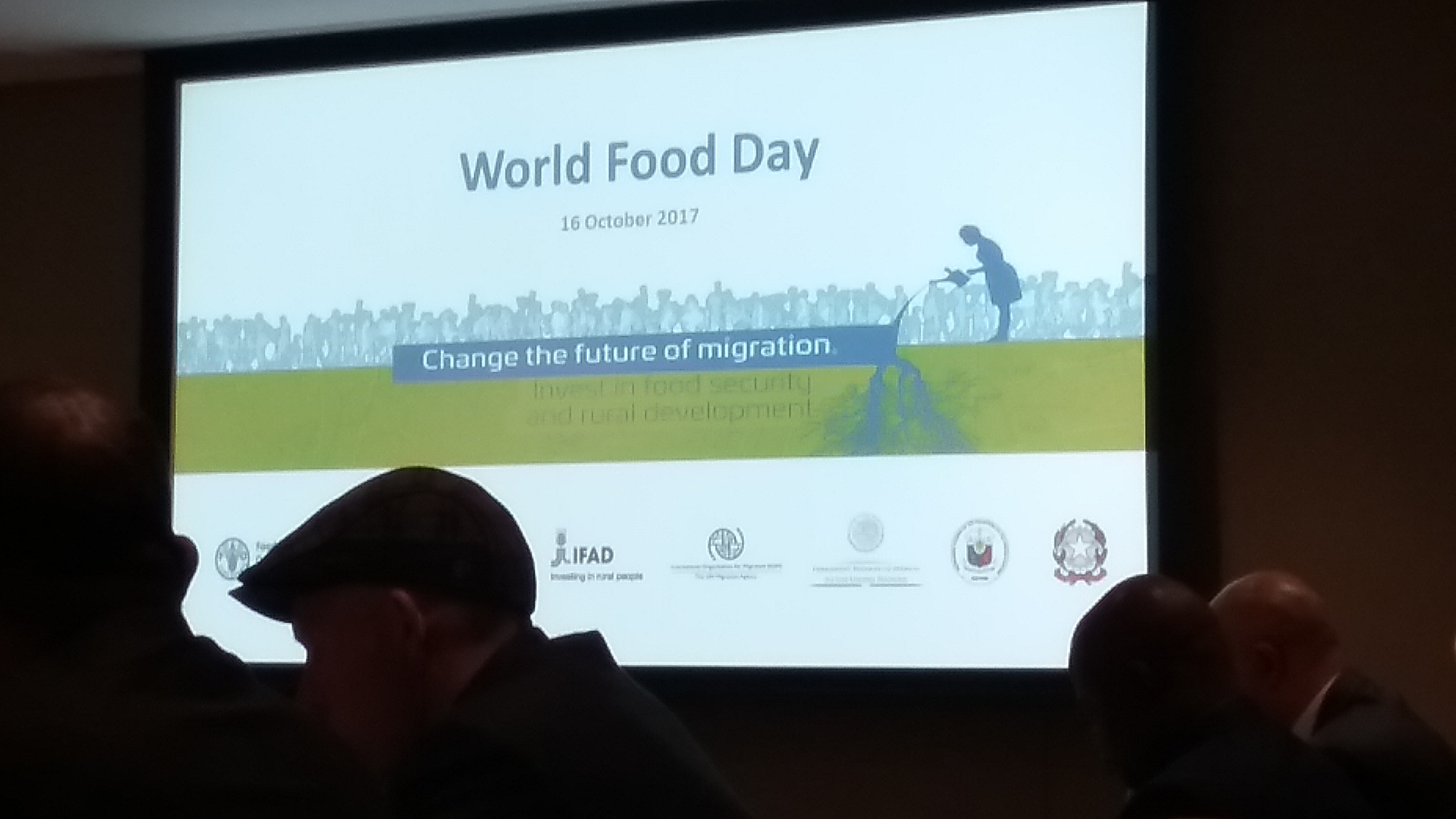 while the number of migrants as a percentage of global population remains stable at about 3%. As part of World Food Day 2017 observances, a meeting was held at the United Nations (UN) on 16 October titled “Change the Future of Migration: Invest in Food Security and Rural Development,” focusing on links between migration, food security, and rural development. Speakers included H.E. Mr. Miroslav Lajčák, President of the 72d Session of the General Assembly, and ambassadors from Mexico, Philippines, and Italy, as well as business and UN representatives.
 s a strong nexus between food security, migration, and global development. Many people move by choice, but a growing number are migrating for myriad reasons. Driving causes of migration include conflict, food instability, climate change, political instability, and poverty. Ms. Coco Ushimaya, World Food Program Director of the UN System (African Union & Multilateral Engagement Division), called for a cross-disciplinary approach to food security that includes local, national, and regional collaboration working toward the possibility of economic growth that will sustain peace.