Skip to content
ELCA Blogs

ELCA World Hunger

2026 ELCA World Hunger Resources!

Greetings Hunger Leaders,

Below you will find ELCA World Hunger resource suggestions for the 2026 season of ELCA Synod Assemblies and congregational engagement! Please feel free to order printed copies or create a QR code with these resources for download.  Please read to the end; there are many valuable resources here!

Lifelines

o   For the World Hunger annual report please see the 2025 Fall Lifelines issue, now available for download, as a PDF and interactive flipbook, and also available for order as a physical copy. 2026 Spring Lifelines should also be available by April.

Print/Digital Resources

Feeding Ministries Guide

o  If you are interested in starting a feeding ministry, this guide provides tips and strategies for planning, sourcing food, engaging volunteers, and much more. If you’re part of an existing feeding ministry, you’ll find ideas for growing, expanding or reimagining the work you’re already doing.

Backpack Buddies Guide

o  This helpful guide contains tips for starting a backpack hunger relief program in your community. It was developed in partnership with ELCA congregations already engaged in backpack buddy programs across the country. Approaching your local elementary schools is also an effective way to begin identifying specific needs in your community.

Know Your Neighborhood: Worksheet and Guide

o   This guide provides suggestions for finding data related to several areas that impact food security: housing, employment and food access. Data can help you and others know more about the challenges our neighbors face and the assets available in a community.

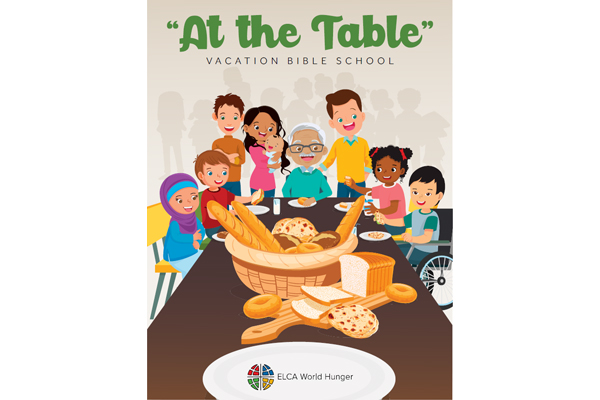
“At the Table”Vacation Bible

o  “At the Table” is ELCA World Hunger’s 2025 VBS curriculum, inviting your community to learn how storytelling can make a difference in your neighborhood and the world.

“En la Mesa”/”At the Table” Bilingual English/Spanish VBS

o   For the first time ever, ELCA World Hunger has a bilingual VBS. Designed to be either a traditional VBS or an intergenerational program, each day offers large- and small-group activities, crafts, games, snacks and more.

Act 2 Day 4 Tomorrow

o  This overnight program brings youth together to learn about the role they can play in eradicating hunger and poverty in the world.

Generation Zero-Hunger Interactive Journey Guide

o   With your youth group or congregation, experience the challenges faced by a family in Nepal as they seek a sustainable livelihood with this interactive roleplaying guide. The setup is based on how ELCA World Hunger designed the track for the 2024 ELCA Youth Gathering. For an intergenerational activity, consider asking a group of youth and young adults to run this experience for your community.

Many other resources can be downloaded here.

Videos

Intersections: Justice Ministries with ELCA Partners” — an ELCA World Hunger Documentary

o   “Intersections” was created to introduce the ELCA and its communities to the overlapping causes of hunger. Using the M.E.R.G.E. (Migrant, Economic, Racial, Gender, and Environmental) justice acronym as an illustration, the film follows the stories of three ELCA companion ministries and explores how the church is working at poverty’s tangled roots.

o   Consider playing this video at your table or running a discussion session at your synod assembly based off the documentary. If you are interested in putting on running a discussion around the film, and have any questions, please contact Peter McLellan at peter.mclellan@elca.org.

Online Course: “What is a Hunger Leader?”

  • https://bit.ly/hungerleader— This 20-25-minute online learning resource introduces prospective, new, and longtime advocates to ELCA World Hunger’s ministries and invites them to join us. Through brief reflections and videos, this tool helps people in your network see themselves in the work of ending poverty. Share “What Is a Hunger Leader?” with your neighbors of any level of familiarity with anti-hunger ministry!
  • Print the attached flyer to display at your synod assembly tables.

How to Order Printed Resources

  • See attached flyer for how to order!

How to Create a QR Code

  • Click herefor a YouTube tutorial on how to create a QR code using Google Chrome web browser or Canva.

Please send us photos of your synod assembly table displays!

Thank you, and have a wonderful time at your assembly and engaging your congregations!
The Story of Wild Bee Apiary in the Mentawai Islands

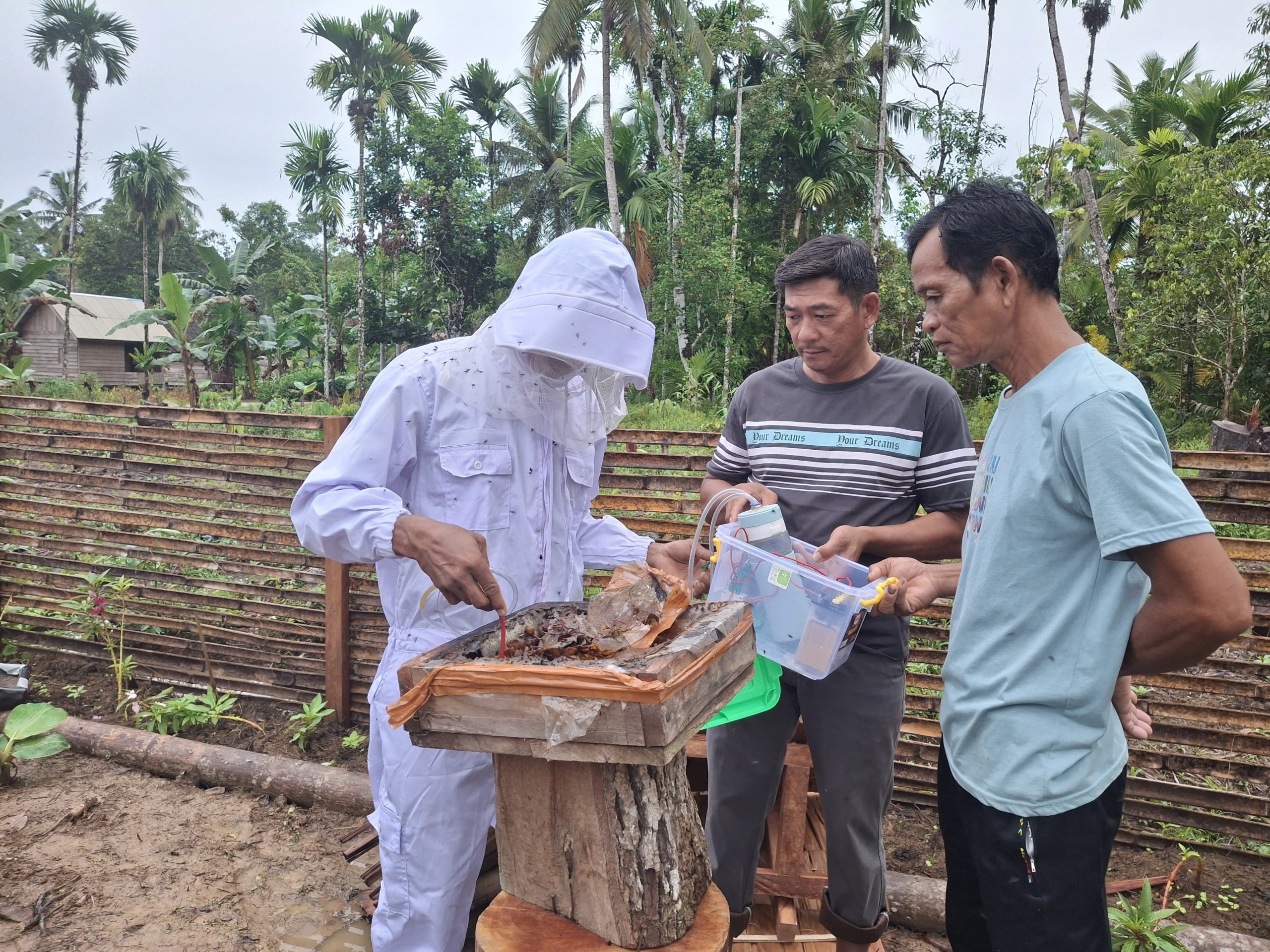
Pak Esli lives in a small hamlet called Sua, located in Saibi Samukop Village, Mentawai Islands, off the western coast of Sumatra in Indonesia. On a daily basis, he works as a fisherman as well as a log collector used for making rattan. He lives with his wife and two sons, the second of which is currently in his first year of high school.

As the head of the family, Pak Esli is responsible and always tries hard to fulfill his family’s needs. The big change in his life began when he participated in a forest bee farming program sponsored by the Indonesian National Committee of the Lutheran World Federation (KN-LWF).

Initially, he had absolutely no knowledge about how to raise bees, let alone about the process of how honey can be produced. The world of beekeeping was completely new to him. However, through the training and mentoring provided in this program, he began to understand the whole process-from getting to know the bee colony, taking care of the hives, to harvesting honey sustainably.

Pak Esli says that this program has brought a very positive impact, not only for him personally, but also for the Sua Hamlet community as a whole. “Forest bee farming has opened up new avenues in improving our economy,” he said. “The harvested honey can now be sold to various places, thus becoming a very meaningful source of additional income for families in the village.”

He adds that all this has opened up new opportunities for bee colony development. As the number of colonies increases, more hives can be harvested, and this means more activities for the community, both to fulfill their daily needs and to supplement their income.

“I am fortunate to take part in this program,” said Pak Esli. “I hope that this activity can continue to grow and reach more residents in other areas.” For Mr. Esli, forest bee farming is not just an economic activity, but also a tangible manifestation of changes in people’s way of life that are more independent, productive, and care for the surrounding nature.

Women Empowerment on the Island of Nias!

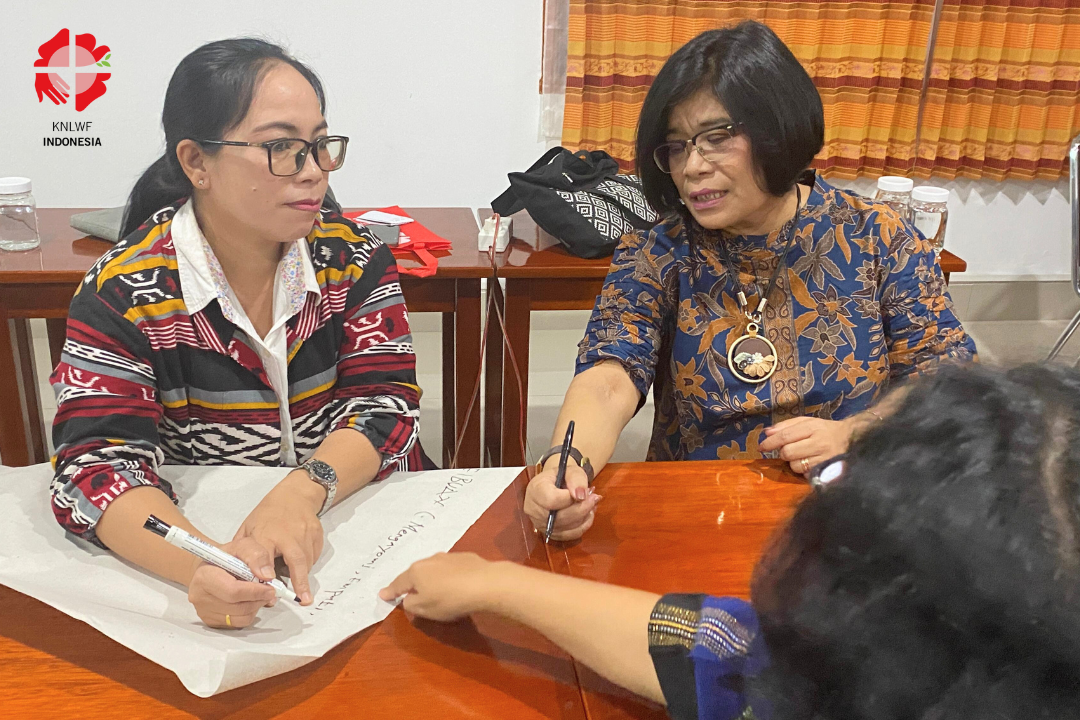
Agusiang Zebua is a newly ordained pastor in the Protestant Christian Church (BNKP) on the island of Nias in far western Indonesia. As a new leader, she took part in the Women’s Empowerment course “Exploring Potential through Theological Education, Leadership, Clinical Pastoral Support, and Reconciliation,” put on by the Indonesian National Committee of the Lutheran World Federation.

“This was a valuable experience for me,” she said, especially as I think of how I will be placed as a female leader in a congregation.” This included aspects of the importance of the role of women, starting with the family, church, and society. “Even though women are often considered weak and ignored, it turns out that women have great potential to lead and have a positive impact on the environment in which they live,” she said. “With a strong commitment, a desire to always learn, and a willingness to develop one’s skills, I don’t think it is impossible for women to be empowered and accepted in the church and society.”

Much of the learning during the course happened by listening to female speakers and interacting with other participants. “This gave me an overview of the current state of the church and society, the challenges experienced by women, and how to deal with them,” said Zebua. “This has become a provision, encouragement, and challenge for me in the future to become a pastor in a congregation.” At the same time, through various activities, young women were given space to learn and were encouraged to become the next generation of female leaders.

Reflecting on what she experienced and learned as a woman leader, Zebua noted how the workshop itself was a good example of activities that could be carried out in the congregation itself. “Even the smallest things, such as setting and arrangement of space provides for a comfortable atmosphere and I feel I can take this back to my own place.”

“God bless us; Ya’ahowu [the Nias language greeting],” she said.

Ms. Ritu Rishidev: A Rising Voice of the Musahar Community

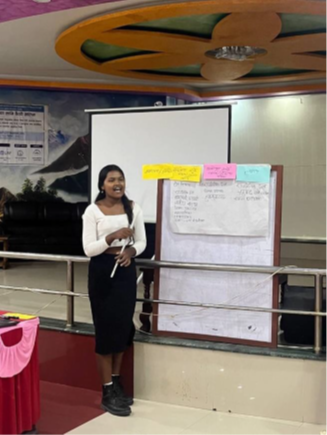
Ms. Ritu Rishidev (shown in the picture above), 18, a +2 student from the Rishidev community in Arjundhara Rural Municipality-7, Bangari Rishidev Tole, Jhapa, Nepal, is emerging as a young community activist and a passionate advocate for the rights of the Musahar community. Living in a society where domestic violence, gender-based violence (SGBV), discrimination, and child protection issues are prevalent, Ritu has faced numerous socio-economic challenges. Despite these obstacles, she is determined to stand up for her community and work towards ending gender-based violence, domestic abuse, and social inequality.

Recently, Ritu had the opportunity to participate in a two-day orientation on “UPR & CEDAW Reporting Process, ESCR, Climate Justice Rights, Evidence-Based Policy Advocacy, and Disability Inclusion.” The orientation, organized by the Lutheran Community Welfare Society (LCWS) in partnership with the Lutheran World Federation Nepal and funded by the Evangelical Lutheran Church in America (ELCA), was a transformative experience for her. It marked the first time Ritu was introduced to national and international human rights laws, including those protecting the rights of women and children.

During the orientation, Ritu learned about the foundational concepts of UPR and CEDAW—two crucial international mechanisms for safeguarding human rights. She also gained valuable knowledge on advocacy techniques and tools to push for social justice. Armed with this new understanding, Ritu has become an active voice in her community, committed to raising awareness and advocating for change, particularly in combatting domestic violence and child protection issues.

Reflecting on her experience, Ritu shared, “This is the first time I’ve had the chance to learn about UPR and CEDAW. Wherever I go in the future, I am committed to working for my community.”

While Ritu’s ultimate goal is to become a soldier—a symbol of her desire to protect her country—she also envisions herself as a protector of her community’s rights. With her newfound knowledge and determination, Ritu Rishidev is a rising force for justice, aiming to uplift the Rishidev community and eradicate all forms of social discrimination and violence.

[Musahar = classified within the Madheshi Dalit group, it is one of the most marginalized and impoverished ethnic groups in the country. They face significant challenges in areas like education, healthcare, and economic opportunities.]


A Journey of Growth and Giving Back

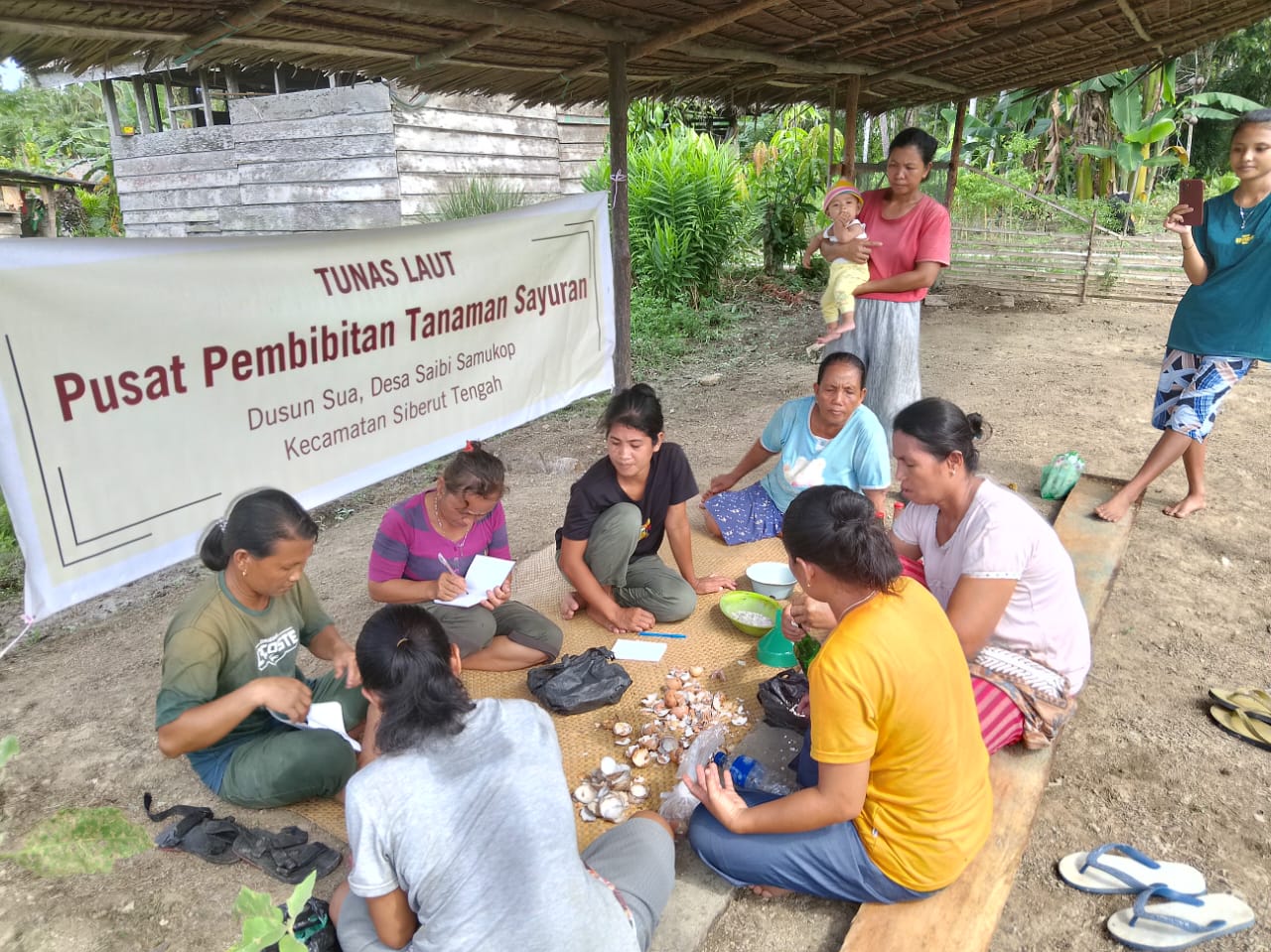
Members of the Saibi Samukop Village, Mentawai Islands

Members of the Saibi Samukop Village, Mentawai Islands


In the quiet hamlet of Sua, Saibi Samukop village, Mentawai Islands, Ibu Dewi is a humble farmer, tending to her family’s small plot of land. For years, she followed traditional farming methods, without realizing the potential her land held. Everything changed when she joined an organic farming training program organized by the Indonesian National Committee of the LWF (KNLWF). The program opened her eyes to a new technique that not only promised a healthier harvest, but also a sustainable way of life. With dedication, Ibu Dewi transformed her land into a thriving organic farm, producing bountiful harvests and making a real impact in her community.

As her farm grew, so did her confidence. Ibu Dewi is a living example of what organic farming programs can achieve, inspiring others in Sua. Her success did not go unnoticed, and when an opportunity arose for a cross-village agricultural training program, Ibu Dewi was selected as a trainer. This was a pivotal moment for her-she had gone from being a farmer eager to learn, to a leader ready to share her knowledge.

The prospect of teaching others is both exciting and daunting, but Ibu Dewi is determined to give back to the community that has supported her journey.

The cross-hamlet training program brought together farmers from several hamlets in Saibi Samukop Village, each arriving with their own unique challenges and aspirations. Ibu Dewi embraced her new role with humility and enthusiasm, sharing not only the techniques she had mastered but also the wisdom she had gained through experience. She taught her peers about composting, pest management, and crop rotation, but more importantly, she imparted the spirit of resilience and hope that had carried her through her own transformation. The training sessions became more than just an educational experience; they became a space for community building, exchanging stories, and fostering a sense of mutual support.

Through this experience, Ibu Dewi’s life was enriched in ways she had never imagined. The program not only empowered her with skills but also gave her a platform to lift others. “Seeing my farm transform with organic methods gave me hope. Now, teaching others and watching their farms flourish is the greatest reward,” she said.

And now, as she watches the farmers from other hamlets implement the techniques she had taught them, she feels a profound sense of fulfillment. Her journey from a struggling farmer to a community leader had come full circle, and she knew that the seeds of knowledge she had planted would continue to grow, bringing new hope and prosperity to the Mentawai Islands. Ibu Dewi’s story became a source of inspiration, showing that with the right support and a desire to learn, even small beginnings can lead to remarkable changes.

“Can’t we do something about the hunger crisis?”


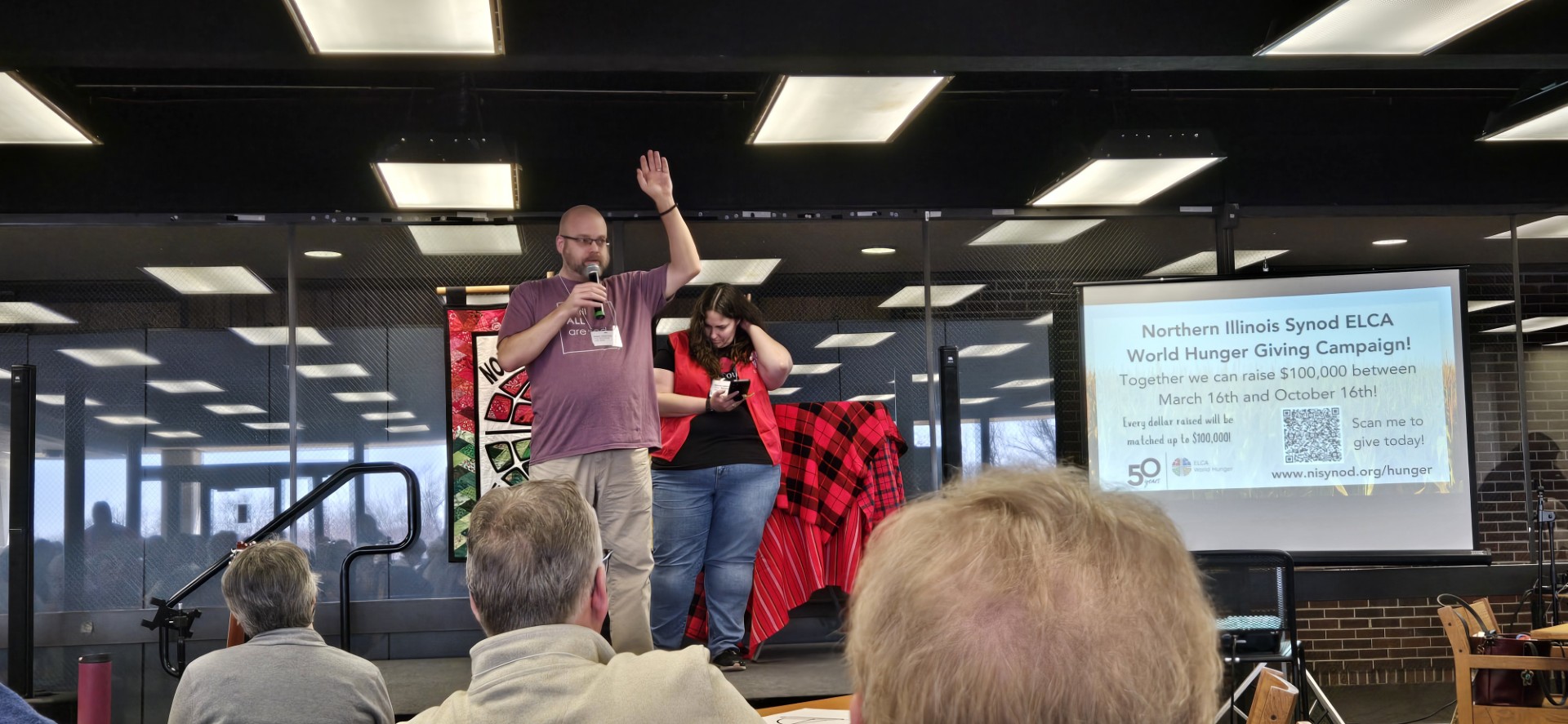
(This message was written by Pr. Jamie Gallagher, Pastor of First Lutheran Church, Monmouth, IL.  The Northern Illinois Synod held its annual Congregational Resourcing Event (CRE) on March 22, 2025.)

Since the announcement was right before Lunch, I started by asking who was hungry — with a lot of hands going up, I simply said, there are millions of people who are asked that question and there is not a table of lunch sitting right there waiting for them.  I then reminded the gathering that it was 50 years ago when Lutherans just like us gathered in a room just like this had someone raise their hand to ask “Can’t we do something about the hunger crisis” and all the other hands went up and said, “yes we can”.  Today, ELCA world Hunger is a ministry worth over $21 million dollars, but that money doesn’t come from thin air, it comes because we Lutherans still raise our hand and say, “Yes we can”.

I then spoke about the giving challenge, and how it is the generosity of a donor from our synod that is going to match up to $100,000.  And I don’t really remember how else I said everything, I didn’t have anything written down. I just went up there and spoke about it.  I also shared the story of how my congregation is giving toward this, and how as of that morning I was anticipating over $1,200 to go toward ELCA World Hunger.

What I didn’t know Saturday but what I do know today is that my congregation is at $1,698 and I have one more week to collect for ELCA World Hunger.  This has been the largest single month collection for what our church calls “vision and purpose giving” our monthly outward benevolence offering collection.  And it isn’t even close.  I think for St. Jude’s we once raised $650.  For LDR last month, we raised $515, but that is the best we have done before. So, I am excited for the enthusiasm my congregation is pouring into this, and I am looking forward to our synod having that same enthusiasm.

The workshop I led had 10 participants.  I used the take home version of the Generation Zero activity from the 2024 Youth Gathering.  They were assuming family roles and playing them well – they were counting candies in the jar and guessing way off but having fun.  They played with playdough and made goats, some good, some not so good, but all in good fun, and they learned what some of the root causes of hunger are and what ELCA World Hunger is doing amid those causes.

It was a great time.  We also collected a bunch of new ideas we will be sharing on our synod website for fundraising ideas for ELCA World Hunger as they all had great ideas.

So, it was a great day to announce the challenge and present the workshop.