Skip to content
ELCA Blogs

ELCA Racial Justice

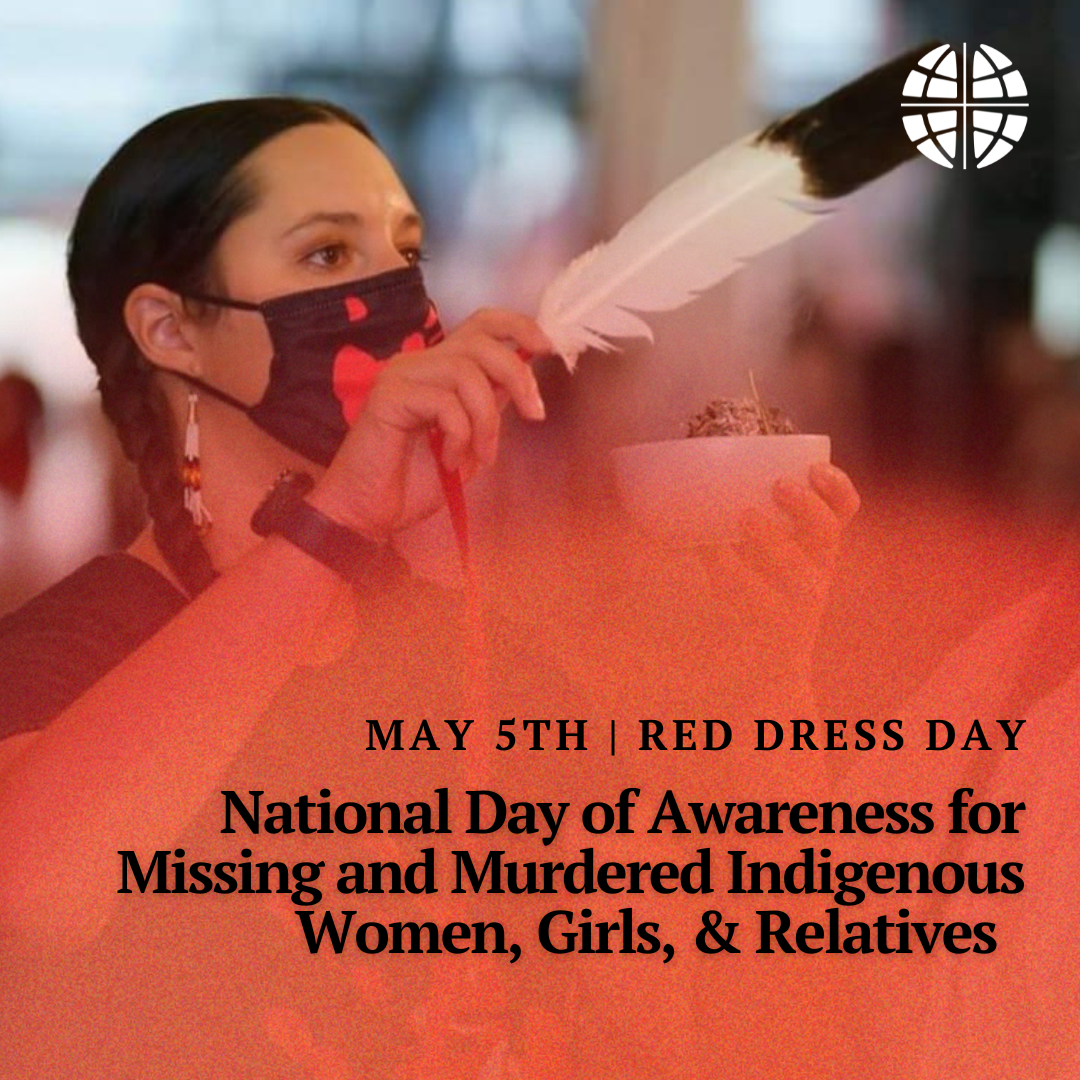
Truth, Honor and Remembrance: National Day of Awareness for Missing and Murdered Indigenous Women (MMIW) in the ELCA

In honor of National Day of Awareness for Missing and Murdered Indigenous Women, Girls, and Relatives (MMIWGR), which is observed on May 5 each year, ELCA Racial Justice Ministries invited Isabell Retamoza to write on this topic.


Truth, Honor and Remembrance: MMIW Awareness Day in the ELCA

By Isabell Retamoza

On May 5, communities across the United States will gather in remembrance and solidarity to honor missing and murdered Indigenous women (MMIW), girls and Two-Spirit people[1].

The alarming rates of abduction, disappearance and murder of Indigenous women, girls and Two-Spirit people represent one of the most devastating and ongoing injustices facing tribal nations and Indigenous communities. On some reservations, Native women experience murder rates more than 10 times the national average.[2] Two-Spirit individuals face exceptionally high levels of violence, with studies indicating that between 78% and 85% have experienced gender-based violence, sexual assault or physical violence.[3] These disappearances and deaths are frequently connected to domestic and dating violence, sexual assault, stalking, sex trafficking and other longstanding harms impacting Indigenous communities. Nearly 96% per of the time the perpetrators of this violence are non-Native men.[4] 

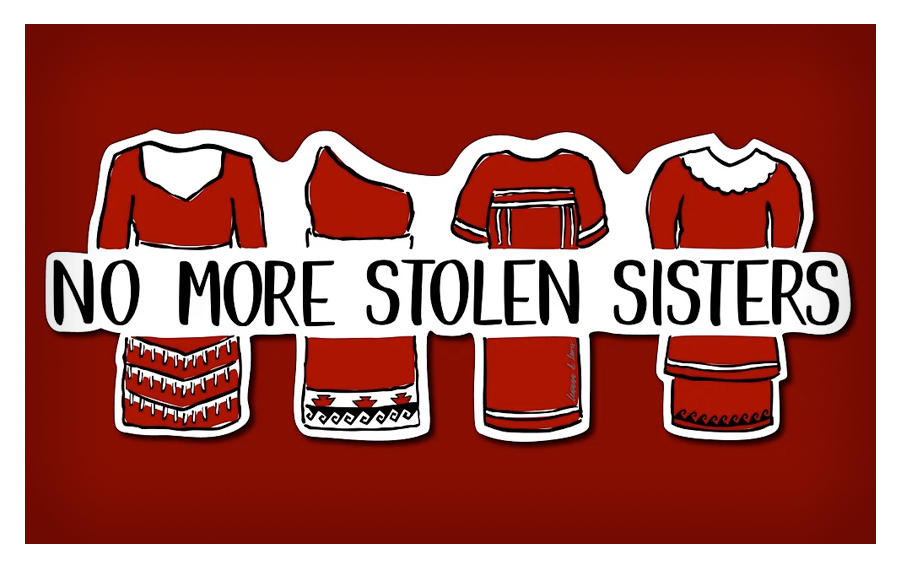
To honor and remember those lost, many people wear red or paint red handprints across their faces as symbols of visibility for those who have been made invisible. But MMIW Awareness Day is not only about remembrance; it is also a call to truth-telling and advocacy.

MMIW Day of Awareness calls us to:

  • Honor the lives of missing and murdered Indigenous women, girls and Two-Spirit people.
  • Raise awareness of the disproportionate levels of violence experienced by Indigenous families and communities.
  • Support community efforts of grassroots advocacy and organizing to change laws, policies, protocols and resource allocation at the tribal, federal and state levels.
  • Share and discuss the history of state-sanctioned violence perpetrated by the U.S. government against Indigenous people and communities to better understand the roots of this crisis and drive meaningful legal reform.

This crisis is neither isolated nor random. It is the result of centuries of state-sanctioned and structural violence. Rooted in colonization and genocide, U.S. policies forcibly removed Indigenous peoples from their ancestral lands, fractured families and kinship systems, and devalued Indigenous culture. These harms continue today through jurisdictional failures, underfunded services, extractive industries built near tribal lands, and systems that repeatedly fail to protect Indigenous women, girls and Two-Spirit people or that hold perpetrators accountable.

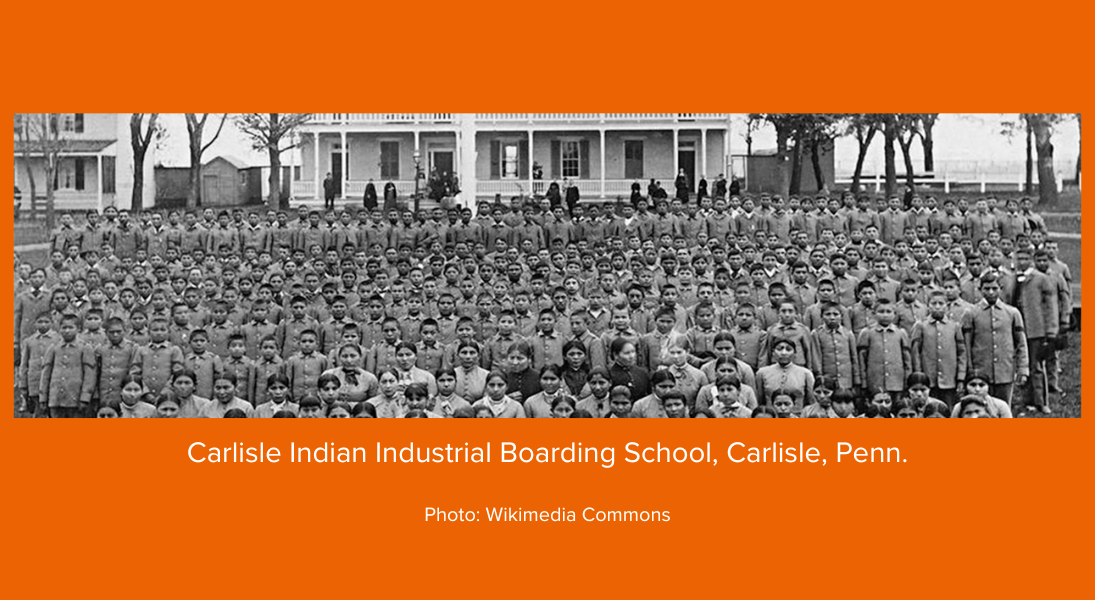
For the church, MMIW Awareness Day is also a moment of moral reflection. Christian institutions were often complicit in the systems that enabled this violence, including forced assimilation and boarding schools. Honoring this day meaningfully requires more than acknowledgment; it calls us to recognize the truth expressed through action, solidarity and sustained commitment to justice.

Honoring MMIW Awareness Day in Your Congregation

ELCA congregations can mark May 5 in meaningful and respectful ways, including:

  • Wearing red (T-shirts available from the ELCA) and taking pictures.
  • Using social media to raise awareness. Use the hashtags #MMIW, #NoMoreStolenSisters, #TruthandHealing and #ELCA 2.
  • Organizing a prayer vigil (with this resource).
  • Including MMIW in your congregation’s prayers for the day.
  • Saying the names of MMIW (especially meaningful if you research and identify MMIW specific to your region or locality) and lighting candles for them during worship.
  • Inviting (and compensating) a local Indigenous expert to share on this topic as part of your educational time.
  • Inviting (and compensating) local Indigenous musicians to play or sing during worship.

As members of the Evangelical Lutheran Church in America, we are called to bear public witness to truth, even when that truth challenges us. On May 5, may we commit ourselves not only to remembrance but to action that honors Indigenous lives.

For more information on how your congregation can get involved and honor MMIW Day of Awareness on May 5, please visit the ELCA website and download the MMIW Toolkit.

Isabell Retamoza is a citizen of the Cherokee Nation, a law student at the University of Illinois Chicago School of Law and is a member of St. Andrew Lutheran Church in San Diego.


[1]Two-Spirit is a term used by some Indigenous people to describe roles, responsibilities, and identities that exist outside colonial understandings of gender and sexuality. For many, Two-Spirit is interrelated to expression, language, tradition, and/or ceremony, often carrying inherent responsibilities to the well-being of the land and community.” Understanding The Term ‘Two-Spirit’ — Wabanaki Two-Spirit Alliance, https://w2sa.ca/two-spirit-library/understanding-the-term-two-spirit.

[2] National Indigenous Women’s Resource Center, www.niwrc.org/mmir-awareness.

[3] Balsam, Kimberly F., et al., “Culture, Trauma, and Wellness: A Comparison of Heterosexual and Lesbian, Gay, Bisexual, and Two-Spirit Native Americans, Cultural Diversity & Ethnic Minority Psychology, 2026, vol. 32, issue 2 (April), doi.org/10.1037/1099-9809.10.3.287.

[4]   The National Congress of American Indians Policy Research Center, Key Statistics | NCAI, https://www.ncai.org/section/vawa/overview/key-statistics.


Observing Native American Heritage Month: ELCA Indigenous Ministries and Tribal Relations events

In celebration of Native American Heritage Month which is celebrated in the United States in November, we share the following article which is cross-posted from Living Lutheran. The original post can be found here.

Observing Native American Heritage Month

ELCA Indigenous Ministries and Tribal Relations events

November 12, 2025

Native American Heritage Month

iStock.com/Yulia Novik

ELCA Indigenous Ministries and Tribal Relations is a program team of ELCA Ministries of Diverse Cultures and Communities, which focuses on fostering relationships rooted in mutual respect, spiritual solidarity and cultural understanding. For November, the team is asking the church, its congregations, its members and its affiliated ministries to seek ways in which to observe Native American Heritage Month. Here are two possible ways that you might participate.

Vine Deloria Jr. Theological Symposium | Nov. 10-12

Hosted by the Lutheran School of Theology at Chicago (LSTC) in partnership with Indigenous Ministries and Tribal Relations, the annual Vine Deloria Jr. Theological Symposium honors the renowned Indigenous scholar, activist, theologian and LSTC alum, who died in 2005 at age 72. For the 15th annual symposium, community leaders, students and faith leaders will gather to discuss Indigenous justice, theology and decolonization under this year’s theme, “Challenged and Transformed: A Vision for the Church.”

Throughout his life, Deloria routinely challenged systems of power—the church, the U.S. government, anthropological scientists—to acknowledge the validity of (and pursue justice for) all Indigenous peoples. He tirelessly advocated for Indigenous representation, access, acknowledgement and acceptance. This year’s educational celebration of his legacy will begin with a lecture by Robert Two Bulls, an enrolled member of the Oglala Lakota Oyate who serves the Episcopal Church as missioner for the Department of Indian Work.

Manuel Retamoza, a citizen of the Cherokee Nation and a pastor of both St. Andrew Lutheran Church and the Border Church in San Diego, serves as a planning team member for the symposium. Retamoza, who has previously preached and presented at the symposium, was asked what his hopes are for attendees of this annual event. “I want the attendees to hear how Vine’s words continue to resonate in our culture and within the Christian Church,” he said. “I hope that attendees will leave with a deeper understanding of the complex intersections between the Christian faith, justice and Indigenous rights. I pray that the discussions will inspire a renewed commitment to solidarity, advocacy and action. As Christians, we are called to love our neighbors and seek justice; I hope that this symposium will challenge attendees to consider how they can live out these values in their own lives and communities.”

All are welcome to attend the symposium, which will include a lecture, two panel presentations and a special chapel service, either online or in person. No registration is required. Visit the official event webpage on the LSTC website for more information and links to the Zoom sessions.

National Day of Mourning | Nov. 27

The National Day of Mourning started as a protest demonstration in 1970, in Patuxet (currently known as Plymouth, Mass.), after Wamsutta Frank James of the Wampanoag people, who had been invited to speak at a Thanksgiving celebration, was prohibited from speaking on the continued effects of colonial settlement. Today groups such as United American Indians of New England (UAINE) commemorate that incident by hosting events, activities and demonstrations every fourth Thursday in November to call attention to the ongoing oppression, genocide and struggles faced by Indigenous peoples. The National Day of Mourning offers an alternative Thanksgiving story rooted in truth and shared annually for the sake of increased public education, sustainable remembrance and continuing demands for justice.

On Nov. 27, all are invited to join Jennifer De Leon, ELCA director for racial justice, and other ELCA leaders on Cole’s Hill in Patuxet for a public demonstration. De Leon, in partnership with ELCA Indigenous Ministries and Tribal Relations, has spearheaded many November trips to the National Day of Mourning events hosted by UAINE, which have included participation by synodical bishops, ELCA staff, leaders of affiliate ministries and members of local congregations. In a recent interview with Justice Nichols, program coordinator for Indigenous Ministries and Tribal Relations, De Leon said: “While the focus is on lifting up the ongoing impact of colonization and the theft of Native land on Native peoples today, all forms of oppression were acknowledged—such as the attacks on immigrants and the war on Gaza.”

Nichols also spoke with Phoebe Morad, executive director for Lutherans Restoring Creation. Morad grew up near Patuxet and learned from her Indigenous neighbors that she could show up to National Day of Mourning events and provide support as an uninvited Christian. Morad emphasized the importance of taking accountability through participating in the events every year and actively listening to every speaker. She recounted being present when the granddaughter of Aquinnah Wampanoag activist Wamsutta Frank James read the letter he had attempted to share on that first Day of Mourning. She was also present to witness another young woman, a Palestinian American, “as she conveyed the violent assault on the Indigenous people of her home country,” reminding those gathered that colonialism continues to wreak havoc on the world.

Morad stressed the importance of demonstrating publicly on behalf of the most vulnerable when overindulgence is standard practice and not even your employer expects you to show up. She knows how much showing up over the years helped her to grow as a person, especially in the month of November. “To reflect on these truths on any other, more convenient day, I believe, misses the point,” she said. “The dissonance made every word, every step of the subsequent march together more impactful … especially when I connected later with my extended family around the dining room table.”

To stand in solidarity with Indigenous peoples and further support the Truth and Healing Movement efforts of the Indigenous Ministries and Tribal Relations team, join De Leon, Morad and other ELCA members on Nov. 27 in Patuxet for the annual demonstration.

Learn more

Details for both of these events will be shared on the ELCA’s Truth and Healing Movement webpage. For more information, please contact Vance Blackfox (vance.blackfox@elca.org), director of ELCA Indigenous Ministries and Tribal Relations.

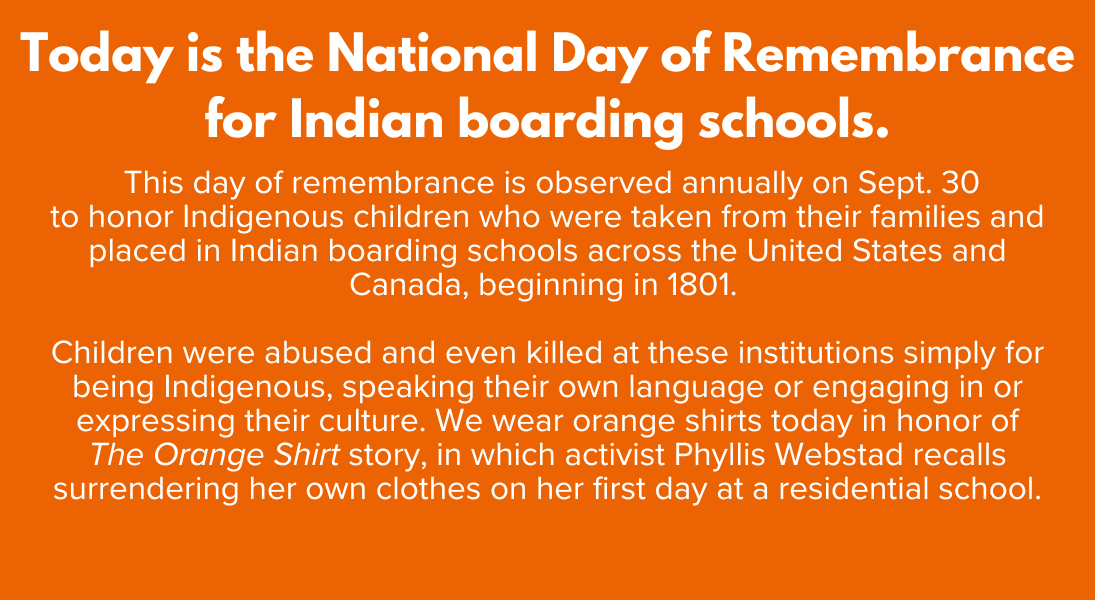
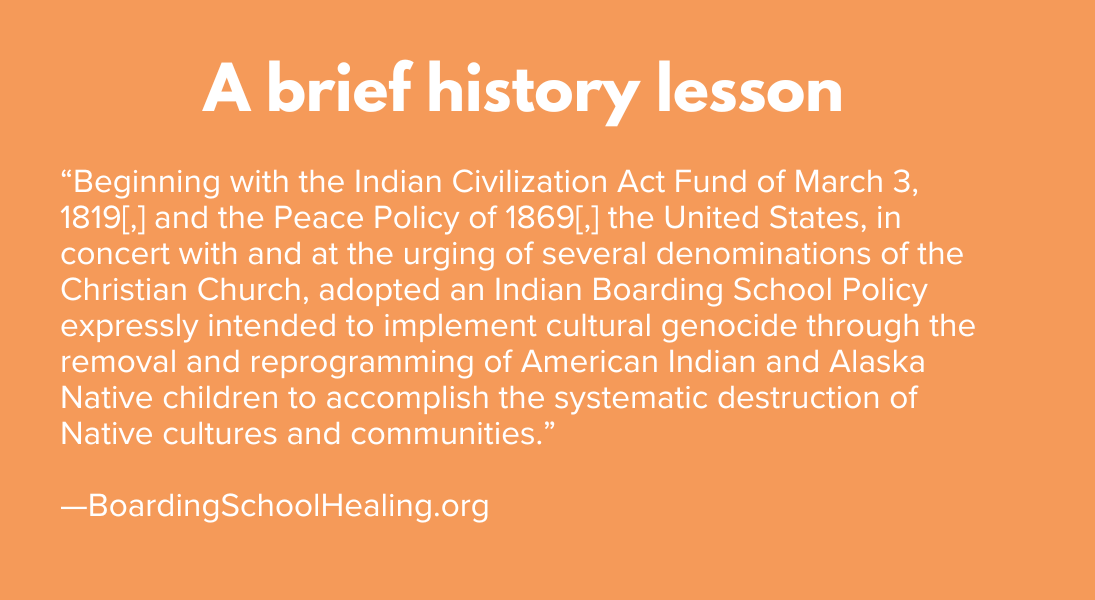
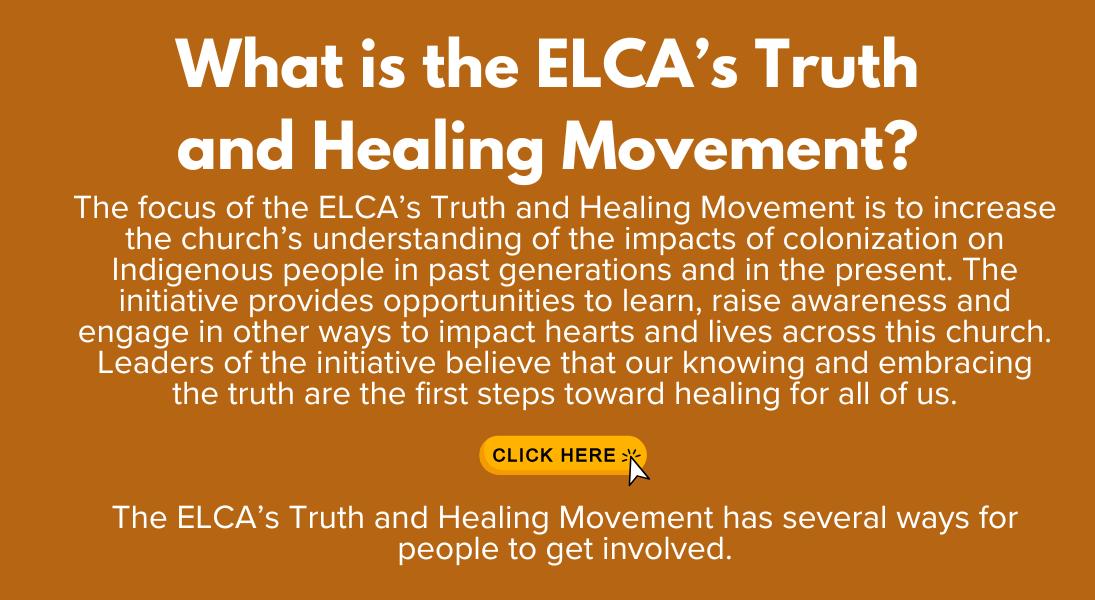
The National Day of Remembrance for Indian Boarding Schools: Learning more about the ELCA’s Truth and Healing Movement

In observation of National Day of Remembrance for Indian Boarding Schools which is observed in the United States September 30, we share the following which is cross-posted  from Living Lutheran online. The original post can be found here.


The National Day of Remembrance for Indian Boarding Schools

Learning more about the ELCA’s Truth and Healing Movement

September 30, 2025

May 5 is National Missing and Murdered Indigenous Women’s (MMIW) Awareness Day


May 5 is National Missing and Murdered Indigenous Women’s (MMIW) Awareness Day.

In 2021, as a follow-up to the 2016 Repudiation of the Doctrine of Discovery, the ELCA Church Council adopted the Declaration to American Indian and Alaska Native People by the Evangelical Lutheran Church in America. It reads, in part:

“…We commit to advocacy for and being in solidarity with Tribal Nations, MMIWGR organizations, families, and friends who have gone missing or who have been murdered.

“Indigenous women and girls go missing at a much higher rate than any other group in the United States. Indigenous men also disappear at a higher rate than other males. There are 2 foci in this commitment. One is advocacy. Tribes, states, and the US government can and should pass legislation to coordinate work to alleviate the problem. The second focus is relational. Synod leaders can establish relationships with Tribal Nations, express solidarity, help with prevention, with search and rescue, with comforting the anxious and bereaved. Congregations can, as well.”

How to honor MMIW Awareness Day (May 5) in your congregation:

  1. Wear red (T-shirts available from the ELCA) and take pictures. Use social media to raise awareness. Use hashtags: #MMIW #NoMoreStolenSisters #TruthandHealing #ELCA
  2. Organize a prayer vigil (using this resource).
  3. Include MMIWGR in the prayers for the day.
  4. Say the names of MMIWGR (this would be especially meaningful if you also did the research to identify locally/regionally specific MMIWGR) and light candles for them during worship.
  5. Invite (and compensate) a local Indigenous expert to share on this topic as part of your educational time.
  6. Invite (and compensate) local Indigenous musicians to play/sing during worship.

This resource guide provides an extensive list of resources that you and your community can use to learn more about MMIW & ways to take action! To download, click HERE.

For information on MMIW events for 2025, click here and scroll down to upcoming events. For more information on Indigenous Ministries and Tribal Relations of the ELCA, please visit:  Missing and Murdered Indigenous Women – Evangelical Lutheran Church in America (elca.org) and Indigenous Ministries and Tribal Relations – Evangelical Lutheran Church in America (elca.org)

Honoring Indigenous Peoples and Alaska Natives in November

In the United States, November is Native American Heritage Month. Racial Justice Ministries would like to elevate the voices and work of our Indigenous siblings by bringing attention to the multitude of events by the ELCA’s Indigenous Ministries and Tribal Relations. A full list of offerings for this month can be found here, but there are three events that we would especially like to highlight:


Toward Truth and Healing: How Churches Face Accountability for their Indian Boarding Schools

Sunday, November 10, 2024 – ONLINE

7 – 8:30 p.m. Central time

Hosted by the Quaker Church’s Friends Peace Teams, Vance Blackfox and Liz Andress will be joining representatives from Catholic, Episcopal, Presbyterian, Methodist and Quaker faith communities to discuss how churches are re-examining the roles their denominations played in operating Indian boarding schools during the 19th and early 20th centuries, in collaboration with the federal government’s policy of forced assimilation. They will talk about the harm done to Native American families and nations as well as the ongoing impacts on Native communities today. Representatives from these communities will share how they are conducting research and approaching questions of accountability, apology, reparations, and healing.

Register


Vine Deloria Jr. Theological Symposium

Monday, Nov. 18, and Tuesday, Nov. 19 – ONLINE

In 2013 the annual American Indian and Alaska Native Symposium at the Lutheran School of Theology at Chicago (LSTC) was renamed in honor of Vine Deloria Jr., an alum of Augustana Seminary in Rock Island, Ill. (a predecessor school of LSTC). The symposium has been held in November every year since it began 16 years ago and is co-sponsored by the Pero Center for Intersectionality Studies at LSTC and ELCA’s Indigenous Ministries and Tribal Relations.

All events will be accessible online, and this year’s symposium will focus on Deloria’s book Custer Died for Your Sins.

At the height of the American Indian Movement and beyond, Vine Deloria Jr. played a significant role in strengthening tribal sovereignty for federally recognized tribes in the United States, from serving as executive director of the National Congress of American Indians to serving as a law professor at the University of Arizona during his retirement and so much in between. In Custer Died for Your Sins, Deloria writes about the challenges posed to Indigenous people by non-Native people, the U.S. federal government, churches and others. He offers new ways of thinking about those challenges and a philosophy for how Native Nations and leaders of the American Indian Movement and others might respond. Deloria offers both pragmatic and philosophical wisdom about moving forward toward justice. We challenge readers to consider the questions “How much has changed?” and “Might we still be dealing with similar challenges even today?” Symposium participants will hear from scholars and leaders, who will reflect on the text and how Deloria might be speaking to us today about the challenges we face and how we should respond.

Vine Deloria Jr. Theological Symposium
Presenter information to be posted here soon!
LINK COMING SOON

NEW: A discussion guide is now available to help readers think more deeply and critically about Custer Died for Your Sins, the wisdom that Vine Deloria Jr offers therein, and the challenges Indigenous people still face today. Download the guide below and begin a Truth and Healing Movement Reading Circle with members of your community.


National Day of Mourning

Thursday, Nov. 28, 2024 – Patuxet (Plymouth, Mass.)

Since 1970 an annual march and rally organized by the United American Indians of New England (UAINE) have taken place on the fourth Thursday in November, a day known as the Thanksgiving holiday in the United States but a day that many Indigenous people and supporters have come to know and commemorate as the National Day of Mourning. This tradition and commemoration serve as a solemn occasion to honor Native ancestors and Wampanoag stories while fostering greater awareness and understanding among the U.S. public about the destructive presence of pilgrims and settlers in and around Patuxet, also known as Plymouth.

You are invited to Patuxet (Plymouth, Mass.) to stand in solidarity with the Wampanoag people and the United American Indians of New England at this year’s National Day of Mourning and to gain deeper insight into their vital mission.

If you are interested in joining us on Patuxet (Plymouth, Mass.) for the National Day of Mourning, please contact Jennifer De Leon, ELCA director for Racial Justice, by clicking HERE.

**TOMORROW** Free Class: Indigenous Thought & Theology

Class: Indigenous Thought & Theology

Indian people have unique and beautiful ways of understanding the world. Indigenous wisdom – as it relates to living in relationship with the Creator, Mother Earth and other created beings – should be centered if we want to provide better care for our home and all our relatives. Indigenous Thought & Theology introduces participants to this wisdom and examines Indigenous ways of understanding, respecting and interacting with this wondrous world we inhabit.

No pre-registration is required to participate. Just click “join the class” to attend.

Thursday, Oct. 24, 2024

Class: Indigenous Thought & Theology
2 – 4 p.m. Central time
Presented by Vance Blackfox

JOIN THE CLASS


For more information:

The Truth & Healing Movement:  Truth & Healing Movement – Evangelical Lutheran Church in America

ELCA Indigenous Ministries and Tribal Relations:  Indigenous Ministries and Tribal Relations – Evangelical Lutheran Church in America