
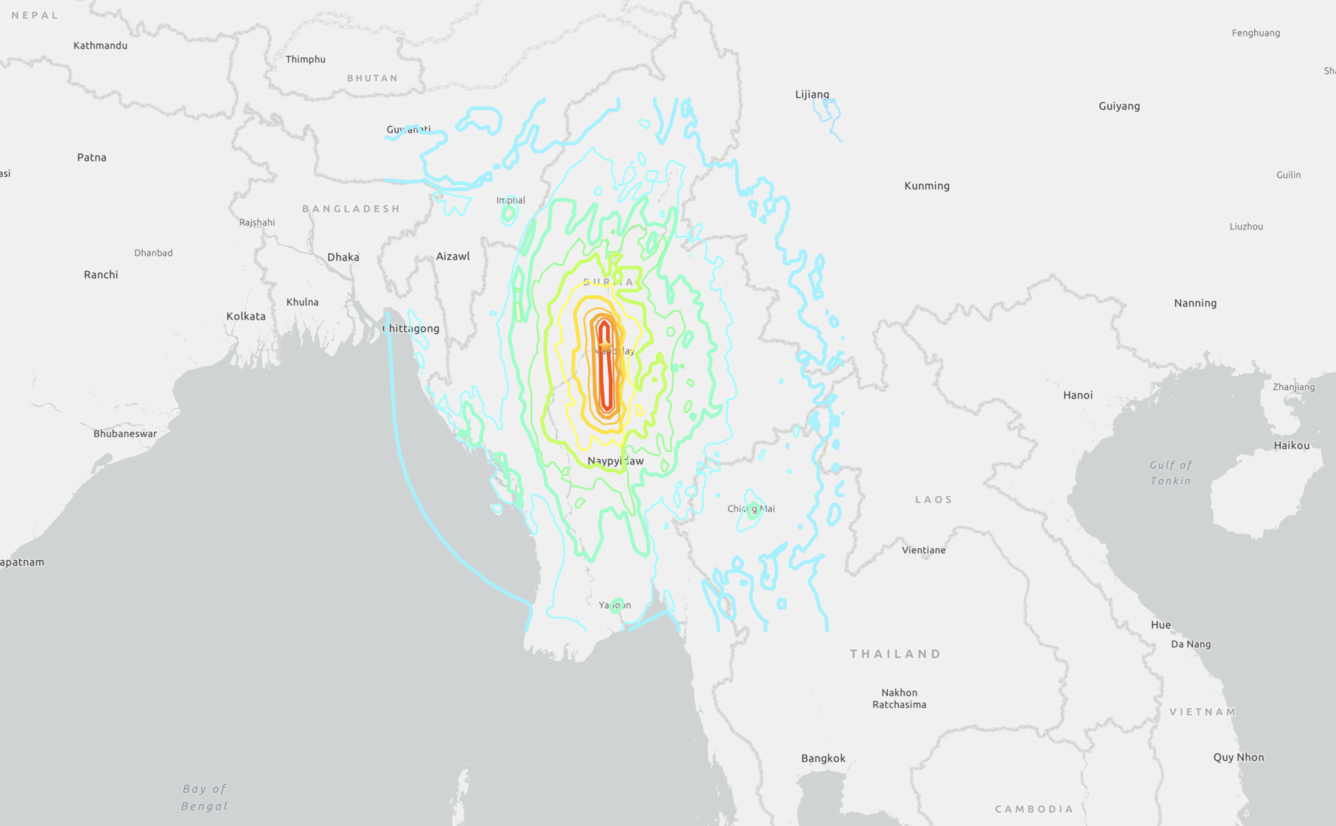
Burma (Myanmar) earthquake | Photo credit: USGS
When a powerful earthquake struck Myanmar in March 2025, it left devastation in its wake. Entire communities were shaken. Homes reduced to rubble, livelihoods disrupted, and access to essentials like clean water suddenly uncertain. Yet even in the midst of loss, something remarkable began to take shape: stories of resilience, recovery, and hope.
Supported by a coordinated humanitarian response through Lutheran Disaster Response, the ACT Alliance, and Lutheran World Federation, families and communities began the hard work of rebuilding—not just structures, but their sense of stability and dignity.
Restoring What Matters Most: Water
In Hman Taw Village, one of the most urgent needs after the earthquake was access to safe drinking water. Before the disaster, a single water point served a dozen families. When it was damaged, residents were forced to walk long distances, often making multiple trips each day just to meet basic needs.
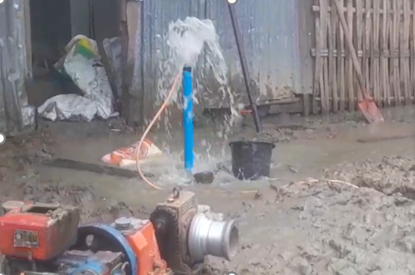
A village water point undergoing rehabilitation | Photo Credit: LWF
But the community didn’t give up. With support from local partners and engineers, villagers came together to repair the system, this time making it more resilient by powering it with solar energy. Within just a month, clean water was flowing again.
“Now, with clean water so close to home, we no longer worry,” shared Daw Khin San Nwe.
What was once a symbol of disruption has become a powerful reminder of what communities can achieve together.
Rebuilding Homes, Restoring Dignity
For many families, the earthquake deepened already fragile circumstances. In Bone Oe Village, Daw Mi Ma Ma, a grandmother raising three grandchildren, faced overwhelming challenges when her home was severely damaged. Her small income from selling fish was barely enough to cover daily needs, let alone repairs.
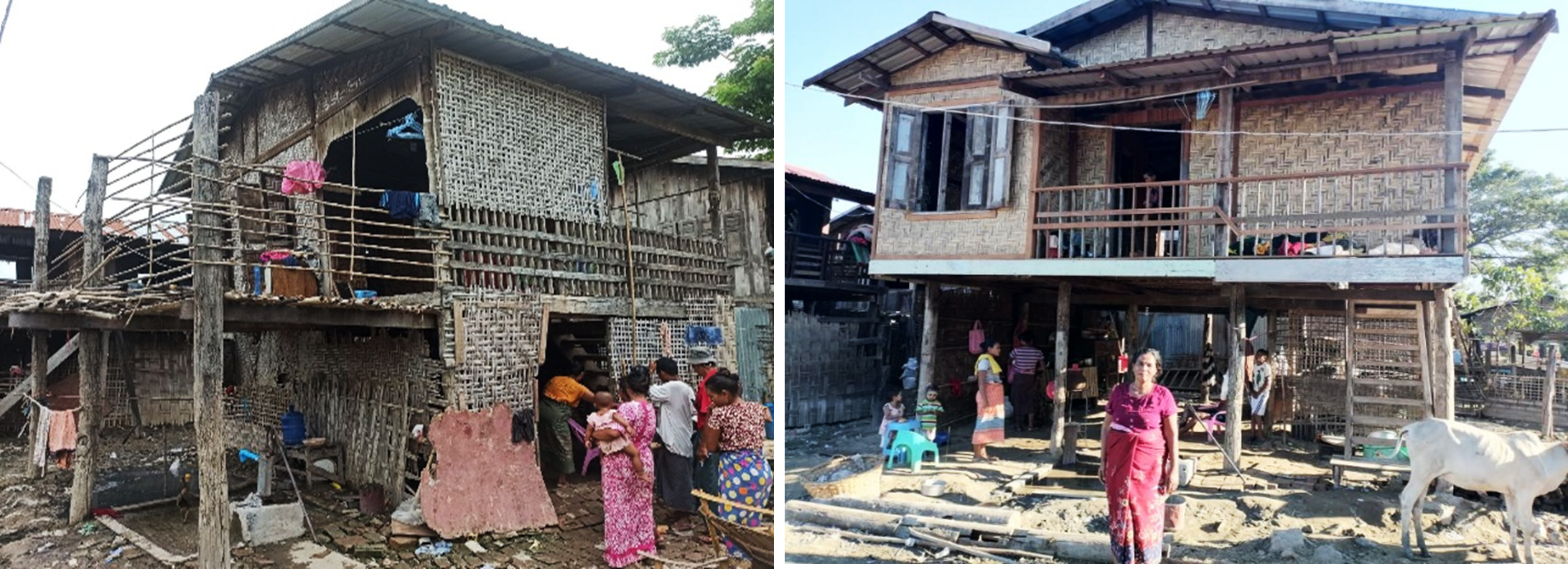
Left: Daw Mi Ma Ma’s house after the March earthquake. Right: Daw Mi Ma Ma standing in front of her home after its renovation with support from the project. | Photo Credit: LWR
Through emergency support, she first received essential household supplies, followed by cash assistance to rebuild her home. That support changed everything.
“The project’s support brought back safety and dignity,” she said.
Today, with her home restored, she can focus again on caring for her grandchildren and planning for their future.
The Power of Flexible Support
In times of crisis, flexibility can mean survival. In Sagaing, Daw Thida Myint was injured during the earthquake and had no reliable source of support. Emergency cash assistance allowed her to buy food and cover medical expenses when it mattered most.
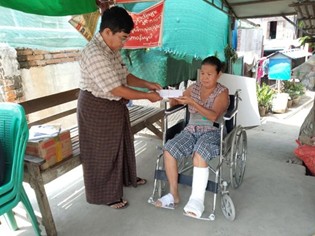
An earthquake-affected resident, Daw Thida Myint, 60yrs, person with disability receives emergency cash assistance for food in Ywar Htaung, Sagaing Region. | Photo Credit: LWF
Rather than a one-size-fits-all solution, this approach empowered her to make decisions based on her family’s immediate needs, preventing them from slipping into extreme hardship.
Her story highlights an important truth: when people are trusted to prioritize their own recovery, it restores both stability and dignity.
Starting Over: Livelihoods Reimagined
Recovery doesn’t stop at meeting basic needs. It also means rebuilding a way forward.
In Nay Pyi Taw, U Myint Zaw lost both his home and his job in the earthquake. With targeted support, he chose to invest in raising piglets as a new livelihood. What started as a modest step has grown into a renewed sense of purpose and hope for his family.
Similarly, Daw Aye Aye Thin turned to pig farming after losing her home and seeing her son leave school to work.
“This support gave me the strength to start again,” she said.
These small enterprises represent more than income. They’re pathways to independence and resilience.
Healing Beyond the Physical
The impact of the earthquake wasn’t only physical. Emotional healing, especially for children, has been an essential part of recovery.
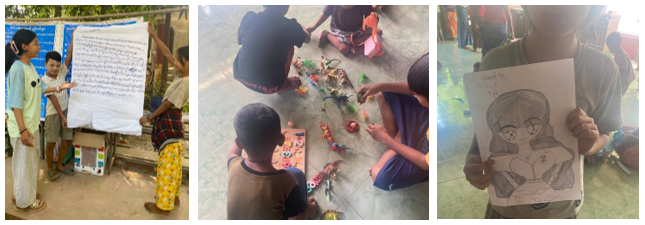
Left: Children aged 11–15 writing stories and sharing them with peers. Center: Children aged 5–10 playing with toys in a safe space. Right: A 9-year-old child drawing a picture and proudly showing it to the project’s Safe Space facilitator in a Safe Space in Sagaing Region | Photo Credit: LWF
In Sagaing, safe spaces were created where young people could play, learn, and process their experiences. Through art, storytelling, and group activities, children who once lived in fear are rediscovering joy and security.
“Now, I feel happy… I feel safe,” shared one 14-year-old participant.
These spaces are helping rebuild not just lives, but futures.
A Long Road Forward, Together
The journey to recovery in Myanmar is far from over. But each repaired water system, rebuilt home, renewed livelihood, and smiling child reflects something powerful: hope is rising again.
These stories remind us that even after profound loss, communities can come together to rebuild stronger than before, especially when supported by compassion, partnership, and shared determination.
In the face of disaster, resilience shines brightest.
Supporting Communities Through Lutheran Disaster Response
In the face of these compounding emergencies, Lutheran Disaster Response continues to walk alongside communities as they respond to immediate needs and rebuild with dignity and hope. Through trusted international partners, LDR supports emergency relief, recovery, and long-term resilience efforts, addressing food security, shelter, livelihoods, psychosocial support, and disaster preparedness.
Supporting Lutheran Disaster Response enables timely, locally led responses that prioritize the most vulnerable and strengthen communities against future crises. As climate impacts intensify and conflicts persist, sustained solidarity and partnership are essential. Together, we can help ensure affected communities are not only supported in times of crisis, but also empowered to recover, rebuild, and thrive. Learn more about how to support the work of LDR here.
