Skip to content
ELCA Blogs

Lutheran Disaster Response

When Crises Collide: Conflict, Climate and Hunger Deepen Global Humanitarian Need

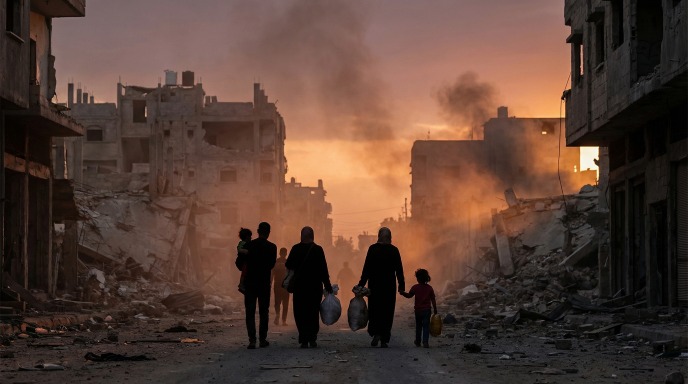
Photo Credit: Armando Loho | Generated with AI

June 2026 offered a sobering reminder that humanitarian emergencies rarely occur in isolation. Around the world, armed conflict, climate-related disasters, economic instability, hunger and disease are converging to create unprecedented levels of human suffering. At the same time, humanitarian organizations are being forced to do more with less as global funding continues to decline.

Today, an estimated 266 million people face acute food insecurity, while 13 major hunger hotspots are at risk of further deterioration in the months ahead.

Yet humanitarian funding has fallen by roughly 59% compared with 2022 levels, forcing agencies to scale back critical programs including food assistance, health care and protection services. Millions of people are being left without the support they need to survive.

Sudan: The World’s Most Severe Hunger Crisis

Nowhere is the intersection of conflict and hunger more evident than in Sudan. The country remains the world’s most severe hunger emergency, with famine risks continuing in Darfur and other regions.

In June, escalating violence in Blue Nile State coincided with the onset of the rainy season, displacing more than 200,000 people and creating critical shortages of food, clean water, shelter and medicine. The combination of armed conflict and seasonal weather is accelerating displacement while increasing the risk of disease outbreaks.

Across the broader Sahel region, conflict, climate shocks and economic instability have pushed more than 24 million people into urgent humanitarian need. Families already struggling with insecurity are facing repeated climate-related setbacks that make recovery increasingly difficult.

Gaza and Myanmar: Humanitarian Systems Under Strain

In Gaza and the Occupied Palestinian Territory, the humanitarian situation remains fragile and continues to deteriorate. Ongoing insecurity, severe water shortages, growing waste accumulation, widespread displacement and overcrowding are straining already fragile systems. Access constraints and shrinking financial resources are making it increasingly difficult for humanitarian organizations to reach those most in need.

Meanwhile, Myanmar’s humanitarian crisis continues to deepen after five years of conflict. Civilian casualties from airstrikes persist, local humanitarian networks are under immense pressure and reductions in international funding are further limiting lifesaving assistance. In many communities, shrinking aid resources and escalating conflict are contributing to the breakdown of local support systems.

A World Facing Record Levels of Conflict

Beyond these headline crises, humanitarian needs continue to grow across numerous conflict zones. More than 60 active armed conflicts are currently ongoing worldwide, the highest level seen in decades.

In Ukraine, civilians continue to bear the burden of a prolonged war. Haiti faces escalating gang violence and displacement, while communities in the Democratic Republic of Congo and throughout the Sahel continue to experience insecurity, hunger and mass displacement. These emergencies may receive different levels of global attention, but each represents lives disrupted and communities struggling to endure.

Climate Disasters Compound Vulnerability

As conflicts continue, climate-related disasters are creating new humanitarian emergencies and worsening existing ones.

In late June, two major earthquakes struck Venezuela, measuring between 7.1 and 7.5 magnitude. Hundreds of deaths were reported, infrastructure suffered widespread damage and millions of people may have been affected. International search-and-rescue teams mobilized rapidly to support response efforts.

Flooding also caused significant impacts across multiple regions. Eastern Syria experienced some of its worst flooding in decades, damaging homes, farmland and camps housing internally displaced people. Heavy rainfall across West Africa and South Africa increased flood risks and threatened already vulnerable populations.

Europe faced a different climate challenge as record-breaking heat swept across the continent. The United Kingdom recorded its hottest day on record twice during the month, and multiple heat-related fatalities were reported.

At the same time, persistent drought conditions in East Africa, including Somalia, continue to worsen food insecurity. Crop failures, declining water supplies and increased migration pressures are affecting millions of people whose livelihoods depend on predictable weather patterns.

Hunger and Health Risks Continue to Grow

The cumulative effects of conflict, climate shocks and funding shortages are driving a worsening hunger crisis.

The World Food Programme has warned that conflict-related disruptions to shipping and energy markets are contributing to higher food prices and limiting access to food for vulnerable populations. Countries including Afghanistan, Somalia and parts of the Middle East are experiencing growing food insecurity as conflict, climate impacts and reduced humanitarian assistance converge.

Looking ahead, anticipated El Niño conditions later in 2026 could intensify extreme weather patterns, potentially placing additional pressure on food systems and vulnerable communities around the world.

Health threats are also increasing. Ebola outbreaks continue in parts of the Democratic Republic of Congo and Uganda, while displacement, flooding and limited access to health care create conditions that can accelerate the spread of disease.

Hope Amid Growing Challenges

The humanitarian landscape in June 2026 illustrates the complex reality facing communities around the world. Conflicts are becoming longer and more complex. Climate shocks are growing more frequent and severe. Hunger and disease continue to threaten millions. And humanitarian organizations face the difficult challenge of responding amid shrinking resources.

Yet even in these circumstances, local communities, faith-based organizations and humanitarian partners continue to respond with resilience, compassion and determination. As Lutheran Disaster Response accompanies communities affected by disaster and conflict, we remain committed to supporting efforts that save lives, restore dignity and strengthen hope in the midst of crisis.

The challenges are immense, but so too is the calling to stand alongside our neighbors when they need it most.

Supporting Communities Through Lutheran Disaster Response

In the face of these compounding emergencies, Lutheran Disaster Response continues to walk alongside communities as they respond to immediate needs and rebuild with dignity and hope. Through trusted international partners, LDR supports emergency relief, recovery, and long-term resilience efforts, addressing food security, shelter, livelihoods, psychosocial support, and disaster preparedness.

Supporting Lutheran Disaster Response enables timely, locally led responses that prioritize the most vulnerable and strengthen communities against future crises. As climate impacts intensify and conflicts persist, sustained solidarity and partnership are essential. Together, we can help ensure affected communities are not only supported in times of crisis, but also empowered to recover, rebuild, and thrive. Learn more about how to support the work of LDR here.
Situation Report: Sudan Conflict

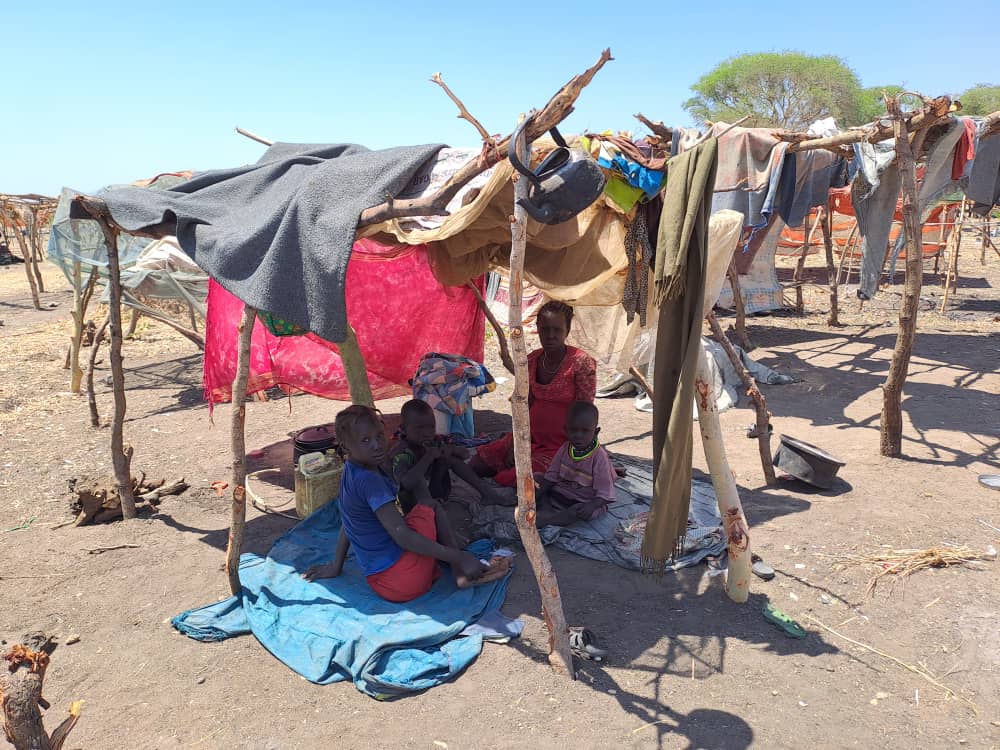
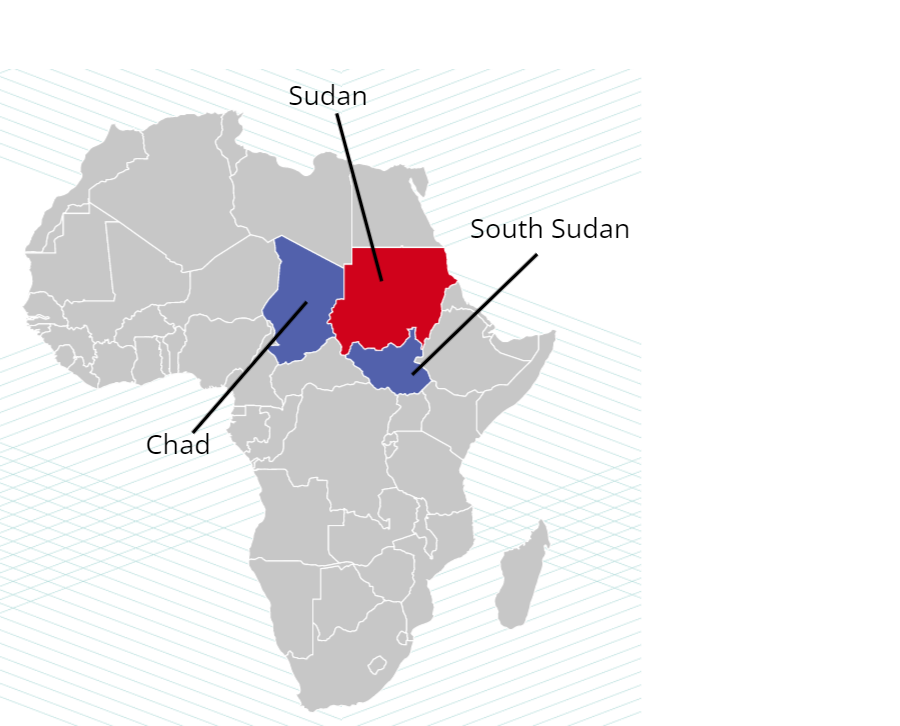
Situation:A map of Africa with Sudan highlighted in red and Chad and South Sudan highlighted in blue.

On April 15, violence broke out between opposing military groups in Sudan. Most of the fighting has been in the capital city of Khartoum, but some has now spread outside the city. Because of the conflict, many civilians cannot leave their homes, while others are managing to flee to other areas of the country, or into neighboring countries like Chad, Egypt, Ethiopia and South Sudan. Nearly 1 million people have been displaced since the beginning of the violence.


A Sudanese family under a shelter made of wood and fabric.

Sudanese refugees in South Sudan. Photo: ACT Alliance

Response:

In Chad, Lutheran Disaster Response is supporting the Lutheran World Federation-World Service. It is addressing shelter, food, and hygiene needs in refugee camps and informal settlements. Lutheran Disaster Response is also supporting the Episcopal Church of South Sudan, Upper Nile Internal Province, as it provides food and other essential supplies to refugees in South Sudan.


Be part of the response:

Pray
Please pray for all people impacted by the violence in Sudan. May God’s healing presence give them peace and hope in their time of need.

Give
Thanks to generous donations, Lutheran Disaster Response is able to respond quickly and effectively to disasters around the globe. Your gifts to Lutheran Disaster Response will be used to assist Sudanese refugees and other crises in the U.S. and around the world.

To learn more about the situation and the ELCA’s response:

  • Sign up to receive Lutheran Disaster Response alerts.
  • Check the Lutheran Disaster Response blog.
  • Like Lutheran Disaster Response on Facebook, follow @ELCALDR on Twitter, and follow @ELCA_LDR on Instagram.

Roma refugees from Ukraine face racism, discrimination

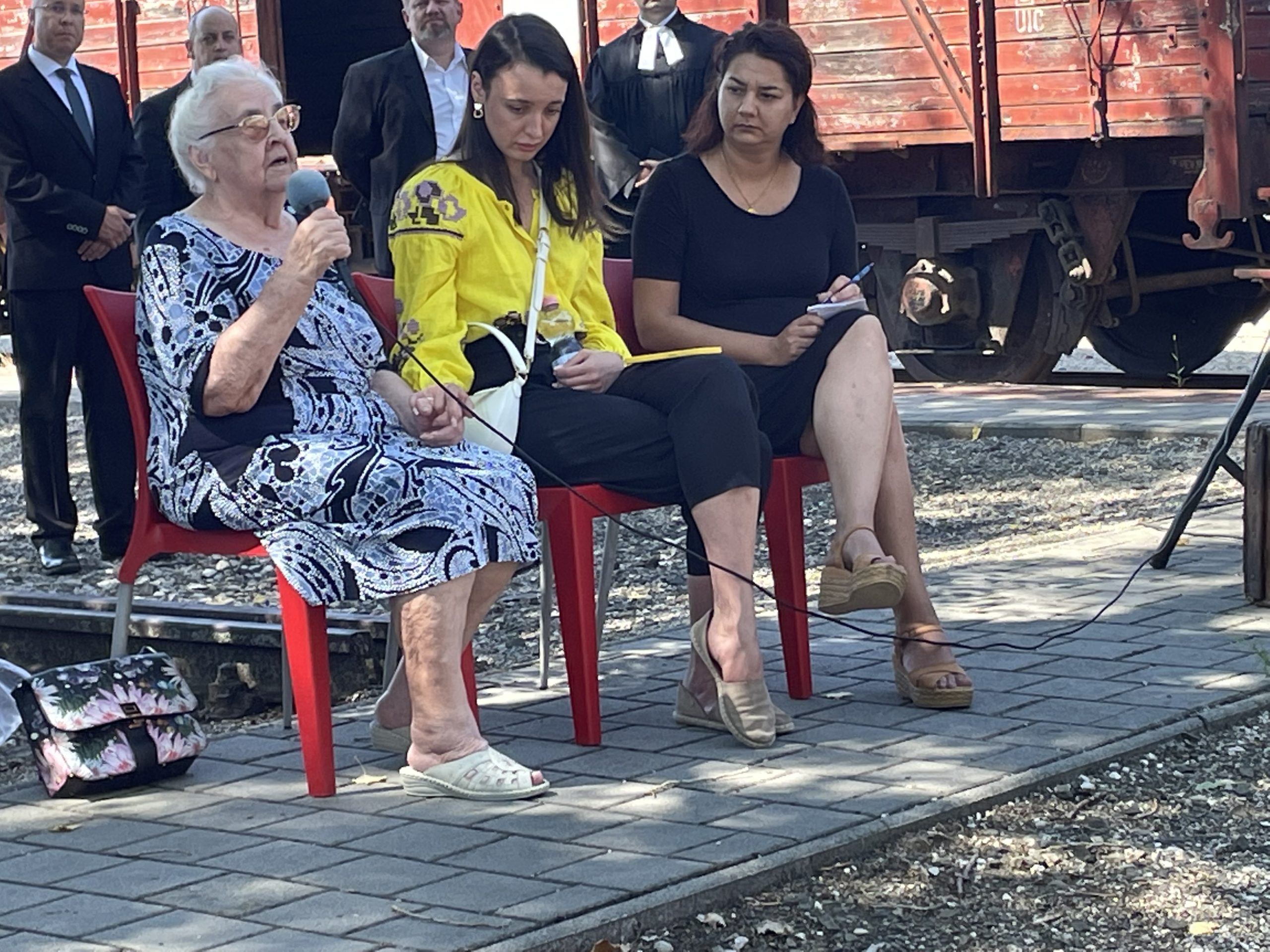
Three women sit next to each other in chairs, the oldest women on the left holding a microphone.

Holocaust survivor Mariia Simian, her granddaughter Anzhelika Bielova, both from Zaporizhzhia, Ukraine, and Phiren Amenca staffer Anna Daroczi at a memorial for Roma victims of the Holocaust,

Mariia Simian, from Zaporizhzhia, Ukraine, is living through war for a second time. Just three years old when World War II tore across Europe in the 1940s, she says the memories haunt her.

“I remember everything,” she says. “I often remember. My mother hid our whole family from this horror wherever she could – in the basement, in fields behind the house – because the Nazis were looking for Roma.”

Simean, who is Roma, spoke at a recent remembrance ceremony for Roma victims of the Holocaust, hosted by ELCA partner organization Phiren Amenca in Budapest. As many as 500,000 Roma people were among those murdered by the Nazis during World War II.

Speaking in Ukrainian, with her granddaughter Anzhelika Bielova translating into English, Simeak continued, “I really want everyone to remember these horrors of war, the crimes against humanity, against Roma people…Evacuation, frightened people fleeing from death, mass graves of civilians, destroyed houses, all this is now in Ukraine after 80 years.…I want peace, only peace, and a better future for all of us and for new generations.”

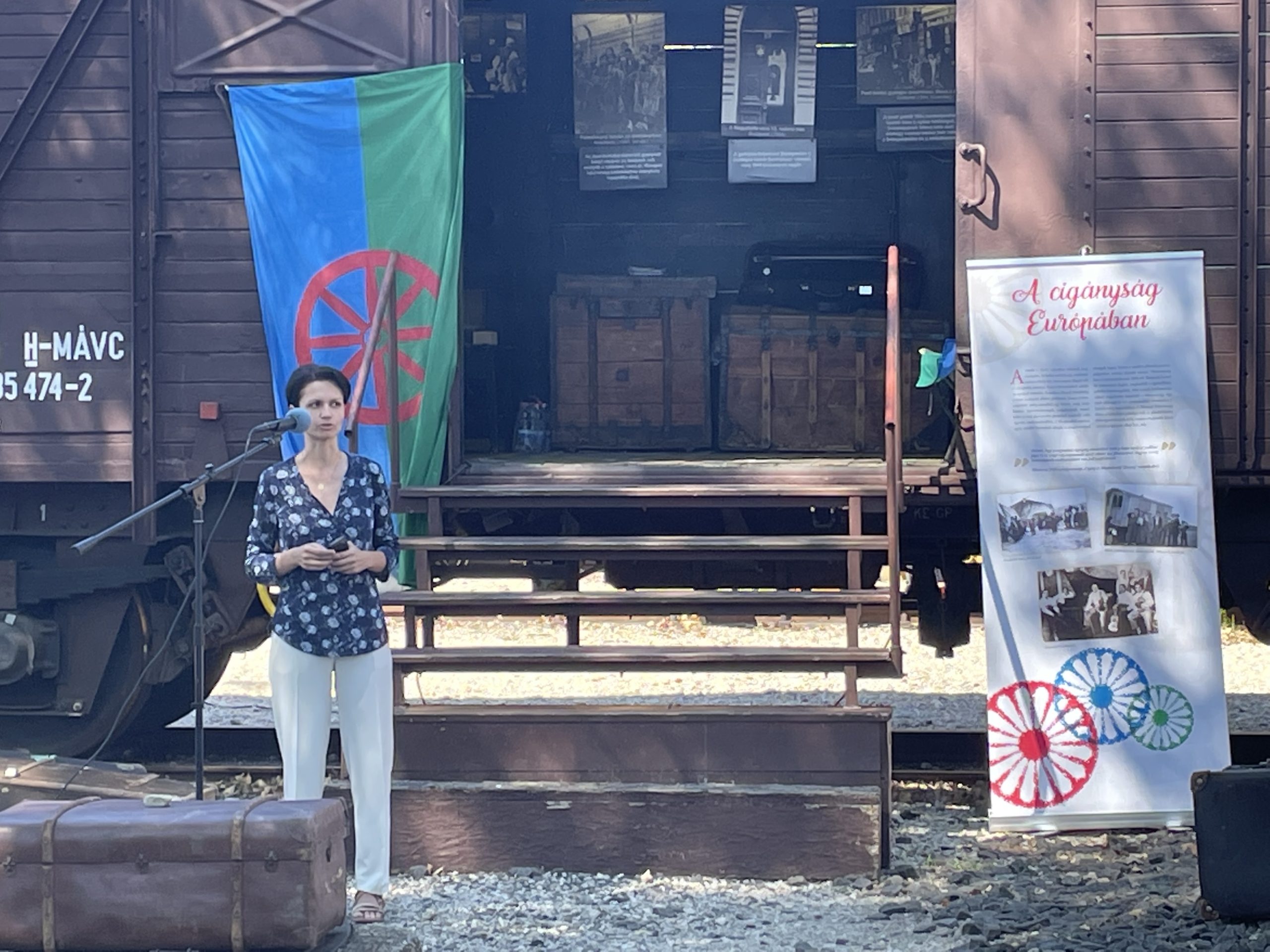
Europe’s largest ethnic minority, the Roma people – descendants of tribes from northern India who migrated to Europe in the Middle Ages – experience a great deal of discrimination and racism. In one recent survey 95 percent of Roma youth said they have observed discriminatory words, behaviors, or gestures, and more than two-thirds reported having personally been the target of such discrimination, according to Marietta Herefort, managing director of Phiren Amenca, a Roma advocacy organization with offices in Budapest and Brussels.

Roma people often face discrimination accessing housing, employment, education and other services, Herefort added, and Roma refugees from Ukraine have been treated differently than their white counterparts across Europe.


A woman standing behind a microphone in front of an old train car.

Marietta Herefort, managing director of ELCA partner Phiren Amenca, speaks at a remembrance for Roma victims of the Holocaust, August 2, 2022 in Budapest.

“It’s a justice issue”

Thousands of Roma people are among the roughly 7 million who have fled Ukraine since the war began in February 2022, but many report that the reception in neighboring countries has been far from warm. In Hungary, ELCA works with Phiren Amenca and the Evangelical Lutheran Church in Hungary (ELCH) to ensure that Roma refugees are treated with the same dignity as others arriving from Ukraine.

It’s a justice issue,” says the Rev. Rachel Eskesen, ELCA area desk director for Europe. “Anti-gypsyism, discrimination against Roma communities and individuals, remains a prevalent form of racism across Europe.”

Attila Meszaros, coordinator of the ELCH refugee response, says before the war, the church might help about 300 refugees per year. That number has more than tripled as refugees poured across the border from Ukraine, he says, and about 90 percent of those served by the church are Roma people who have had difficulty accessing services elsewhere. With support from the ELCA, they have hired additional staff to manage the increased caseload, including a social worker who is herself Ukrainian and can assist when there is a language barrier. The church helps families with rent, groceries and assistance in finding employment, and each social worker is usually in touch with about 50 families per day.

One mother of three burst into tears when she received a grocery voucher, Meszaros said. The family had lived underground for a month in Ukraine subsisting on packaged food. She rushed out to buy fresh fruits and vegetables for her children.


Serving Roma People

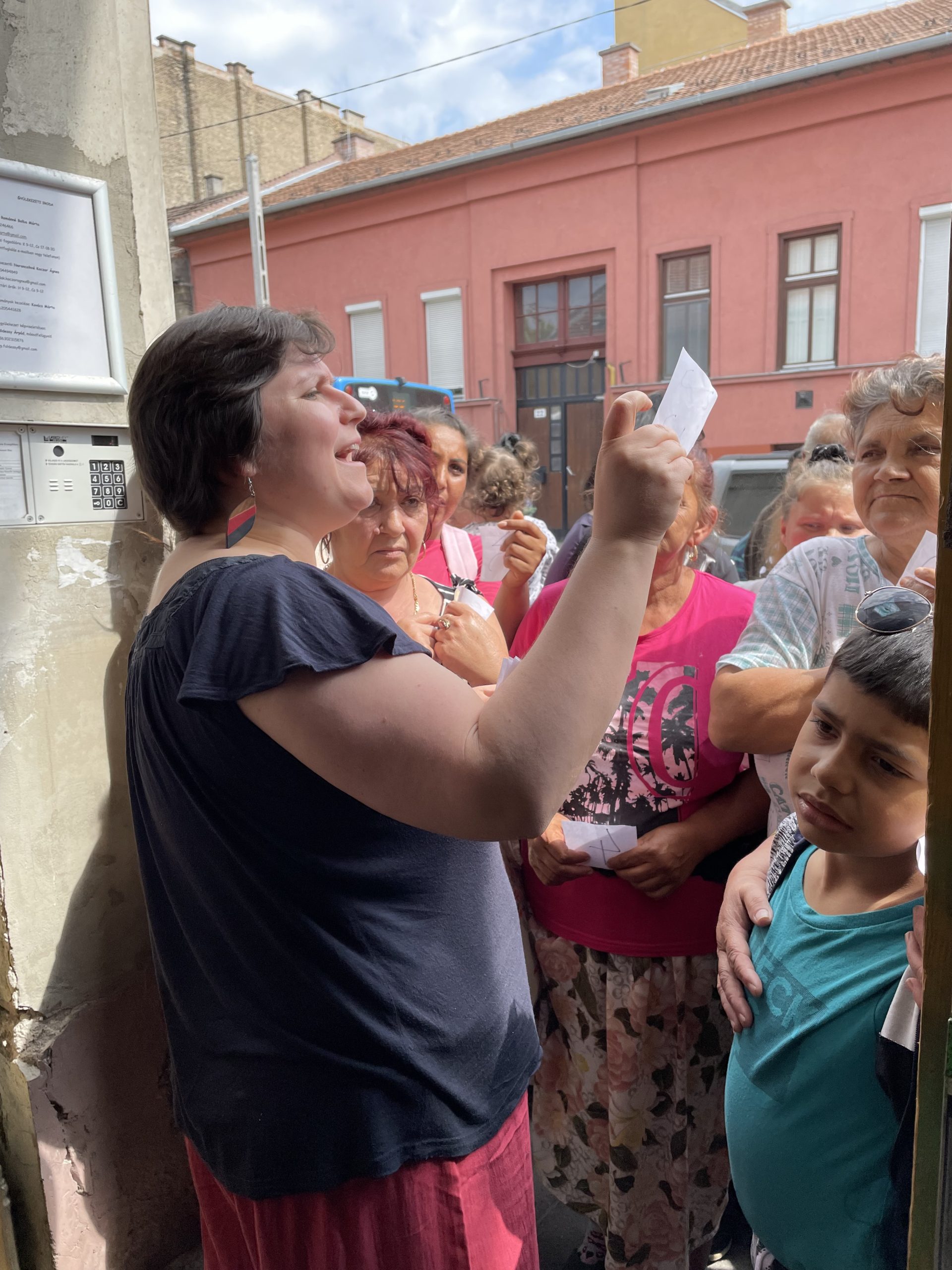
A woman on the left of the photo, holding a piece of paper and speaking to a crowd.

Rev. Márta Bolba, pastor of Mandak House in Budapest, Hungary, speaks to a crowd gathered outside the church for donated food and clothing

Ministry to Roma people is not new for the ELCH. Mandak House, a Lutheran congregation and social ministry in Budapest led by Pastor Márta Bolba, has a longstanding program donating food, clothing and other necessities to the most vulnerable as well as a long history of advocating for equal treatment of Roma people. In fact, Bolba said, they recently relocated the donation center to another site as the ministry had outgrown the space at the church.

While Phiren Amenca did not have previous experience in refugee assistance, Herefort said they quickly found a way to respond to the growing need as neighbors from Ukraine began arriving in Hungary last spring. Working in partnership with other organizations serving the Roma population, they delivered food, toiletries, cleaning supplies and clothing to refugee centers and transit shelters along the border, organized donation drives in 30 municipalities, and assisted families with navigating the process to register for asylum in Hungary. They even housed a family for a time in their Budapest office, until the family could find a more permanent situation.

“Anti-gypsyism is very high,” she said, referring to the slur often used against the Roma people. “They are rejected because they are Roma, and for Ukrainian Roma it’s even worse because they often have big families with lots of kids,” so it’s even more difficult to find suitable accommodations.  “Even if they are earning money they often are not able to set up a normal life because they are rejected in many ways.”

“Racism—a mix of power, privilege, and prejudice—is sin, violation of God’s intention for humanity,” wrote the authors of the ELCA’s social statement on race, ethnicity and culture. “The resulting racial, ethnic, or cultural barriers deny the truth that all people are God’s creatures and, therefore, persons of dignity.”

In simpler words, the American civil rights leader Fannie Lou Hamer famously stated, “no one is truly free until everyone is free.” As we continue the work of dismantling embedded racism in our own culture, facing and confessing our own sins, so too we walk alongside our European colleagues and our Roma brothers and sisters who struggle for equal treatment and equal rights.


Emily Sollie is a freelance writer, editor and communications consultant. She lives in Washington, D.C. with her husband and 4-year old son, and is a member of Lutheran Church of the Reformation. 

A Therapeutic Camp for Ukrainian Children in Slovakia

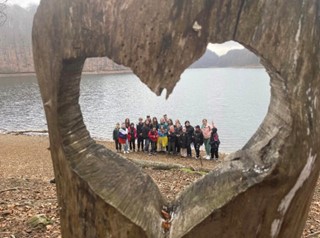
When the war in Ukraine started, and thousands of refugees were crossing the border, Lucia Martonová and Jana Tabačková from the Ecumenical Pastoral Service Centre and Evangelical Church of Augsburg Confession in Slovakia, and Marika Géciová from the Reformed Mission and Diakonia met at the Slovak-Ukrainian border. They decided to help the most vulnerable people affected by the war and created the project “You Are In My Heart.” They organized a children’s therapeutic camp for 16 children from Ukraine aged 8 to 14 years who lost one or both of their parents in the war. The camp took place in Zemplínska Šírava, a lake close to the border of Ukraine.


Trust in God

Camp leaders, with psychologists and interpreters, prepared introductory games for the children on the first day. On the second day, the campers went on a short trip to Michalovce, where they visited an observatory and attended a police horse demonstration. In the afternoon, the campers enjoyed their time together at the swimming pool in the hotel. Mrs. Masha Rudincová, a Slovak artist and designer, showed the children how to work with the technique of wet felting. Children, with her help, created various colorful and unique pictures.

In the evening, children listened to a Bible story about the healing of the paralyzed. “Don’t be afraid; just believe.” Jesus’s words from the story about the storm at sea were the ones the leaders tried to instill into the hearts of the children. They encouraged the children to trust these particular words of Jesus through all circumstances.

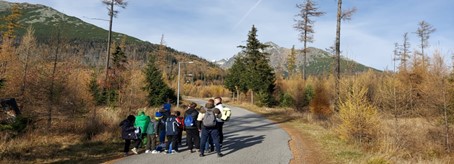
Even though there was a fog in eastern Slovakia, the group trusted in God and, without fear, set out on a trip to the Tatra Mountains. They were amazed and encouraged when the sun and perfect hiking weather welcomed them. The group explored the highest waterfall in Slovakia and visited Tricklandia, the Museum of Illusions.

The love of Jesus

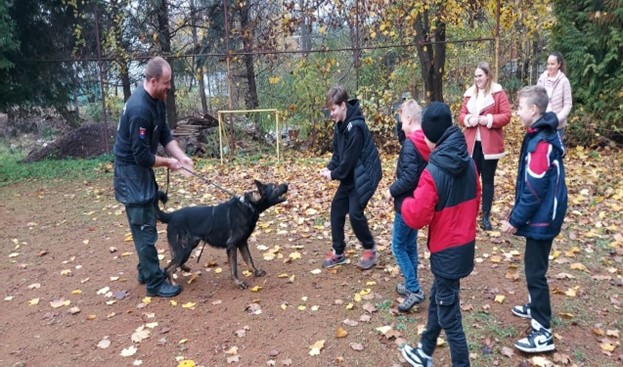
The next day, the campers stayed near Chemes Wellness Hotel. They met with police dog trainers, took rides on the quad bikes with border policemen, and took a trip to the lake. The children crafted cherubs and Christmas ceramic decorations in the afternoon with Mrs. Rudincová.

During the evening program, children listened to a story of the healing of a man at the lake in Bethesda. They learned that even if everyone left them and forgot about them, the Lord Jesus is always with them.

The children went to the city of Košice on Friday. They saw the police officers and firefighters, toured the city center, visited the St. Elizabeth Cathedral and explored the Technical Museum. The evening program continued with the storytelling of Zacchaeus. Leaders emphasized that the children, although they are all unique and have their own sorrows and mistakes, are accepted by Jesus Christ and he loves them just as they are.


“You are in my heart”

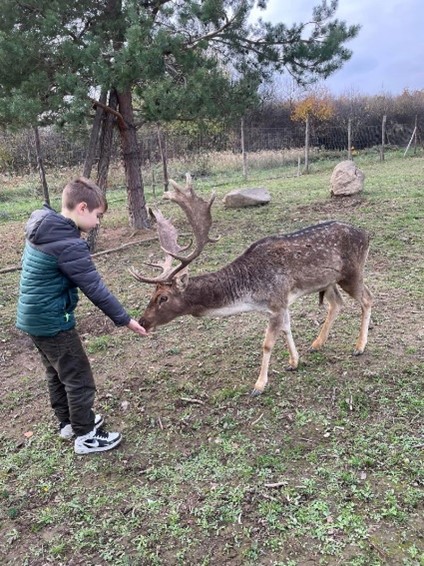
On the last day of camp, the children visited Morské oko – the largest lake in the Vihorlat Mountains. They visited a small family farm where they had the opportunity to see and feed spotted fallow deer. The contact with nature was a great experience for the children. A typical swim followed the afternoon in the hotel pool. The evening program was a big farewell party with the entire camp, and included a great cake at the end. The children received little presents as a memory of the camp, like t-shirts with the program logo and a magnet with a group photo.

All the shared experiences and photos highlight that the timid little children with great sadness and pain in their eyes become CHILDREN again! Children to whom the organizers wanted to return joy and childhood to their lives, at least for a while.


“Do not fear, for I am with you”

On Sunday morning, they went to chapel at the nearby Vinian Castle. Together, they thanked God for the whole week and summarized everything they had experienced and learned.

Police chaplain Janka Tabačková sent them on their way home with these words of a blessing:

We have come here to this place to give thanks for the whole week that we were spent together, that we were able to survive it in good health, and you know that it is not easy to survive. During our week together, we learned more about what the Lord God is doing for us. We opened our arms all week and said  “Stay with us, don‘t be afraid because you are safe here. We said the Lord God is taking care of us, just as he multiplied the fish and the loaves; God will take care of you so that you will have everything you need. Trust Him.” He cares for you. The Lord God puts people in our lives who will care for us, protect us, bring us closer to Jesus. You have friends in Ukraine, and also here in Slovakia. It is good that we know each other, that we are your friends and will do everything you need. Earlier, when we released the balloons into the sky, we wrote our names on them and the names of those we cared about. We could release the balloons with our names because the Lord sacrificed himself for us. He hears and understands. We are in his heart. He died for us, and He laid down His life for everyone. And no one else in the world has done that. We also want to send you home with God’s word from Isaiah 41: “Do not fear, for I am with you, do not be afraid, for I am you God; I will strengthen you, I will help you, I will uphold you with my victorious right hand. Yes, all who are incensed against you shall be ashamed and disgraced; those who strive against you shall be as nothing and shall perish. You shall seek those who contend with you, but you shall not find them; those who war against you shall be as nothing at all. For I, the Lord your God, hold your right hand; it is I who say to you. Do not fear, I will help you.”

After the blessing and singing of songs, the group returned to the hotel. Then, already packed with many gifts and memories, they started their return journey home to their families, but to a country still in war, chaos, and turmoil. They all hope that they have not seen the last of each other and will be able to continue to meet.


Andrej Kuruc is the ELCA Emergency Response Coordinator for Central and Eastern Europe.

European fuel shortage: Refugees and hosts face a challenging winter

“Energy blackmail”

The European Union is a world leader when it comes to replacing fossil fuels with renewable energy. The World Economic Forum reported early in 2022 that the EU had “passed another milestone in the race towards a zero-carbon future,” sourcing 22 percent of its energy from renewables in 2020 – ahead of the 20% target the bloc had set in 2009.

But that won’t be enough to keep Europe warm this winter, as a fuel crisis the likes of which hasn’t been seen since World War II grips the continent.

Officials have warned of potential rolling blackouts, manufacturing disruptions and economic fallout from the natural gas shortage, a direct consequence of the war in Ukraine. Prior to the war, Russia supplied around 40 percent of the natural gas used to heat European homes, businesses and houses of worship. In response to Western sanctions, Russia has severely slowed delivery of natural gas to the continent in a move some have called “energy blackmail.”

The Russian supply of natural gas to Europe has fallen nearly 90 percent since this time last year. The shortage, coupled with inflation, rising costs for electricity, and a shortage of hydroelectric power due to drought, creates something of a perfect storm as temperatures fall and demand rises. There have even been reports of people hoarding wood to burn for warmth.


The church prays for warmth

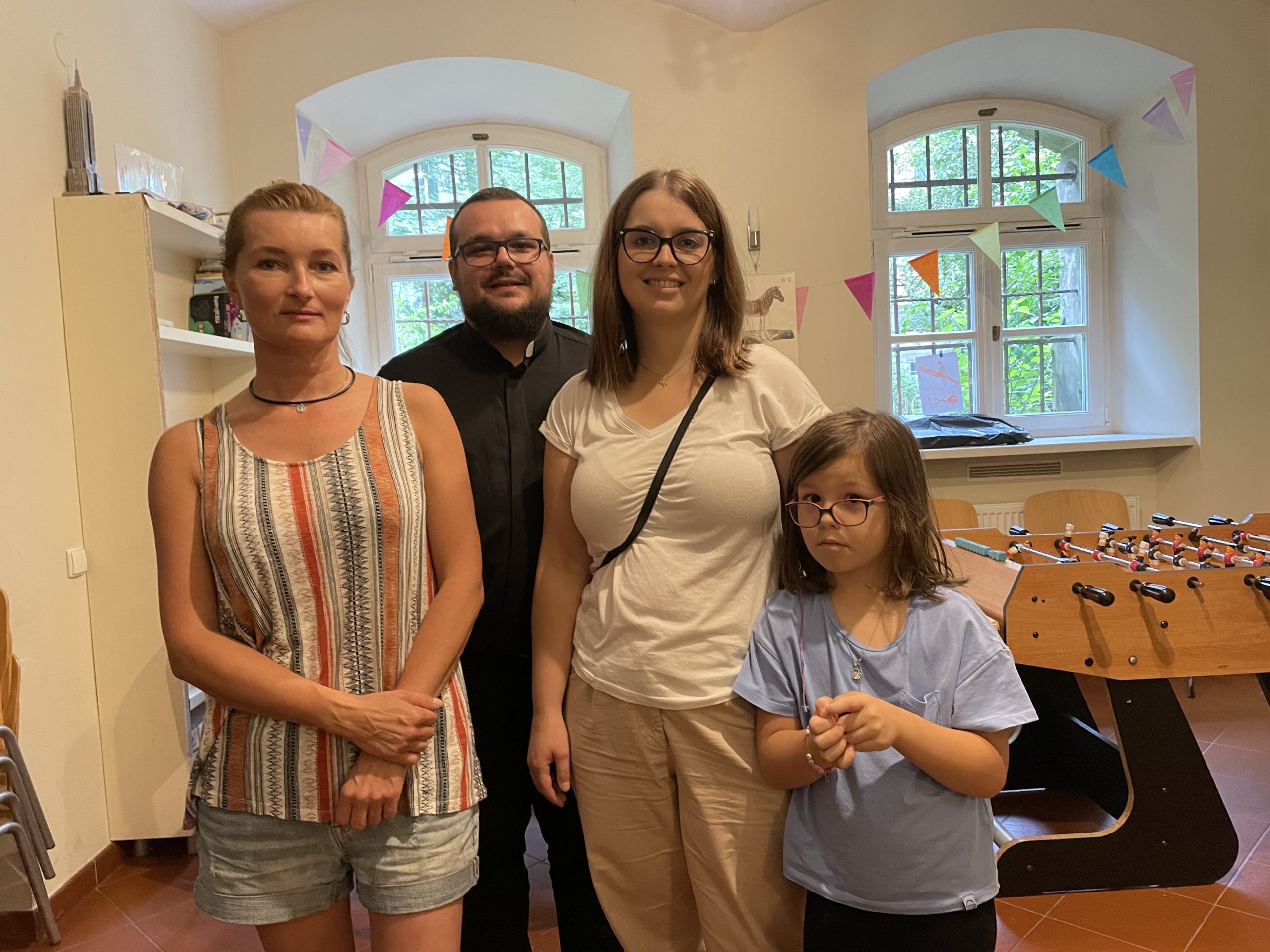
Pastor Lukasz Ostruszka and his family with Svetlana (left), one of the refugees from Ukraine who is staying in the Lutheran parish in Krakow.

For churches and others hosting refugees from Ukraine – some 7 million have left the country to find safety elsewhere in Europe – the impact will be compounded. In Krakow, Poland, for example, a Lutheran congregation has had a dozen families living in its parish hall for more than six months. Their utilities costs had already increased significantly due to the additional use of water, electricity and natural gas. Pastor Lukasz Ostruszka says he’s praying for a warm winter.

“Our government says everything will be okay, we will have gas, we have a plan,” he says. He laughs a bit. “They don’t have gas. They don’t have a plan. Warm winter, that’s the only hope.” Pr. Lukasz says he tries not to worry about it, though, since he has so many other things to worry about. “I hope God will help us,” he says.

“It will be a big problem,” says the Rev. Marta Bolba, pastor of Mandak House, a Lutheran congregation in Budapest, Hungary. “They’re saying the bills for heating will be seven times higher than normal. It’s not a poor people’s problem, it’s really the whole society; how can we pay our own bills?”


A sustainable future

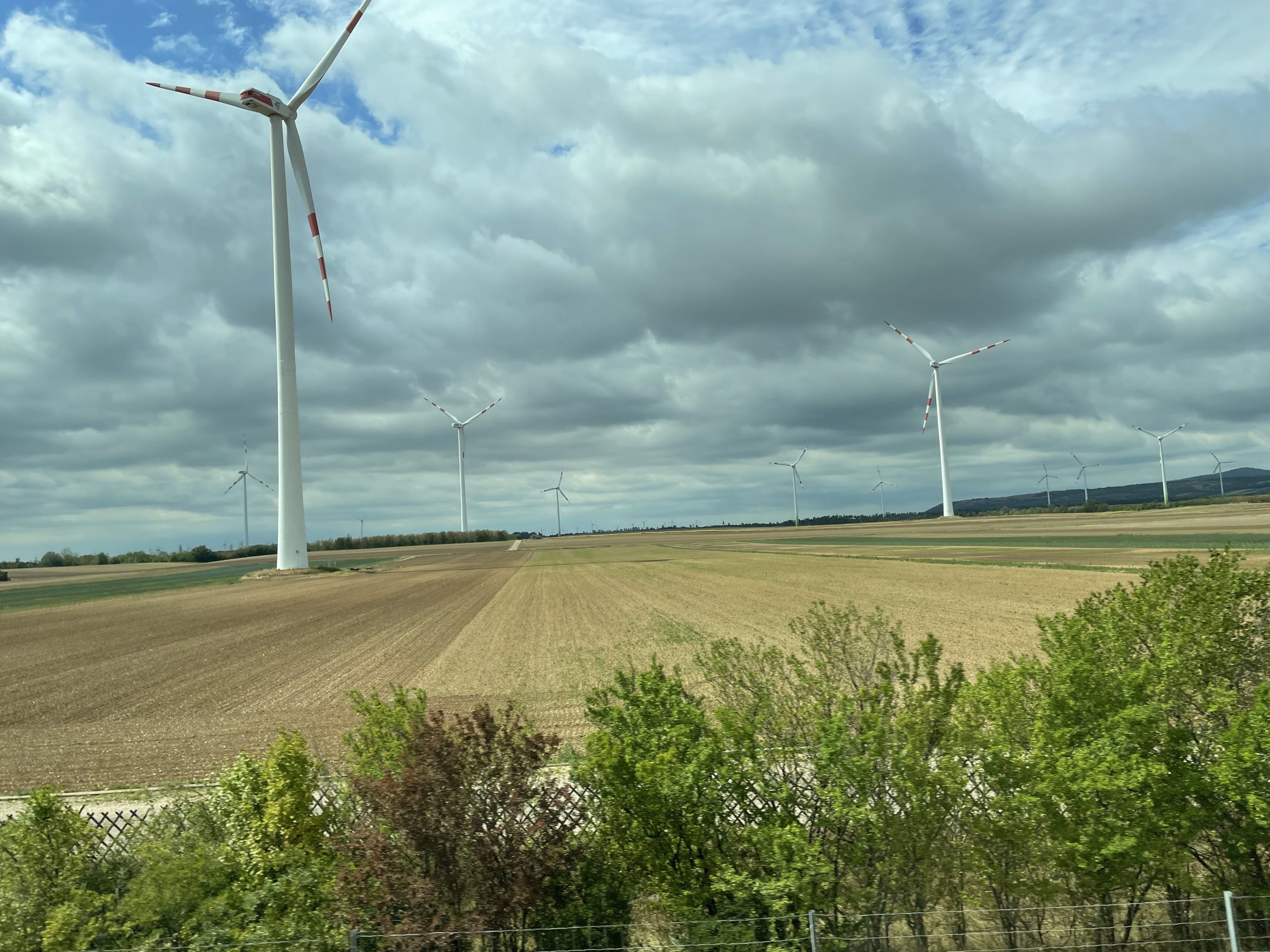
Wind turbines in a field

Wind turbines in Slovakia.

European leaders met in early October to begin discussing possible mitigation strategies and will meet again later this month.

The crisis, says the United Nations, “underscores the urgency of transitioning away from fossil fuels.”

“As long as energy security is tied to oil and gas, it will remain susceptible to market volatility and price shocks,” says a recent report from UN Women. “And the role of fossil fuels in agricultural production and distribution—for example, natural gas’s role in the production of nitrogen-based fertilizers—means that oil price shocks also drive increased volatility in food prices.” This means it’s not just the Europeans trying to stay warm through the winter months who are suffering the consequences of the shortage. Its effects are being felt around the world, most acutely in the poorest nations.

While this church would welcome an increased sense of urgency globally to break our collective reliance on fossil fuels, we also recognize that such a change won’t come quickly. As we pray for, and work toward, a more sustainable future, we walk alongside our partners in Europe as they face a difficult winter.


Emily Sollie is a freelance writer, editor and communications consultant. She lives in Washington, D.C. with her husband and 4-year old son, and is a member of Lutheran Church of the Reformation. 

Eastern Europe Partner Spotlight: L’Arche

As Russian forces advanced on his town in Ukraine’s heavily contested Donbass region, a group of friends helped to save Igor Gusev’s life.

Born with cerebral palsy, Igor has lived independently with some limited support and the companionship of a beloved black cat. His community shunned him, but for the efforts of his few friends.

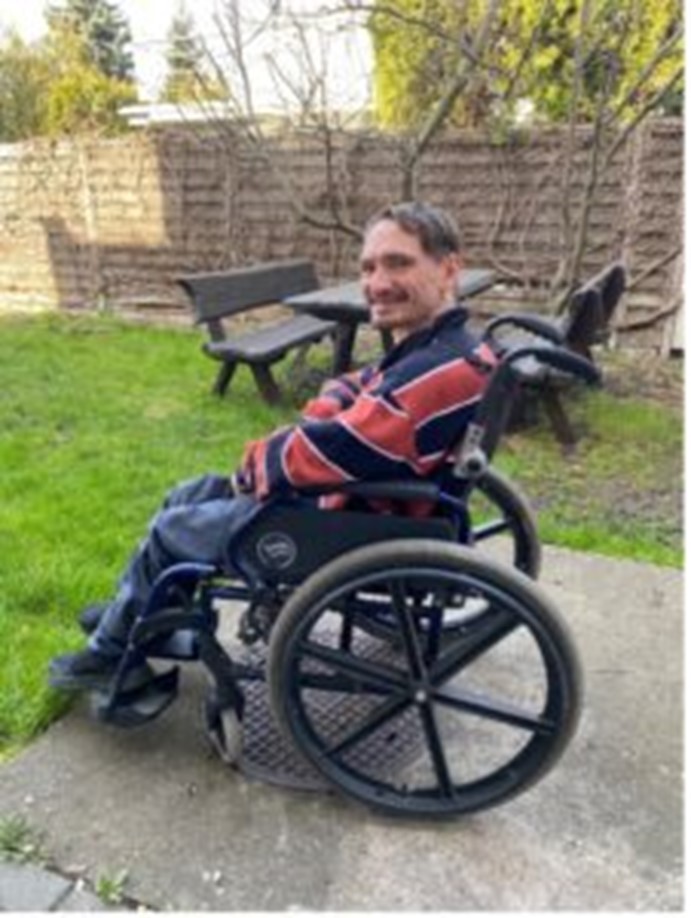
A photo of Igor Gusez in his wheelchair in a garden.

Igor Gusev fled Ukraine after the invasion by Russia and is now living in Poland.

As bombing and violence approached his home, Igor’s friends packed him and just a bit of luggage into a car and headed west.

While Igor sadly had to leave his pet behind, he found new friends – and support – in the L’Arche community in Poznan, Poland. The Polish L’Arche communities have rapidly transformed themselves into a network of emergency care for people living with disabilities and their caregivers.

Igor’s disability is physical, but he appreciates the care he receives for the soul, too. “In L’Arche I met sincere love, peace…and respect,” Igor said.

For most of his life, he has moved independently by crawling on his four limbs. His fully functioning left hand allows him to dress himself or hold a cup of coffee. Escaping a war, however, proved far more difficult to achieve independently. L’Arche’s nearly six decades of experience indicate that people like Igor have a greater challenge fleeing disasters like war, and finding access to services.

A volunteer organization in Poland came across Igor and, once understanding his needs, asked if L’Arche could help. L’Arche was able to find a place for Igor even as L’Arche Poland’s communities filled with refugees. He likes to live as independently as possible, but he reluctantly asked his new L’Arche friends for help moving around a house not fully adapted for someone in a wheelchair. L’Arche is making sure Igor and many others get needed care.

L’Arche’s two communities in Ukraine have also been helping people fleeing war have a safe space to land and, in many cases, to continue to nearby countries hosting refugees. In Lithuania and Poland, the communities have also opened their doors, with even staff and volunteers hosting guests from Ukraine in their homes.

L’Arche communities in Poland have joined other local organizations to craft a tapestry of services aimed at supporting people with disabilities and their caregivers.

“In [the] Wroclaw community we have created a day-care place where every mother who needs at least a few hours of respite will be able to safely leave her child and take care of other urgent matters for her own and their good,” L’Arche Poland National Leader Agnieszka Karolak said.

You can find out more about the work of L’Arche around the world on their website.


Your gifts to Eastern Europe Crisis Response are supporting partners like L’Arche in eight countries, including Ukraine. Thank you!