Skip to content
ELCA Blogs

Lutheran Disaster Response

Year-End Reflection

End of Year Reflections

By Pastor Michael Stadie

With 2016 coming to an end, like many of you, I am thinking back about this past year especially in terms of the disasters that impacted the United States. As I do, the word that I would use to describe this year’s disasters is “Forgotten.”

After every disaster, there comes a time when the disaster falls off the radar of most folks, especially on the major media outlets. But this year, the time between when the disaster struck and the time it is forgotten seems to have been especially short.

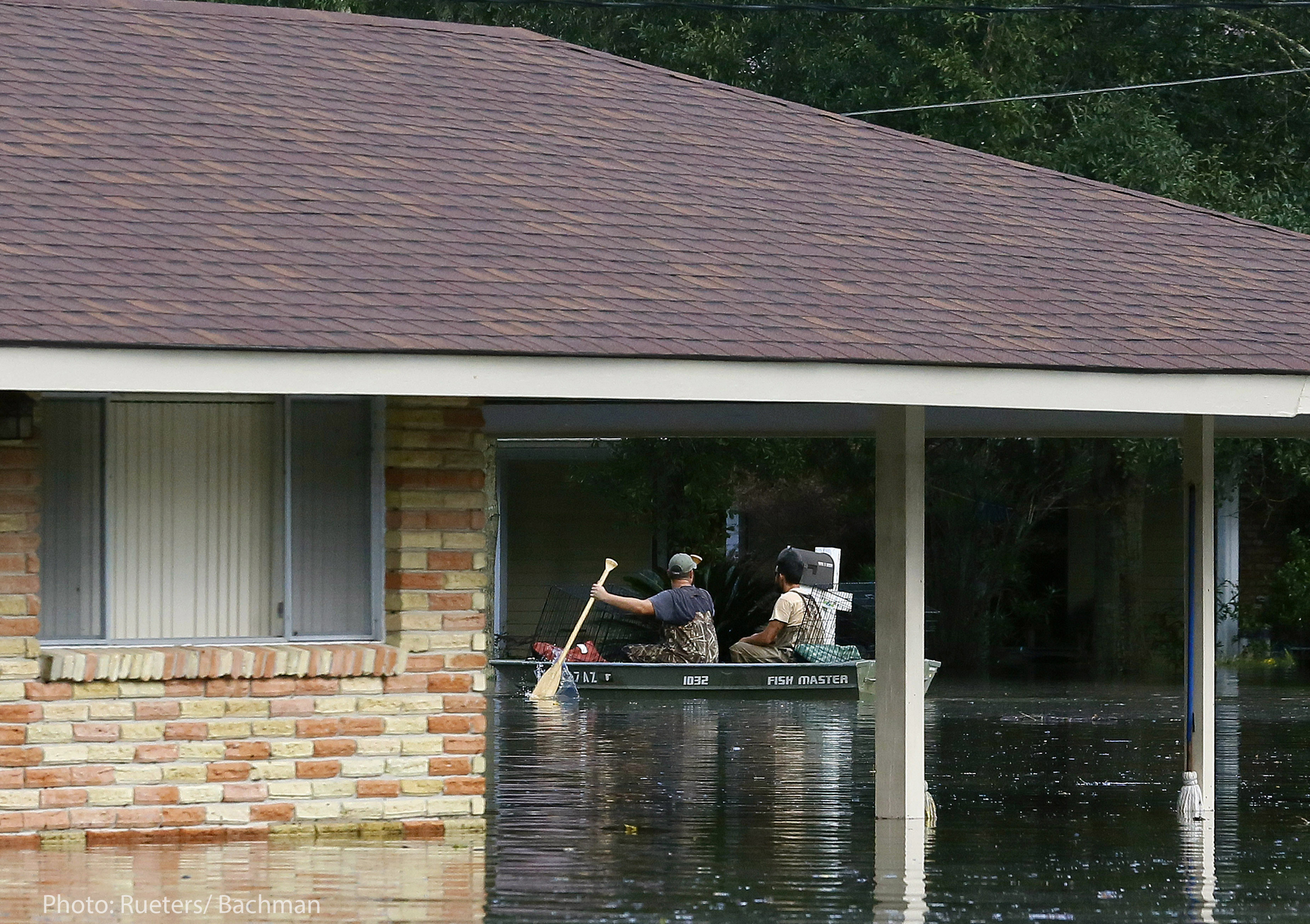
Do you remember the flooding in Louisiana, both the March and August events? What about the flooding in Texas, especially the eastern most counties? How about Hurricane Hermine impacting the west coast of Florida? Do you recall how many states were impacted by Hurricane Matthew? There are five; (Florida, Georgia, South Carolina, North Carolina and Virginia.) What about the Tennessee fires? Did you know that the number of children from Central America coming to this country was quite a bit higher than last year; or that there were more families that came from Honduras, El Salvador, and Guatemala than the number of children from those countries?

There are many reasons why this year has so many “forgotten” disasters. One reason is because there were so many disasters it is hard for folks to keep track of them—they all seem to flow together and it is hard identifying all of them. And because there has been so many disasters, there has been a lot of compassion fatigue.

Another reason why we don’t remember all the disasters of this past year is because of the NIMBY syndrome—Not In My Back Yard. While there were many disasters, and we feel compassion for those impacted, they tended to be in one part of the country so unless we were near an impacted area, it is easy to forget about them.

But most importantly, the Presidential Election tended to push every other news items to the back burner if they were even on the stove at all. It seemed like every other day, some new issue came up concerning one or the other presidential candidate that grabbed the headline. Now there were some exceptions—specifically the Tennessee fires and Hurricane Matthew’s impact in North Carolina did get several days of news coverage.

But thankfully, our network of affiliates, social ministry organizations and synods, were and remain active in responding to all the disasters, not just the ones from this year, but past disasters as well. For example, our affiliates in New York and New Jersey in 2016 are still responding to Hurricane Sandy; with Lutheran Social Ministries of New Jersey planning on working on Sandy recovery efforts through most of 2017.

I cannot forget about those impacted by a disaster even long after the event is over because I recognize a disaster is often one of the defining moments of a person’s or a family’s life. More often than not, time is measured before or after the disaster. With each disaster being so important to so many people, I just cannot forget about it and move on to the next one.

So next year, and in the years to come, please keep an eye on the news, specifically for the reports of disasters both large and small. And when you hear of a disaster, either on the news or through one of our social media outlets, please remember to pray for those impacted as well as those responding. Not just at the time, but for years to come.


May Emmanuel, God with us, be with all those impacted by a disaster whenever and wherever they may occur. Tweet:


Pastor Michael Stadie is the Program Director for Lutheran Disaster Response – U.S.


Be a part of the response:

Pray

Continue to pray for all affected by disasters, may God’s healing presence comfort them in their time of need.

Give

Thanks to generous, undesignated donations, Lutheran Disaster response is able to respond quickly and effectively to disasters around the globe. Your gifts to Lutheran Disaster Response will be used where there is the greatest need.

Connect

To learn more about global migration and what Lutheran Disaster Response is doing:

  • Like Lutheran Disaster Response on Facebook.
  • Follow us on Twitter.
  • Visit our website at LDR.org
  • Sign up to receive Lutheran Disaster Response alerts

Hurricane Matthew: A Day of Rest

In early October, many of us watched as Hurricane Matthew devastated the Caribbean and powered its way towards the U.S. Florida, Georgia, and the Carolinas braced themselves as Matthew moved in their direction.

After the hurricane dispelled and rivers receded, thousands of people, still reeling from the impact, were left with the work of putting their lives back together. Even now, across all affected U.S. states and internationally, people are still in the early stages of relief: living in hotels, mucking out homes, etc.

Lutheran Disaster Response, in partnership with its affiliate social ministry organizations, local synods and congregations, are present on the ground working in these communities.

In Georgia, 10 Lutheran Congregations in the Savannah area (listed below) heard about a community that had been severely affected by the hurricane. Pastor Jim Nelson of Holy Spirit Lutheran in Savannah, GA said, “We came together and discussed what we could do, as Lutherans, to help this community.”

“We’re in it for the long haul. Whatever we do, we’ll do it together.” Tweet: “We’re in it for the long haul. Whatever we do, we’ll do it together.”

The community, located on the west side of Savannah, already faced many poverty-related challenges.  About 100 households of the apartment complex were impacted by the flooding. Some residents evacuated at the news of the Hurricane and found their belongings completely ruined when they returned. Others stayed in their homes and watched as the flood waters entered their homes; they saved what they could from the flood waters but not much was left.hurricanematthewGA_1

On October 29th, in coordination with the County Commissioner and the local Red Cross, members of these congregations arrived at the apartment complex to provide a Day of Rest; A break from the everyday burden of mucking out homes, to have a meal and fellowship. They brought food, clothes, flood buckets, and an inflatable bounce house for the children.

After a day of food, fun and conversation, a new relationship had been built between the congregations and the community.“We’re in it for the long haul,” Pastor Jim said. “Whatever we do, we’ll do it together.”

A Lutheran Disaster Response coordinator once said, “There are times when we are the only Bible disaster survivors see.” They went on to say, “we simply try to be the hands and feet of God, giving witness to the life giving love of Christ.” Our affiliated SMOs, synods, and congregations like the 10 in Savannah, are important to the ministry of Lutheran Disaster Response because, we are all the church, responding to disasters in the name of Christ, for the sake of our beloved community. We are thankful for their presence now and in the time to come.

Lutheran Disaster Response will continue to accompany congregations, synods, trusted partners and companion churches  that know the communities well and will walk with people on the road to recovery.


Be a part of the response:

Pray

Continue to pray for the people who have been affected by Hurricane Matthew. May God’s healing presence give them peace and hope in their time of need.

Give

We still need your help. Gifts to “Hurricane Matthew” will be used to assist those affected by the hurricane until the response is complete.

Connect: 

Stay connected to the latest events and our response to this and other disasters:

  • Like Lutheran Disaster Response on Facebook and follow @ELCALDR onTwitter.
  • Share this bulletin insert with your congregation.
  • Sign up to receive Lutheran Disaster Response alerts.
  • Check the Lutheran Disaster Response blog.

___

Participating Congregations 

Ascension Lutheran Church

Good Shepherd Lutheran Church (Garden City, GA)

Holy Spirit Lutheran Church

Jerusalem Lutheran Church (Rincon, GA)

Lord of Life (St. Simon’s Island)

Messiah Lutheran Church

Redeemer Lutheran Church

St. James Lutheran Church (Brunswick, GA)

St. John Lutheran Church(Rincon, GA)

St. Paul Lutheran Church

We Remember

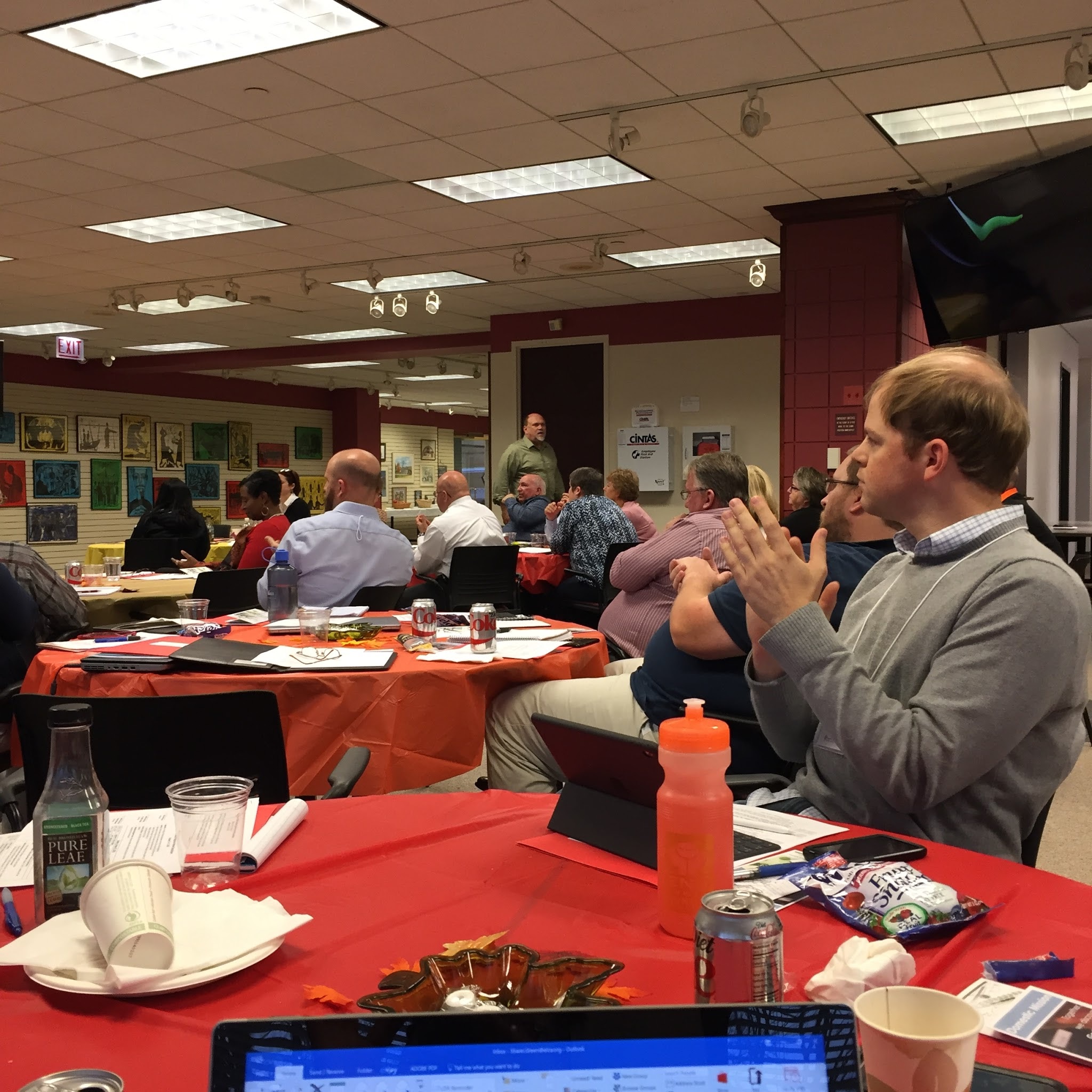
The Lutheran Disaster Response – US Consultation was last week. Our coordinators came in from around the nation to the Lutheran Center, here in Chicago, to do some collective learning and information sharing. During this time, we also made space to share stories of inspiration, of challenge and joy, and of people. In a year where there has been one of the highest concentrations of disasters in decades, this time to share with one another, was a good reminder of why we continue to do this work. It really lifted up the scripture, “Always give yourselves fully to the work of the Lord, because you know that your labor in the Lord is not in vain” (1 Corinthians 15:58).

We heard a range of stories from first times in disaster 20 years ago to being newly appointed just a few months ago. We heard stories of Katrina and Sandy. And of the many  times Lutheran Disaster Response, not only showed up, but stayed, even when it felt like everyone else had moved on and forgotten.

We are so thankful to our coordinators. They are the real heroes when disasters strike. They are the people on the ground, in the communities, figuring out what the needs are and making sure that we do everything in our power to meet them.

In wrapping up the consultation, the Reverend Michael Stadie said, “Go in peace and remember the survivors.” With the approach of All Saint’s Sunday, the Reverend Joe Chu offers this prayer.

God of Life and Hope,

On this day as we remember the saints who have gone on before us, we also remember those whose lives have been cut short because of disasters. And yet, as we lift up living saints everywhere, we also want to raise up those who have given of themselves as volunteers, donors and disaster workers to help relief and pain survivors and help them rebuild their lives. May your Blessings and Life-giving Hope be with all impacted by disasters. Hear us, O God, for your mercy is great.

Amen.

We hope that you all might share this prayer with your families, friends, and congregations this coming Sunday. If you know a survivor of disaster or an individual or group who works or volunteers in disaster, say this prayer for them.


Be a part of the response:

Pray

Please pray for the people who have lost loved ones to disaster, specifically those of Hurricane Matthew. May God’s healing presence give them peace and hope in their time of need.

Give

Gifts to “Hurricane Matthew” will be used to assist those affected by the hurricane until the response is complete.

Connect: 

Stay connected to the latest events and our response to this and other disasters:

  • Like Lutheran Disaster Response on Facebook and follow @ELCALDR onTwitter.
  • Share this bulletin insert with your congregation.
  • Sign up to receive Lutheran Disaster Response alerts.
  • Check the Lutheran Disaster Response blog.

UPDATE: Hurricane Matthew

Hurricane Matthew ripped through the Caribbean and southeastern U.S. coast, leaving hundreds of casualties, thousands of homes destroyed and millions of people displaced and without power. Lutheran Disaster Response has committed to being present internationally and here in the U.S. Learn more about the different responses:

lwf-haiti2-creditedInternational

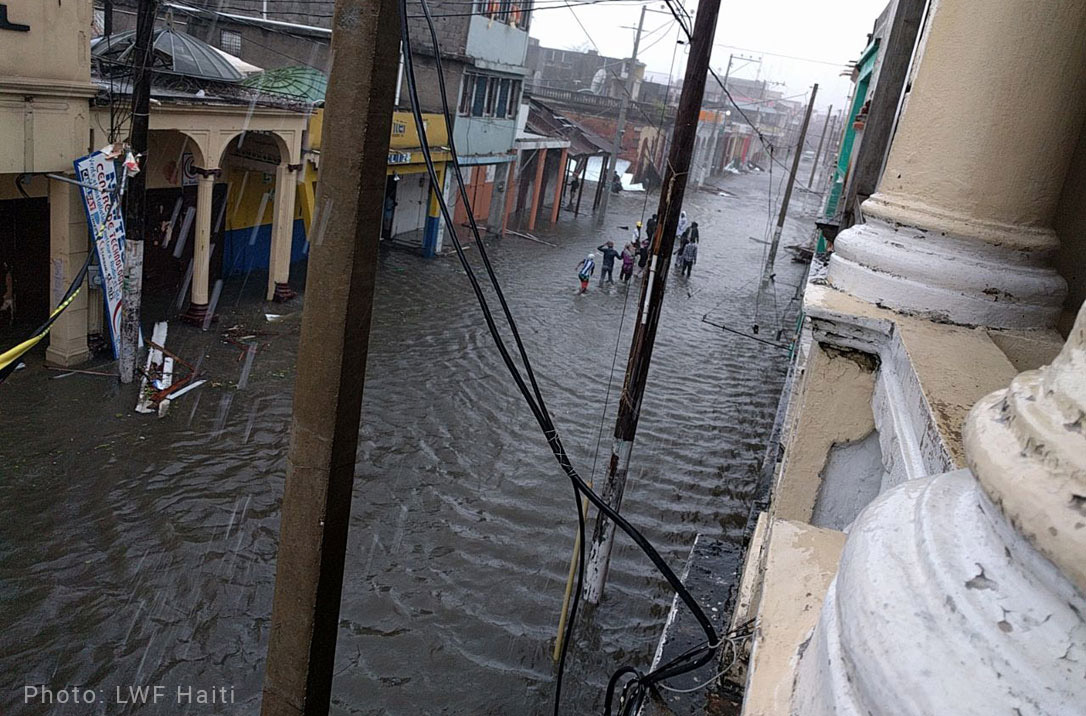
In Haiti alone, there have been 473 confirmed casualties. Many more were injured and about 75 are still reported missing. More than 2.1 million have been affected by the hurricane, with over 1.4 million in need of assistance according to a report from OCHA. Lutheran Disaster Response, through key partners on the ground, is helping to provide emergency relief, addressing the immediate needs of the most affected communities. We are also working directly with the Lutheran Church of Haiti (ELH). We will continue to accompany our companions, partners, and the people of Haiti through this emergency.

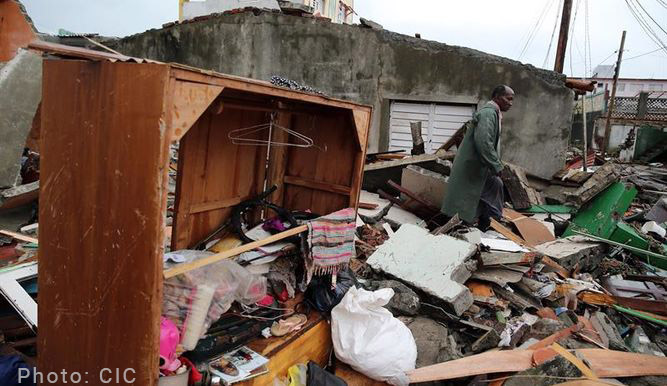
In Cuba, while there have been no reported casualties, many homes, community buildings, and roads were either destroyed or damaged. More than 176,000 people in five municipalities of Guantánamo had no communication for more than 24 hours due to the collapse of bridges, falling trees, overflowing rivers and water walls, coastal flooding and landslides. Ricardo Suarez, a resident of Baracoa, one of the worst affected areas, said “Matthew devastated this city.” Food security for the region was also compromised due to the destruction of coconut, banana and cocoa plantations, which are the main sources of livelihood in the area.

cuba1-creditedThrough our partners, the Cuban Council of Churches (CIC), we are accompanying survivors through the emergency relief phase with food distribution, water and sanitation. This is the first time that the ELCA, through the Global Mission unit, have engaged in responding to a disaster in Cuba. While the situation is unfortunate, we are thankful that this partnership is possible and we will continue to accompany the Cuban Council of Churches and the Cuban people during this time.

“God is our refuge and strength, a very present help in trouble.”

United States

Across, Florida, Georgia, and the Carolinas, Synods, have reached out to congregations. Most church buildings did not receive any major damage, though several members across all states have been affected. Our affiliated social ministry organizations worked hard to get clients evacuated and then back into their space. Early on, before and after the storm hit many ELCA congregations and other affiliate ministries were stepping in to be a resource their communities, showing what it means to be “church together.”

Before the storm reached the area, Camp Kinard in South Carolina invited anyone still needing lodging to take shelter there. Almost 40 people accepted the offer and had a safe place to wait out the storm. way. “We thank you on behalf of [our family] for helping us in this time of need,” one family said. “At the exact moment, God put you in our path when we didn’t have a place to go.”

Our work is not done. In some of the affected areas in the U.S., flood waters hadn’t started to recede until early this week, a whole 2 weeks after the onset of the event. On the ground, in all of the affected states, synods and congregations, affiliate-organizations, and Lutheran Disaster Response coordinators continue to collaborate with local community leaders, civic organizations, ecumenical partners and officials to do initial damage assessments and plan proper responses.

Lutheran Disaster Response will continue to accompany congregations, synods, trusted partners and companion churches  that know the communities well and will walk with people on the road to recovery.

Be a part of the response:

Pray

Please pray for the people who have been affected and are in the path of Hurricane Matthew. May God’s healing presence give them peace and hope in their time of need.

Give

Gifts to “Hurricane Matthew” will be used to assist those affected by the hurricane until the response is complete.

Connect: 

Stay connected to the latest events and our response to this and other disasters:

  • Like Lutheran Disaster Response on Facebook and follow @ELCALDR onTwitter.
  • Share this bulletin insert with your congregation.
  • Sign up to receive Lutheran Disaster Response alerts.
  • Check the Lutheran Disaster Response blog.

1 Year Later: South Carolina Flooding

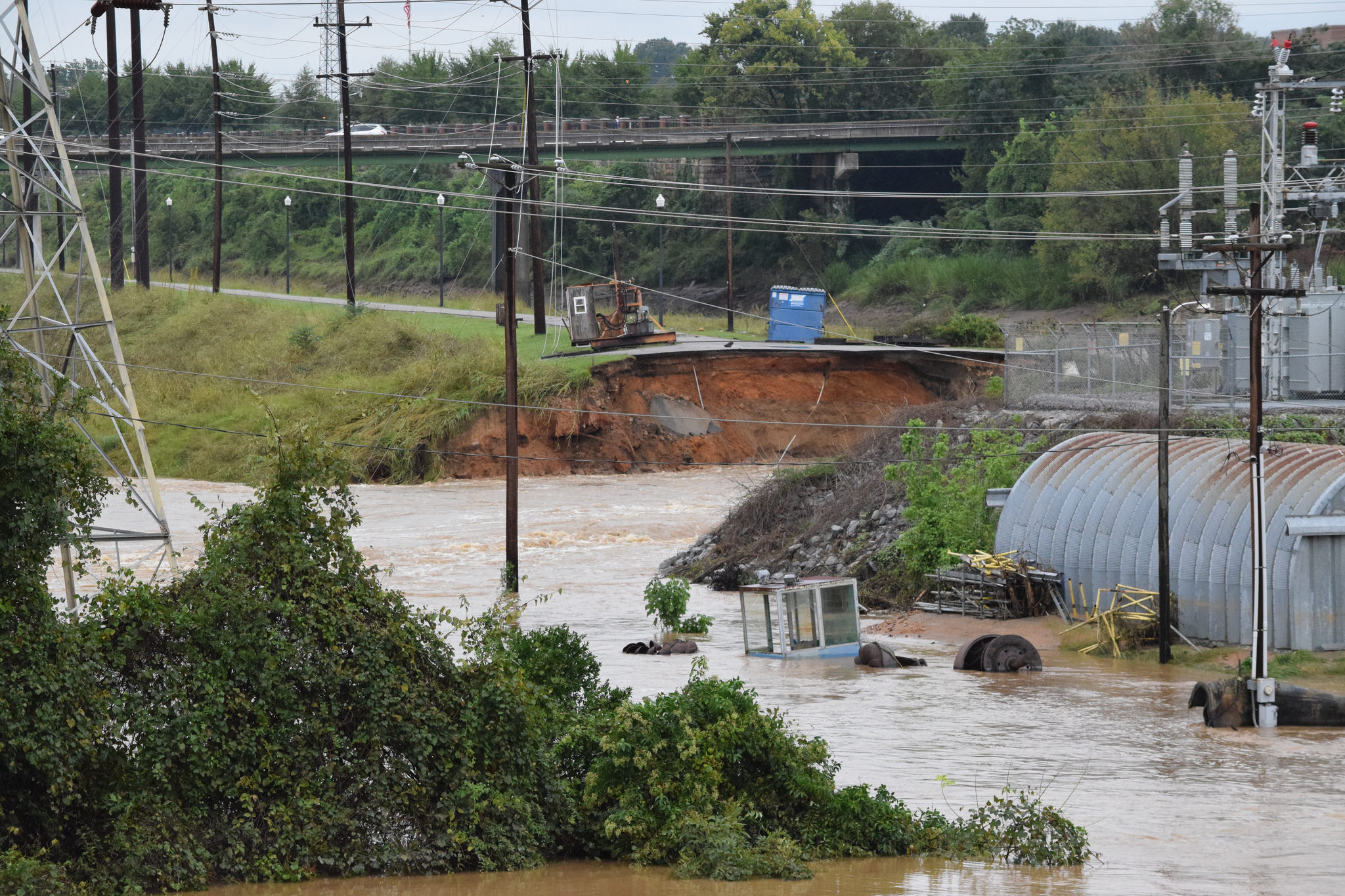
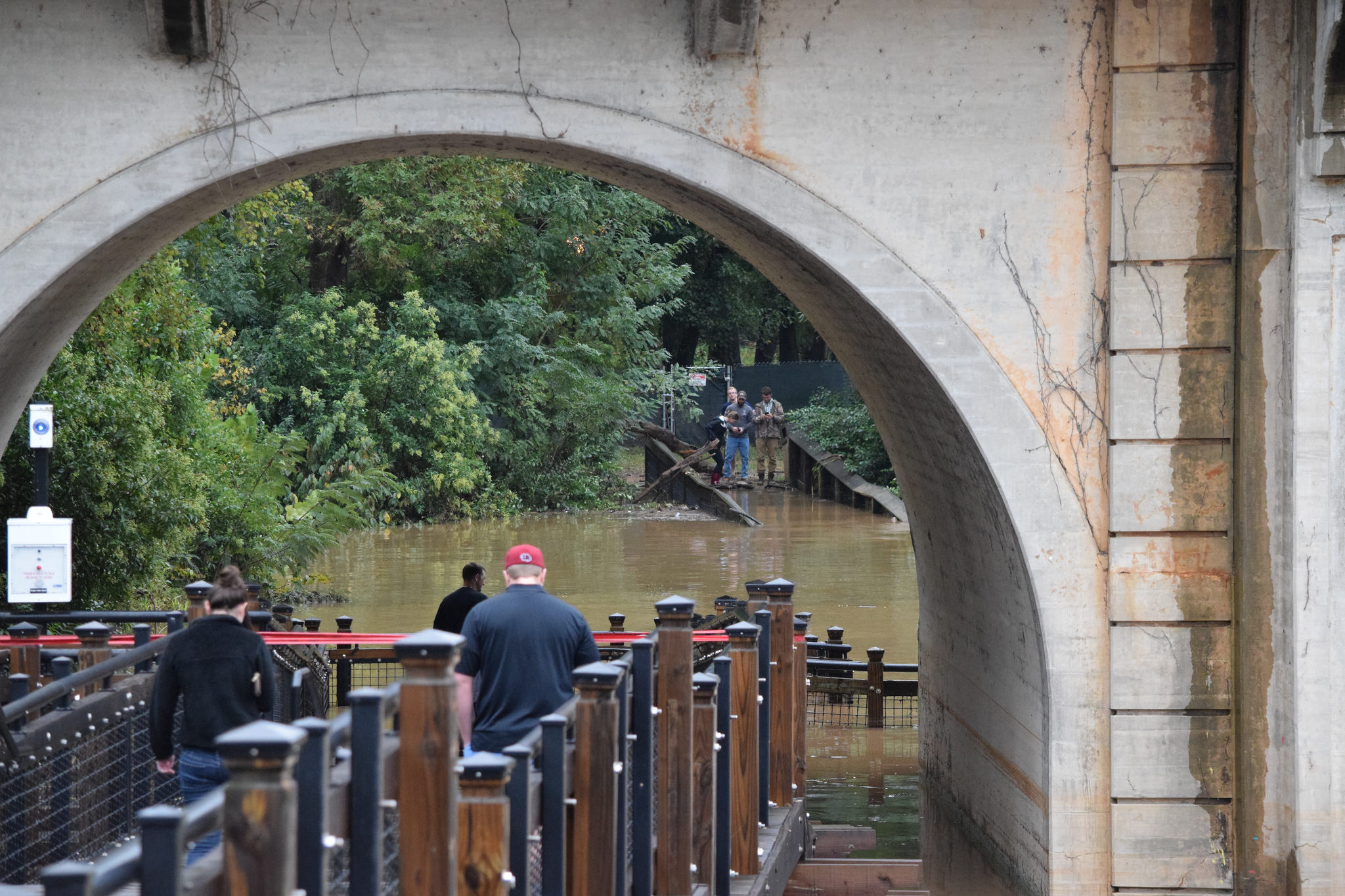
On October 4, 2015, The Carolinas were struck with catastrophic rainfall that shattered records and left unprecedented scenes of flooding in its wake. The hardest-hit areas stretched from Columbia, in the middle of South Carolina, all the way to the coast. The flooding led  to several casualties, tens of thousands left without power, major highway and interstate closings, and many homes completely destroyed.

Pastor Joseph Chu, Associate Program Director, Lutheran Disaster Response – US, reflects on hearing the news and the church’s initial response.

22022316036_c9afba4d06_kOctober 4th, a year ago, was a Sunday. I remember receiving a call in the afternoon from our disaster coordinator, George Knox of Lutheran Services Carolinas (LSC) in Columbia, S.C. telling me that “…there is water everywhere in South Carolina.” Soon we learned that the deadly rain that had taken nearly 20 lives and devastated more than 20 counties was a 1 in 1,000 year event. The first week in October is the time of the Conference of the Bishops here at ELCA Churchwide organization in Chicago. On Monday, October 5, we took the opportunity to reach out to the bishop of the North Carolina Synod and South Carolina Synod, respectively. Fortunately, the impacts on North Carolina were not significant but South Carolina was literally under water.

Leaders of the South Carolina Synod, together with many ELCA congregations in the state, did an enormous job in being CHURCH in times of disaster. They provided emotional and spiritual care to survivors through special worship services and being present among those impacted. A number of churches became relief centers for flood survivors who have experienced enormous losses to receive drinking water and other necessary daily supplies. Our members and pastors also formed teams to deliver relief supplies to impacted communities that were isolated.

We knew from the very beginning the response rto this 1,000 year flood would be a multi-year endeavor. For many survivors, particularly the most disadvantaged residents, the flood added an additional layer of hardship to their lives. and their road to their “new normal” would take a long time.

From the beginning, we have been working very closely with LSC to plan the proper response. Consistent with the long term recovery focus of Lutheran Disaster Response, LSC is currently implementing a disaster case management program with professional disaster case managers serving the most vulnerable population in both Lexington and Richland Counties.

21861530269_18b7913eb6_kOn the anniversary of the event, the South Carolina Synod released a video where they presented LSC with a check for $65,089.88. These dollars were the remaining balance of what was so graciously shared with the synod during the days and weeks right after the 2015 flood event. These funds were given to LSC to be used to meet the needs of the people of South Carolina who have experienced flood damage but find themselves in the gap between insurance coverage and government assistance. Lutheran Disaster Response Coordinator, George Knox of LSC, said, “It feels good to know that if we can’t connect someone with the resources they need, we may be able to provide it, and make their recovery just a little bit easier.”

The road to recovery will be long for those in South Carolina but, Lutheran Disaster Response will continue to accompany survivors, bringing God’s hope, healing and renewal to people whose lives have been disrupted.


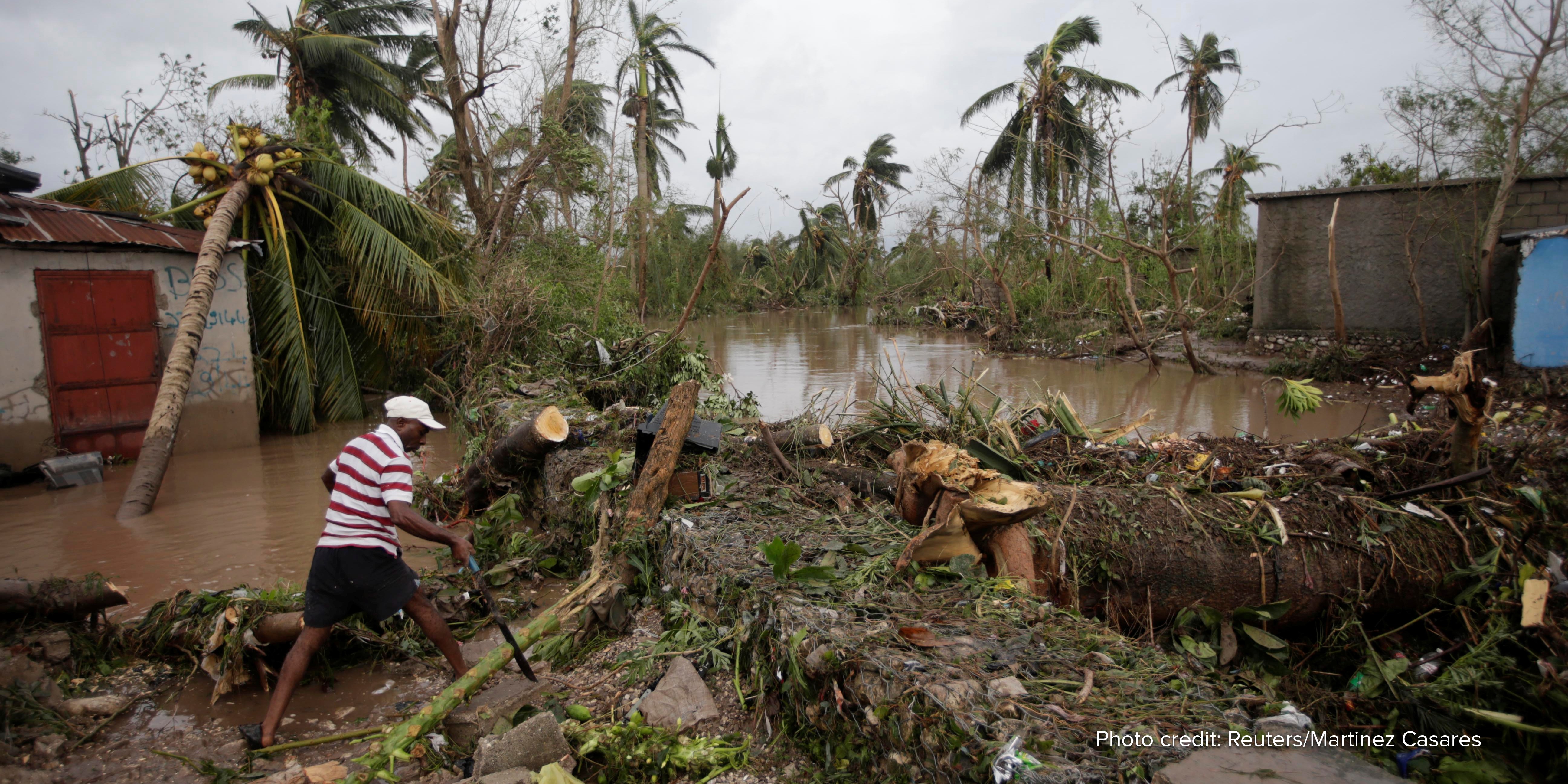
haiti_ruetersAs we commemorate this event, let us pray for the countries and U.S. states that on the path of Hurricane Matthew. The National Hurricane Center calls Matthew “extremely dangerous,” and conditions are favorable for it to maintain its strength. In areas of Haiti, Cuba and the Dominican Republic, Hurricane Matthew has left a trail of destruction with landslides, streets flooded and homes flattened. Where the hurricane hit the hardest, Lutheran Disaster Response has local partners and companions ready to respond.

Your support through Lutheran Disaster Response will bring God’s hope and healing to those who have been or will be affected by this hurricane. Our response already spans across several countries. Together, we will work with trusted partners and companion churches that know the communities well and are preparing recovery efforts. Although the hurricane has not yet reached the U.S. coast, Lutheran Disaster Response coordinators are collaborating with local community leaders, civic organizations, ecumenical partners and officials to begin planning the proper response.


Be a part of the response:

Pray

Please pray for the people who have been affected and are in the path of Hurricane Matthew. May God’s healing presence give them peace and hope in their time of need.

Give

Gifts to “Hurricane Matthew” will be used to assist those affected by the hurricane until the response is complete.

Connect: 

Stay connected to the latest events and our response to this and other disasters:

  • Like Lutheran Disaster Response on Facebook and follow @ELCALDR onTwitter.
  • Share this bulletin insert with your congregation.
  • Sign up to receive Lutheran Disaster Response alerts.
  • Check the Lutheran Disaster Response blog.

Top 5 Tips to Prepare Your Faith Community for a Disaster

Today is the last day of National Preparedness Month. Just because the month is ending, doesn’t mean the work of being prepared for disaster ends. With this in mind, we want to take the time to highlight 5 tips that can be useful to congregations.

Top 5 Tips to Prepare Your Faith Community for a Disaster – By Michael Stadie
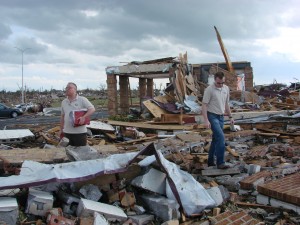
Director Kevin Massey and Associate Director Mike Nevergall stand among what is left of Peace Lutheran Church

A minister once shared with me the story of how he learned the hard way to be prepared for a disaster. He told me that every night the administrative assistant of the congregation would back up the day’s work, financial records, bulletins, newsletter, and anything else that was done that day. She then put the back up next to the computer on her desk. This worked out very well until the night when a fire destroyed the church office, it took out the computer and the backup. After learning the hard way, he told me that once they rebuilt, he made sure there was a weekly computer backup that was kept off site.

Sadly, it is only after a disaster strikes, no matter what the type, that a faith community realizes it should have done something to prepare for a disaster. And often if a leader wants to encourage the faith community to prepare, if they find support in doing so, they are not sure where to look for resources.

Because of this, Lutheran Disaster Response has prepared a Congregational Disaster Preparedness Guidebook that is free to download by anyone. To quote the guidebook, the manual “outlines a step-by-step process for congregations to create their unique preparedness plan.” It also provides information on the long-term recovery process, worship following a disaster, emotional and spiritual care, and links to other resources.

For those looking to start the conversation about preparedness in their faith community, here are five tips Lutheran Disaster Response offers:

Have an evacuation plan.

Communication Strategy
Communication is essential in times of disaster, however, it may not always be as simple as a phone call. Power and telephone lines are often down after a disaster causing disruptions in communication. It is important that your faith community has a plan about how to communicate with one another when a disaster strikes. In the first few days following a disaster, there is a lot of chaos and rumors. Having a communication plan in place will help your faith community be aware of what is really happening. While faith communities often have home phone numbers, a list of cell phone numbers is essential and if the person can receive text message can be a valuable asset following a disaster. It is also helpful to have a “phone tree” where with just a few calls, the faith community leaders can disseminate information quickly. And of course, posting information on the faith community’s website is also a very good way to let folks know the status of the disaster recovery efforts.

Decision-Making Process
Having a written description of how decisions are made is essential to being prepared for a disaster. Having this in place will assist the congregation to move forward in its recovery efforts. On a day-to-day, basis, most decisions are made by the minister, a committee or the governing board. However, in a disaster situation, the minister may not be the most experienced to handle the rebuilding efforts. And they will be needed to provide spiritual and emotional care, especially if members of the faith community were directly impacted by the disaster. Along with the formal structures of decision making, look to your membership. Is there an insurance agent that can help navigate the process of making a claim? Is there a contractor who can help manage the rebuilding process? It is important to use the gifts in your faith community, especially following a disaster.

Inventory and Insurance
It is important to be aware of the church’s assets, important documents and insurance coverage long before a disaster strikes. A faith community needs to regularly review its insurance coverage. All too often, people find when they add the cost of the contents along with the building, they are underinsured. In order to speed up the claims process, it is recommended to take pictures of the worship space as well as other parts of the building. This is especially important if there are unique items such as statues, carvings or stained glass. Making a video of these items may be easier. Most smart phones have this capability, which only makes this process easier.

Emergency Operations
Any number of emergencies or disasters can happen when the building is in use by the faith community or others. Basically, plans need to be in place to do one of two things; shelter in place or evacuate.

If you look the next time you are a hotel or public buildings, notice how they post evacuation routes as well as designated shelter. Basic emergency plans and instructions should be posted prominently near light switches or doorways so that anyone can easily see how to evacuate and where to seek shelter without having to search for someone in charge. Many faith communities also find it helpful to have near entrances a map of the facility showing where the utility shut-offs are located as this will assist the first responders to know how to secure the building after a disaster.gulfcoast_2
Congregational Relationships and Involvement
When a disaster occurs, it is important that a community come together to take care of each other. If the faith community is not directly affected by a disaster, consider joining the community to provide temporary relief and even long term recovery assistance to those impacted by the disaster. Such opportunities may surface as requests from outside organizations, obvious needs of neighbors, awareness of members of the congregation, etc. Building relationships with disaster response agencies in your area and/or other faith-based organizations before a disaster will help your faith community mount efficient and effective responses addressing the actual needs of your community. And having a plan as to how you will respond in coordination with other community partners will allow your faith community to be more efficient in its efforts and insure there is no duplication of services.


An excerpt from Synod Congregations Use Social Media to Rally Response to Floods By: Rev. Dr. Joelle Colville-Hanson
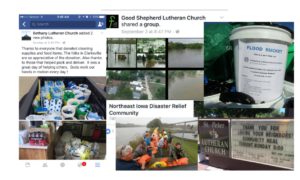
floodingIn late August Decorah, Spillville, Elkader, and surrounding areas were hit with heavy rains that caused flash flooding.

The onslaught was swift and unexpected but Northeastern Iowa Synod congregation leaders and members were just as swift to respond with shelter, food, volunteers as well as working with Lutheran Services in Iowa to develop a relief fund for unmet needs.

A month later more rain caused the Cedar, Shell Rock, and
Wapsipinicon Rivers to flood the areas including Waverly, Janesville, Shell Rock, Clarksville, Plainfield, and Greene as well as the farms and hamlets in between.

Again local congregations sprang into action, providing volunteers to sandbag and clean up, meals to volunteers and donations of cleaning supplies.

Again, Social Media was crucial in getting the word out quickly to gather volunteers to respond.

read more…

These suggestions are by no means exhaustive; but they can help stimulate conversation about what else a faith community can do in order to prepared for a disaster. To learn more about Congregational preparedness, download the Congregational Disaster Preparedness Guide.

Originally Written for the Institute for Congregational Trauma and Growth (ICTG)


Michael Stadie is the Program Director for Lutheran Disaster Response – U.S.


Be a part of the response:

Pray

Continue to pray for all affected by disasters, may God’s healing presence comfort them in their time of need.

Give

Thanks to generous, undesignated donations, Lutheran Disaster response is able to respond quickly and effectively to disasters around the globe. Your gifts to Lutheran Disaster Response will be used where there is the greatest need.

Connect

To learn more about global migration and what Lutheran Disaster Response is doing:

  • Like Lutheran Disaster Response on Facebook.
  • Follow us on Twitter.
  • Visit our website at LDR.org
  • Sign up to receive Lutheran Disaster Response alerts