Skip to content
ELCA Blogs

Lutheran Disaster Response

Humanitarian Update: Climate Disasters and Conflicts


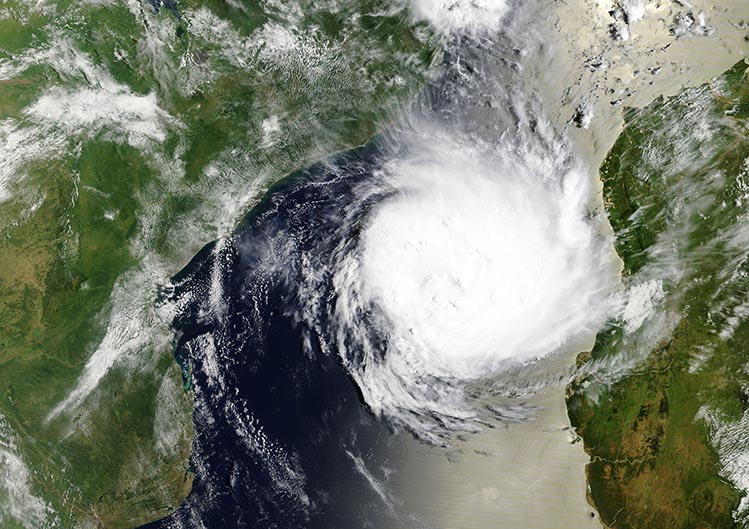
Tropical Cyclone Gezani | Image credit MODIS Land Rapid Response Team, NASA GSFC


February and March 2026 were marked by a series of devastating climate-induced disasters and escalating conflicts across the globe. Together, these crises have profoundly impacted lives, livelihoods, health, housing, and the environment—placing millions of people in urgent need of humanitarian assistance. During this period alone, national and international agencies reported seven medium and large-scale weather and climate-related disasters, highlighting the growing intensity and frequency of such events.

Major Climate and Natural Disasters

  • Brazil – Floods and Landslides: In late February, relentless rainfall triggered catastrophic flooding and landslides in Minas Gerais, particularly in Juiz de Fora. More than 70 lives were lost, and nearly 10,000 people were displaced, leaving communities devastated and in need of urgent relief.
  • Madagascar – Tropical Cyclone Gezani (Early February): Cyclone Gezani struck Madagascar with destructive force, claiming over 30 lives and displacing thousands. It was the second major cyclone to hit the country within just two weeks, compounding vulnerability and damage.
  • Southern Africa – Regional Flooding: Persistent heavy rains worsened flooding across Mozambique, Malawi, Zimbabwe, and South Africa. The widespread inundation caused severe damage to infrastructure, agriculture, and homes, deepening regional humanitarian needs.
  • Colombia – Widespread Floods: Continuous rainfall from early February led to flooding across 17 municipalities, damaging more than 12,000 homes and disrupting thousands of lives.
  • Kenya – Floods (March): Beginning March 6, intense rains triggered deadly flooding across parts of Kenya, resulting in more than 70 reported deaths and widespread displacement.
  • India – Tornado and Floods (March 15): A powerful tornado struck Odisha’s Mayurbhanj district, killing two people and injuring dozens. The disaster was followed by extensive flooding, further exacerbating local hardship.
  • Philippines – Canlaon Volcano Eruption (Mid-March): A moderate eruption of Canlaon Volcano sent a 5-kilometer ash plume into the sky, affecting at least 54 villages with ashfall and disrupting daily life.


Escalating Conflicts and Humanitarian Crises

Alongside natural disasters, ongoing conflicts continue to force millions from their homes and deepen global instability. In Ukraine and Gaza, displacement remains widespread as civilians continue to flee in search of safety. Meanwhile, intensifying conflict in Iran and other parts of the Middle East is claiming thousands of lives and rendering vast areas uninhabitable. These conflicts are not only humanitarian tragedies but are also straining the global economy and worsening living conditions far beyond the immediate regions. Fear, uncertainty, and psychological stress have become part of daily life for affected populations.

According to recent reports from UN and UN-supported platforms:

  • Lebanon: Over 1.2 million people—nearly one-fifth of the population—have been displaced.
  • Somalia: Rising fuel costs and supply disruptions linked to Middle East conflict threaten to worsen conditions for children already suffering from prolonged drought.
  • Afghanistan: Nearly two-thirds of families affected by severe drought report increased child labour, while only about one in five children is attending school.
  • Yemen: An estimated 18.3 million people are facing acute food insecurity, highlighting one of the world’s most severe humanitarian crises.


A Growing Global Emergency

These overlapping crises—climate disasters and armed conflicts—are placing unprecedented strain on vulnerable communities and humanitarian systems worldwide. The scale and complexity of needs underscore the urgency for coordinated global action, sustained funding, and long-term resilience-building efforts.

Without immediate and collective response, the gap between humanitarian needs and available support will continue to widen, leaving millions at risk.


Supporting Communities Through Lutheran Disaster Response

In the face of these compounding emergencies, Lutheran Disaster Response (LDR) continues to walk alongside communities as they respond to immediate needs and rebuild with dignity and hope. Through trusted international partners, LDR supports emergency relief, recovery, and long-term resilience efforts, addressing food security, shelter, livelihoods, psychosocial support, and disaster preparedness.

Supporting Lutheran Disaster Response enables timely, locally led responses that prioritize the most vulnerable and strengthen communities against future crises. As climate impacts intensify and conflicts persist, sustained solidarity and partnership are essential. Together, we can help ensure affected communities are not only supported in times of crisis, but also empowered to recover, rebuild, and thrive. Learn more about how to support the work of LDR here.
Humanitarian Response Training in Indonesia

Asia is one of the most disaster-hit regions in the world, with floods, cyclones, earthquakes, landslides, and volcanic eruptions. Unplanned urbanization, a steep increase in population, depleting forest green cover, and environmental degradation trigger the most severity and complexity.

The impacts are on the day-to-day lives of people, affecting their resources and disrupting earning sources, and delays in service delivery, poor health status, and loss of assets contributing significantly to acute food insecurity, inadequate access to safe water, sanitation, and hygienic conditions, loss of shelter, and settlements with increased health care risks.

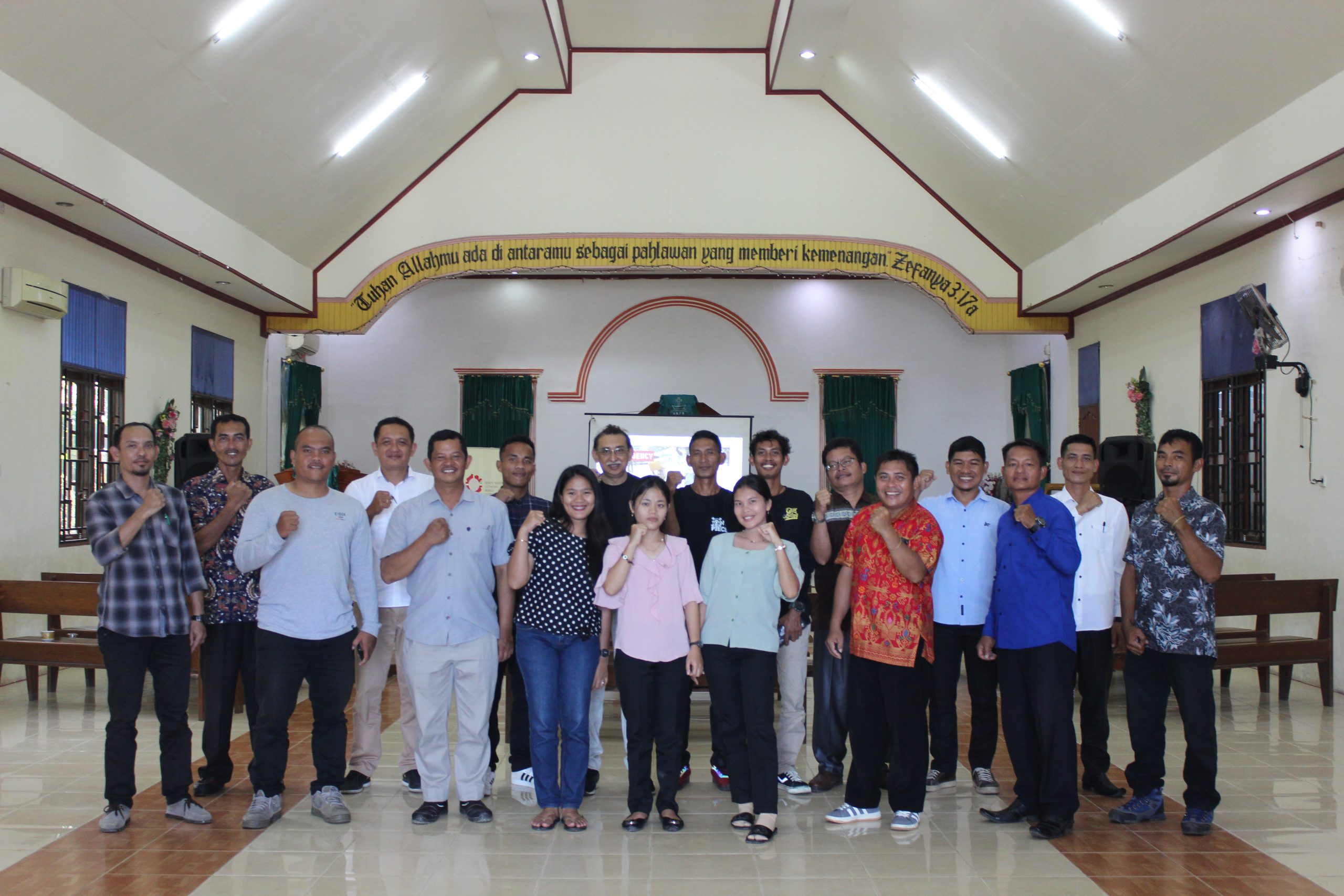
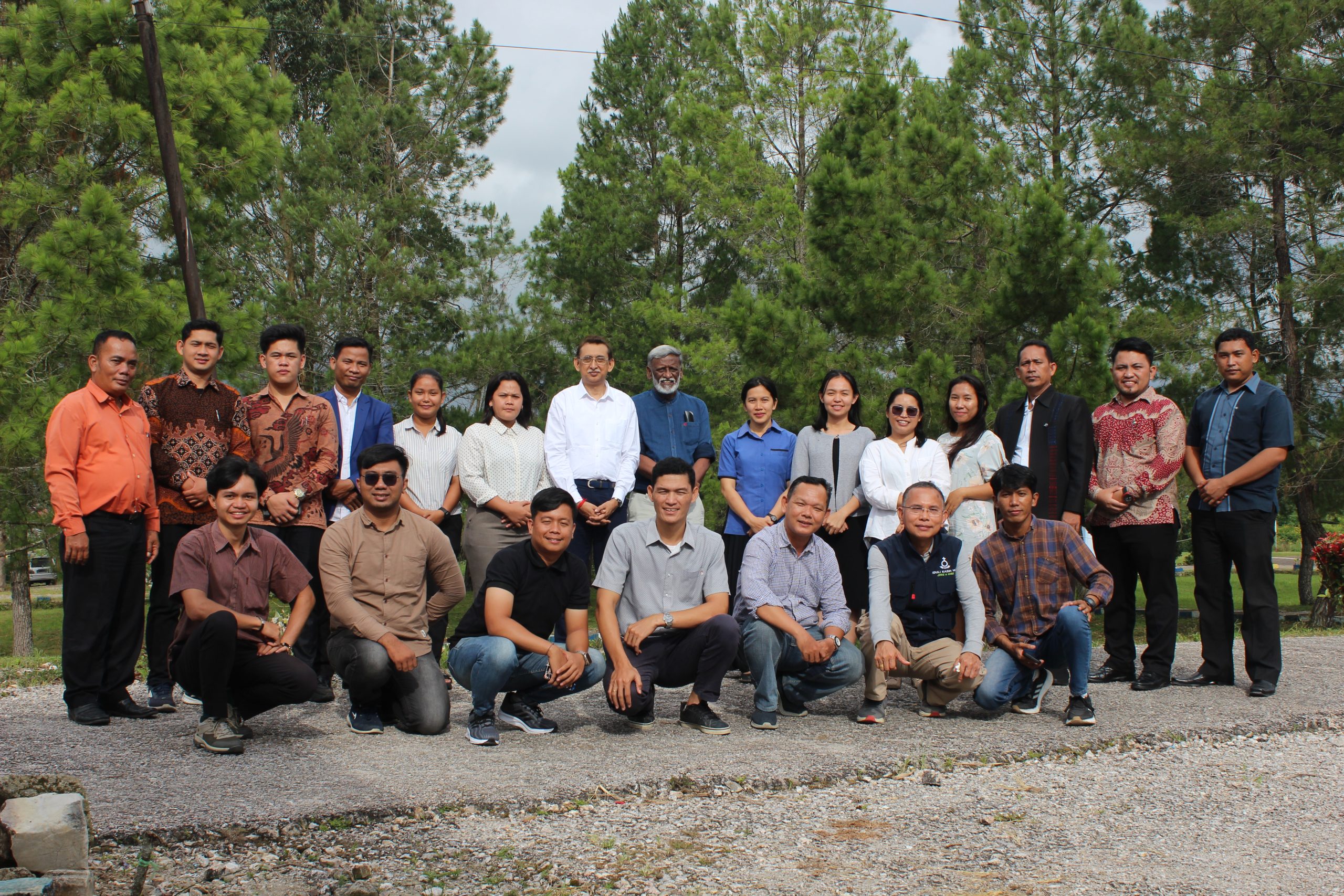
Attendees of the humanitarian response training in Sidhikalang, Indonesia

Women and girls are always disproportionately affected, as in most disasters, loss to women/girls’ lives is greater. Lack of opportunities to learn, poor access to engage in the planning process, lack of care at the family level, gender-based violence(GBV), discrimination to exercise their human rights in different platforms, and overall recognition of gender roles in nation-building initiatives, increase their exposure to disasters. In our counts of countries in Asia that are hit by disasters every year, Indonesia is always in the news due to high frequency and multiple occurrences of hydro-geo-meteorological hazards.

As these recurring events target communities multiple times, it is very difficult for people to recover their losses and improve their resilience. Without strategic support, it becomes more challenging for the communities to plan for their future needs. When a disaster strikes in Indonesia, it depletes economic assets and breaks the sociocultural fabric of the society.

Subhashis Roy and Chandran Martin teaching in Sidhikalang, Indonesia

In such difficult situations where we witness the loss of life, livelihood, infrastructure, household assets, and environment, the role of Lutheran Churches in Indonesia has been widened being first responders to disasters. Lutheran Churches are strategically placed to address “people in need.” High risk with low coping capacity makes Indonesia more exposed to disasters and demands a strategic move to increase resilience toward disaster impacts.

Lutheran Disaster Response (LDR) is one unique flagship program of the Evangelical Lutheran Church of America(ELCA) that contributes to global, regional and national efforts in reducing the suffering and enhancing accountability for those affected by disasters.

Attendees from the humanitarian response training in Mentawai, Indonesia

ELCA acknowledges the role of Lutheran churches in Indonesia in saving lives, spiritual care, and leading life with dignity. Recognizing the role of Lutheran Churches in Indonesia, the ELCA contributes to increasing capacity through its multi-faceted and multi-sectoral support that help ELCA companion churches and ecumenical partners response to immediate and medium-term needs and spreads God’s love to people most in need.

Since 2023, ELCA has been accompanying the Komite Nasional Lutheran World Federation (KNLWF) in Indonesia to reach some of the most remote areas and increase their capacity to prevent, prepare, mitigate, recover, and build back better from disasters. In this journey, a successful accompaniment model has emerged that truly shares, learns, spreads, and transfers knowledge and resources for people to recover early. Based on the positive feedback and recognition of ELCA-supported capacity-building events in Indonesia, ELCA-KNLWF organized the 2nd phase of the training events in November 2024 in the Sidhikalang and Mentawai islands of Indonesia. More than 40 participants have actively engaged in such sharing and learning events.

Participants expressed very positive and overwhelming views on the significance of such events and preparing church members with tools and techniques that ease their role in disaster management.

Situation Report: Pakistan Flooding

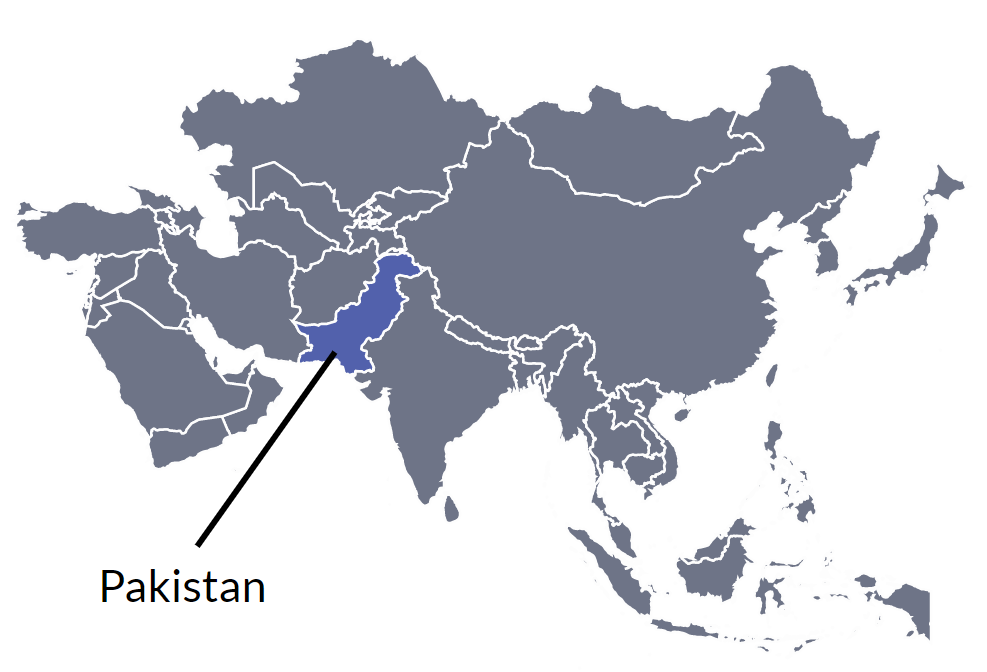
Situation:A map of Asia with Pakistan highlighted in blue.

Since June 2022, Pakistan has experienced historic monsoon weather, with rainfall leading to torrential flooding. The flooding is causing a widespread humanitarian crisis, with people losing homes, crops and livestock. Millions of people are displaced and in need of humanitarian assistance, such as food, temporary shelter, health services and other supplies.


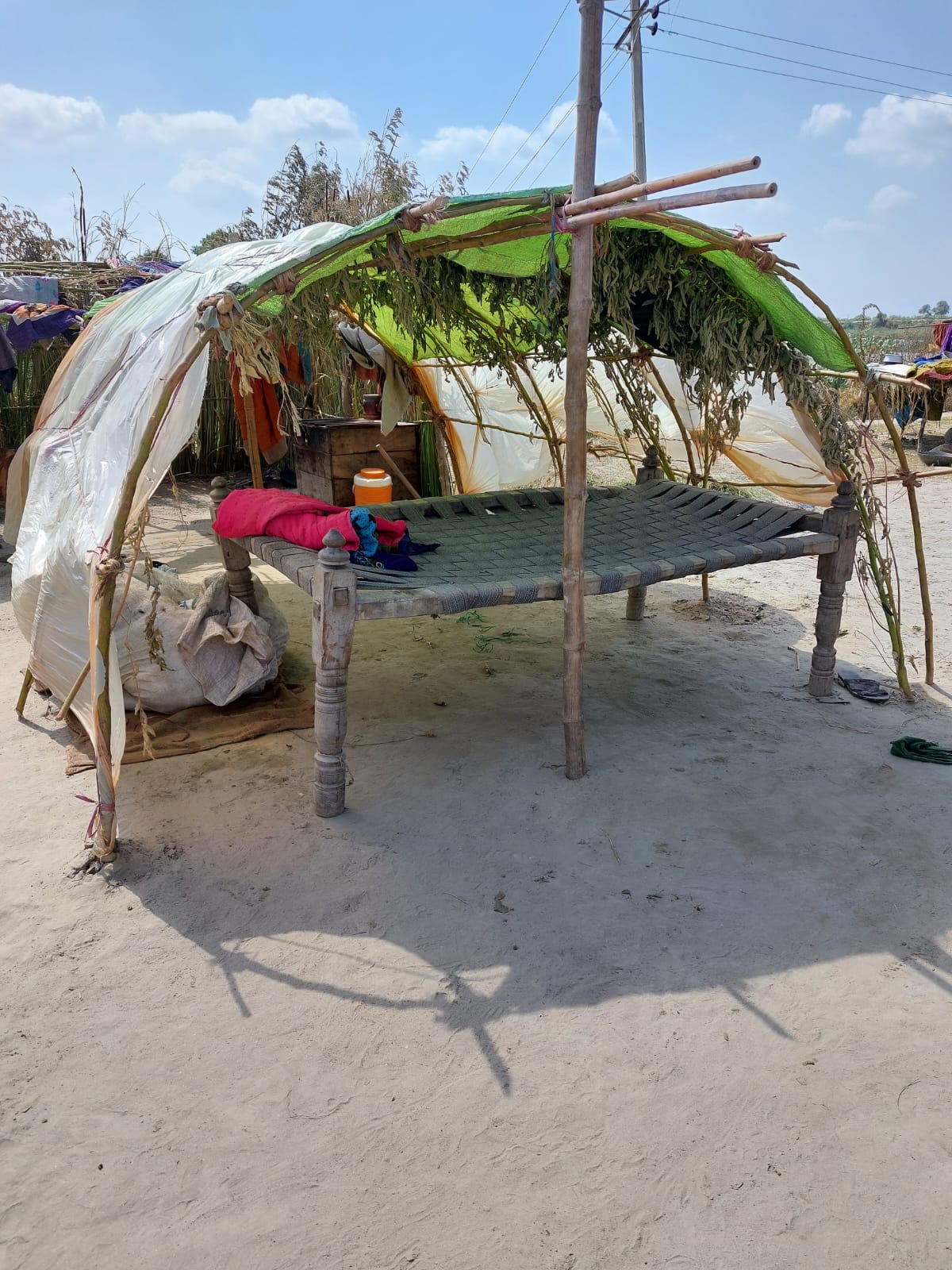
A makeshift shelter made of wooden poles and tarps.

A makeshift shelter in Pakistan. Photo: Community World Service Asia


Response:

Lutheran Disaster Response is contributing to an appeal from ACT Alliance to address the monsoon flooding in Pakistan. The implementing partner, Community World Service Asia (CWSA) will provide cash assistance so impacted families can buy food and other needs. CWSA is also setting up mobile health clinics to address health needs and will help communities build the capacity to construct flood-resilient homes. The homes are being built by local laborers involved as part of a cash for work program.


Be part of the response:

Pray
Please pray for people who have been affected by the flooding in Pakistan. May God’s healing presence give them peace and hope in their time of need.

Give
Thanks to generous donations, Lutheran Disaster Response is able to respond quickly and effectively to disasters around the globe. Your gifts to Lutheran Disaster Response (Lutheran Disaster Response-International) will be used to assist survivors of the flooding and other disasters around the world.

To learn more about the situation and the ELCA’s response:

  • Sign up to receive Lutheran Disaster Response alerts.
  • Check the Lutheran Disaster Response blog.
  • Like Lutheran Disaster Response on Facebook, follow @ELCALDR on Twitter, and follow @ELCA_LDR on Instagram.
  • Download the situation report and share as a PDF.

Protecting a Transgender Community in India from COVID-19


Tara loves dancing and, from childhood, always wanted to dance in front of an audience. Now 30 years old, she often performs at festivals and cultural functions, her performances described as “heart-touching.” Tara even performed at the Bali Jatra festival, a popular trade fair and market in Cuttack, India, where she lives.

Tara has been living away from her family for years because she is a transgender woman and faces discrimination from her family and the members of their community. When she came out as transgender at age 8, her father refused to support her and her brother would abuse her in public. Tara felt unsafe in her home, despite the love and acceptance she received from her mother. Eventually, Tara left her family and found a sense of belonging in a transgender community in Cuttack, where she felt safe to be her authentic self and pursue her dancing.

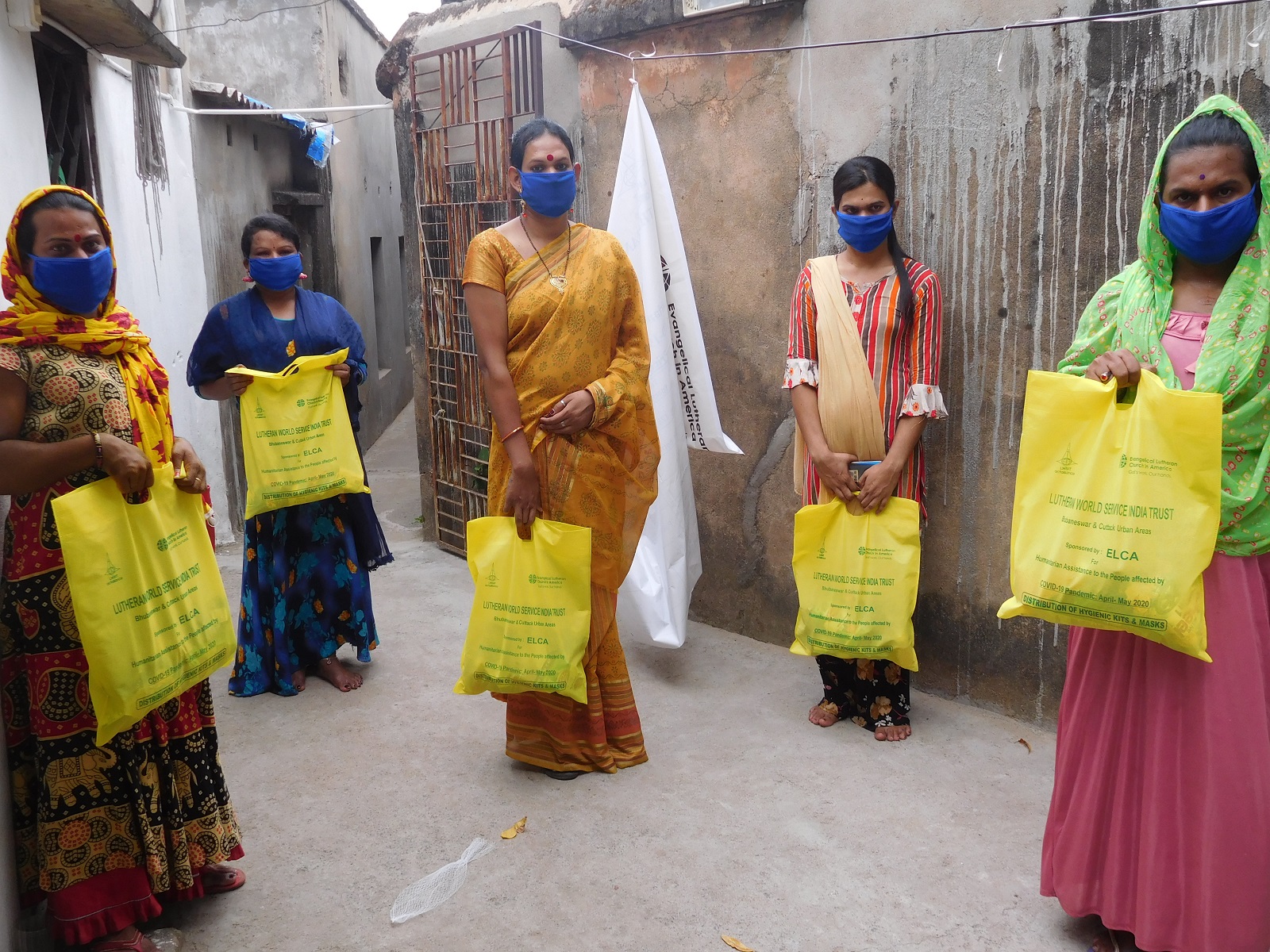
Women in Tara’s community receiving food and hygiene packages from LWSIT.

Before the COVID-19 pandemic, Tara sometimes struggled to obtain enough food. When India went under lockdown to curb the spread of COVID-19 in March 2020, getting food and other necessities became even more challenging because some shops closed. There were no more festivals or performances where Tara could dance and earn an income. During this time, nonprofit organizations reached out to vulnerable communities and supplied them with food and cash support, but the health care needs of Tara and her neighbors were overlooked.

When Lutheran World Service India Trust (LWSIT) received a COVID-19 response grant from Lutheran Disaster Response, it prioritized supporting marginalized populations such as the transgender community in Cuttack. The organization
distributed hygiene kits to Tara and her neighbors, which included bath soap, antiseptic liquid soap and face masks.
She and her neighbors are grateful to all the organizations that met their basic needs, but commended LWSIT for being the only organization to offer health and hygiene support.

“We are thankful to LWSIT during this situation,” said Tara. “LWSIT staff are helping through hygiene kit relief distribution to keep our health and hygiene safe from the effects of coronavirus.” She now feels safer and more prepared to prevent COVID-19 from spreading in her community.

Since the pandemic began, LWSIT has supported the communities most vulnerable to COVID-19. In addition to Tara and the transgender community, LWSIT accompanies migrant workers and women-headed households and operates an urban homeless shelter. It distributes hygiene kits and food packages and provides livelihood training and food-for-work opportunities to those who have lost their unemployment due to the pandemic.

LWSIT is just one of many organizations and companion churches around the world that provide holistic support to vulnerable communities during this crisis. By responding to a wide range of disasters, including COVID-19, Lutheran Disaster Response follows Christ’s call to share hope and healing.

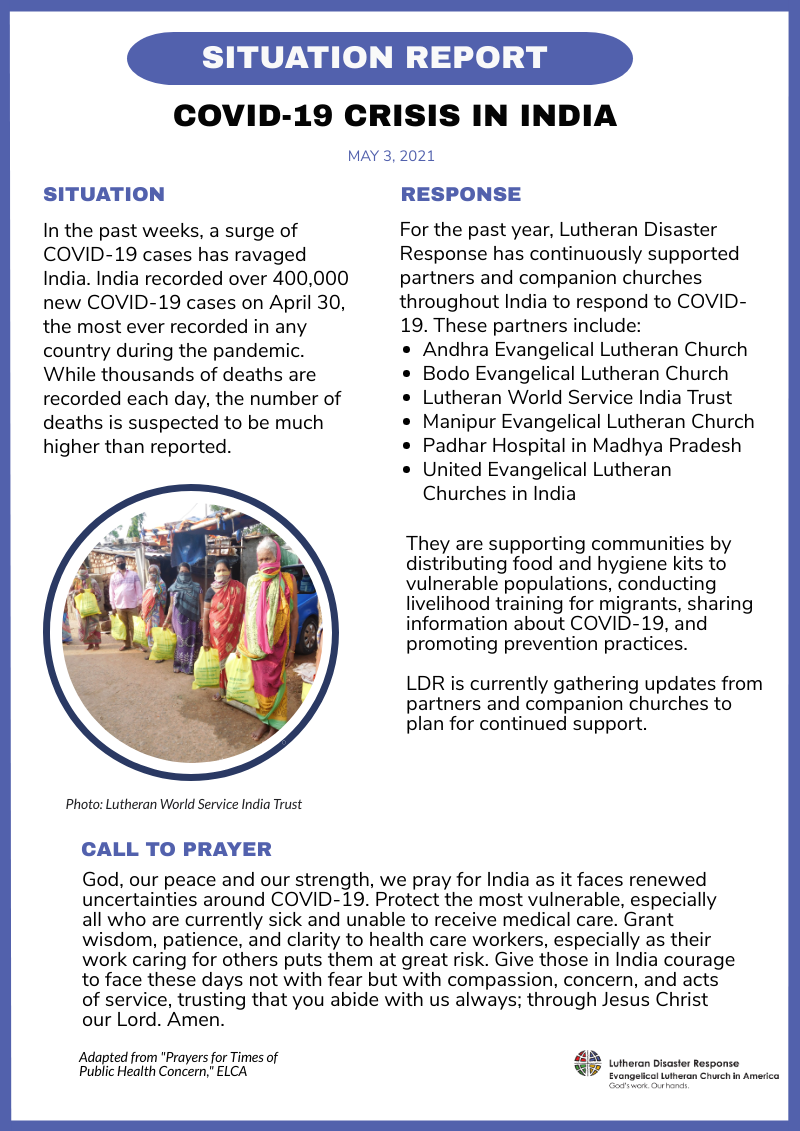
Situation Report: COVID-19 in India


Be a part of the response:

Pray
Please pray for people who have been affected by the COVID-19 surge in India. May God’s healing presence give them peace and hope in their time of need.

Give
Thanks to generous donations, Lutheran Disaster Response is able to respond quickly and effectively to disasters around the globe. Your gifts to Lutheran Disaster Response (Give where needed most) will be used to respond to the COVID-19 crisis and other disasters.

Connect
To learn more about the situation and the ELCA’s response:

  • Sign up to receive Lutheran Disaster Response alerts.
  • Check the Lutheran Disaster Response blog.
  • Like Lutheran Disaster Response on Facebook, follow @ELCALDR on Twitter, and follow @ELCA_LDR on Instagram.
  • Download the situation report and share as a PDF.

Situation Report: Fires in Rohingya Camps


Be a part of the response:

Pray
Please pray for people who have been affected by the fires in the Rohingya camps. May God’s healing presence give them peace and hope in their time of need.

Give
Thanks to generous donations, Lutheran Disaster Response is able to respond quickly and effectively to disasters around the globe. Your gifts to Lutheran Disaster Response (Give where needed most) will be used to respond to the fires in the Rohingya camps and other disasters.

Connect
To learn more about the situation and the ELCA’s response:

  • Sign up to receive Lutheran Disaster Response alerts.
  • Check the Lutheran Disaster Response blog.
  • Like Lutheran Disaster Response on Facebook, follow @ELCALDR on Twitter, and follow @ELCA_LDR on Instagram.
  • Download the situation report and share as a PDF.