Skip to content
ELCA Blogs

Lutheran Disaster Response

Hurricane Katrina: 7-Year Anniversary – Lessons Learned

Today marks the 7-year anniversary of when Hurricane Katrina made landfall along the Gulf Coast. This landmark disaster has changed much about the way we repond to disaster, for Lutheran Disaster Response, our partners and our country’s government. Many of those lessons were hard-learned. Gaps in the system were learned and addressed in the midst of responding. Yet, from these trials there have been positive results.

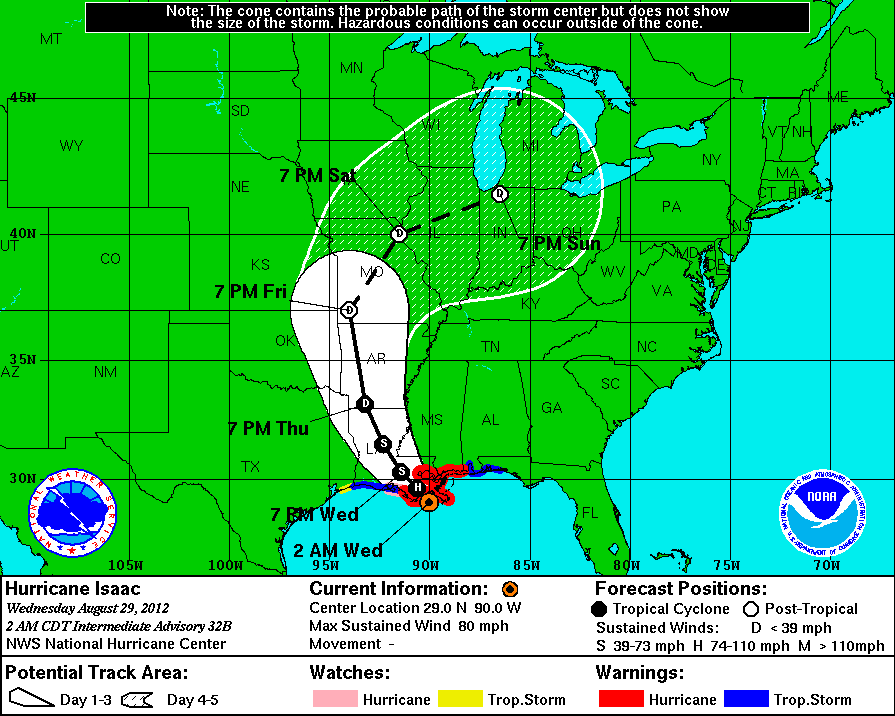
As we take time today to pause and think back to the situation caused by Katrina in 2005 it seems appropriate to name some of the lessons learned. This is especially true as we are experiencing the landfall of Hurricane Isaac exactly 7 years later in this same region. (see photos at end of post)

Disaster Preparedness
One of the major lessons learned from Katrina was about what it meant to truly prepare for an incoming disaster. As we have been tracking the approach of Isaac (being on conference calls, following website postings, etc) it is clear that this region has been here before. People in charge are aware of what the situation may entail. The right organizations are talking to each other. Information is being shared in a timely and efficient manner.

And beyond this there are more tangible things like the story that Lutheran Disaster Response Director, Pastor Michael Stadie, shared with me. He was describing a news report from the French Quarter in New Orleans where the reporter was commenting on how much less debris there was blowing around and causing damage compared to Katrina. This lack of debris is in part due to better preparedness measures.

We Work Better Together
During Katrina a lot of disaster response agencies were all trying to do the same thing, meeting all of the needs they saw before them. This led to some areas getting double service while others were potentially missed. We have learned that working together through strong communications between our partners within the disaster resposne community and government agencies leads to a better, more effective, more efficient response. In the end of the day this means that more people will gain better services when they need them.

The Effects Extend Beyond the News Coverage
During Katrina the city of New Orleans captivated our attention as we saw with probably disbelief the damage nature can wreak, as well as the human-cause disasters that can arise when the response is not effective or timely. Yet we learned that both in time and geographic scope the effects of a disaster extend beyond what is covered by the media. During Katrina the areas around the Gulf Coast, from eastern Texas to Mobile, AL to Pensecola, FL felt the affects and were in need of response. Also, even seven years later there is still work that has just recently begun winding down in response to Katrina.

As we await the assessment of Isaac, we know that where we respond will be over a larger area than what is covered in the national media and will extend far beyond the time that the cameras are there. This is also a place where Lutheran Disaster Resposne has found a niche as we work to coordinate volunteers many months and years after a disaster. We also work through our affiliate network to help communities setup and manage their Long Term Recovery Committees that help address unmet needs as they arise.

—-
As we look into the future and the disaster it will inevitably bring, let us pause to give rememberance to Hurricane Katrina, the damage it caused and the hard lessons it taught us. May God grant us wisdom to learn from them and the patience and strength needed to put them into practice.
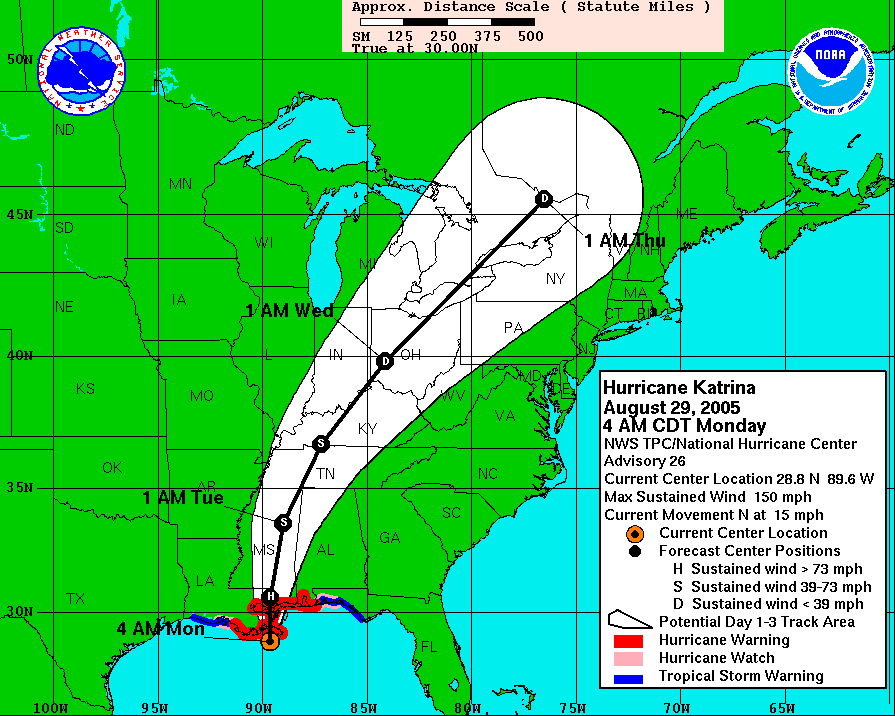
Katrina - August 29, 2005

Hurricane Katrina on August 29, 2005. Click for larger image.

Issac - August 29, 2012

Hurricane Issac on August 29, 2012. Click for larger image.

—–
Gifts to ELCA Disaster Response allow the church to respond at home and globally in times of need. Donate now.

Florida & Caribbean: Tropical Storm Isaac

Path of Tropical Storm Isaac. Click to see full image.

————–
Yesterday afternoon Tropical Storm Isaac swept through Haiti’s southern peninsula, bringing with it heavy rains (over a foot in some areas) and hundred-plus mile per hour winds. It wreaked havoc on the nation as it still works to recover from the massive earthquake of 2010. The storm is also threatening to bring the same level of rain and wind to Cuba and southern Florida.

ELCA Disaster Response has been in contact with our companions in Haiti as they assess the situation and possible needs and responses. In Florida we have also been in contact with our Lutheran Disaster Response affiliates as they work to prepare for potential damages.

Please keep all those affected by this new tropical storm in prayer as they work to perpare and respond. As we learn more about the situation and possible responses we will keep you informed.

If you would like to support the response to these disasters, or those like them, you can donate to either Haiti Relief or U.S. Hurricanes. These gifts help us to respond immediately and effectively when disasters strike domestically and internationally.

Joplin, MO: Field Report

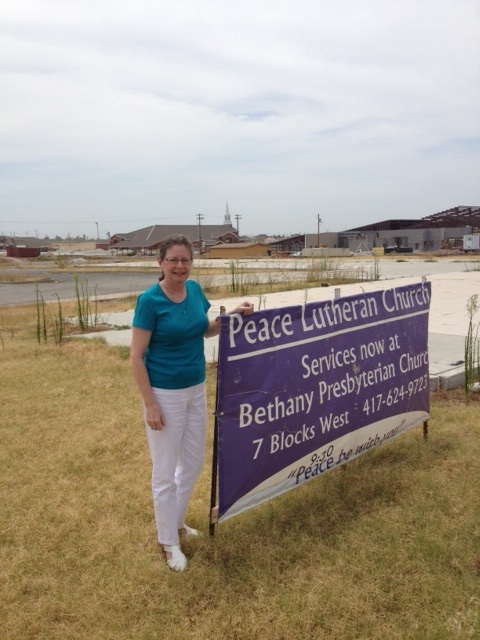
Pastor Kathy Redpath standing next to the previous site of Peace Lutheran Church.

This is Pastor Michael Stadie, Program Director for Lutheran Disaster Response with another field report.

Last week, I spent two days in Joplin, Missouri. Duane Moudy and Jim Eckrich from Lutheran Family and Children’s Services (LFCS) of Missouri were my hosts. While there are not many Lutherans in the Joplin area, Duane’s work in the community has raised the visibility of Lutheran Disaster Response a great deal; Duane is a key player in the Joplin Recovery efforts. Jim, a long time LDR Coordinator manages the Disaster Case Management Contract for LFCS. LFCS has subcontracted with several other agencies to provide these services.

Driving through the areas impacted by the May 2011 tornado, one can easily see Joplin is in full rebuilding mode. Many homes and businesses have been rebuilt; and there is a lot of construction work going on all over the impacted area. But interspersed among the completed homes are many empty lots and even whole blocks that have weeds growing up on them. Duane shared that most of these lots were rental homes where the landlord decided not to rebuild.
(more…)

Clay, AL: Field Report

Property still covered in debris. Credit: LDR

Dear Sisters and Brothers,

My name is Pastor Michael Stadie and I am the Program Director for Lutheran Disaster Response. The second week of July, I had the privilege to spend some time with Ron Turney and Heather Turney from Lutheran Ministries of Alabama (LMA). LMA is working with those impacted by tornadoes in April 2011 as well as January 2012.

The city of Clay and LMA have developed a great working relationship in helping the people in that community recover from the January storm. LMA has a disaster case manager that is able to spend one day a week in a space provided by the city. This location will help those impacted by the storms to have easier access to case management services, which in turn, will help speed their recovery.

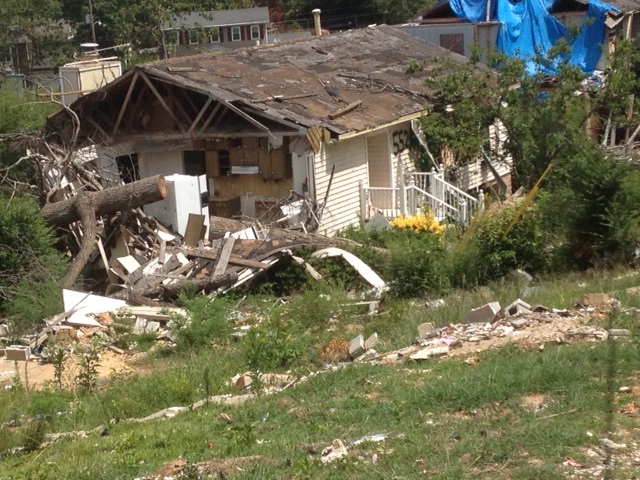
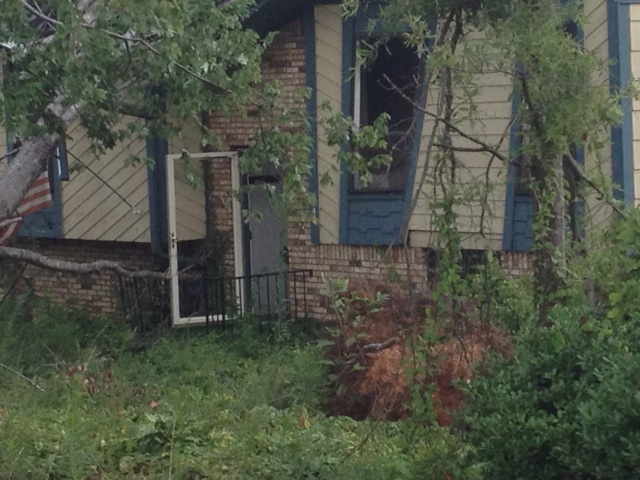
After touring the area, it is clear that many people in Clay are just now beginning their road to recovery. As the pictures in this post indicate, some homeowners, primarily due to issues with their insurance companies, have not been able to clean up their property. Sadly, some families have had to abandon their homes. These situations reflect the scope and importance of the work being done here by LMA.

Tornado-damaged home still in need of repairs. Credit: LDR

During my time there I had the opportunity to visit with Pastor Larry Richardson from Faith Lutheran in Clay, which has agreed to host volunteers working in the community. In coordination with LMA, the congregation has made a strong commitment to provide hospitality for those helping to clean up and rebuild Clay.

I was able to visit with Pastor Sandy Niiler, interim pastor at Christ Lutheran in Cullman, a congregation that was destroyed in the April 2011 tornado. Pastor Sandy gave me an update on the rebuilding process; groundbreaking was held about a week before I was there. As the congregation is rebuilding, they are also rethinking their role in the community and planning ways to become more active participants in their shared future. This is one of the amazing ways in the wake of tragedy that God brings hope, as a congregation severely impacted by a disaster finds a new sense of mission to its community.

Home still in need of repairs. Credit: LDR

My trip also involved visiting the Camp Noah at Pratt City area of Birmingham. Camp Noah is a program of Lutheran Social Services of Minnesota which works with children affected by disaster Volunteers from the local community and Maryland were having a great time working with 75 children attending the camp. Although the weather was very hot, you could feel the enthusiasm and excitement of the children as soon as you walked in the door of the community center. Little did they know that just a day or so later, First Lady Michelle Obama would be visiting; something that raised the excitement level through the roof. While I was not able to present for Mrs. Obama’s visit, I was so very happy that both LMA and Camp Noah were able to be in the national spotlight for the great work they have been doing helping the people of Alabama recover. (Please see a previous post about Mrs. Obama’s visit to the Camp Noah.)

After my time in Alabama, I attended the National Youth Gathering in New Orleans. Thank you to all who stopped to visit and sign up for the T-shirt raffle. It was great to hear that so many people from around the country know of the work of Lutheran Disaster Response.

As I continue my visits to other parts of the country that have been impacted by disasters, I will post additional updates.

McGregor, MN: Flood Waters Still Affecting Community (w/ photos)

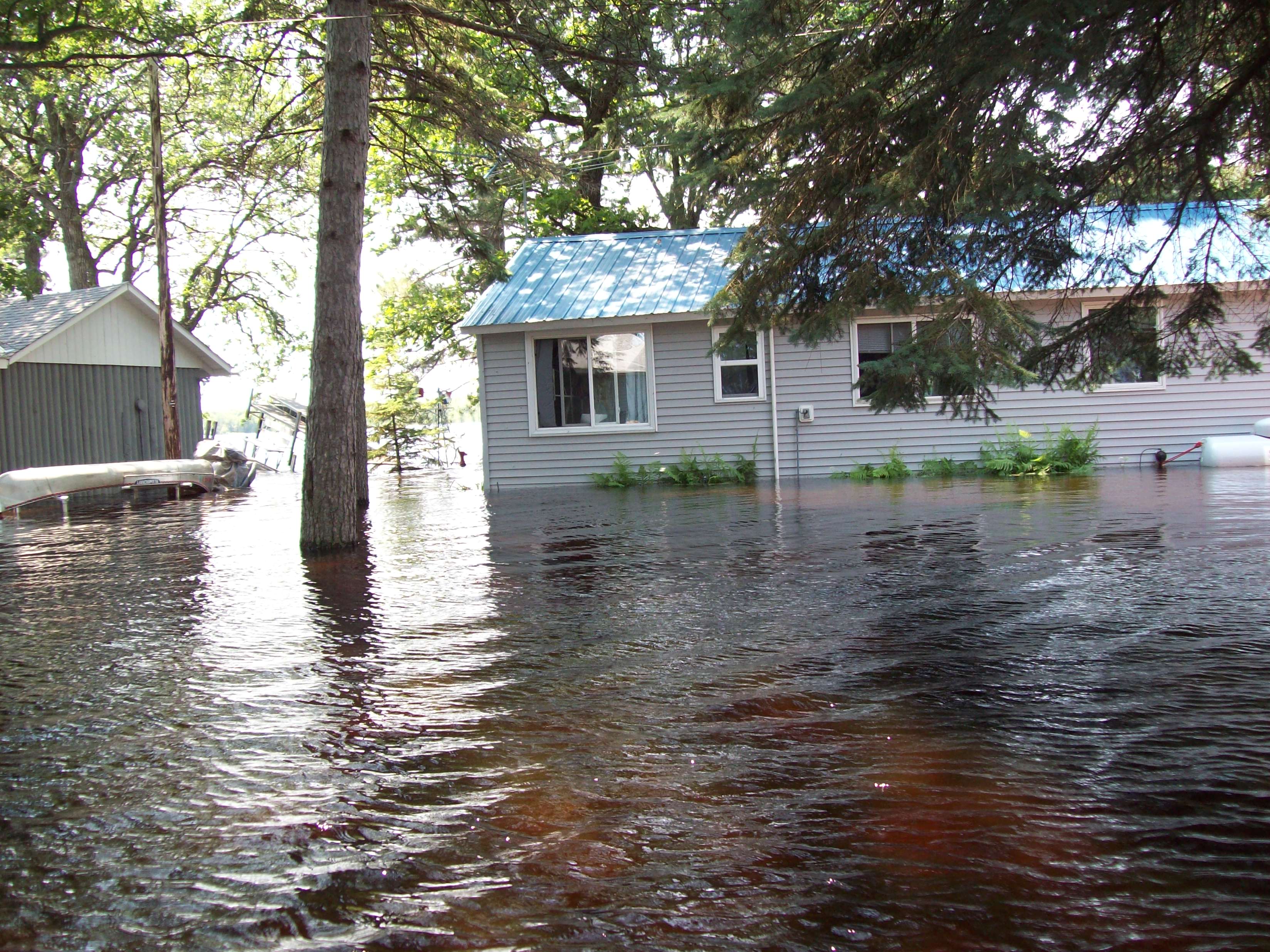
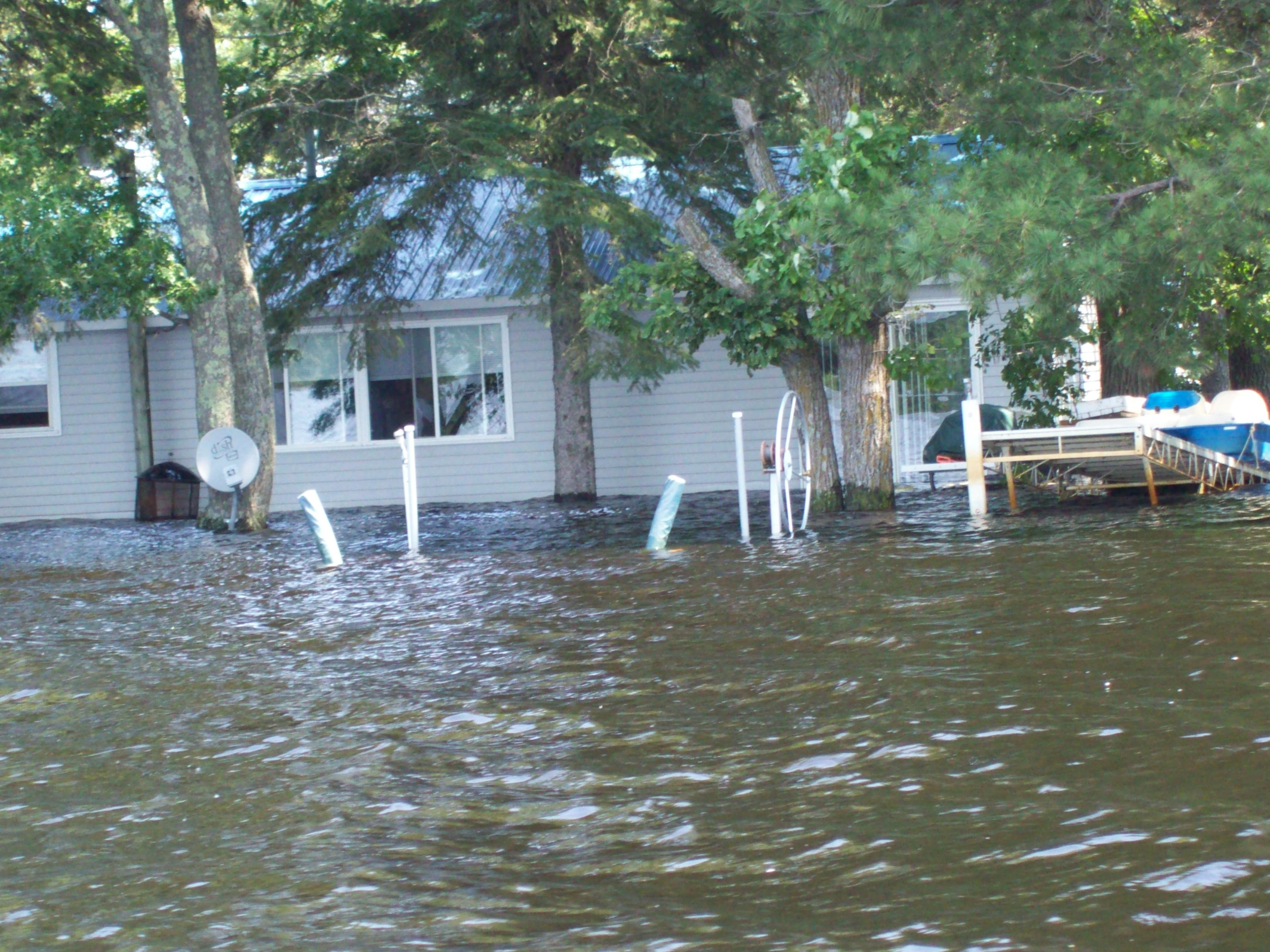
A flooded cabin in Big Sandy Lake.
Credit: Grace Lutheran Church/McGregor, MN.

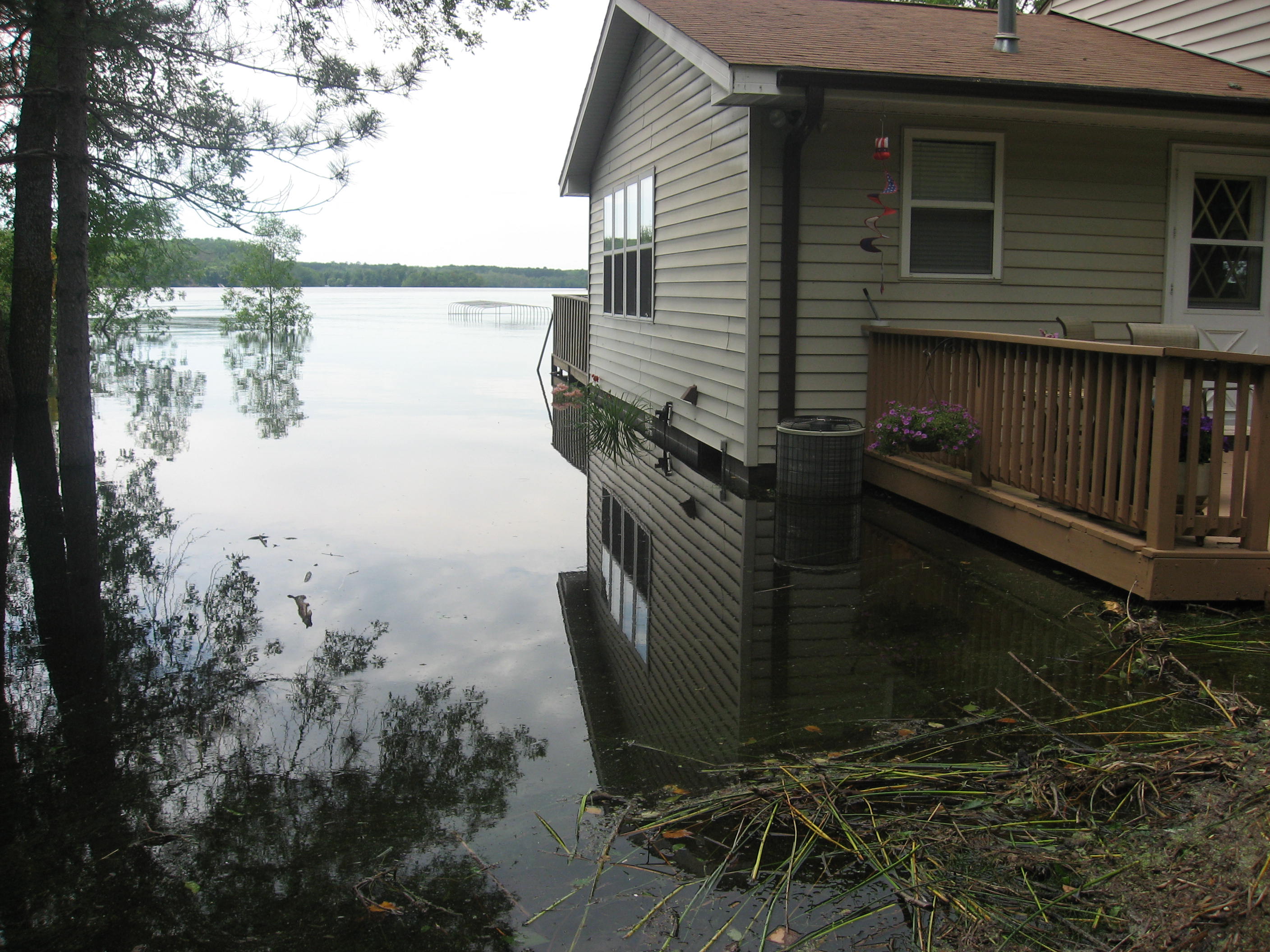
The rains that struck northeastern Minnesota at the end of July are still having an effect on the surrounding communities. Below is an update on the situation of McGregor and Big Sandy Lake from Pr. Karen G. Bockelman, Disaster Coordination for the Northeastern Minnesota Synod (ELCA). It’s a good reminder that disaster response is a marathon not a sprint and that need will continue long after the initial impact of the rains.

REPORT: Big Sandy Lake, north of McGregor, is within the Mississippi River watershed and was very heavily hit by the rains/flooding in June. It took the Mississippi River some time to crest, resulting in weeks of standing water. Only now (a month later) is it safe to begin clean up in the McGregor area. It has taken this long for the water to go down. The presence of E. coli in the water (now tested safe) as well as major fish and snail kills have contributed to the delay. All but a couple small sections of road are now passable. However, the sheriff warns that any more significant rainfall will cause the lake to rise again and might lead to still more delay.

Aitkin County officials are preparing to start the clean up process on Monday, July 23. Grace Lutheran Church, which has been serving as an information site and supply depot, will be the staging area for volunteers.

—-

Regarding this work at Grace Lutheran Church, I have received a few email updates and pictures from a couple who have been working with the church in this response, which I include below. Their testimony is a great example of how we can accomplish more when we work together as the body of Christ.

“I am a member of Holy Family Catholic Church in McGregor, MN. My husband and I are volunteers assisting at Grace Lutheran [in McGregor, MN] in their mission to aid in flood relief services. The need for this service is evident in the numbers of people who continue to visit Grace Church’s relief services area. Grace Lutheran is a beautiful church with amenities well-suited to this effort and it’s congregation is a community-minded resource for our area. Grace Lutheran and Holy Family participate in and enjoy women’s functions together as well. Grace Lutheran truly “lives” its mission statement.”

A flooded cabin in Big Sandy Lake.
Credit: Grace Lutheran Church/McGregor, MN.

Another flooded cabin in Big Sandy Lake.
Credit: Grace Lutheran Church/McGregor, MN.

Flooded home on Long Pointe Rd on Big Sandy Lake.
Credit: Shirley Scollard.

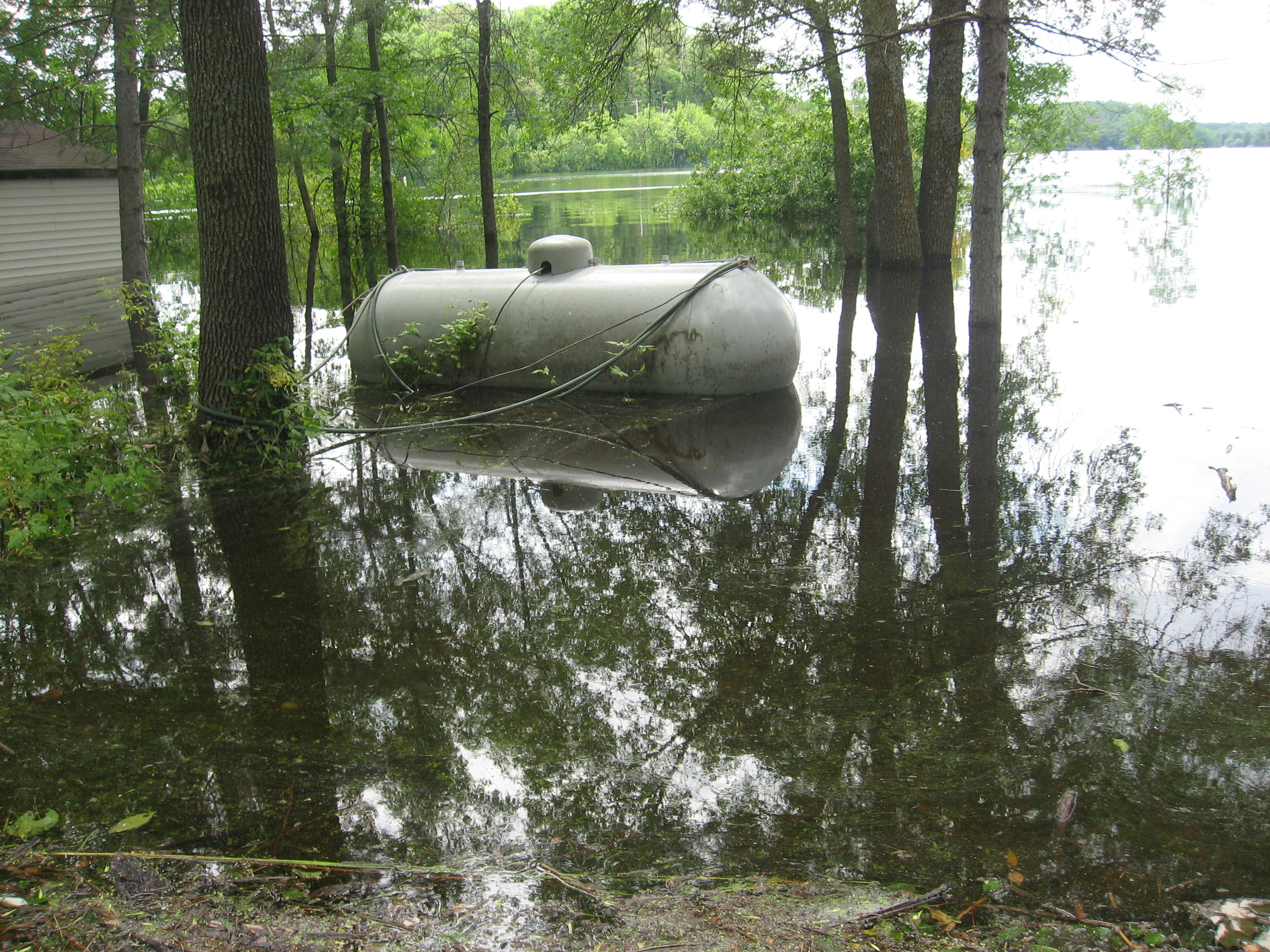
Tethered propane tank to prevent it causing damage.
Credit: Shirley Scollard.

Birmingham, AL: Camp Noah’s Special Visitor

First Lady Michelle Obama with Heather Turney of Lutheran Ministries of Alabama at Camp Noah in Pratt City. Credit: LMA/Ron Turney

The participants at Camp Noah in Pratt City, an area of Birmingham, AL, had quite a surprise yesterday when First Lady Michelle Obama came to visit. The camp is a ministry begun by Lutheran Social Services of Minnesota in 1997 to help children affected by disasters process the experience. It was being hosted by Lutheran Ministries of Alabama in Pratt City as part of their response to the devastating tornado in April 2011.

The First Lady was able to greet many of the children presonally and even took home some of the healthy treats they were putting together as part of their program. It was a great experience for those present and a nice affirmation of the good work of Camp Noah. A wonderful example of how in times of disaster our church takes seriously the role of being there for the long haul, even after the news cameras have left. And sometimes when they come back.

To learn more about the good work being done see: Camp Noah | Lutheran Ministries of Alabama

You can also learn more about the even from local news coverage (short ads before most videos):

  • Special visitor in Pratt City: Series of videos. The first one has a statement from Nancy Beers, Director of Camp Noah, and the second one has a good overview of the program.
  • First Lady Obama visits Birmingham: Really like the statement of the First Lady at the end of the video. It’s great our church, through our disaster response work, can be a part of what she’s talking about.

—–
Gifts to ELCA Disaster Response allow the church to respond at home and globally in times of need. Donate now.