Skip to content
ELCA Blogs

Lutheran Disaster Response

Rebuilding Hope in Georgia: Walking with Communities After Hurricane Helene

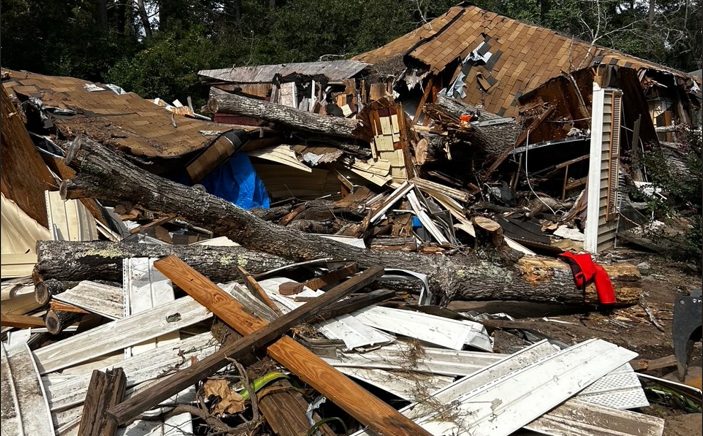
A home damaged by Hurricane Helene | Photo Credit the Southeastern Synod

Almost two years following Hurricane Helene, communities across Georgia are still navigating the long and difficult road to recovery. From Augusta to the coastal counties, the Southeastern Synod’s Disaster Ministry Team continues to walk alongside survivors as they rebuild homes, restore stability, and reclaim hope.

A Wide-Reaching Response

While North and South Carolina have been the focus of much of the nationwide reporting about Hurricane Helen, the scale of devastation across Georgia has been immense. Sixty-two counties were declared disaster areas, with severe damage stretching from inland communities like Augusta to coastal regions including Savannah, Brunswick, and Bryan County.

In the face of such widespread need, response efforts have focused on building strong partnerships and coordinating long-term recovery. While forming local long-term recovery groups (LTRGs) has been challenging in some areas, collaboration across organizations has proven essential.

Among the most promising developments has been the Augusta Response Coalition, where faith-based and community organizations are working together to meet survivor needs and rebuild homes.

Augusta: A Hub of Recovery and Renewal

In Augusta, recovery efforts are moving forward with momentum and purpose.

Advent Lutheran Church has become a central hub for the response, housing volunteer teams, coordinating case management, and supporting construction efforts. Since early 2025, the team has built a strong foundation for long-term recovery, hiring key staff including a construction coordinator, volunteer coordinator, and disaster case managers.

The numbers tell part of the story:

  • Over 2,000 survivor households identified for outreach and screening
  • 110 total cases, with dozens actively being managed and new cases added regularly
  • A steady flow of volunteer teams providing repairs and rebuilding support

Outreach efforts have extended deep into the community through local events, radio interviews, and partnerships with community leaders, to ensure survivors know where to turn for help.

This work is made possible through strong partnerships, including collaboration with UMCOR, Family Promise, and local coalitions, all working together to meet urgent needs and lay the groundwork for long-term recovery.

Coastal Georgia: Challenges and Persistence

In coastal communities, recovery has unfolded differently.

Efforts in Savannah, Bryan County, Brunswick, and Glynn County have included early response support, case management, and financial assistance for survivors. Partnerships, such as those with Family Promise, have been critical in connecting people to resources.

At the same time, challenges remain. Establishing coordinated long-term recovery structures has proven difficult, and progress in organizing unmet needs tables and funding distribution has been slower.

Even so, leaders across the region continue to show persistence and commitment, building the relationships and systems needed to sustain recovery over the long term.

One Story Among Many

Behind every statistic is a story.

One survivor, a veteran living in Thomson County, embodies both the loss and resilience seen across Georgia.

Before the storm, his home represented a fresh start after a difficult season in life. “That was my home,” he said.

Hurricane Helene took it all. A massive tree crushed the house beyond repair, and his insurance company declared it a total loss, canceling his policy the same day. His property was later identified as one of the most heavily damaged in the county.

Today, he lives in a FEMA camper parked in front of the wreckage. From his window, he can see the remains of what he lost, a daily reminder of the storm’s impact. And yet, he chooses to stay.

His next step is clearing the fallen tree so the home can be demolished. Then, he hopes to rebuild, placing a modest modular home on the same land.

“I just want a place to call home again,” he says.

His story is just one of many. Across Georgia, families are navigating similar challenges, each facing difficult decisions, limited resources, and the long wait for recovery.

Moving Forward Together

The work across Georgia is far from finished.

As funding is distributed, partnerships strengthen, and long-term recovery groups take shape, more survivors will gain access to the resources they need to rebuild. Volunteer teams continue to arrive, case managers continue their outreach, and faith communities remain at the center of this work—offering presence, compassion, and hope.

Through it all, the Southeastern Synod’s response reflects a shared commitment: to walk with survivors not just in the immediate aftermath, but throughout the long journey of recovery.

Because rebuilding homes is only part of the work.

Rebuilding lives—and restoring the possibility of “home”—is what truly matters.

Supporting Communities Through Lutheran Disaster Response

In the face of these compounding emergencies, Lutheran Disaster Response continues to walk alongside communities as they respond to immediate needs and rebuild with dignity and hope. Through trusted international partners, LDR supports emergency relief, recovery, and long-term resilience efforts, addressing food security, shelter, livelihoods, psychosocial support, and disaster preparedness.

Supporting Lutheran Disaster Response enables timely, locally led responses that prioritize the most vulnerable and strengthen communities against future crises. As climate impacts intensify and conflicts persist, sustained solidarity and partnership are essential. Together, we can help ensure affected communities are not only supported in times of crisis, but also empowered to recover, rebuild, and thrive. Learn more about how to support the work of LDR here.

Humanitarian Update: Climate Disasters and Conflicts


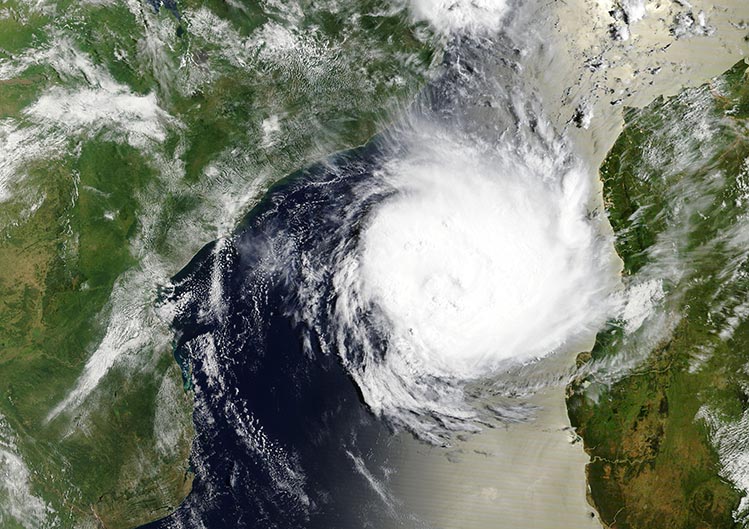
Tropical Cyclone Gezani | Image credit MODIS Land Rapid Response Team, NASA GSFC


February and March 2026 were marked by a series of devastating climate-induced disasters and escalating conflicts across the globe. Together, these crises have profoundly impacted lives, livelihoods, health, housing, and the environment—placing millions of people in urgent need of humanitarian assistance. During this period alone, national and international agencies reported seven medium and large-scale weather and climate-related disasters, highlighting the growing intensity and frequency of such events.

Major Climate and Natural Disasters

  • Brazil – Floods and Landslides: In late February, relentless rainfall triggered catastrophic flooding and landslides in Minas Gerais, particularly in Juiz de Fora. More than 70 lives were lost, and nearly 10,000 people were displaced, leaving communities devastated and in need of urgent relief.
  • Madagascar – Tropical Cyclone Gezani (Early February): Cyclone Gezani struck Madagascar with destructive force, claiming over 30 lives and displacing thousands. It was the second major cyclone to hit the country within just two weeks, compounding vulnerability and damage.
  • Southern Africa – Regional Flooding: Persistent heavy rains worsened flooding across Mozambique, Malawi, Zimbabwe, and South Africa. The widespread inundation caused severe damage to infrastructure, agriculture, and homes, deepening regional humanitarian needs.
  • Colombia – Widespread Floods: Continuous rainfall from early February led to flooding across 17 municipalities, damaging more than 12,000 homes and disrupting thousands of lives.
  • Kenya – Floods (March): Beginning March 6, intense rains triggered deadly flooding across parts of Kenya, resulting in more than 70 reported deaths and widespread displacement.
  • India – Tornado and Floods (March 15): A powerful tornado struck Odisha’s Mayurbhanj district, killing two people and injuring dozens. The disaster was followed by extensive flooding, further exacerbating local hardship.
  • Philippines – Canlaon Volcano Eruption (Mid-March): A moderate eruption of Canlaon Volcano sent a 5-kilometer ash plume into the sky, affecting at least 54 villages with ashfall and disrupting daily life.


Escalating Conflicts and Humanitarian Crises

Alongside natural disasters, ongoing conflicts continue to force millions from their homes and deepen global instability. In Ukraine and Gaza, displacement remains widespread as civilians continue to flee in search of safety. Meanwhile, intensifying conflict in Iran and other parts of the Middle East is claiming thousands of lives and rendering vast areas uninhabitable. These conflicts are not only humanitarian tragedies but are also straining the global economy and worsening living conditions far beyond the immediate regions. Fear, uncertainty, and psychological stress have become part of daily life for affected populations.

According to recent reports from UN and UN-supported platforms:

  • Lebanon: Over 1.2 million people—nearly one-fifth of the population—have been displaced.
  • Somalia: Rising fuel costs and supply disruptions linked to Middle East conflict threaten to worsen conditions for children already suffering from prolonged drought.
  • Afghanistan: Nearly two-thirds of families affected by severe drought report increased child labour, while only about one in five children is attending school.
  • Yemen: An estimated 18.3 million people are facing acute food insecurity, highlighting one of the world’s most severe humanitarian crises.


A Growing Global Emergency

These overlapping crises—climate disasters and armed conflicts—are placing unprecedented strain on vulnerable communities and humanitarian systems worldwide. The scale and complexity of needs underscore the urgency for coordinated global action, sustained funding, and long-term resilience-building efforts.

Without immediate and collective response, the gap between humanitarian needs and available support will continue to widen, leaving millions at risk.


Supporting Communities Through Lutheran Disaster Response

In the face of these compounding emergencies, Lutheran Disaster Response (LDR) continues to walk alongside communities as they respond to immediate needs and rebuild with dignity and hope. Through trusted international partners, LDR supports emergency relief, recovery, and long-term resilience efforts, addressing food security, shelter, livelihoods, psychosocial support, and disaster preparedness.

Supporting Lutheran Disaster Response enables timely, locally led responses that prioritize the most vulnerable and strengthen communities against future crises. As climate impacts intensify and conflicts persist, sustained solidarity and partnership are essential. Together, we can help ensure affected communities are not only supported in times of crisis, but also empowered to recover, rebuild, and thrive. Learn more about how to support the work of LDR here.
Nominate a Leader in Your Life for the Inaugural Building Resilient Leadership Cohort

The ELCA Building Resilient Communities (BRC) team invites nominations of adult leaders, ages 18-and-older, to participate in the inaugural Building Resilient Leadership (BRL) cohort.

Over twelve months, BRL participants will grow their public leadership skills while they develop a justice-oriented project in their community, build relationships with a peer mentoring group, and participate in community-organizing skills workshops.

BRL seeks to work with leaders who already demonstrate leadership in their communities on an everyday basis and seek to further develop their ability to accompany their community as it continues to flourish.

If there are any adult leaders in your life who you think would be a good fit for this program, please send them the link to this page. If they indicate a desire and capacity to apply, please nominate them using this form.

Nominations will be accepted through June 16th (please note the expanded deadline). Nominees will then be asked to officially apply, with a due date of July 7th for that application.

Who is the Building Resilient Communities team?

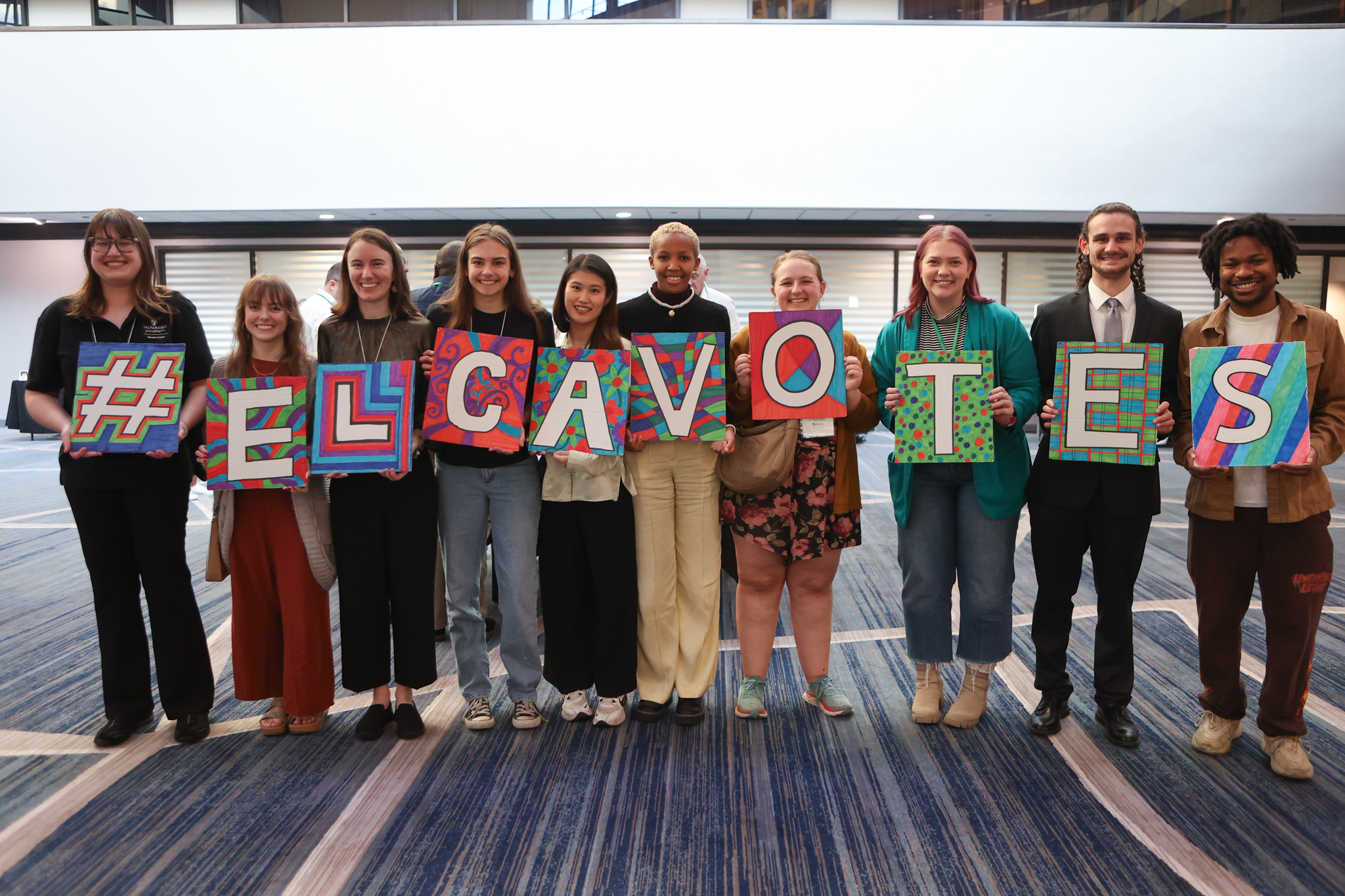
ELCA adult leaders holding up a sign that reads #ELCAVOTES.

ELCA adult leaders, shown here at the 2024 ELCA World Hunger Leadership Gathering in Houston, TX.

BRC is the office of the ELCA that represents the three direct service, intersectional justice ministries of the church: ELCA World Hunger, AMMPARO, and Lutheran Disaster Response. We meet human need and enhance human dignity, work to overturn oppression and injustice, and engage members and constituents collaboratively toward the flourishing of human community.

Program Highlights

  • Participants will create a project in, with, and for their community. BRL’s goal is to support leaders whose work throughout the program prioritize the stories of their community, is open to people from any identity or background, and increases their community’s power. The project might be a single event or seek to have longevity beyond the 12-month program. Some potential projects might be (but are not limited to):
    • Community-based mutual aid groups
    • Local community spaces (physical or virtual)
    • Safe spaces for marginalized people in a community (physical or virtual)
    • Regular resiliency training for community members
    • Local advocacy dedicated to building power for marginalized members of a community
    • First steps toward creation of local food-hub
    • Most importantly: participants do not need to have a project in mind before they start the BRL program.
  • Peer mentoring. In peer mentoring sessions participants will develop their project relationally, alongside other BRL leaders and an assigned mentor. Through reflection and open discussion, colleagues will hold one another accountable for the growth of their project and their leadership skills.
  • Participants will attend a monthly workshop series that will inform the growth of their project. Each workshop will feature experts from the ELCA ecosystem, focusing on different aspects of leadership development and community organizing.

BRL leaders benefit from the following:

  • Up to $1,000 in seed money to develop a community project.
  • Connection to the national, intergenerational network of ELCA justice ministries: ELCA World Hunger, Lutheran Disaster Response, and AMMPARO.
  • Tangible, transferrable skills for leadership in career, volunteering, and recreation.
  • Deepened relationships with people in their communities.
  • New connections with peers passionate about many of the same justice issues as themselves.
  • A prestigious addition to their resume.
  • The opportunity to shape a growing leadership development program from the ground-up, through participation in this inaugural cohort.

Participants’ Time Commitment:

  • Participation at a two-day, in-person orientation at the ELCA World Hunger Leadership Gathering in Columbus, Ohio in September.
  • 5 hours/month to attend and prepare for workshops and peer mentoring sessions.
  • Any time spent on their community-based justice project. This is up to the participant and depends on the extent of the project. Intensive work on projects will begin around November and continue into the following summer.
  • A final celebration and presentation of projects in August.

If you would like to nominate any adults in your life, please do the following:

  • First, let them know! When you do be sure to acknowledge and celebrate their leadership. Then, make sure the program is something they can commit to. Their participation in all elements of this program is required. Feel free to send the potential candidate the link to this page. They should also know there is a brief application process for nominees.
  • Once you have confirmation that one or more leaders in your life are interested and able to apply, please fill out this form.
  • Self-nominations are also welcome.

Questions?

Email Peter McLellan (ELCA Program Director, Hunger Education) at peter.mclellan@elca.org.

Mud on my Boots on Ash Wednesday

Cleaning the mud off my boots after a recent flood response, I noticed the grittiness of it.

It reminded me of preparing the ashes for Ash Wednesday. Burning last year’s celebratory palms, sieving them fine, mixing them with oil.

I see the impermanence of things, of even life itself, in the mud and ashes.

Ash Wednesday, a day when we acknowledge our mortality and our own return to dust.

Mucking out after a flood, removing what was once treasure that has now become trash.

Too often we overlook the physicality of the Christian faith in our anticipation of Heaven. We focus on the promise of our spiritual future, and, yes, that will be a wonderful thing. No more tears and reunions of all sorts. Wholeness that we can only wonder and dream about.

And yet, though we worship and celebrate God With Us, a peculiar God that took on the stuff of their own creation to be with their creation, we sometimes forget that there is more to the promise than “pie in the sky, by and by”.

The Kingdom of God is now, in the wine and bread, in the water and ashes, in our call to serve and love our neighbor.

The Kingdom of God is even found in flood mud.

No, really.

When we are more like Christ, do we become more human or less?

I believe we become more human, specifically, we become the humanity that God hoped we would be. Loving, caring, invested in one another’s well-being. Trusting in the abundance of God.

Watch what happens after a flood. Neighbors take each other in and make sure everyone is accounted for. Strangers show up to clean out houses, to offer hugs and listening hearts. Food is shared. Help is accepted and reciprocated. Communities mourn their losses as communities.

To quote a recent Welch, WV flood survivor: “We become human again.”

When we take on the ashes of Ash Wednesday or the mud from another flood, we become human again. We recognize our place in the Kingdom; we accept the invitation to participate in it.

Remember you are dust and to dust you shall return. Now, go out there and get muddy.


Reverend Deacon Mary Sanders and serves as a minister of word and service in West Virginia and western Maryland. Prior to seminary, she served as an environmental inspector for the West Virginia Department of Environmental Protection. Her sense of call is to serve the people and environment of Appalachia. She lives on her great grandma’s farm with two dogs and two cats and is surreptitiously planting a food forest around her cabin.


Humanitarian Response Training in Indonesia

Asia is one of the most disaster-hit regions in the world, with floods, cyclones, earthquakes, landslides, and volcanic eruptions. Unplanned urbanization, a steep increase in population, depleting forest green cover, and environmental degradation trigger the most severity and complexity.

The impacts are on the day-to-day lives of people, affecting their resources and disrupting earning sources, and delays in service delivery, poor health status, and loss of assets contributing significantly to acute food insecurity, inadequate access to safe water, sanitation, and hygienic conditions, loss of shelter, and settlements with increased health care risks.

Attendees of the humanitarian response training in Sidhikalang, Indonesia

Women and girls are always disproportionately affected, as in most disasters, loss to women/girls’ lives is greater. Lack of opportunities to learn, poor access to engage in the planning process, lack of care at the family level, gender-based violence(GBV), discrimination to exercise their human rights in different platforms, and overall recognition of gender roles in nation-building initiatives, increase their exposure to disasters. In our counts of countries in Asia that are hit by disasters every year, Indonesia is always in the news due to high frequency and multiple occurrences of hydro-geo-meteorological hazards.

As these recurring events target communities multiple times, it is very difficult for people to recover their losses and improve their resilience. Without strategic support, it becomes more challenging for the communities to plan for their future needs. When a disaster strikes in Indonesia, it depletes economic assets and breaks the sociocultural fabric of the society.

Subhashis Roy and Chandran Martin teaching in Sidhikalang, Indonesia

In such difficult situations where we witness the loss of life, livelihood, infrastructure, household assets, and environment, the role of Lutheran Churches in Indonesia has been widened being first responders to disasters. Lutheran Churches are strategically placed to address “people in need.” High risk with low coping capacity makes Indonesia more exposed to disasters and demands a strategic move to increase resilience toward disaster impacts.

Lutheran Disaster Response (LDR) is one unique flagship program of the Evangelical Lutheran Church of America(ELCA) that contributes to global, regional and national efforts in reducing the suffering and enhancing accountability for those affected by disasters.

Attendees from the humanitarian response training in Mentawai, Indonesia

ELCA acknowledges the role of Lutheran churches in Indonesia in saving lives, spiritual care, and leading life with dignity. Recognizing the role of Lutheran Churches in Indonesia, the ELCA contributes to increasing capacity through its multi-faceted and multi-sectoral support that help ELCA companion churches and ecumenical partners response to immediate and medium-term needs and spreads God’s love to people most in need.

Since 2023, ELCA has been accompanying the Komite Nasional Lutheran World Federation (KNLWF) in Indonesia to reach some of the most remote areas and increase their capacity to prevent, prepare, mitigate, recover, and build back better from disasters. In this journey, a successful accompaniment model has emerged that truly shares, learns, spreads, and transfers knowledge and resources for people to recover early. Based on the positive feedback and recognition of ELCA-supported capacity-building events in Indonesia, ELCA-KNLWF organized the 2nd phase of the training events in November 2024 in the Sidhikalang and Mentawai islands of Indonesia. More than 40 participants have actively engaged in such sharing and learning events.

Participants expressed very positive and overwhelming views on the significance of such events and preparing church members with tools and techniques that ease their role in disaster management.

Faith through the Storm: Rebuilding Together in Christ’s Strength

By Pastor Rob Rose, Assistant to the Bishop, Florida-Bahamas Synod
Republished from the Florida-Bahamas Synod E-Spirit Weekly Newsletter


The past week took me on a journey across our synod, from the west coast to the east, meeting with congregations that had been battered by both Hurricane Helene and Hurricane Milton, along with the tornados that tore through communities in their wake. Each stop was a poignant reminder of the resilience of God’s people in the face of unimaginable loss, and yet a call to remember that none of us faces these struggles alone. We are part of something much bigger—the Church together.


On October 20, I worshiped outside with the community of Paradise Lutheran Church in Treasure Island, led by Pastor Tom Mitchell. The flooding that ravaged their sanctuary is nothing short of devastating. With walls torn down and their beloved organ destroyed, they are still gathering, still worshipping. I met with their council, hearing stories of neighbors pulling together, even as the adjacent condominium complex was shredded by a tornado. More and more folks are returning each week, a testament to the faith that endures, even when the walls are gone.


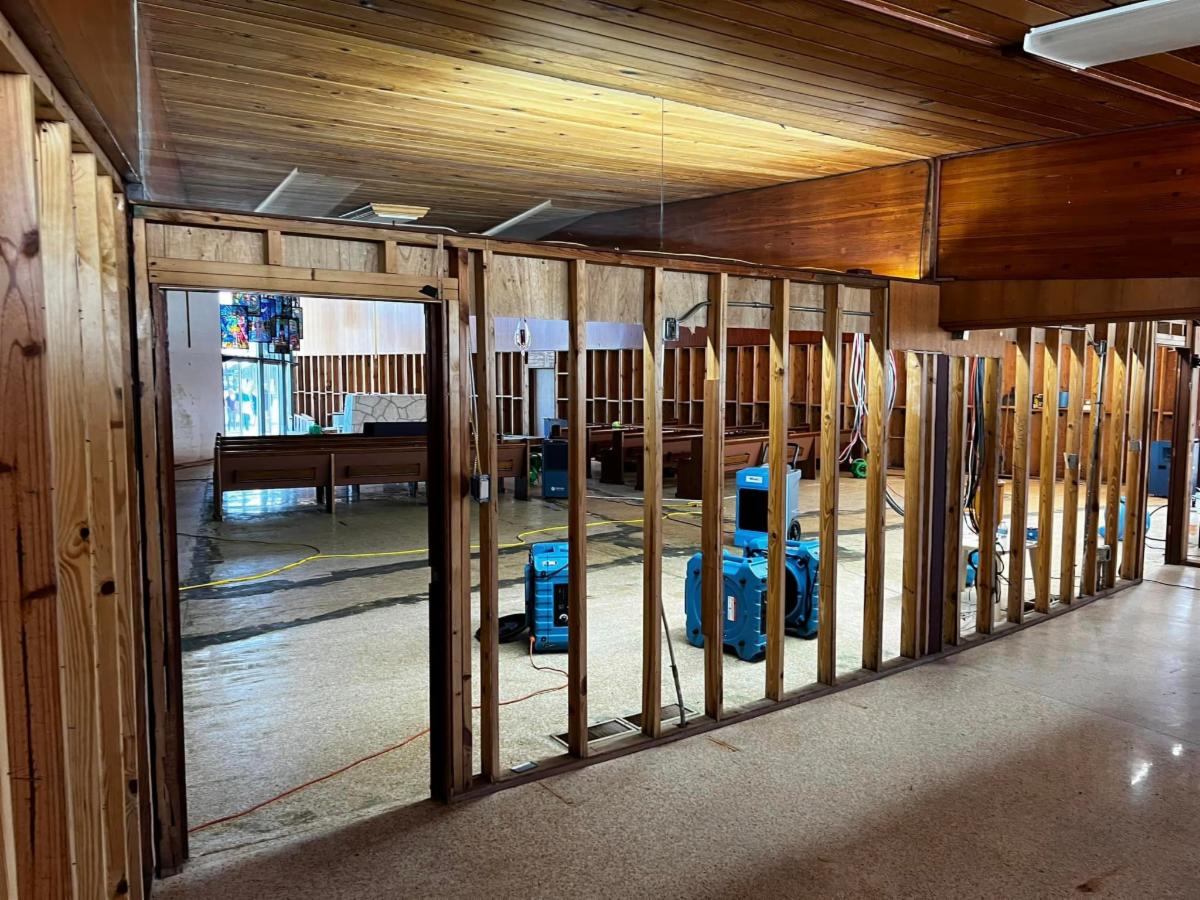
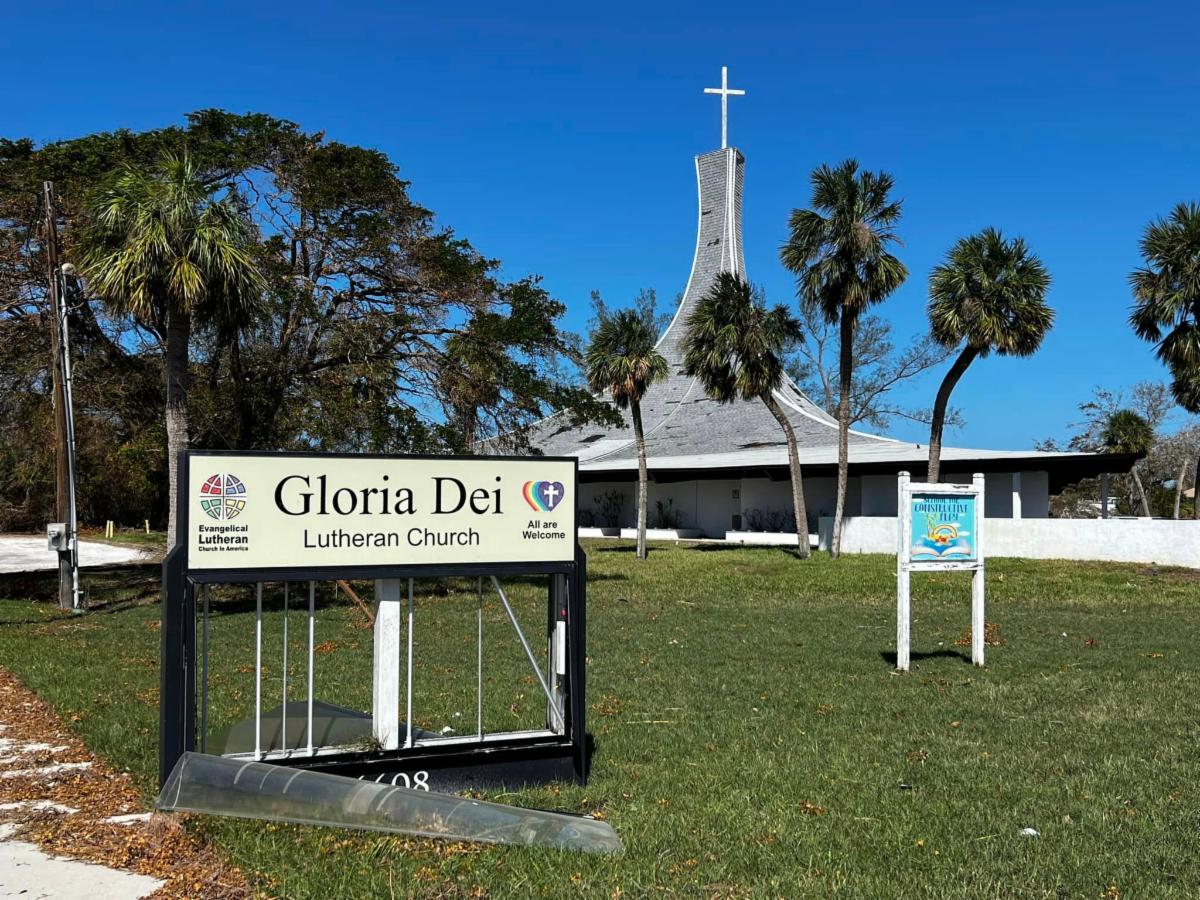
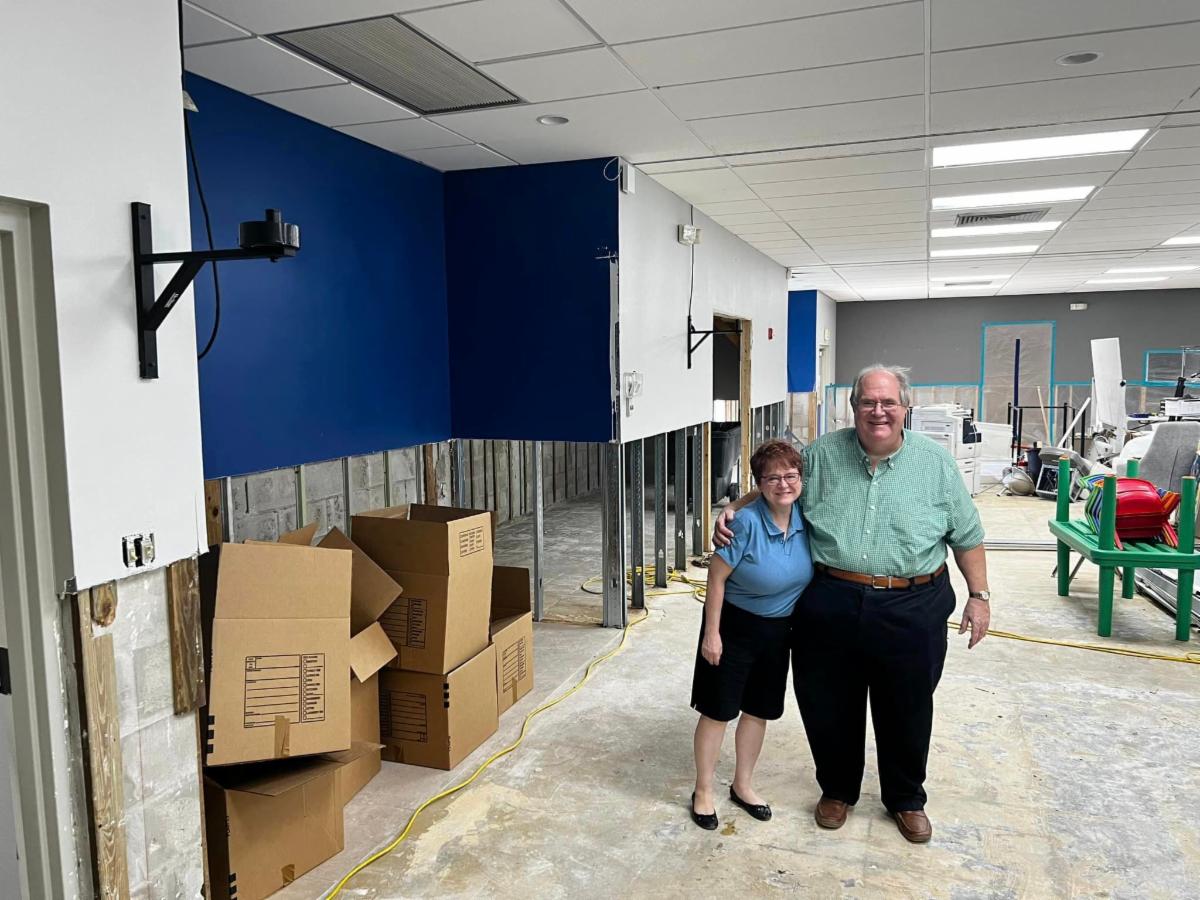
The following day, October 21, I visited Gloria Dei on Anna Maria Island. Pastor Bill Beljean and the leadership shared the long road ahead. The floodwaters have receded, but the scars remain—walls cut to above the flood line, a day school shut down, and the roof in need of major repair. This is a congregation standing at a crossroads, discerning how to move forward while holding onto the hope of renewal.


That same day, I traveled to the Lutheran Church of the Cross in St. Petersburg, where I met with Pastors Lisa and Bruce Burbank. The story was tragically similar: a flooded fellowship hall, personal belongings piled on street corners as families in the surrounding community begin the painful process of cleaning up and figuring out what comes next.


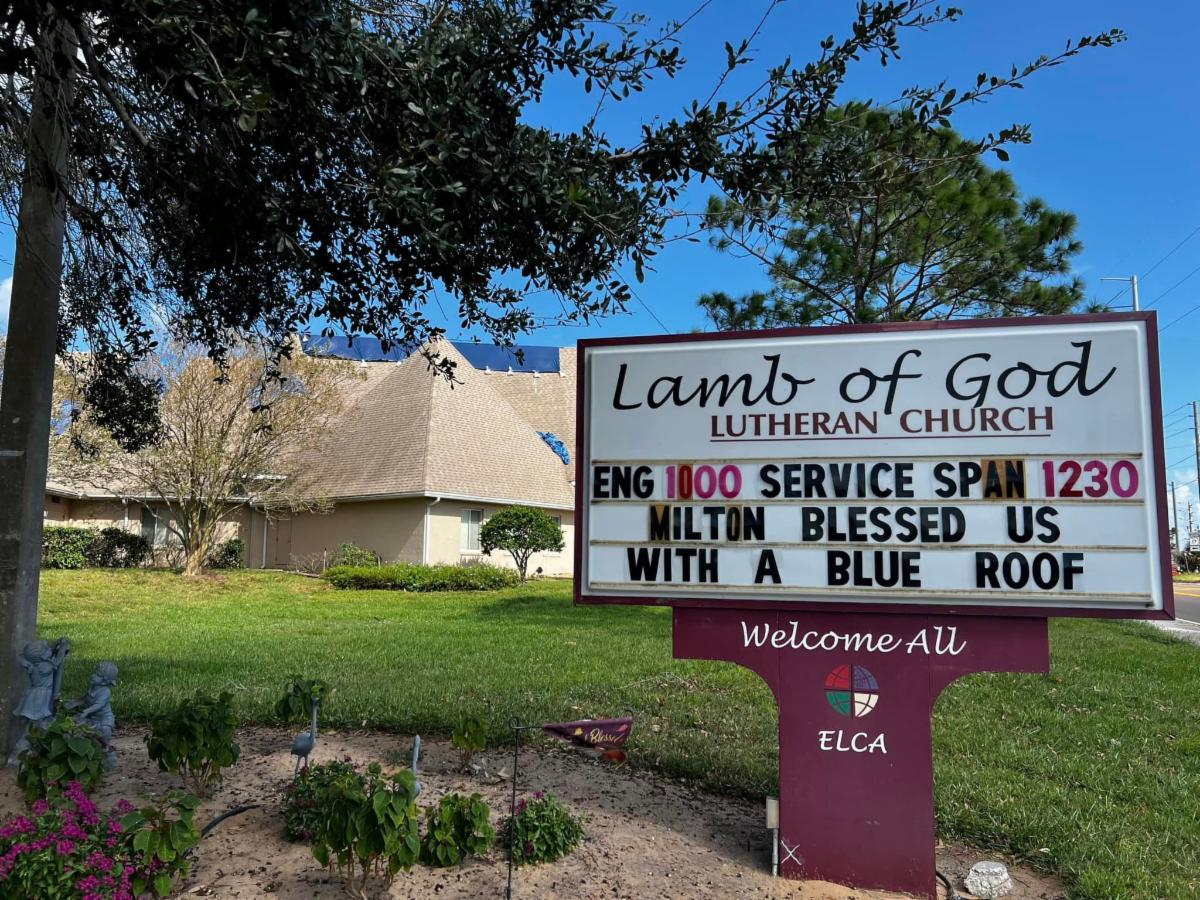
On October 22, I was with the congregation at Lamb of God in Haines City, where Pastor Greg Villalon shared how their roof, now patched with blue tarps, had been shredded by the winds. It’s a temporary fix, and their need is great, but the spirit of their leadership team was filled with hope, trusting in God’s provision and care.


Later in the week, I found myself on the east coast. On October 24, I met with Pastor Randy Kennedy of St. Andrew Lutheran in Port St. Lucie. Their building was spared, but that doesn’t mean they were untouched. Our conversation was one of ministry opportunities—how we, as the church, can respond to the needs that arise in the wake of these storms, even when the physical damage may not be to our own sanctuaries.


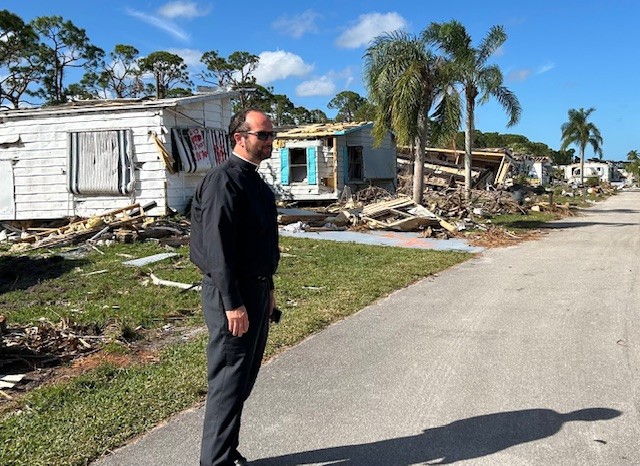
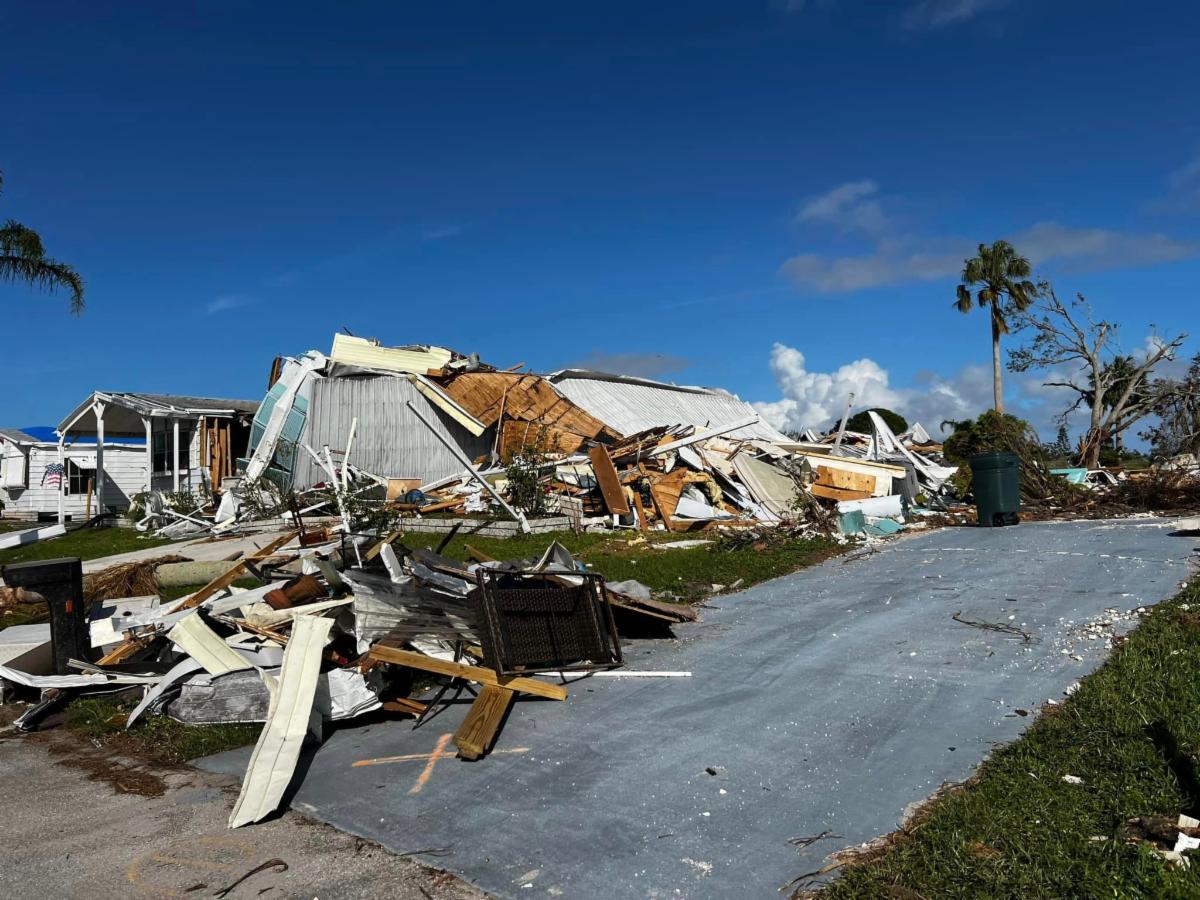
That same day, I also visited Our Savior Lutheran in Vero Beach, where Pastor Mark Bernthal and I walked through a community shredded by tornados. Tricia Getzewich, a member of Our Savior, showed us the trail of destruction, pointing out where homes once stood, now just heaps of debris. There were lives lost here. Homes ripped from their foundations like paper tossed into the wind. Healing in this community will take time—time that we must walk alongside them as the bigger church.


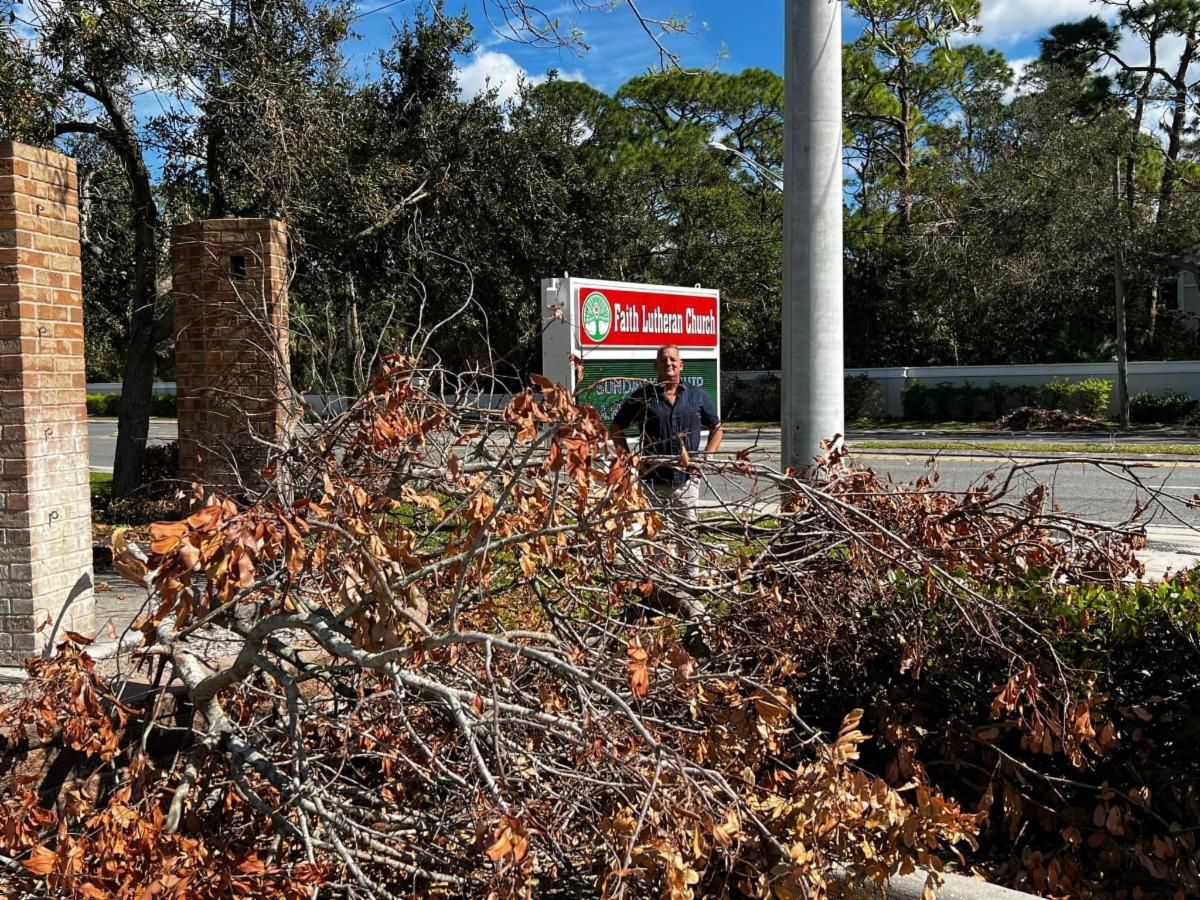
October 25 brought me to Sarasota, where I met Pastor Eric Olsen of Faith Lutheran. The church itself sustained minimal damage, but the surrounding community was hit hard. I was moved by Pastor Olsen’s vision for the future, hoping to one day equip the church with a generator so they can be a beacon of warmth and light, providing hot meals and showers for their neighbors after storms like this one.


Later that day, I visited St. Armands Key Lutheran Church in Sarasota, where Pastor Ken Blyth walked me through the overwhelming destruction left by both hurricanes. The sanctuary, offices, and other parts of the church had been completely gutted, with the remnants of what was once a vibrant house of worship now filling dumpsters—water-logged pews, ruined hymnals, and countless books and files beyond repair. Amid that loss, he also showed me the newly renovated memorial garden. The garden had recently been lovingly planted, only to have it all drowned in saltwater… the vibrant plants now withered and lifeless. And yet, despite the devastation all around, there was an energy of resilience among those working tirelessly to rebuild, a hope that no floodwaters could wash away.


Finally, on Reformation Sunday, October 27, I worshipped with Atonement Lutheran in Wesley Chapel, led by Pastor Scott Lindner. Their sanctuary bears a gaping hole where the winds of Hurricane Milton tore through the roof. They are still waiting to know the full extent of the damage, but one thing is certain – they are committed to their calling to be a gathering of faith.


As I reflect on this journey, I am profoundly reminded that we are not defined by the storms of life, but by our faith in Christ, who is our refuge and strength. “God is our refuge and strength, an ever-present help in trouble” (Psalm 46:1). The synod provides emergency grants to congregations who provide them to both members and neighbors alike. Already, more than 40 emergency grants have gone out to individuals and families as they work to rebuild their lives, and more are going out. This is a clear sign that we, as the body of Christ, are moving together in faith and solidarity. Every dollar donated to the hurricane disaster fund is being used to support these efforts—100% of it going directly to help those impacted by the storms.

To all who have given, prayed, or sent words of encouragement – thank you! The road ahead may be difficult, but with Christ as our foundation and our community as our strength, we are church together. We will rebuild, and through it all, God’s faithfulness endures.

*  * * *