Skip to content
ELCA Blogs

Lutheran Disaster Response

World Humanitarian Summit

What happened?

The first ever World Humanitarian Summit (WHS) took place last week. The summit was a global call to action with three main goals:Share_Humanity1

  1. To re-inspire and reinvigorate a commitment to humanity and to the universality of humanitarian principles.
  2. To initiate a set of concrete actions and commitments aimed at enabling countries and communities to better prepare for and respond to crises, and be resilient to shocks.
  3. To share best practices which can help save lives around the world, put affected people at the center of humanitarian action, and alleviate suffering.

At the Summit, global leaders– approximately 5,000 leaders from government, voluntary agencies, affected communities, and many others– were tasked with discussing how to effectively respond to major humanitarian challenges, and how to be better prepared to meet challenges of the future.

United Nations Secretary-General, Ban Ki-moon, lifted up five core responsibilities in his opening statement:

  • Prevent and end conflict
  • Respect rules of war
  • Leave no one behind
  • Working differently to end need
  • Invest in humanity

What does this all mean and why should we care?

The world’s largest humanitarian crisis, since WWII, is happening right now. In 2015:

  • 125 million people were in need of humanitarian assistance
  • 60 million people were forced from their homes
  • 37 countries were affected
  • $20 billion dollars were needed

These statistics continue to ring true. Every day, more than 100 million people affected by natural and man-made disasters face impossible choices.

 And you shall love the Lord your God with all your heart and with all your soul and with all your mind and with all your strength.’  The second is this: ‘You shall love your neighbor as yourself.’ There is no other commandment greater than these.

Mark 12: 31

As members of the body of Christ, we are called to love our neighbor. Love is not still. Love does not look from a far and hope for better. Love creates hope for those affected. Love is action. With the world watching, leaders from all over made commitments to be present in the world and love their neighbors. Lutheran Disaster Response will continue to bring God’s hope, healing and renewal to people whose lives have been disrupted by disasters in the US and around the world. Keep us in your prayers as search for more efficient and effective ways to serve our neighbors.


Be a part of the response:

Pray

Continue to pray for the people affected by disaster, may God’s healing presence comfort them in their time of need.

Give

Your undesignated gifts to Lutheran Disaster Response will be used where the need is greatest.

Connect

To learn more about what Lutheran Disaster Response is doing:

  • Visit our website at LDR.org
  • Sign up to receive Lutheran Disaster Response alerts.
  • Like Lutheran Disaster Response on Facebook.
  • Follow us on Twitter.

To learn more about the World Humanitarian Summit:
Kumamoto Earthquake: Nobuo Inoue

On April 14, 6:25 pm local time, a 6.5-magnitude earthquake hit Kumamoto, Japan. Another 7.3-magnitude earthquake hit Kumamoto only 2 days later. Over 1,000 aftershocks continued to shake the area between and after the 2 earthquakes. To date, there have been 49 confirmed deaths, including a member of Kurume Lutheran Church, and over 25,000 buildings deemed unsafe, leaving many homeless. The ELCA has 10 mission personnel in Kumamoto and along with our companions, have been reported safe. Lutheran-affiliated buildings received some damage.

Nobuo Inoue’s Story

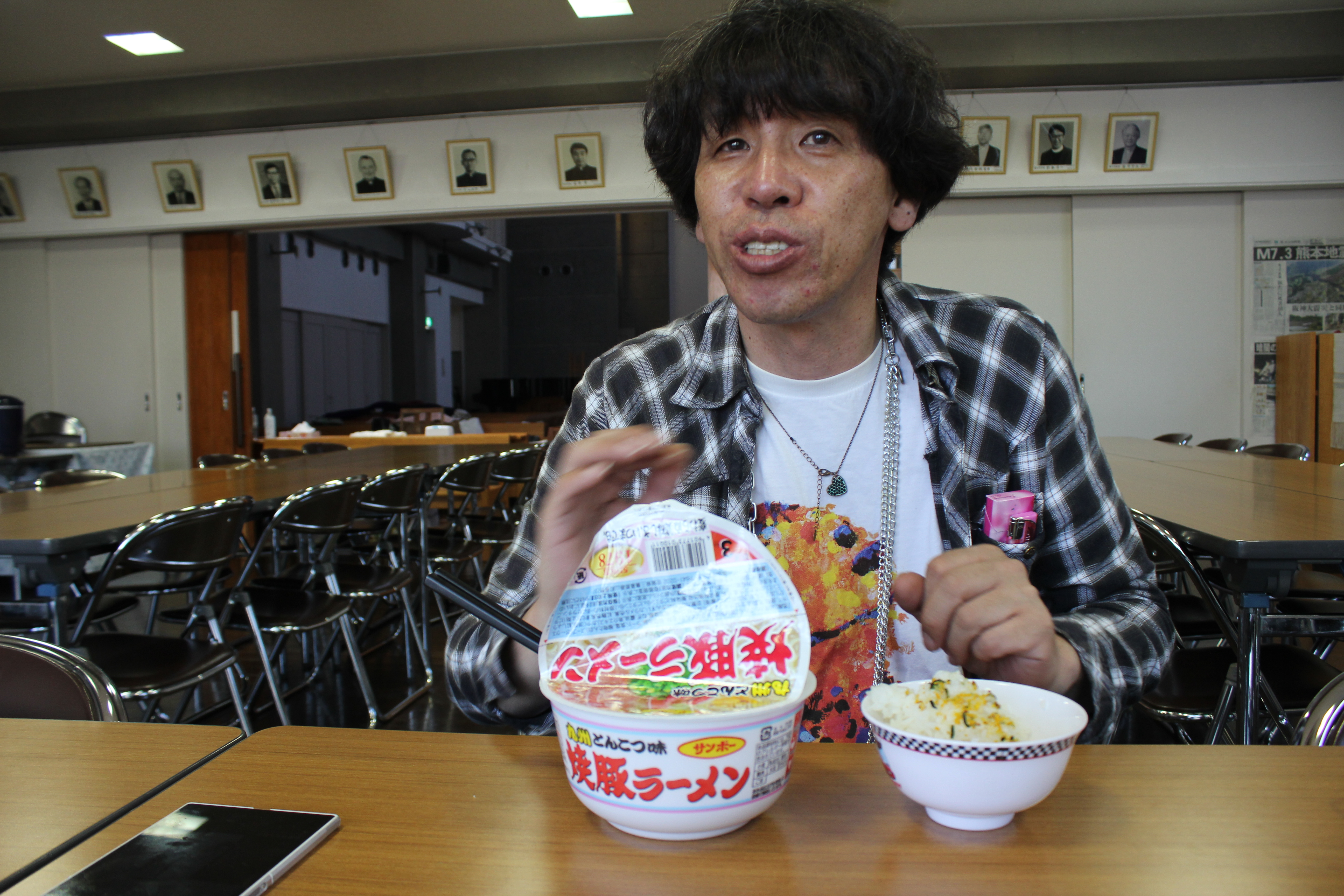
Japan1_Ishida-NobuoNobuo Inoue’s home was fine after the first earthquake on April 14. However, the second quake, in the early hours of April 16, made his house completely unstable. “I don’t know how I got out,” recounts Inoue. “The power had gone out and somehow I escaped my house,” he said. “If there was any sign of hope, the cross I had hanging in my entrance way remained.”

Being in the construction business, Inoue was called by Pastor Motoi Koizumi to come help repair some damage done to Kengun Lutheran Church. “I felt so alone after escaping my house that I came right to church.”

Now, Inoue lives in his car while he takes his meals at the church. In fact, the church has housed as many as 40 whose homes became inhabitable after the earthquakes, as well as proving meals to those whose livelihoods have been disrupted.

Inoue can safely re-enter his house and in his gratitude for what his congregation has done to help him, he wants to take in those who remain homeless.

Story and photo by: Franklin Ishida, Area Director for Asia Pacific

The earthquakes were the strongest that have hit Japan in the last five years. The Lutheran churches and schools in Kumamoto are gathering points for people, like Nobuo, in their communities, and their members are helping provide whatever assistance is still needed. Working with our trusted partners and the Japan Evangelical Lutheran Church, Lutheran Disaster Response is working to bring God’s hope, healing, and help to those affected by the earthquakes.


Be a part of the response:

Pray

Continue to pray for the people affected by the earthquakes. May God’s healing presence comfort them in their time of need.

Give

Gifts to Lutheran Disaster Response, International will be used to assist those directly impacted by the earthquake until the response is complete. Select Lutheran Disaster Response, International from the Designation drop-down list.)

Connect

To learn more about the situation and the ELCA’s response:

  • Sign up to receive Lutheran Disaster Response alerts.
  • Check the Lutheran Disaster Response blog.
  • Like Lutheran Disaster Response on Facebook and follow @ELCALDR on Twitter.


The Kumamoto Earthquake

“Starting to work again, but for others”

By: Takeshi Komino


April 26th 2016

One missing body has been found in Aso-Mountain yesterday, and the death toll from direct consequence of earthquake is now 49.  In addition to this number, at least 13 people have lost their lives due to hardship during evacuation process. For many, the start of the week was a mixed one; some started to clean the rubble in their houses, some started to work, and some are still not ready to go outside of evacuation center.  There are many scenarios, but even for those who started to go to work, their primary motive seems to be ‘assisting others’.

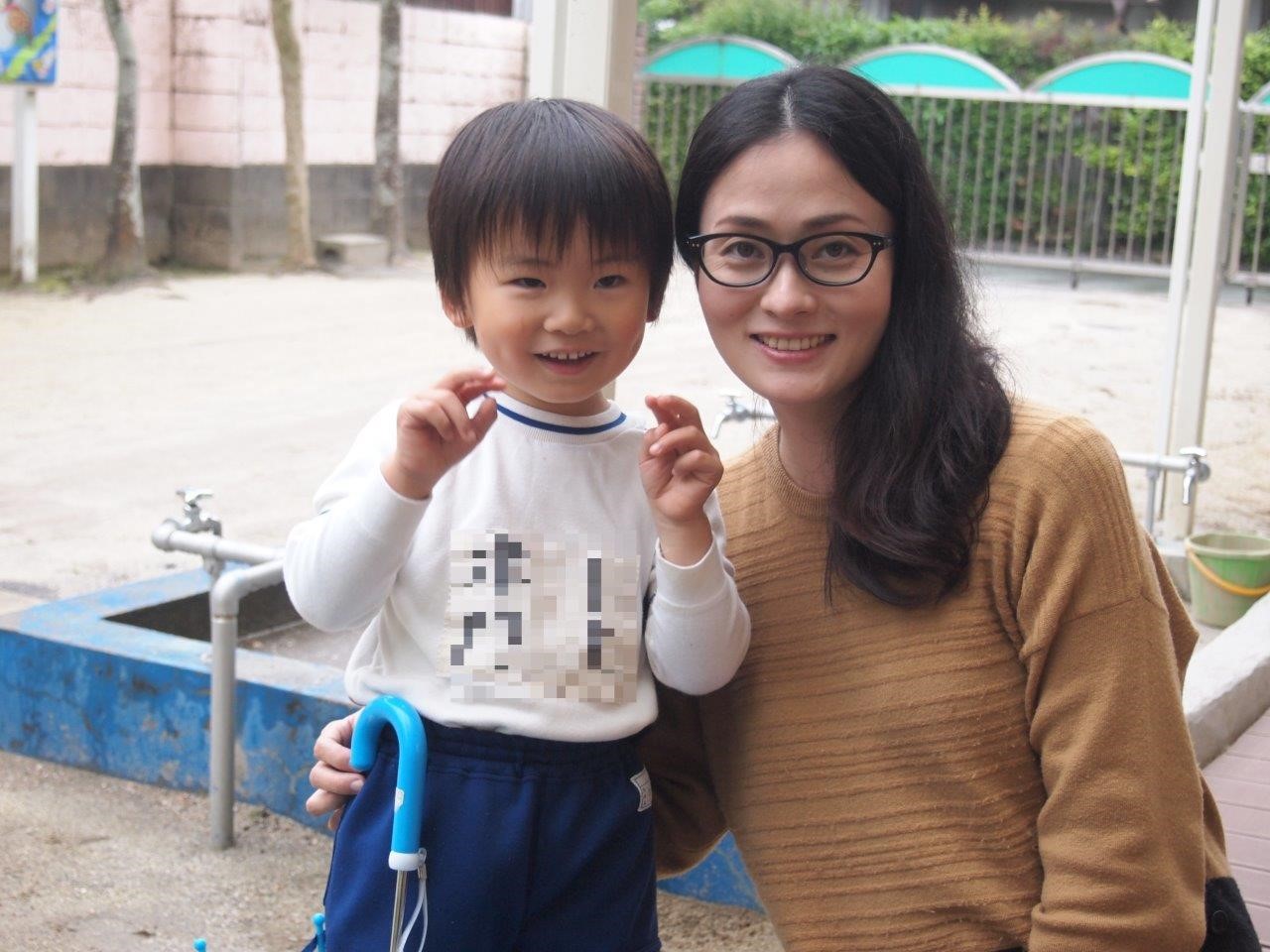
Japan1_KominoMs. Rika, a pregnant mother with her son Mondo (rare name in Japanese, but they named him after Italian/French word of ‘the world’), stayed in a car after the earthquake for 10 days.

Staying and sleeping in the car was not an easy thing, and even after major part of their house was cleaned up, Mondo refused to go back home, and he named their car ‘a house at the time of earthquake’.  After a while Mondo accepted and their family went back home, but he doesn’t want to sleep alone in a bedroom while his mother is in the living room.  Being close to his loved ones seem to be keeping him up from traumatic experience nearly 2 weeks ago.

Being able to go to kindergarten seems like a great relief for many children.  This is a place where children can feel safe, with teachers they are so much used to.  Parents are also relieved as this gives them time to work or to do necessary clean-ups and administrative processes towards their recovery.

While I was seeing and hearing about how this helps the children and parents, I wondered where these teachers and caretakers come from.  Are they not affected?  When I asked this question, all of them replied ‘we are also from this community, and we come here from our cars or evacuation centers’.  Despite the fact that they have the same needs as other affected community members, they come here and work.  One of them said “because they need this”.

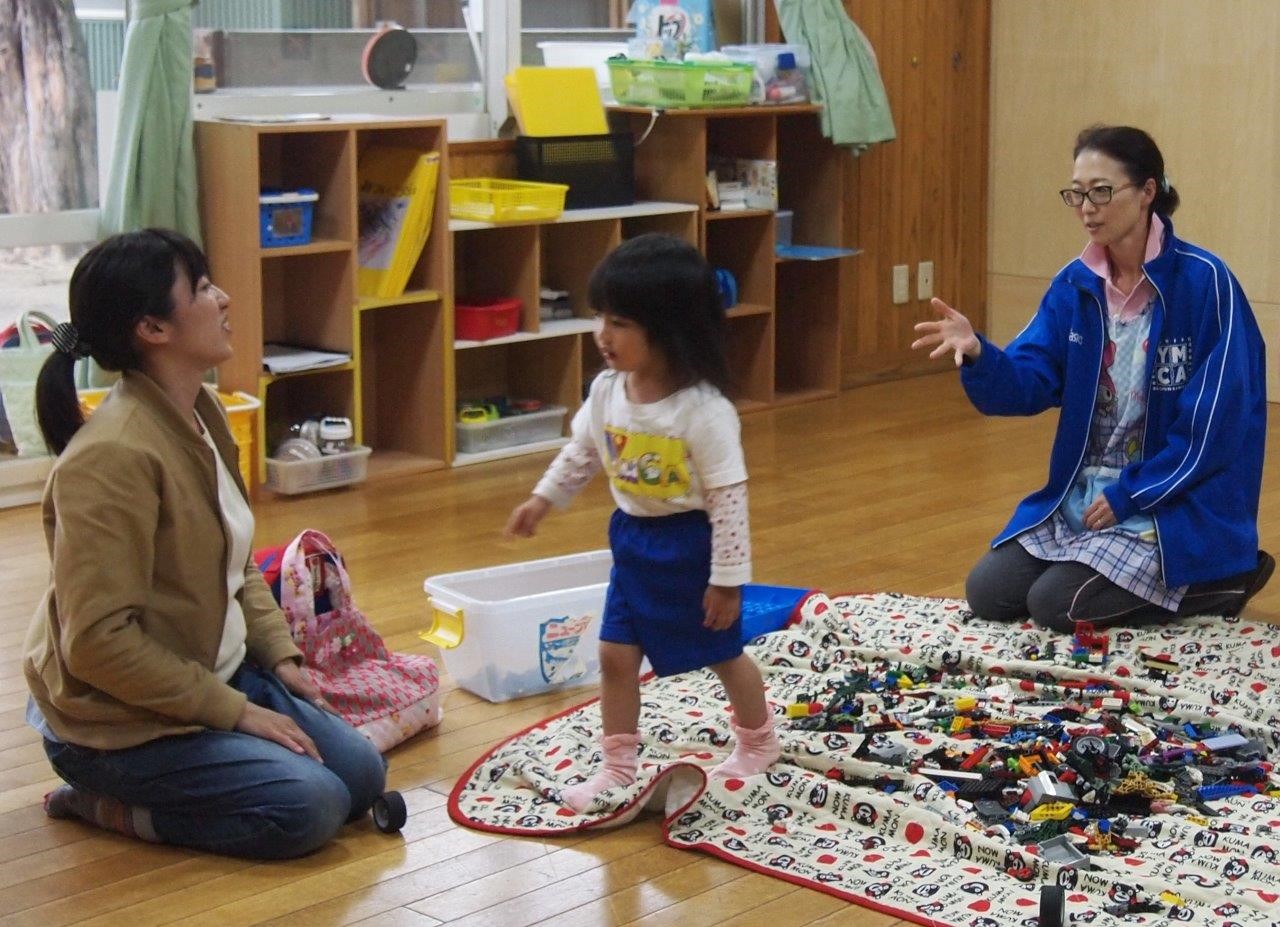
Japan3_KominoMs. Uemura (above photo: right) was reporting to the mother how her daughter was during the day, and what she could do well.  The mother then asked her ‘how should we deal when the child refuse to do everything?’.  These are questions all parents ask at some point in time, and presence of people like Ms. Uemura is very encouraging for young parents.  After this family went home, I asked Ms. Uemura about her own situation.  She said “my children are now living with my sister so that I could work here”.  Initially, she thought she would be away from her children for a week until the school for her children re-opens, but it is over 10 days now, and she doesn’t know how much longer it would take for her to reunite with her own children.

Every day counts when one has a young child, because they grow up every day.  It is not easy to be away, but she made a conscious decision of come here and work.  When I asked why, she said “I think it is natural when you work for YMCA”.  It seems to link with what other teachers said “because they need this”.

All interviews and photos are by Takeshi Komino, Japan Country Representative, Church World Service.


Be a part of the response:

Pray

Continue to pray for the people affected by the earthquakes. May God’s healing presence comfort them in their time of need.

Give

Gifts to Lutheran Disaster Response, International will be used to assist those directly impacted by the earthquake until the response is complete. (Select Lutheran Disaster Response, International from the Designation drop-down list.)

Connect

To learn more about the situation and the ELCA’s response:

  • Sign up to receive Lutheran Disaster Response alerts.
  • Check the Lutheran Disaster Response blog.
  • Like Lutheran Disaster Response on Facebook and follow @ELCALDR on Twitter.