Skip to content
ELCA Blogs

Lutheran Disaster Response

Ukraine: Humanitarian assistance to refugees and IDPs in areas of conflict

The armed conflict in Eastern Ukraine has created a humanitarian crisis. Thousands of homes, factories and mines have been destroyed, and the fertile land of the region has been torn apart, which has damaged the farming legacy in Ukraine.  According to a Jan. 9, 2015, report from the United Nations Office for the Coordination of Humanitarian Affairs (OCHA), 5.2 million people are living in conflict-affected areas, more than 633,500 people are internally displaced, and more than 593,600 people have fled Ukraine for neighboring countries. People are homeless with no social or health infrastructures to help them meet their daily needs. This situation is exacerbated by the current winter weather conditions.

Working with ACT Alliance members Hungarian Interchurch Aid and the Russian Orthodox Church, Lutheran Disaster Response is providing food, water, blankets, diapers and hygiene kits to approximately 20,000 refugees and IDPs who are from conflict-affected areas in Donetsk and Lugansk regions of Ukraine, with particular attention given to women and children. Psychosocial assistance will also be provided to the refugees and IDPs receiving materials.

Please join us as we pray for our brothers and sisters who are running from conflict in Ukraine. We will continue to accompany them and
work with our partners to provide assistance in the midst of this crisis. If you would like to support Lutheran Disaster Response’s work to provide humanitarian assistance in Ukraine, please visit the giving page.

Unaccompanied and Migrant Children: Continuing to welcome, advocate and provide care

OurWork_Disaster_UnaccompaniedMigrantChildren

More than 70,000 unaccompanied and migrant children from Central America arrived in the U.S. in 2014. Most of these children are from Honduras, El Salvador and Guatemala, countries that are facing a host of harsh situations, including drug trafficking, violence, sex trafficking, poverty and exploitation. The migrant children are fleeing and seeking safety.

Lutheran Disaster Response has been engaging global companion churches, U.S. congregations, partners and affiliates who are in the midst of this situation. One partner we are working with is Lutheran Immigration and Refugee Service (LIRS). LIRS has been providing refugee services to families and unaccompanied children for decades.

Through an initial disbursement of $183,700, Lutheran Disaster Response is working with LIRS to create training materials for foster families, develop welcoming centers for families that are newly-released from detention centers and provide advocacy for refugee families and unaccompanied children. We will also continue working with LIRS to plan and coordinate with other U.S. and Central American partners.

We will continue to engage our churches, partners and affiliates to provide education on this situation and to help ensure the safety of children who are fleeing. As a church that is called to love and welcome, we answer the call when children who are running from harm and hunger arrive in our communities.

If you would like to support Lutheran Disaster Response’s work with unaccompanied and migrant children, please visit the response page.

South Asia Tsunami: The Vellipalayam Jubilee Village 10 years after the tsunami

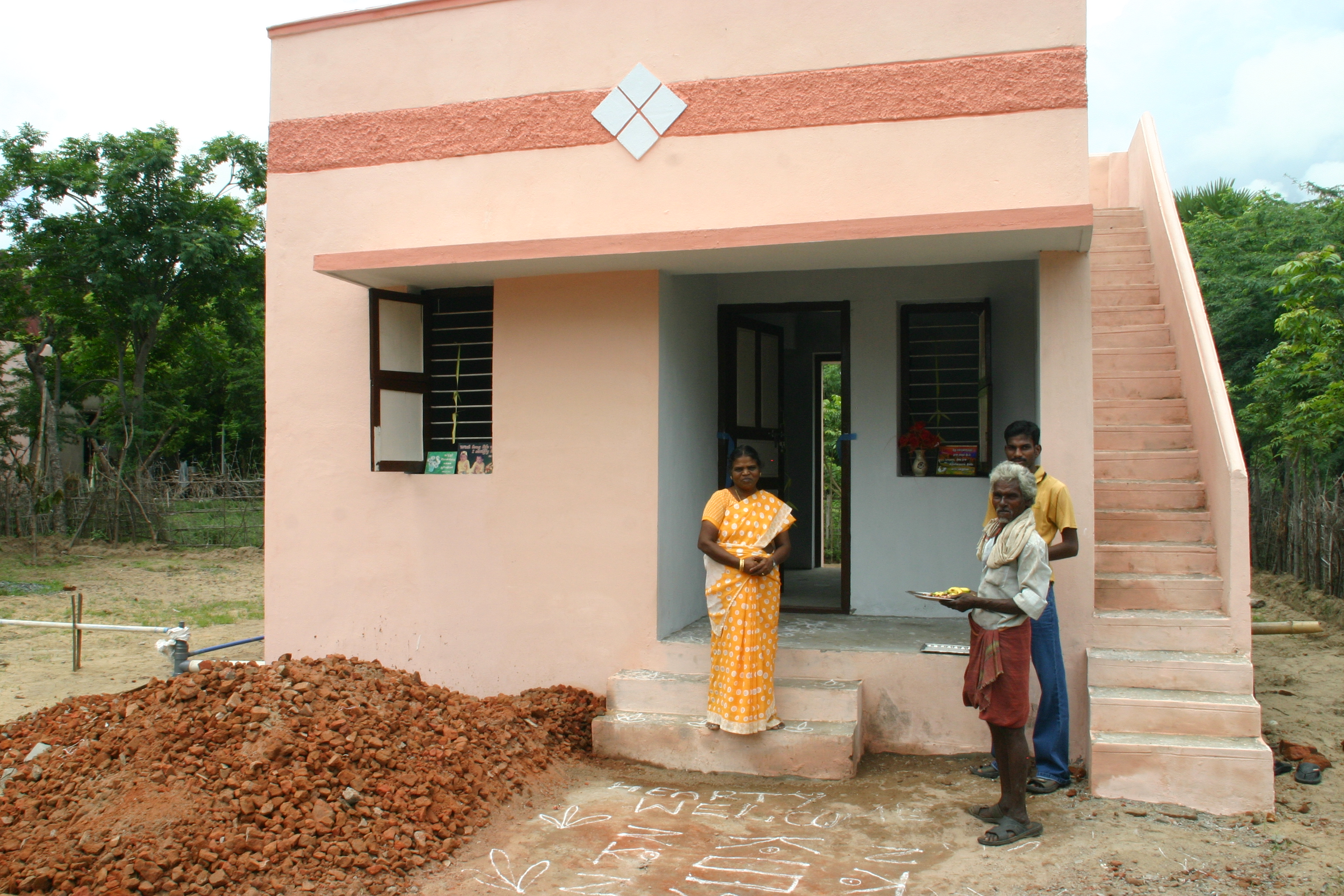
Pictured: A home in the Vellipalayam Jubilee Village. Photo courtesy of Franklin Ishida/ELCA.

Pictured: A home in the Vellipalayam Jubilee Village. Photo courtesy of Franklin Ishida/ELCA.

It has been ten years since an earthquake struck off the coast of Indonesia on Dec. 26, 2004, and caused a tsunami with waves reaching to 100 feet. The tsunami affected 14 countries and killed more than 230,000 people, making it one of the deadliest natural disasters in recorded history.

The ELCA responded immediately by sending a 15-person delegation to affected areas to express solidarity and meet with partners, and ELCA congregations and individuals responded generously by giving more than $11.4 million for tsunami relief and recovery projects. This support allowed Lutheran Disaster Response to not only take action immediately after the storm but to also accompany our brothers and sisters who were impacted over this past decade as they have journeyed on the long road of recovery.

One location where Lutheran Disaster Response and the greater ELCA have been active is in the Tamil Nadu state in India.

“The ELCA’s response and engagement with the South Asia Tsunami began almost as it occurred,” says Chandran Martin, formerly the executive secretary for the United Evangelical Lutheran Churches in India (UELCI) and currently the ELCA Global Mission regional representative for South Asia. “At the time [of the tsunami], the UELCI, a partner of the ELCA, was responding to the aftermath at the relief stage. Empowered by the solidarity with the ELCA, the UELCI was able to deal with several challenges in planning and operations.”

One such challenge that the UELCI and Lutheran Disaster Response took on was including people who had received little to no assistance, the Dalits, who were then known as “the untouchables” in India’s caste system. In the Tranquebar area, where Lutheran missionaries first arrived in India more than 300 years ago, a Dalit community that was impacted was restored and developed into the Vellipalayam Jubilee Village, where 114 permanent homes were built.

In addition to the new homes in the Vellipalayam Jubilee Village, a sense of identity and self-sustenance was emphasized. Development processes for health and education were put into place, which have promoted health awareness and improved health conditions in the area. Micro-financing and self-help groups were created, which resulted in several job markets, including sewing and metal-working.

These steps helped pave the way for a movement toward greater economic justice in the area, according to Martin. “Through the micro-credit process, seven self-help groups have been formed by women in the area. They are seeking a better livelihood through this process, and the communities are gradually taking control of the processes around them.”

While the rebuilding and construction of the Vellipalayam Jubilee Village has ended, the ELCA continues to walk with our brothers and sisters in India who were impacted by the tsunami as they continue to work on capacity building and sustainability. “The communities in Vellipalayam have truly experienced this solidarity, partnership and accompaniment over the past decade,” Martin says.