
When I was a child growing up in the late eighties and early nineties with Cerebral Palsy, I was asked one question over and over again. The children didn’t know how to ask me about my disability, so they simply asked, “What’s wrong with you?” I heard the question so many times that I began to believe there was something wrong with me. I started to wonder why God had made me wrong. As I went from childhood to adolescence, I began to fight depression and feeling like I didn’t belong. I didn’t have the language to articulate what I was experiencing so what came out of my mouth was, “Nobody loves me.” I didn’t have many friends growing up and I often felt alone.
 Language matters a great deal. When you grow up being asked, “What’s wrong with you?” multiple times a day the cumulative effect damages the psyche. People living with disabilities receive messages from the culture through the things we hear on a regular basis. I have not been asked, “What’s wrong with you?” in many years, but I continue to struggle with my self-worth. Today we continue to hear things in the culture like, “That’s so retarded,” and it continues to serve as a reminder that those of us who are different are not always welcomed in this culture.
The church is not exempt from this issue. In many ways the church continues to send the message that those who are different are not welcomed. We continue to use disabilities as metaphors for sin and faithlessness like, “I once was blind but now I see.” We continue to insist that God “hear our prayer,” instead of “receive our prayer.” We continue to use language like “We see you”, when other words can hold just as much meaning and impact in faithful and positive ways. For example, the word “Sawubona” is a South African phrase that does mean “I see you”. But it isn’t meant to mean simply looking at another person. It goes deeper and expresses recognition of the person in front of you. Recognition of being known and considered worthy, as a whole person who matters just as they are. We don’t have to keep using words and phrases that can send a message that a person who can’t see or hear has something wrong with them.
Just like I was asked, “What’s wrong with you?” like a million times as a child, so too do these infractions add up and continue to have a cumulative effect on people with disabilities. That is no small thing. When you continue to receive messages that you are broken or deficient it has an impact. When those messages are coming from the church itself then it says something about the God we serve.
Like I said earlier, as a child I wondered why God made me wrong. I dealt with depression as a teenager. As we continue to use harmful language, I wonder what kind of impact it has on young people living with disabilities. Is there a child or teenager out there somewhere wondering if there is any place for them in this world when the only message they keep hearing is, “You are broken”?
This is the part of this article where you might expect me to encourage the church to do better or try harder, but I don’t want to do that. I feel like trying harder allows room for error. I want it to be abundantly clear, Jesus welcomes people living with disabilities. It is not up to the church to try harder; it is up to the church to decide whether it wants to be aligned with Jesus or not. We have to stop treating this language issues like it’s something we need to continue to work on and instead treat it like the matter of life and death that it is. There might just be another young person, like I was, feeling unloved and contemplating suicide this day. They wonder if there is any place where they belong, but the church too often sounds just like the culture that tells them that they are broken.
You see each time we ask to pray for healing for a person with a disability we cause pain. Each time we tell someone that heaven will be great because they will no longer be disabled there, we cause pain. Each time we say, “I see you” or ask God to, “hear our prayer,” we are sending a painful message that those who can’t see or can’t hear are somehow deficient. These things add up and the cumulative effect is like death by a thousand blows. No incident is a one-off mistake in a culture that sends a steady message of deficiency. The church has to separate itself from this ableist culture and live as the Kingdom of God here and now. People with disabilities are longing for a place where they belong and are welcomed. If we will join Jesus in his mission of welcoming those whom this world dismisses then we may very well just save a life. So where will you stand O church, on the side of the ableist culture, or the side of Jesus?
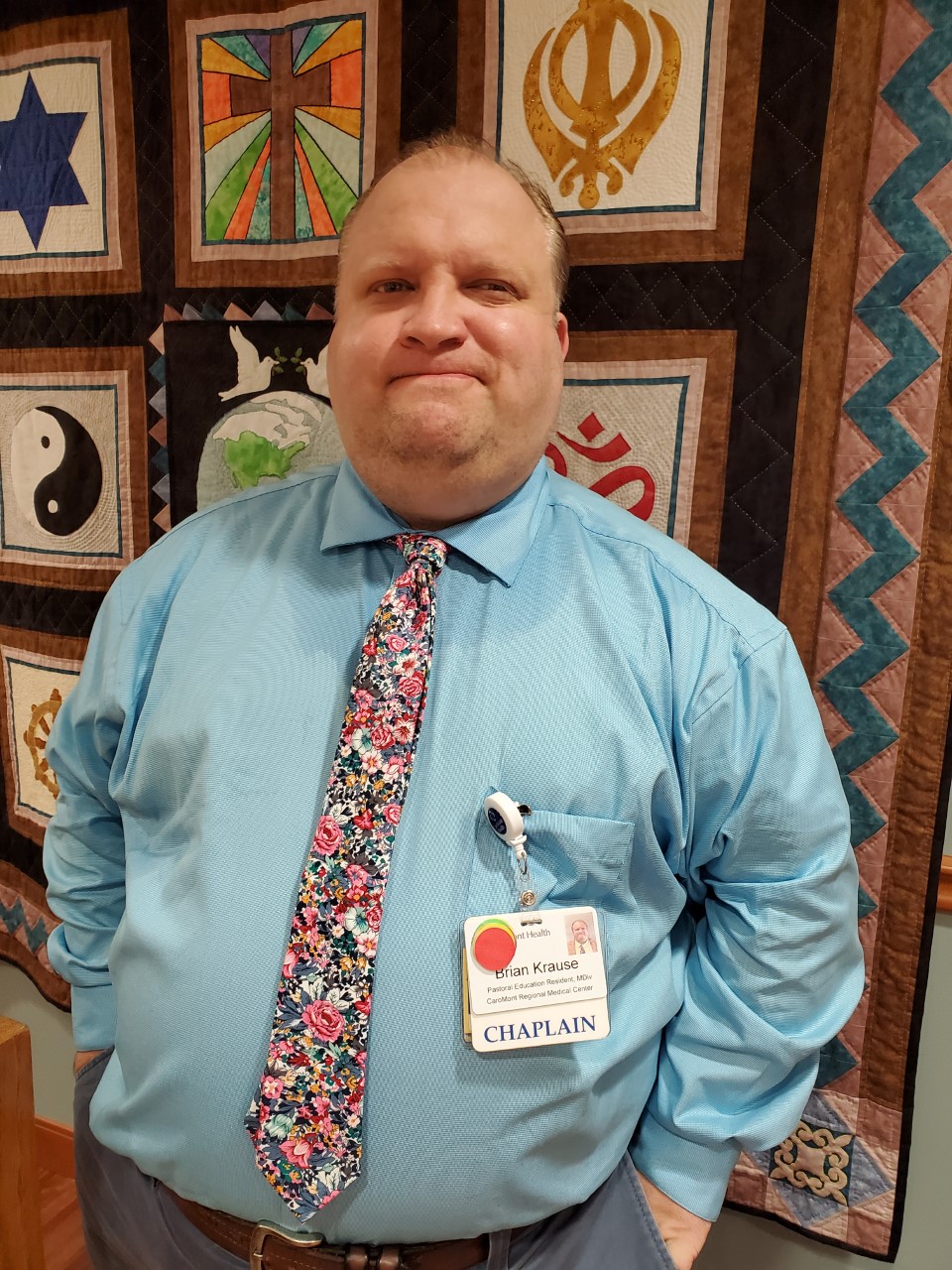
Rev. Brian Krause is a member of the ELCA Disability Ministries Advisory Team, and serves as the Director of Pastoral Care at Missouri Slope, Bismarck, ND