ELCA Disaster Response

ELCA churchwide response to disasters in the U.S. and around the world; look for sections of this blog related to specific disaster locations. Comments are welcomed and moderated.

Kenya: Feeding School Children, Pastoralists Become Farmers & More

Posted on March 12, 2012 by Matthew Ley

The following is a great update from the ACT Alliance of ongoing responses in Kenya to the drought which has been affecting the area since early last summer. Read how a feeding program has improved the lives of students and is in the transition to a sustainable community gardening project. Also, see how a traditional pastoralist is learning to become a farmer and read of education is the hope for the future.

ACT Alliance members transform lives in Kenya
By George Arende

Emukutan primary school pupil receiving food from ACK feeding program.

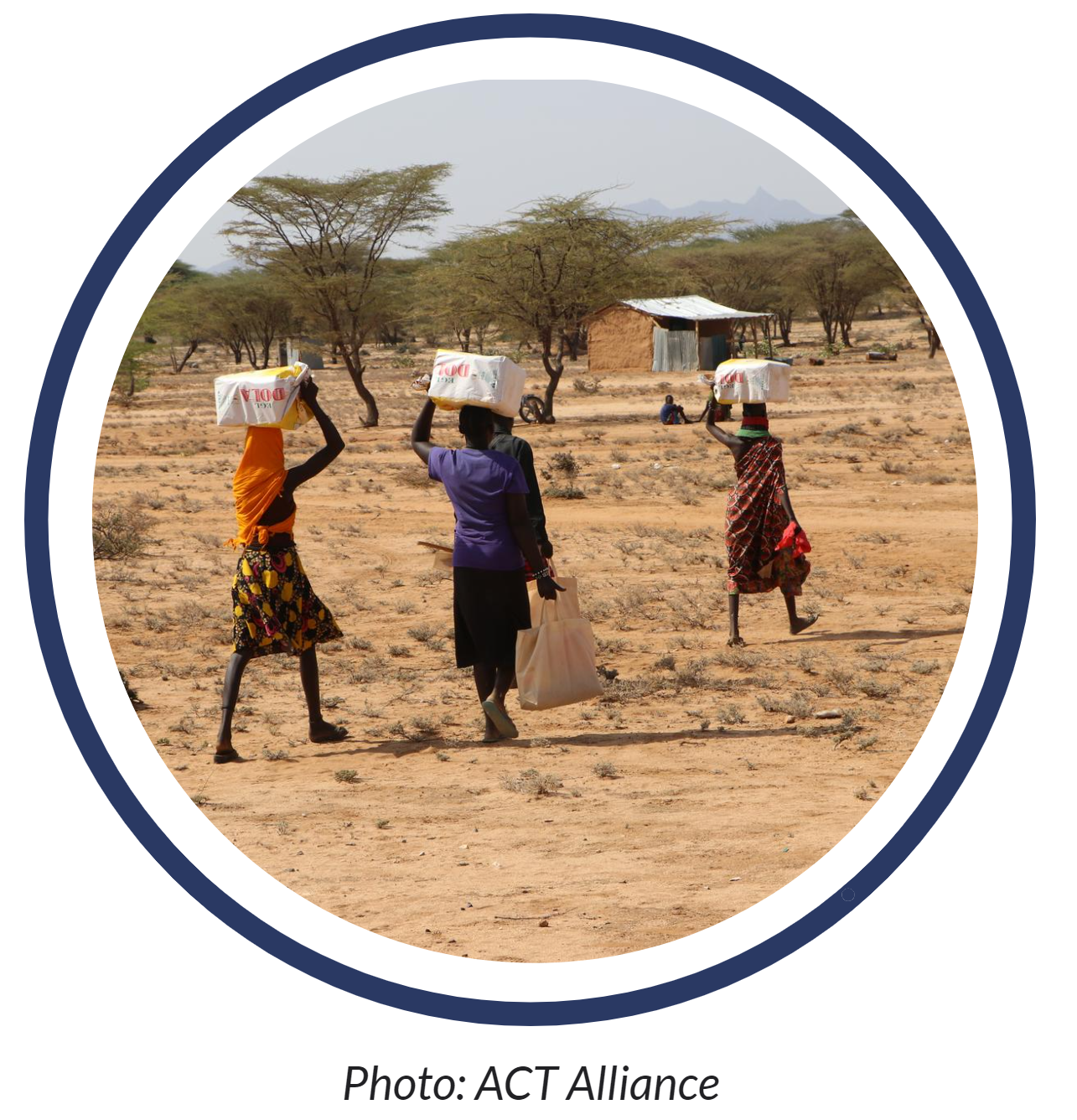
Welcome to Emukutan primary school, which besides molding and educating future leaders also provides the one and only meal to 160 children living in a drought affected area of Kajiado County.

Started in 2006 as a community school, it is located close to the main road, making it accessible and the best alternative for many people. Previously they were forced to walk several kilometers in order to attend public schools supported by the government of Kenya.

The dry-spell and lack of rains in 2009, which led to severe drought and loss of animals, has affected the school’s attendance. This trend changed in Sept 2011 following food distribution of maize, beans, cooking oil and ujimix by ACT Alliance member, Anglican Church of Kenya (ACK) – Kajiado Diocese.

Kenya: ELCA Supports Disaster Risk Reduction in Turkana

Posted on January 7, 2012 by Matthew Ley

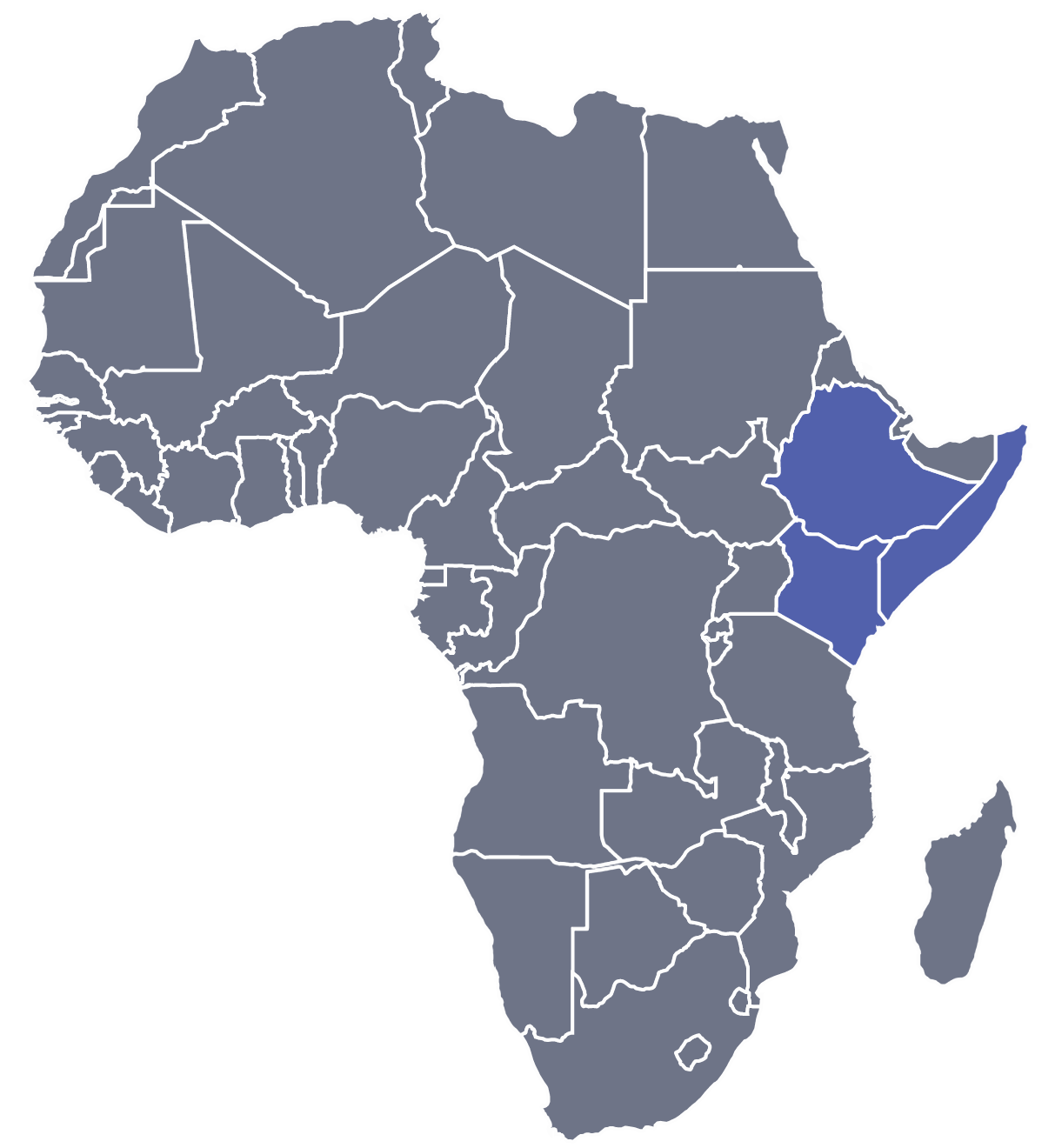
In mid-December the ELCA, through its International Disaster Response program, approved a disbursement of $102,337 to support a Lutheran World Federation (LWF) Community-Managed Disaster Risk Reduction (CMDRR) project in the Turkana district of Kenya. Now you might be wondering what CMDRR is or you might be wondering why it needs to be instituted in Turkana. And you might even be asking where Turkana is. Well I’m glad you asked. This post will answers these three questions. If you have any others, please share them in the comments.

Kenya: Inside Look at Dadaab Refugee Registration

Posted on October 13, 2011 by Matthew Ley

A newly arrived Somali woman gets registered at Dadaab registration center. Credit: ACT/Paul Jeffrey

Natalie Dale, of Christian Aid, recently blogged about a day she spent at the registration center of the Dadaab refugee camp in Kenya. The center is the initial point of entry for new refugees and so is their first encounter with the camp. Dale followed one individual through the process and shares some of her experiences and thoughts of the day.

She also has some great things to say about the Lutheran World Federation (LWF) and their managing of the camp, particularly about LWF’s ability to manage all the different aid groups that are working in the camp.

Check out her post: Aid Worker Diaries – Registering refugees in the camps

————-
Gifts to ELCA International Disaster Response allow the church to respond globally in times of need. Donate now.

Horn of Africa Drought: LWF Underlines Importance of New Dadaab Camp

Posted on July 27, 2011 by Matthew Ley

The Lutheran World Federation (LWF), which runs the Dadaab refugee complex in Kenya, recently extended one its three camps to allow for an greater intake of arriving Somalis fleeing the drought. This new extension of the Ifo camp is part of a two-step extension process that will allow for an additional 50,000 refugees to be housed in tents, instead of makeshift structures outside of the camp. Camp officials are grateful for the opportunity these extensions give to create a more secure environment for incoming refugees, where they can receive the services they need and are entitled to.

To learn more, read the LWF newsletter, Lutheran World Information, article.

————-
Gifts to ELCA International Disaster Response allow the church to respond globally in times of need. Donate now.

Horn of Africa Drought: 3rd LWF Update on Dadaab Camp

Posted on July 18, 2011 by Matthew Ley

This new report from Lennart Hernander, Lutheran World Federation Representative, Kenya/Djibouti Program, gives an up-to-date account of the situation in Kenya. It has some great data on how many new refugees are coming into the camps while reminding the reader of the context into which the come. Also, it gives good data on how the specifics of aid are being carried out, from food and water to security and registration.

Read the update

————-
Gifts to ELCA International Disaster Response allow the church to respond globally in times of need. Donate now.

Horn of Africa Drought: Luley’s Story

Posted on July 8, 2011 by Matthew Ley

Luley standing between her tukul and tent that now serves as her home. Credit: Faith Kagwiria

Reduced rains have led to drought throughout the Horn of Africa leading a severe water shortage and higher food prices as crops and animals pass away and are eaten for survival. Many have had to leave their homes in search of food and water. Below is the story of Luley Hassan Aden as shared by Faith Kagwiria, who works at the refugee camp in Dadaab.

———

Luley Hassan Aden is a young woman of 19 years, living on the outskirts of section L10, Hagadera Refugee Camp in Dadaab, North Eastern Kenya. This is where many newly arrived people from Somalia, like herself, are settling. This afternoon she is resting and cooking in a space between her Tukul (a small Somali type of “lounge”) and her “house”, which is a tent she received from the LWF three days ago.

Luley married when she had just turned 17 and is now the mother of two children. After living peacefully with her husband in Sakow division, Bu’alle district in the middle Juba region of Somalia, she decided to start the longest journey of her life, fleeing from the insecurity that had become unbearable.

“I needed to look for peace for my children and myself, not caring to know where I was going,” he says poignantly. Her husband was forced to flee from their home due to fears of being killed by the militia, after he refused to enlist himself as a fighter. “I don’t know if my husband is alive or dead, and when my children ask when their dad is coming, I always lie to them that he went for a long journey and has delayed there because of lack of money,” she narrates as her watery-eyes stare with desperation.

At home in Somalia they kept cattle and she started her journey to Kenya bringing the family livestock with her. But all the cattle died before she found her way to the refugee camp. On their way from Sokow, between Dhooble and Loboi, they encountered bandits who robbed all the people in her ‘convoy’ and left them with no valuables.

Luleys says that she is slowly beginning to accept her situation, and is trying to adapt to her new status in Hagadera camp, as a refugee assisted by relatives and agencies. Her greatest challenge is how to bring up her two children in the camps, without her husband.

When she arrived in Hagadera, relatives in the camp first hosted her in a small dilapidated Tukul. She stayed in this structure for four days weathering the biting cold of the night that did not have mercy for her children. “I had never stayed in a Tukul as my house, and my children developed a cold. Life was so miserable and I felt I had lost it all” says Luley.

She was visited by the block leader who took her details and gave her the ration card number for food distribution. The same afternoon she was visited by a team of staff in the camp. “We found her in an unbearable state and based on the criteria we use, she was given priority. We have done follow-up visit and provided her with a tent to sleep in” explains Keinan, a LWF social worker based in Hagadera.

————-
Gifts to ELCA International Disaster Response allow the church to respond globally in times of need. Donate now.