
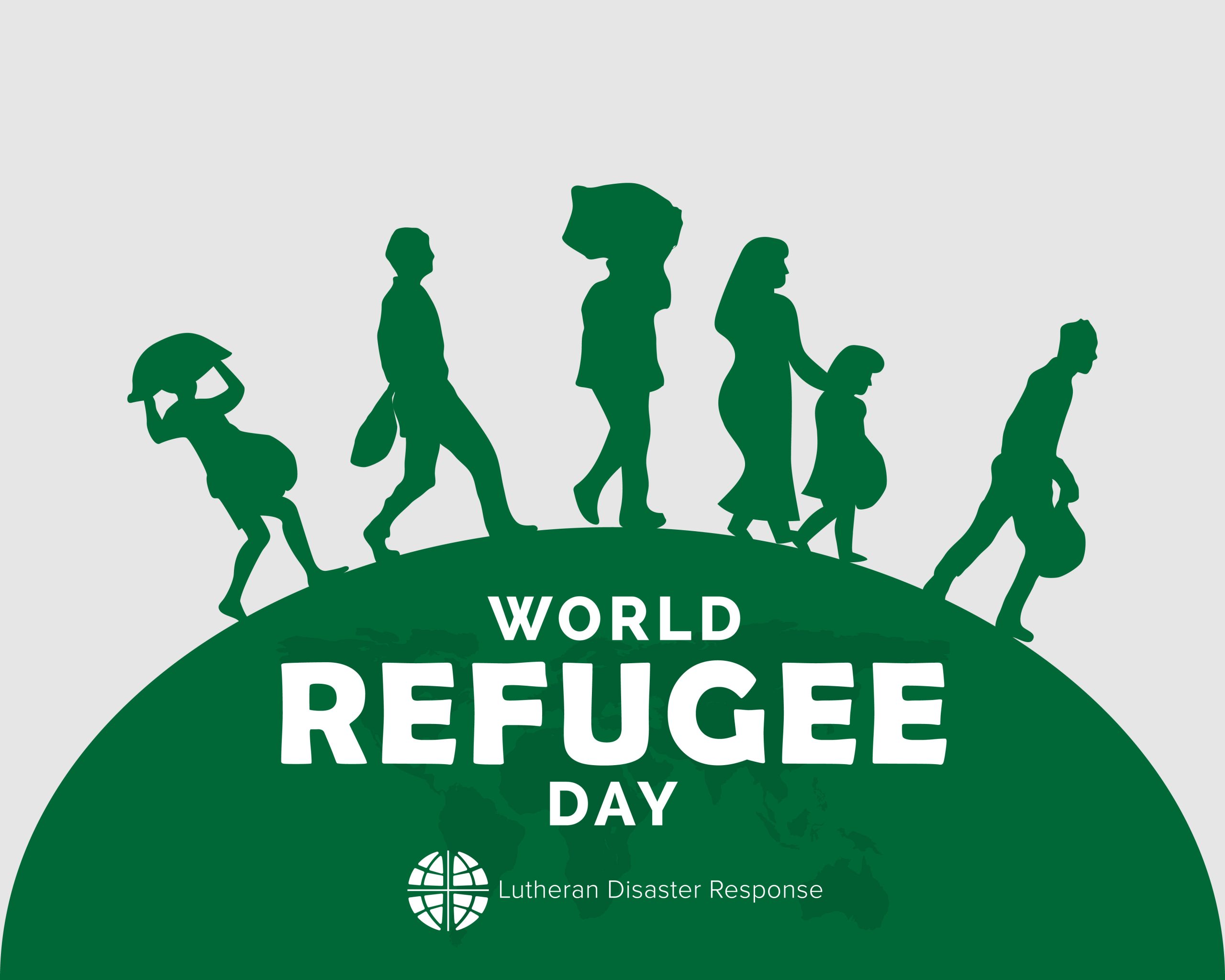
Each year on June 20, the world observes World Refugee Day, a day set apart to honor the courage, resilience, and strength of millions of people who have been forced to flee their homes. This global observance shines a light not only on their journeys but also on the urgent need to protect their rights and support their futures. It is also a day to recommit ourselves to walking alongside our neighbors in their search for safety, dignity, and hope.
Today, that calling feels especially urgent.
The world is witnessing the highest level of displacement on record, driven by conflict, violence, persecution, and disasters. From Ukraine to Sudan, from Myanmar to Central and South America, families continue to make impossible journeys in search of safety. According to the 1951 Refugee Convention, a refugee is someone who has been forced to leave their home country due to a well-founded fear of persecution, violence, or serious human rights violations and cannot safely return.
Behind that definition are real parents, children, and elders, each carrying a story of loss but also remarkable courage.
A Faith Grounded in Solidarity
As siblings in Christ, we are called not only to recognize these realities but to respond. We are called to bear witness to injustice and to advocate for a world that reflects the dignity of all God’s children.
For more than 50 years, Lutheran Disaster Response (LDR) has lived out that calling. Through long-term accompaniment, LDR walks with communities affected by disaster and conflict, supporting those displaced by war, those in need of healthcare in fragile settings, and those facing ongoing humanitarian crises.
Our work is rooted in relationship. It is about showing up, again and again, with compassion, with resources, and with a commitment to justice.
When we come together as a church, we can do far more than we ever could alone.
Why World Refugee Day Matters Now
World Refugee Day is more than a moment of recognition. It is about responsibility.
It is an invitation to act.
In 2026, the need is profound. Ongoing crises continue to displace millions, and climate-related disasters are increasingly forcing people from their homes. Refugees often face barriers to education, healthcare, and employment, even as they seek to rebuild their lives with safety, dignity, and hope.
This day reminds us that responding to displacement is not just a humanitarian concern.
It is a shared moral responsibility.
Three Ways to Take Action
Even in the face of immense challenges, World Refugee Day centers on hope. It lifts up the courage of those who have been displaced and calls on the global community to stand in solidarity with them.
This World Refugee Day, you are invited to join Lutherans across the country in supporting refugees and migrants:
- Learn
Deepen your understanding of refugee experiences. Engage with ELCA resources like Bible studies and conversation guides that explore migration through the lens of faith and justice. - Advocate
Use your voice to call for just policies. Through the ELCA Advocacy Network and Action Center, you can urge your elected leaders to defend the rights and dignity of refugees and migrants. - Give
Your generosity provides tangible hope. Gifts to Lutheran Disaster Response support programs serving displaced communities around the world, including those impacted by conflicts in Ukraine, Sudan, Gaza and the West Bank, Myanmar, and across the Americas.
A Shared Commitment
World Refugee Day reminds us that even in the face of immense suffering, there is also profound resilience. Refugees contribute to their communities, rebuild their lives, and embody hope in extraordinary ways.
As people of faith, we are called to stand with them.
This June 20, let us renew our commitment to welcome the stranger, advocate for justice, and accompany our neighbors in love. Together, we can work toward a world where every person has a safe place to call home.
Thank you for your partnership in this life-giving work.
Supporting Communities Through Lutheran Disaster Response
In the face of these compounding emergencies, Lutheran Disaster Response continues to walk alongside communities as they respond to immediate needs and rebuild with dignity and hope. Through trusted international partners, LDR supports emergency relief, recovery, and long-term resilience efforts, addressing food security, shelter, livelihoods, psychosocial support, and disaster preparedness.
Supporting Lutheran Disaster Response enables timely, locally led responses that prioritize the most vulnerable and strengthen communities against future crises. As climate impacts intensify and conflicts persist, sustained solidarity and partnership are essential. Together, we can help ensure affected communities are not only supported in times of crisis, but also empowered to recover, rebuild, and thrive. Learn more about how to support the work of LDR here.

