Skip to content

ELCA Blogs

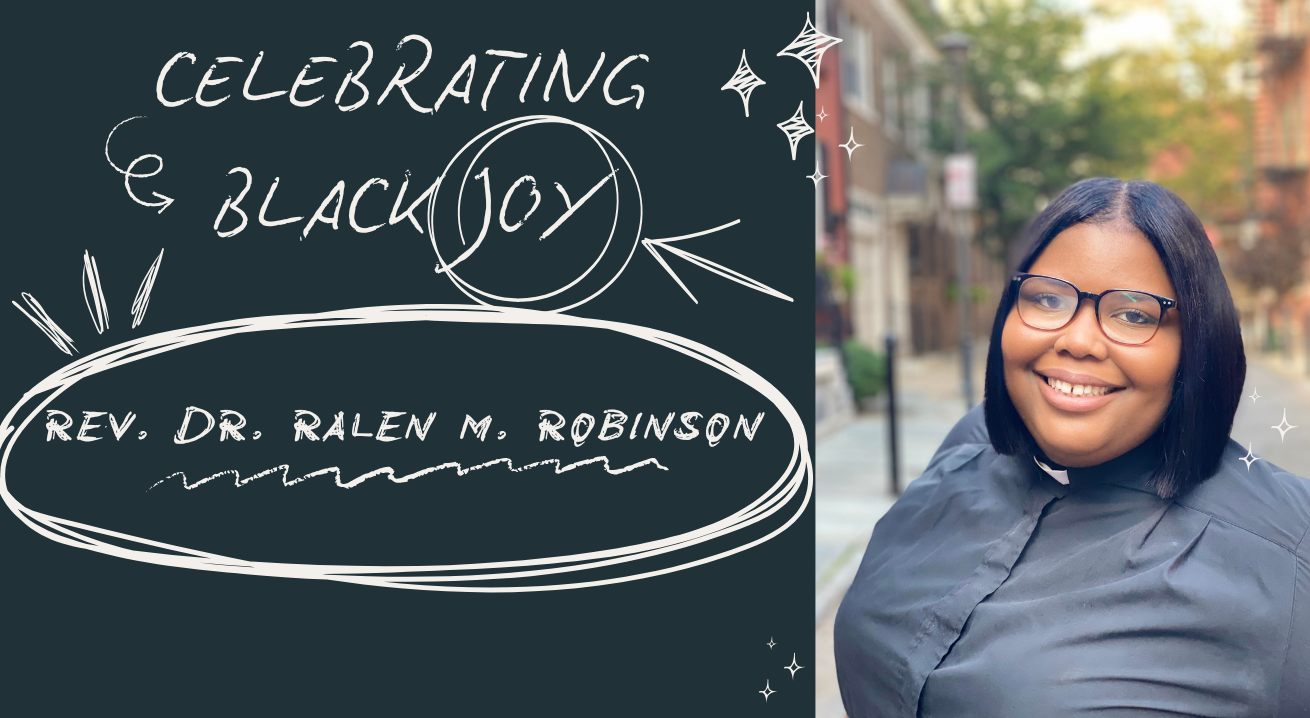
Voices of Faith: The Timbre of Black Joy

In celebration of Black History Month which is celebrated in the United States in February, we share the following article which is cross-posted from Living Lutheran. The original post can be found here.


THE TIMBRE OF BLACK JOY

The timbre of my voice rumbles at the back of my throat, and my mouth opens as a roar of laughter fills the space. Laughter is good for the soul. Too often, our brown bodies feel the tension of the world, and it dulls us. It quiets us, and its load weighs our shoulders down. Time and time again, the broken world shatters our being. So we must grip joy despite our pain because living in those joyous moments refuses pain the power of finality.

In a world that can be painful, Black joy is a sacred breath of insistence that flows through life. It is refreshing, breathtaking and enveloping, washing over us with peace, love and happiness. Its melody carries through the community, bringing people together and connecting them. It is love—love that protects us, and memories that give us strength. It is generations of praises that refuse to be silenced or erased. Black joy withstands. Black joy heals. It weaves through places of agony, bringing a balm of Gilead. It is quiet and audacious in our harsh world, turning struggle into beauty.

Far too often, we don’t celebrate and honor Black joy because it feels out of reach or fleeting. Its tempo is temporary. We put it off, telling ourselves we’ll get to it after finishing other tasks. Then it slips away, and life’s struggles weigh heavily, leaving us barely able to remember the last time we heard that sweet melody of peace. Sometimes we don’t even notice the absence of joy in life until it becomes blaringly urgent rather than a regular hush of our daily routines. Yet, when we recognize that we need sparks of happiness throughout our lives, to find the hope that keeps us pushing, the love that reminds us to care for ourselves, and quiet spaces that feed our souls, we realize joy is the marrow in our bones that gives us strength. Joy in Black bodies is essential. It shields us, protects us and gives us spaces to simply be. In those moments where pain and suffering are so tangible, we need these deep breaths of happiness to permeate our souls, swaying us to move past the hurt and twirl past the negativity.

In this state of being, we are free—free to be, free to thrive without looming pressures or expectations. It’s choosing tenderness and gentleness with oneself. In this space, our coiled locks spring freely and bounce in the wind, our faces feel the warmth of the sun, and our lives are fully lived.

Black joy is transformative and healing. Embrace it today. Lean into the delights of life and let it flow and form around you. Let it inspire you to be creative. Let it empower you to laugh loudly and often.

Share

Voices of Faith: Black Joy

In celebration of Black History Month which is celebrated in the United States in February, we share the following article which is cross-posted from Living Lutheran. The original post can be found here.


BLACK JOY

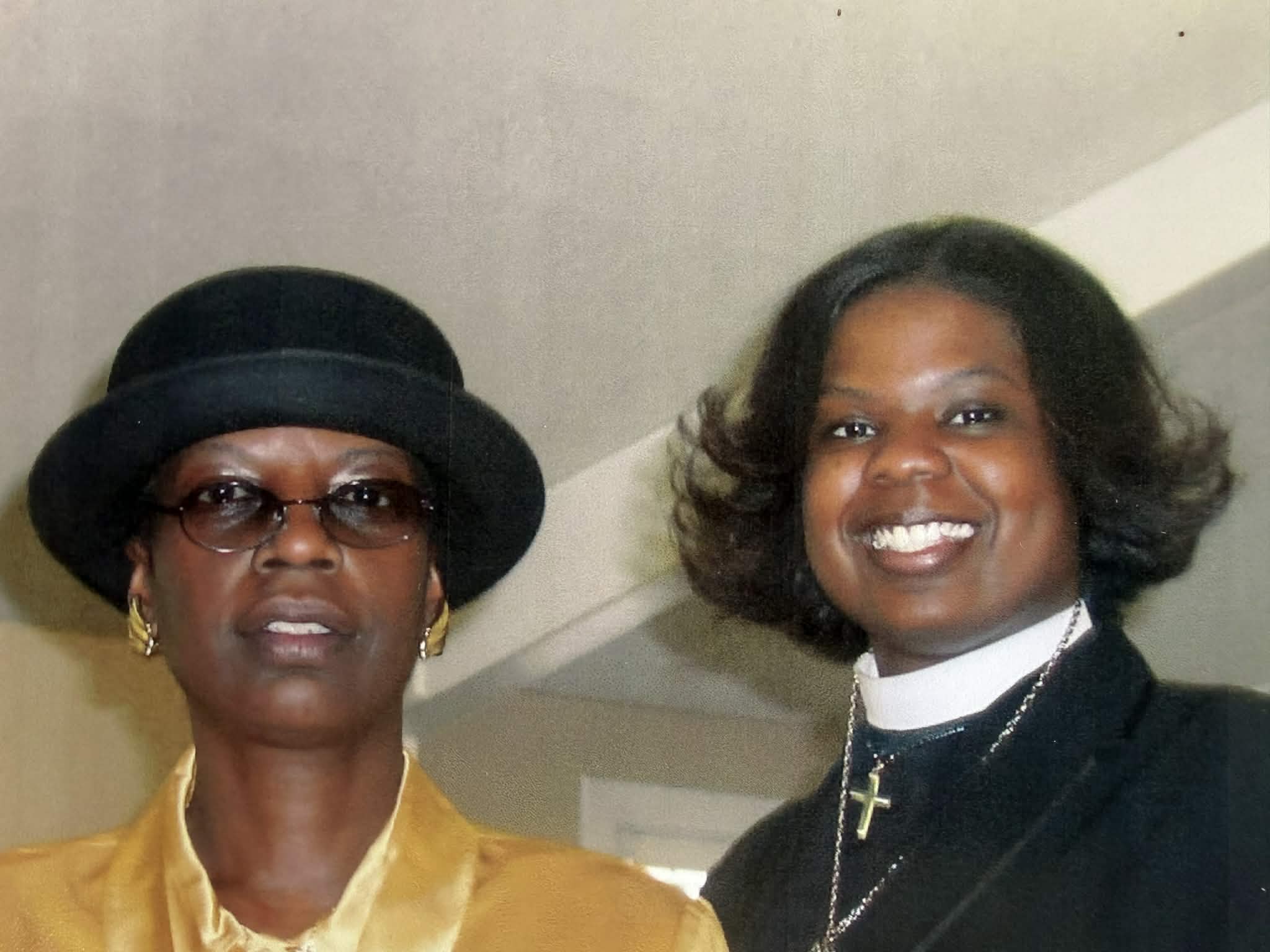
My mother had the most sumptuous deep dark chocolate skin, full lips, large African nose and big beautiful eyes. She had a unique sense of style and a calming way of being. She chose the best fragrances that finished the whole experience—touching all the senses. I remember watching people come to her as a child. Some wanted to drink from her wisdom. Some were struck by her confidence and beauty. Others just wanted to laugh at her clever, inviting jokes. She made them feel both seen and safe. She had a fair share of friends, family and fans.

I witnessed her taking the last of what she had and using it to care for multiple people. Even as she figured out how to be a daughter and caregiver to her mom while raising two girls, she helped other people—giving them a place to stay and healing them with her Black joy. She seemed unstoppable. She made a way out of no way.

I remember a time when she took in my two cousins who are around my age. It felt like fun to us. We were too young to appreciate the financial, physical or mental weight it brought with it. It was just fun-having two extra siblings. Watching the world continue to lean toward her, we felt invincible and blessed. She worked at Goodwill that year as a supervisor and, when Christmas rolled around, we got the best gifts. I still wonder how she did it. We still nostalgically think back to the “Goodwill Christmas” with fondness—not just for the gifts but for the time together.

Looking back, I think it had to be Black joy. It eclipsed the weight and heartache of the reality of a woman coming out of the pain of divorce and welcoming added responsibility. She emulated the example that her mother showed her as a young widow when her husband died leaving her alone with two small children. She embraced the possibility and crushed the seemingly insurmountable odds.

Black joy is God-breathed. It’s the mystical resilience of African ancestry. It’s the personification of hope. It seeps up from the ground beneath our feet. It pours down from the sky. It blows every way the wind goes and glides through the stillness of when the wind stops. It leaps in the darkness of night and in the brightness of day. It’s edified by all things because it extracts the good from all it encounters. It is unmistakable. It has nourished millions and has not been depleted by even a drop. Black joy is so immense and so powerful that it cannot be destroyed. It walks in the surreal balance of arrogance and humility from the power and promise of God.

It’s easy to be distracted by other things and forget the access we have to Black joy. Then we get glimpses to remind us. Like Venus Williams who was the oldest player in the Australian Open women’s singles. Or like the passing away of Claudette Colvin, who at the tender age of 15 defiantly refused to give up her seat on the bus nine months before Rosa Parks did. Or like the election of Yehiel Curry as presiding bishop, an African descent person serving in the whitest denomination in the United States.

Black joy is an undercurrent that makes the good times better and the hard times bearable. It’s infectious and cannot be imitated no matter how hard one tries. It is the laughter, joy, love and excitement of God showing up as amazing energy in people of African descent who tend to let it flow to anyone in reach. It’s the Vibranium (from Black Panther) of real life and explains the unmitigated gall of Black people to excel irrespective of circumstance. It’s the rhythm of the earth in step with the rhythm of God’s heartbeat. Can you feel it? Black joy.

Share

Observing Native American Heritage Month: ELCA Indigenous Ministries and Tribal Relations events

In celebration of Native American Heritage Month which is celebrated in the United States in November, we share the following article which is cross-posted from Living Lutheran. The original post can be found here.


Observing Native American Heritage Month

ELCA Indigenous Ministries and Tribal Relations events

November 12, 2025

Native American Heritage Month

iStock.com/Yulia Novik

ELCA Indigenous Ministries and Tribal Relations is a program team of ELCA Ministries of Diverse Cultures and Communities, which focuses on fostering relationships rooted in mutual respect, spiritual solidarity and cultural understanding. For November, the team is asking the church, its congregations, its members and its affiliated ministries to seek ways in which to observe Native American Heritage Month. Here are two possible ways that you might participate.

Vine Deloria Jr. Theological Symposium | Nov. 10-12

Hosted by the Lutheran School of Theology at Chicago (LSTC) in partnership with Indigenous Ministries and Tribal Relations, the annual Vine Deloria Jr. Theological Symposium honors the renowned Indigenous scholar, activist, theologian and LSTC alum, who died in 2005 at age 72. For the 15th annual symposium, community leaders, students and faith leaders will gather to discuss Indigenous justice, theology and decolonization under this year’s theme, “Challenged and Transformed: A Vision for the Church.”

Throughout his life, Deloria routinely challenged systems of power—the church, the U.S. government, anthropological scientists—to acknowledge the validity of (and pursue justice for) all Indigenous peoples. He tirelessly advocated for Indigenous representation, access, acknowledgement and acceptance. This year’s educational celebration of his legacy will begin with a lecture by Robert Two Bulls, an enrolled member of the Oglala Lakota Oyate who serves the Episcopal Church as missioner for the Department of Indian Work.

Manuel Retamoza, a citizen of the Cherokee Nation and a pastor of both St. Andrew Lutheran Church and the Border Church in San Diego, serves as a planning team member for the symposium. Retamoza, who has previously preached and presented at the symposium, was asked what his hopes are for attendees of this annual event. “I want the attendees to hear how Vine’s words continue to resonate in our culture and within the Christian Church,” he said. “I hope that attendees will leave with a deeper understanding of the complex intersections between the Christian faith, justice and Indigenous rights. I pray that the discussions will inspire a renewed commitment to solidarity, advocacy and action. As Christians, we are called to love our neighbors and seek justice; I hope that this symposium will challenge attendees to consider how they can live out these values in their own lives and communities.”

All are welcome to attend the symposium, which will include a lecture, two panel presentations and a special chapel service, either online or in person. No registration is required. Visit the official event webpage on the LSTC website for more information and links to the Zoom sessions.

National Day of Mourning | Nov. 27

The National Day of Mourning started as a protest demonstration in 1970, in Patuxet (currently known as Plymouth, Mass.), after Wamsutta Frank James of the Wampanoag people, who had been invited to speak at a Thanksgiving celebration, was prohibited from speaking on the continued effects of colonial settlement. Today groups such as United American Indians of New England (UAINE) commemorate that incident by hosting events, activities and demonstrations every fourth Thursday in November to call attention to the ongoing oppression, genocide and struggles faced by Indigenous peoples. The National Day of Mourning offers an alternative Thanksgiving story rooted in truth and shared annually for the sake of increased public education, sustainable remembrance and continuing demands for justice.

On Nov. 27, all are invited to join Jennifer De Leon, ELCA director for racial justice, and other ELCA leaders on Cole’s Hill in Patuxet for a public demonstration. De Leon, in partnership with ELCA Indigenous Ministries and Tribal Relations, has spearheaded many November trips to the National Day of Mourning events hosted by UAINE, which have included participation by synodical bishops, ELCA staff, leaders of affiliate ministries and members of local congregations. In a recent interview with Justice Nichols, program coordinator for Indigenous Ministries and Tribal Relations, De Leon said: “While the focus is on lifting up the ongoing impact of colonization and the theft of Native land on Native peoples today, all forms of oppression were acknowledged—such as the attacks on immigrants and the war on Gaza.”

Nichols also spoke with Phoebe Morad, executive director for Lutherans Restoring Creation. Morad grew up near Patuxet and learned from her Indigenous neighbors that she could show up to National Day of Mourning events and provide support as an uninvited Christian. Morad emphasized the importance of taking accountability through participating in the events every year and actively listening to every speaker. She recounted being present when the granddaughter of Aquinnah Wampanoag activist Wamsutta Frank James read the letter he had attempted to share on that first Day of Mourning. She was also present to witness another young woman, a Palestinian American, “as she conveyed the violent assault on the Indigenous people of her home country,” reminding those gathered that colonialism continues to wreak havoc on the world.

Morad stressed the importance of demonstrating publicly on behalf of the most vulnerable when overindulgence is standard practice and not even your employer expects you to show up. She knows how much showing up over the years helped her to grow as a person, especially in the month of November. “To reflect on these truths on any other, more convenient day, I believe, misses the point,” she said. “The dissonance made every word, every step of the subsequent march together more impactful … especially when I connected later with my extended family around the dining room table.”

To stand in solidarity with Indigenous peoples and further support the Truth and Healing Movement efforts of the Indigenous Ministries and Tribal Relations team, join De Leon, Morad and other ELCA members on Nov. 27 in Patuxet for the annual demonstration.

Learn more

Details for both of these events will be shared on the ELCA’s Truth and Healing Movement webpage. For more information, please contact Vance Blackfox (vance.blackfox@elca.org), director of ELCA Indigenous Ministries and Tribal Relations.

Share

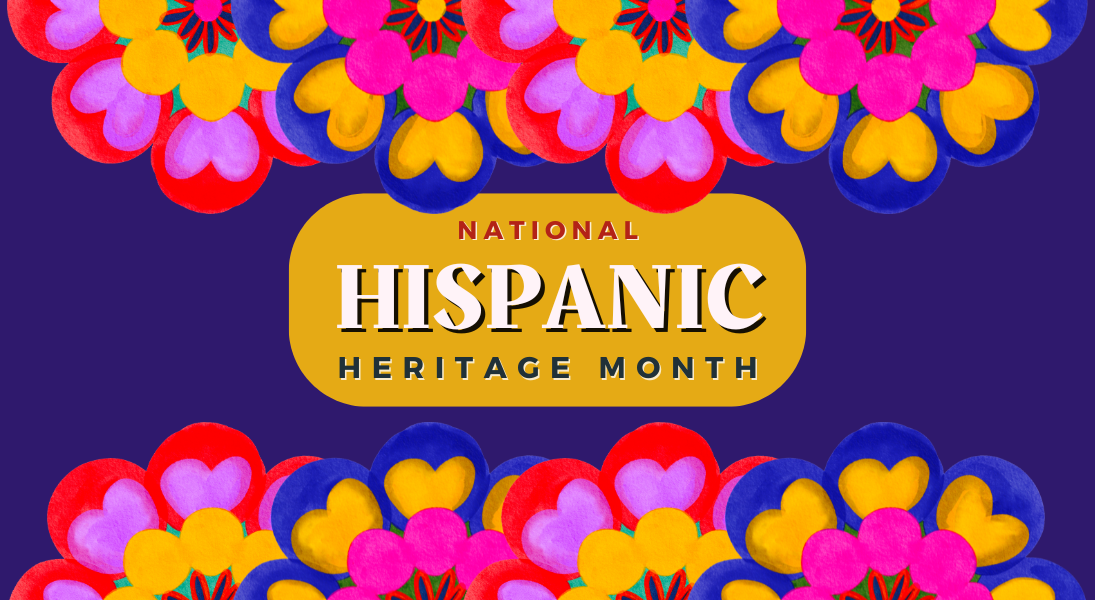
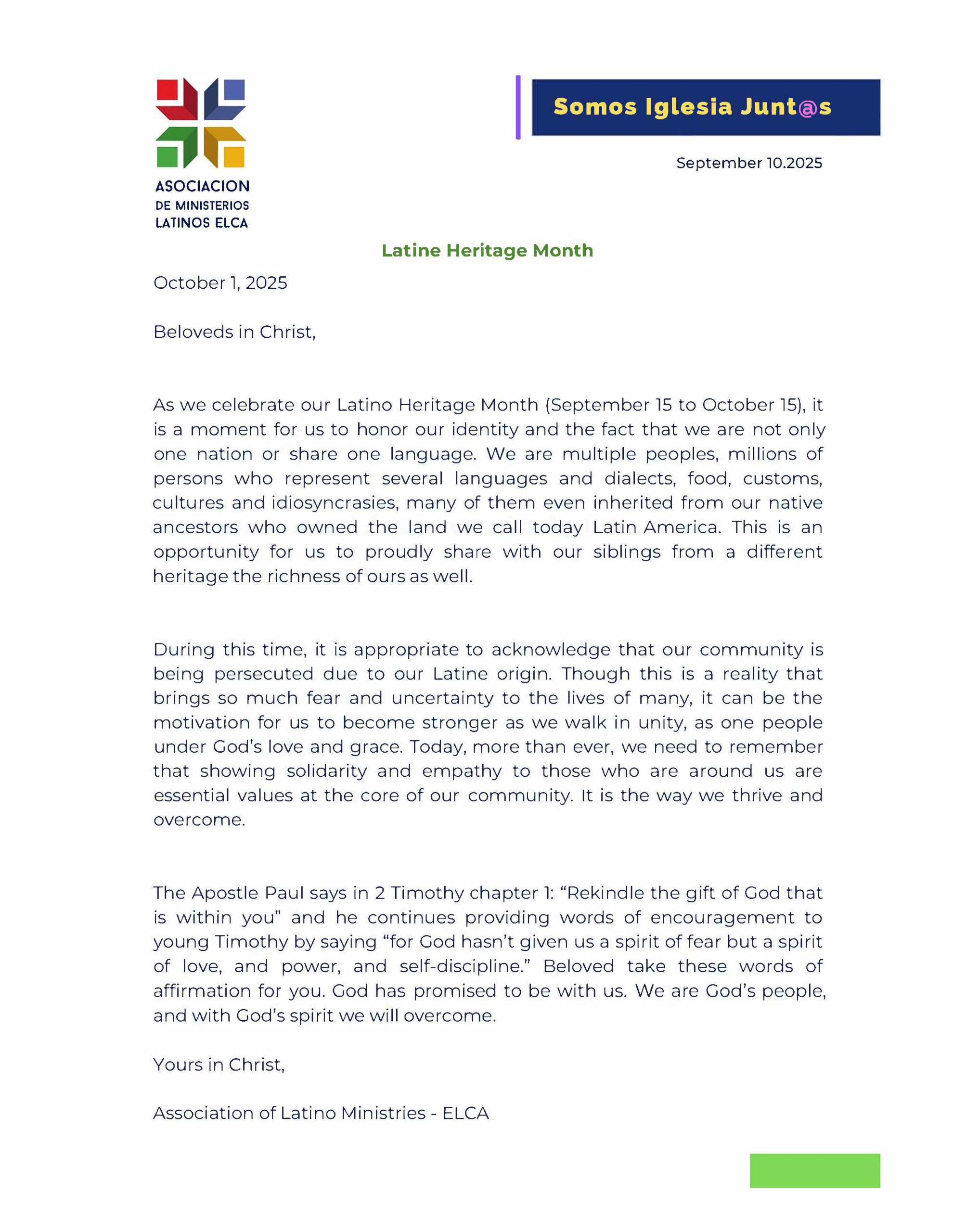
Celebrating National Hispanic Heritage Month

In celebration of National Hispanic Heritage Month which is celebrated in the United States September 15- October 15, we share this message from the Associate of Latino Ministries of the ELCA.

Credit: This image is from the October 10, 2024 Living Lutheran Magazine online post entitled “Thoughts for Thursday during National Hispanic Heritage Month” which can be found here.

For more information on the Association of Latino Ministries of the ELCA:  AML de la ELCA

For more on the Latino Community of the ELCA:  Latino

For more on Hispanic Heritage Month from Living Lutheran, check out these recent articles:  2025, 2024, 2023

Share

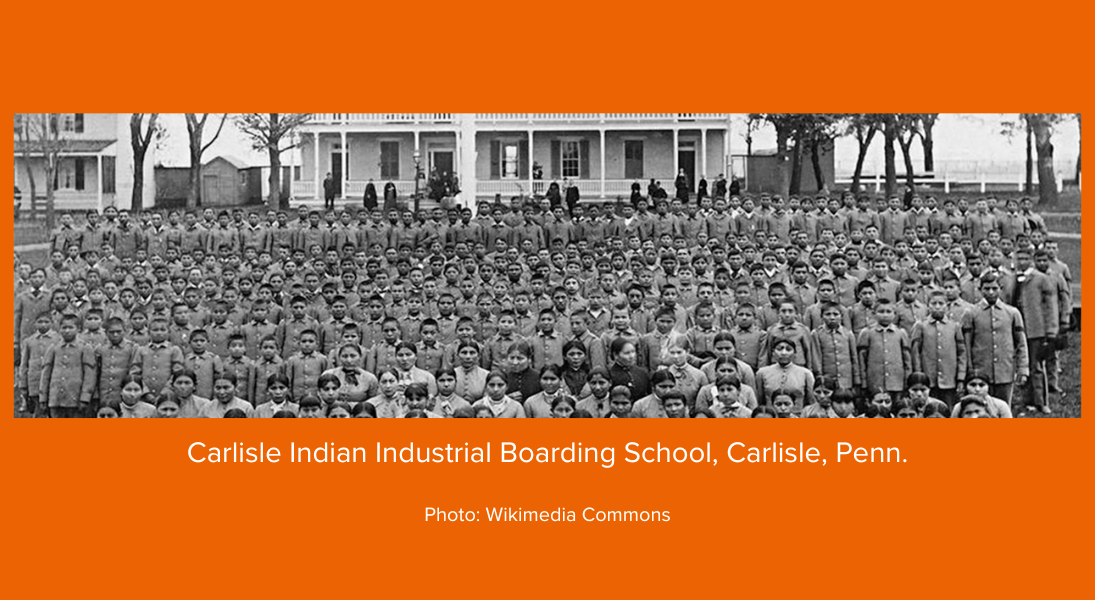
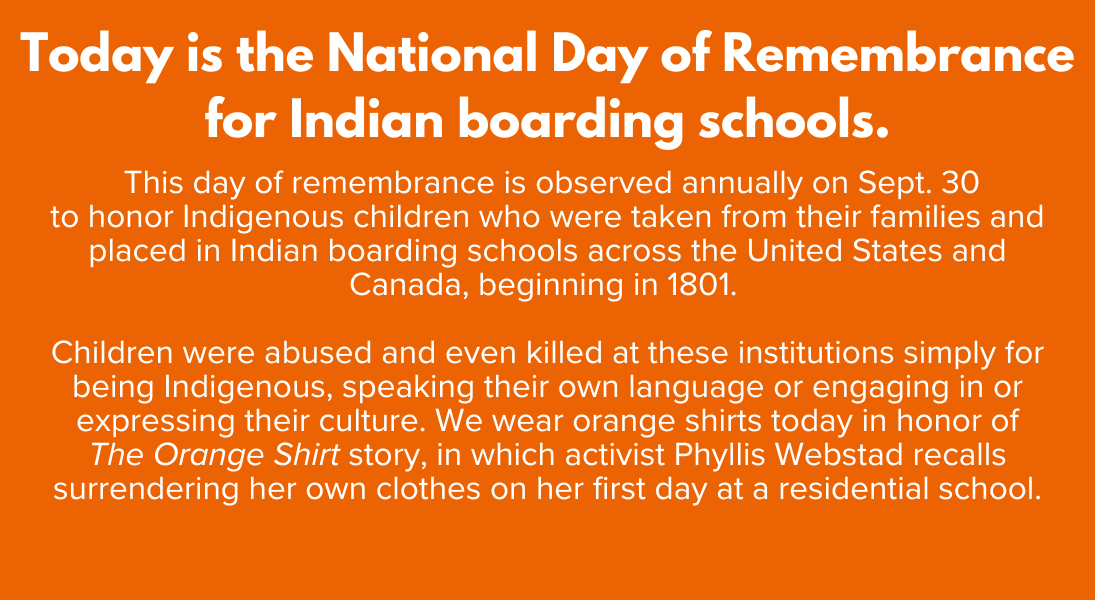
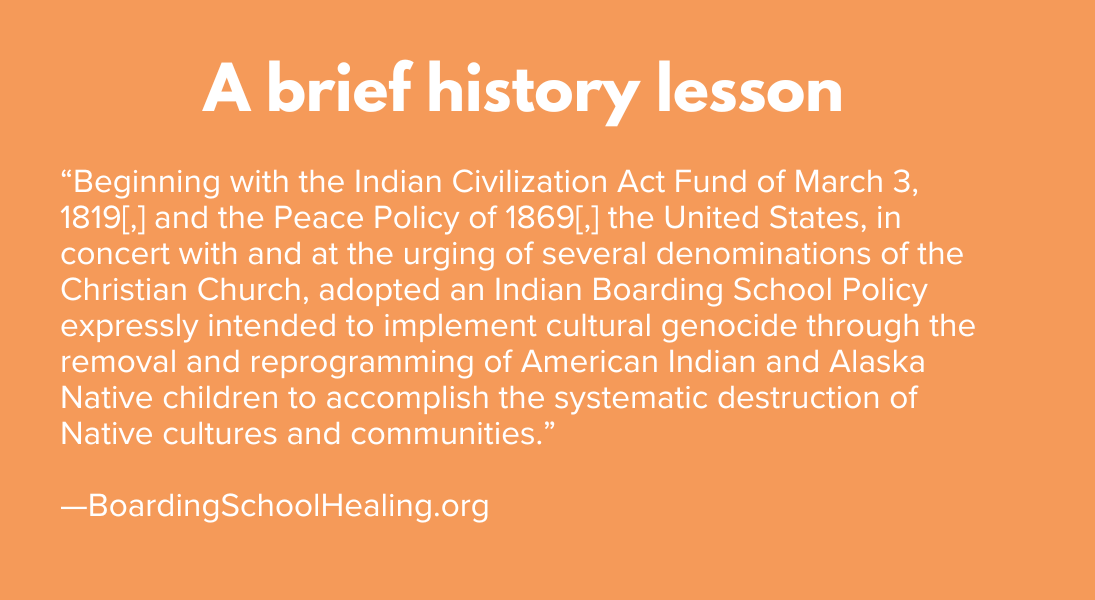
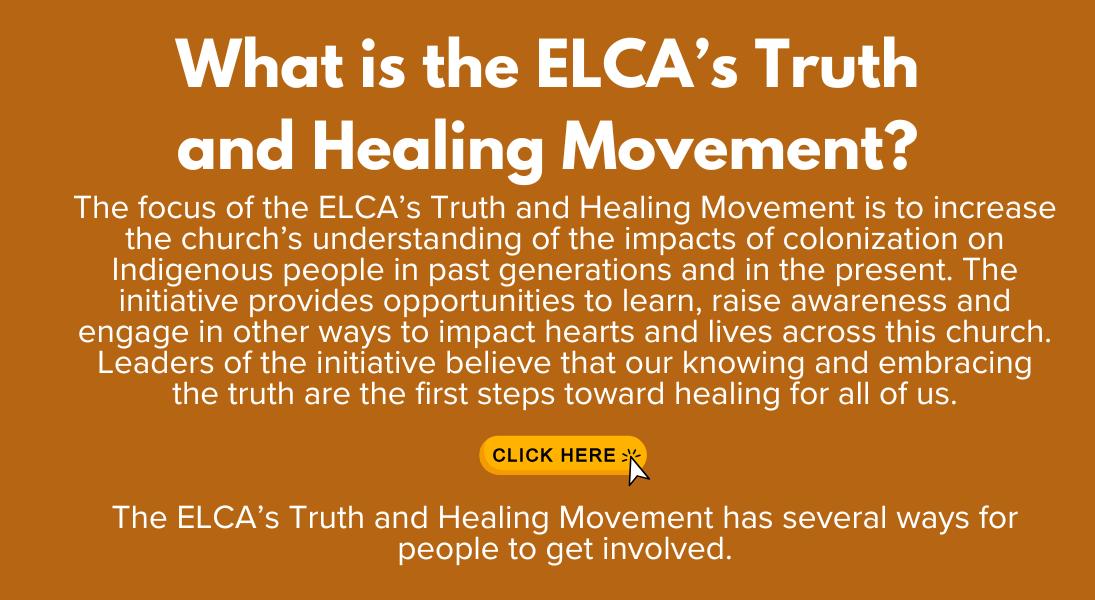
The National Day of Remembrance for Indian Boarding Schools: Learning more about the ELCA’s Truth and Healing Movement

In observation of National Day of Remembrance for Indian Boarding Schools which is observed in the United States September 30, we share the following which is cross-posted  from Living Lutheran online. The original post can be found here.


The National Day of Remembrance for Indian Boarding Schools

Learning more about the ELCA’s Truth and Healing Movement

September 30, 2025

Share

Yehiel Curry to be installed as ELCA presiding bishop

The following post is a news release from Living Lutheran online. The original post can be found here. The photo was taken from this Living Lutheran post.


Presiding Bishop Curry

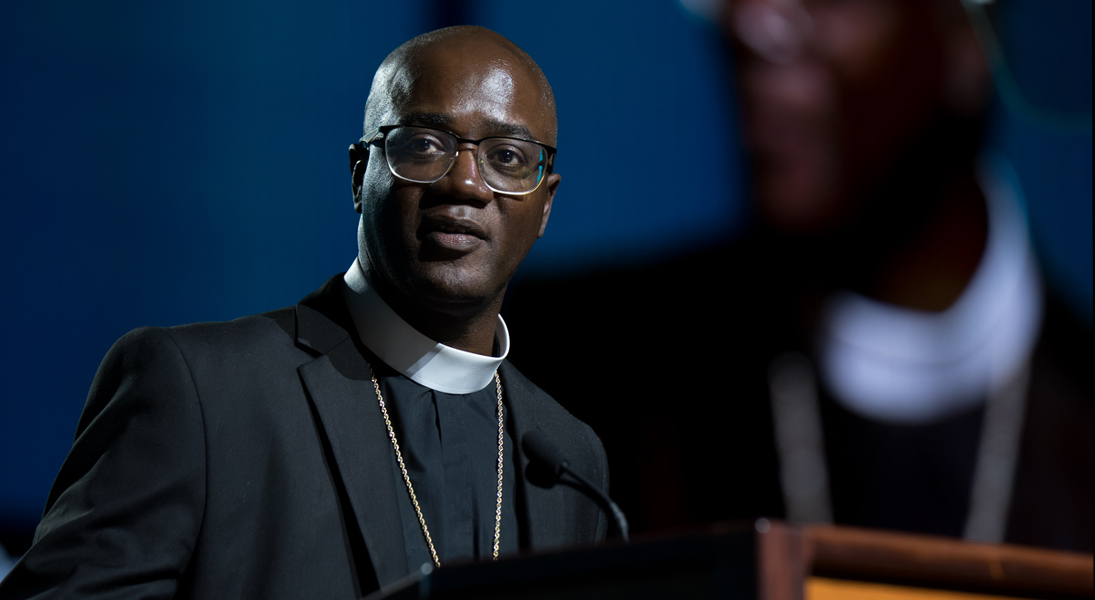
Photo of Presiding Bishop-elect Yehiel Curry from Churchwide Assembly 2025 in Phoenix, AR. Credit: Janine Truppay/ELCA


Yehiel Curry will be installed as presiding bishop of the ELCA on Saturday, Oct. 4, at 2 p.m. Central time at Central Lutheran Church in Minneapolis. Curry will be the first Black presiding bishop of the ELCA.

ELCA Presiding Bishop Elizabeth Eaton will preside at the installation and present Curry with the pectoral cross, the common symbol of the office of bishop in the ELCA.

Kevin Vandiver, a pastor of Lutheran Church of the Reformation in Washington, D.C., will deliver the sermon. Members of the ELCA Conference of Bishops and other invited leaders will participate in the processional.

In celebration of the ELCA’s many partnerships, several ecumenical, interreligious and global partner representatives are invited, including Henrik Stubkjaer, president of the Lutheran World Federation; Sean Rowe, presiding bishop of The Episcopal Church; Jihyun Oh, stated clerk of the Presbyterian Church (U.S.A.); and Larry Kochendorfer, presiding bishop of the Evangelical Lutheran Church in Canada.

Music leadership for the worship service includes the National Lutheran Choir and musicians from St. Olaf College and the ELCA Metropolitan Chicago Synod.

The installation is a public worship service, open to all who wish to attend. The service will also be available via livestream.

Curry was elected to serve a six-year term as presiding bishop on July 30, during the 2025 ELCA Churchwide Assembly in Phoenix. He has served as bishop of the Metropolitan Chicago Synod since 2019 and previously served as mission developer (2009-2012) and pastor (2012-2019) of Shekinah Chapel in Riverdale, Ill. Curry’s first day in office will be Oct. 1.

Curry received a Bachelor of Arts from Lewis University in Romeoville, Ill., in 1995 and a Master of Divinity from the Lutheran School of Theology at Chicago (LSTC) in 2013. LSTC is one of seven ELCA seminaries.

More information about the installation service is available here.

Share

My take: We are not newcomers Let us not just celebrate Arab American heritage—let us be changed by it

In honor of Arab American Heritage Month, ELCA Racial Justice Ministries will be elevating the voices of our Arab and Middle Eastern Descent peers and reposting their works from other sources around the ELCA. The following is cross-posted from Living Lutheran. You can find the original post here.


My take: We are not newcomers

Let us not just celebrate Arab American heritage—let us be changed by it

By Khader Khalilia | April 28, 2025

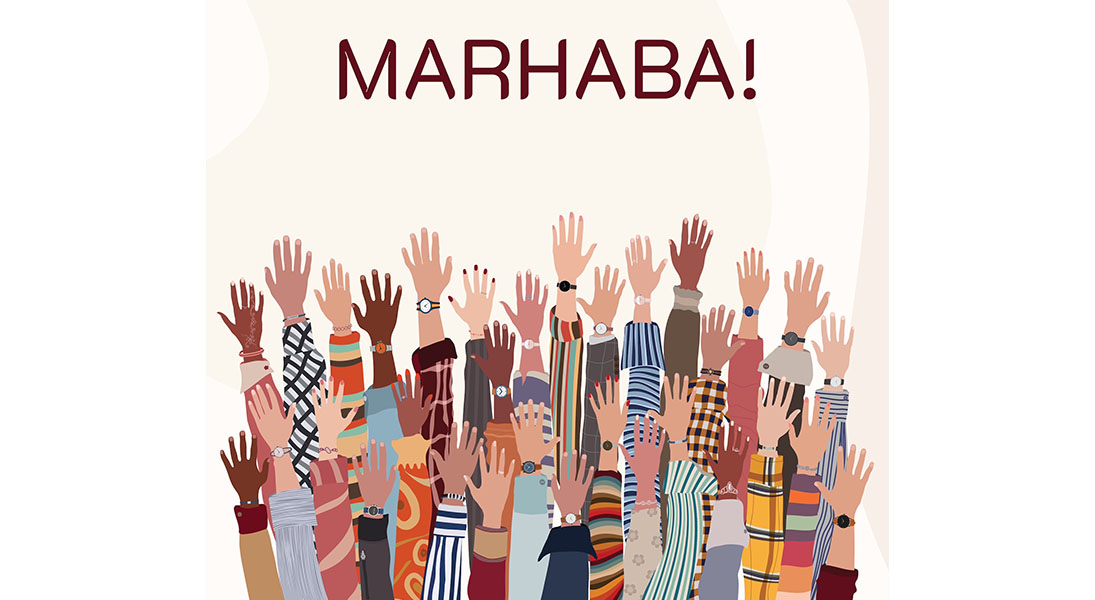
Marhaba (mar-huh-bah or mar-ha-bah). A simple word, ancient and powerful. Rooted in Aramaic and Syriac languages of early Middle Eastern Christians. It means more than just “hello.” It means God is love. It’s a greeting, a theology, a word grounded in relationship, faith and belonging.

April is known as Arab American Heritage Month, but the church is invited to not only observe one month out of the year but to reclaim marhaba as a spiritual practice of welcome, belonging, dignity and solidarity.

At the heart of our culture is hospitality. The moment a guest walks into our home or church, we no longer see them as a stranger—they are part of our family. We don’t just offer food, we offer belonging. You’re not just a visitor, you’re embraced with dignity and love. That spirit of open doors and open hearts mirrors the gospel: there are no outsiders in the body of Christ. The church is called to do likewise—not only to welcome the stranger but to receive them as part of the body of Christ.

But for too long, Arab Americans have been painted as the “other.” Our stories flattened and identities misrepresented. Whether Muslim, Christian, Druze or otherwise, in Hollywood and other places, including the church, we’re cast as villains, terrorists, foreigners or footnotes. These images have real consequences—from hate crimes and surveillance to erasure and isolation. Even indigenous Arab Christians who are descendants of the earliest followers of Christ are often invisible in American Christian spaces.

That’s why this month matters.

It’s why we give thanks to the ELCA, specifically the Ministries of Diverse Cultures and Communities (MDCC), for opening its doors to Arab American communities. For making space not only for our language, culture and style of worship but for our leadership, theology, story and witness. Through the MDCC’s support, Arab Lutheran congregations are taking root in places where the gospel is preached in Arabic, where Dabke is danced in celebration and where marhaba is lived out loud. These congregations aren’t side projects—they are essential to the church.

Arab Americans have helped build this country. We are doctors, engineers, teachers, artists, small-business owners, veterans and public servants. We’ve enriched American cuisine, contributed to scientific breakthroughs, helped shape national policy and led movements for justice. Arab Americans have woven their lives into every part of this nation’s fabric.

We are not newcomers—we are neighbors.

Let us remember: marhaba is not just about welcome. It’s about belonging.

Representation shapes how we see God and how we see each other. To support Arab American ministries is to proclaim that Christ speaks every language, eats every dish and walks with every people. It’s to remember that Christianity was never Western to begin with, and we did not convert from Judaism or Islam. Jesus was born in my hometown, Bethlehem; grew up in Nazareth; and was crucified in Jerusalem. And Christianity first spread across lands now called Syria, Palestine, Lebanon and Egypt.

Marhaba is more than a greeting. It’s an invitation to reimagine the church as a place where no one is foreign. It’s a call to resist tokenism and performative inclusion and instead build real relationships rooted in listening, trust and shared struggle.

So this month, let us not just celebrate Arab American heritage—let us be changed by it.

Let us teach and preach about the early church as a living legacy still carried in Arab American communities. Let us teach our congregations that when Jesus said to love your neighbor and the stranger, he was talking to a people who knew what it meant to flee, to be displaced, to be labeled othered. Let us break down the walls that separate us from our neighbor and dismantle racism, support Arab-led ministries and show up in solidarity when our siblings are targeted or dismissed.

Let us remember: marhaba is not just about welcome. It’s about belonging.

To my beloved ELCA, we thank you for making room at the table for us. For helping Arab American congregations not just survive but thrive. For reminding the whole church that inclusion reflects the kingdom of God.


Khalilia
Khader Khalilia
Khader Khalilia is program director for ELCA Arab and Middle Eastern Ministries.
Share

Steadfast accompaniment: ELCA Sumud initiative seeks just, lasting peace in Holy Land

In honor of Arab American Heritage Month, ELCA Racial Justice Ministries will be elevating the voices of our Arab and Middle Eastern Descent peers and reposting their works from others sources around the ELCA. The following article is cross-posted from Living Lutheran online. The original post can be found here.


Steadfast accompaniment

ELCA Sumud initiative seeks just, lasting peace in Holy Land

By Anne Basye | April 1, 2025

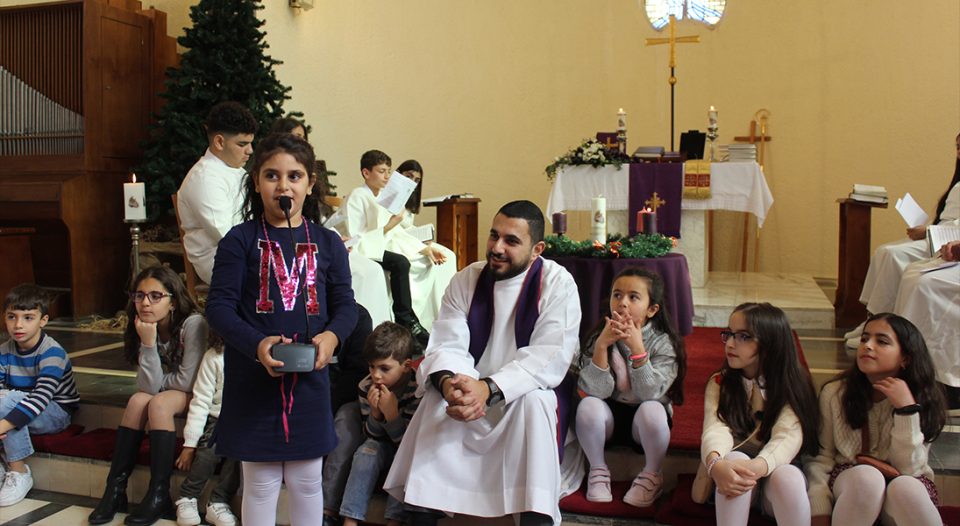
Rodny Said, a pastor of the Evangelical Lutheran Church in Jordan and the Holy Land (ELCJHL), leads a children’s sermon at the Church of Hope in Ramallah. Photos: ELCJHL

Said leads a bible study with youth during a youth retreat in Jordan.

Sani Ibrahim Azar, bishop of the ELCJHL, delivers a sermon at the Church of Hope.


Two spouses living in two places—kept apart by two kinds of government ID.

It may sound like Romeo and Juliet, but that was life for Rodny Said, a pastor of the Evangelical Lutheran Church in Jordan and the Holy Land (ELCJHL).

With a Jerusalem ID, Said could cross the checkpoints between his East Jerusalem home and his congregation, the Lutheran Church of Hope in Ramallah. His wife lived with her parents because she couldn’t enter East Jerusalem with her Palestinian ID.

“We started the process of reunification, as the Israeli government calls it,” he explained during an Advent Pilgrimage 2024 webinar, “but it can take years for a person from East Jerusalem and a person from the West Bank to live together.”

Fortunately, Said’s wife received her permit shortly after the webinar, and the couple can now live and travel together between the two communities.

The webinar series was a program of Sumud, the ELCA’s initiative for justice in Palestine and Israel. Previously the ministry was known as Peace Not Walls, named after the 440-mile barrier wall that the Israeli government was building to separate Palestine from Israel. The wall is complete today.


“To us, sumud means to in our country and continue bearing witness.”


Sumud, an Arabic word meaning “steadfast,” conveys the determination it takes to be a Palestinian Christian. “Palestinians struggle to get to work, to universities, to churches and schools,” Said noted in the webinar. Since the onset of the Gaza War in 2023, many lost their jobs because they are no longer allowed to work in Israel. Many families are separated even though they live just a few blocks apart.

Life has gotten so difficult that the number of Christian families—already only 1% of the West Bank population—who are leaving is increasing. “They don’t see a future,” he said.

Emigration “means more pressure on us as a Christian community,” Said noted—especially for the ELCJHL, whose six congregations and four schools are supported by only 2,000 members.

“I think the easiest way is to leave,” Said added, “and the hard and painful way is to stay.”

Staying put, enduring and never giving up hope—that’s sumud. Through the initiative, the ELCA seeks to accompany Palestinians in their daily lives and advocate for peace with justice in Palestine and Israel.

Creating possibilities

For Maddi Froiland, program director for Sumud, a prime goal is making ELCA members more aware of what life under occupation is like.

As someone who spent four years in East Jerusalem and the West Bank—one as a Young Adult in Global Mission (YAGM) volunteer and three years as communications officer for the ELCJHL—Froiland watched Christians live out Luke 6:31 (“Do to others as you would have them do to you”) even with soldiers who had arrested their sons. “The experience,” she said, “made me redefine what it means to be a Christian.”

Froiland said Sumud’s webinar series drew over 100 viewers who heard ELCJHL pastors and youth group members share stories of “resistance through existence” by living and worshiping together under occupation. Attendees heard their main message: Christians living in the Holy Land need to know someone is listening to and supporting them.

The Sumud initiative, Froiland said, “underscores that justice in Israel and Palestine means everyone has dignity and human rights. Right now the people who are lacking human rights are our Palestinian partners.”

Froiland is building synod-level networks of Palestinian Christians, YAGM alumni and others who can share their experiences in the region. “These networks will build communities that are both aware of the context of our siblings in the ELCJHL and are empowered through their faith to advocate for justice in Palestine and Israel,” she said.

A new ceasefire currently being negotiated between Israel and Hamas could open the door for healing and recovery from a war marked by violence and displacement. The ELCA supports that process through Sumud, Lutheran Disaster Response, the ELCA Middle East and North Africa desk, and deployed personnel in the region. Witness in Society, the ELCA’s public advocacy team, continues to advocate for a negotiated resolution to the Israeli occupation of Palestine and to ongoing acts of violence.

On the ground, the ELCJHL creates possibilities for Palestinian Christians. “We do this through offering quality education for our youth, diaconal ministry for the vulnerable, environmental ministry for God’s creation, gender justice ministry and supporting our youth,” said Sani Ibrahim Azar, bishop of the ELCJHL.

“To us, sumud means to stay in our country and continue bearing witness as the Indigenous Christians of this land. This important and meaningful Arabic word … gives us strength—that we are not alone, we have our partners, our brothers and sisters, who will be steadfast in accompanying us.”

Anne Basye
Basye, a freelance writer living in Mount Vernon, Wash., is the author of Sustaining Simplicity: A Journal (ELCA, 2007).
Share

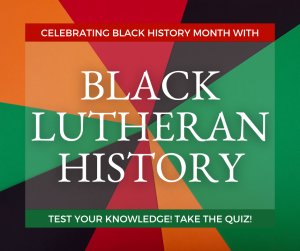
Take the Black Lutheran History Quiz!

In case you missed it:  In honor of Black History Month, ELCA Racial Justice Ministries will be elevating the voices of our African Descent peers and reposting their works from others sources around the ELCA. The following article is cross-posted from Living Lutheran online. The original post can be found here.


Take the Black Lutheran history quiz

A celebration of Black History in the ELCA

February 27, 2025

To honor and celebrate the contributions of Black Lutherans, Nicolette Peñaranda, ELCA program director for African Descent Ministries, created a quiz that highlights key figures, congregations and milestones in ELCA history. This interactive challenge is an opportunity to test your knowledge and deepen your understanding of the rich legacy of Black Lutherans in the ELCA.

How well do you know this history? Take the quiz and find out!

Share

My take: Still Black. Still Lutheran

In honor of Black History Month, ELCA Racial Justice Ministries will be elevating the voices of our African Descent peers and reposting their works from others sources around the ELCA. The following article is cross-posted from Living Lutheran online. The original post can be found here.


My take: Still Black. Still Lutheran

By Nicolette Peñaranda |February 3, 2025

It wasn’t long ago that Gov. Tim Walz was first announced as the Democratic nominee for U.S. vice president, alongside presidential candidate Kamala Harris. Moments after Harris declared her running mate, posts about Walz being a Lutheran began to pop up across social media.

“One of us!” I remember cheering as I sat on the couch in the faculty lodge of Pinecrest Lutheran Leadership Ministries. This ticket would be one of those rare moments when my identity would be fully displayed to the American people. A powerful, competent, multiethnic Black woman and a Midwest Lutheran represented the Democratic Party for the highest offices. What a rare and divine moment!

I know I wasn’t alone in this sentiment. One of my colleagues is, like Harris, a Black woman from Northern California who attended a Historically Black College and University (HBCU), pledged to a Black sorority and has had to work twice as hard as her white counterparts to get where she is today. Her story is my story. Our story is the story of thousands of other Black women in this church.

Many of us in ministry are aware that the odds are stacked against us. We intern in ministerial contexts that counter our lived experiences. Some of us complete second master’s degrees while waiting for a call or a work opportunity. If we attend a Lutheran seminary, we spend most of our education completing coursework while acting as racial justice translators in the classroom, fielding questions about our blackness and Lutheran identity.

Our nonclergy sisters do the same in their contexts. Black women in medicine must explain that they are the doctor and not the social worker. Black women in education must teach their 22-year-old counterparts from Teach for America about trauma-informed approaches to learning. Because of the additional work we are tasked with while working or completing our education, we are experts in both the content and in navigating white mediocrity, the truth that many professional settings are skewed in favor of white Americans.

This story is not about who won the presidential election nor about political parties. Rather, it’s about holding in tension the struggle that Black women face in the professional world. Regardless of our qualifications and professional experience, we aren’t considered for leadership positions, a situation not exclusive to the secular world.

An abusive relationship

I bring up Walz, a lifelong Lutheran who said yes to supporting a Black woman for president. Walz accepting the vice presidential nomination was more countercultural to most ELCA congregations than we realize. For over a decade, Black women candidates for ministry have waited three to five years for their first call. This means that if they were fortunate enough to interview at even four congregations a year, 1 out of every 12 to 20 congregations affirms a Black woman’s call to word and sacrament ministry. After nearly 40 years of Black women being ordained in the ELCA, only three have been elected as a synod bishop.

Since the inception of the ELCA, only two Black women have served as executive director for a home area. One of them saw her position eliminated, and the other works in People Solutions, which is mostly a human resources team. Wyvetta Bullock, an ELCA pastor, has held one of the highest offices in the ELCA as the executive for administration, but no ELCA seminary, college or university has had a Black woman as president. In 2022 at least four Black women were forced out of their ELCA congregations within two months.

The sobering truth is that Black women have been in an abusive relationship with the ELCA for a long time. Perhaps that is why the Walz announcement for the Harris ticket felt so special. Maybe this would start a trend in our denomination.

The reality is that Harris did not win the presidency. It didn’t matter that she was only the second presidential candidate ever to have worked inside all three branches of government. It didn’t matter that she had clear and concise policy proposals or that some of her positions even aligned with the Republican Party. She lost support in most demographics except the Black community and millennials. It’s challenging to find hope for ministry in a church with the same demographics as those who didn’t see one of the people most qualified for office as fit to serve.

What does this mean?

What, then, does this mean for those of us asked to educate the masses within the ELCA? At what point do we just become a broken record for racial justice to ears that refuse to hear it? When is it appropriate to call the time of death for these DEI (diversity, equity and inclusion) workshops and cultural competency talks?

I’m not quite sure how we move forward to pay homage to Black leaders in our church when we refuse to address the elephant in the room. Some leaders still don’t think we should be in the pulpit nor the Oval Office. For years we have documented, celebrated and named the historic contributions Black leaders have offered our church, and still we have not seen our white counterparts build a base of people to support our ministry and advocate for equitable work opportunities.

So, rather than provide more resources and community discussions, I hope congregations will watch all three seasons of “Talks at the Desk” this Black History Month. Use the discussion guides and pledge to make a special offering all month for the African Descent Lutheran Association or the 66th Synod Reparations Fund. But until we start using the resources we already have and apply change, then we will never be free.

Share